 rifanmuazin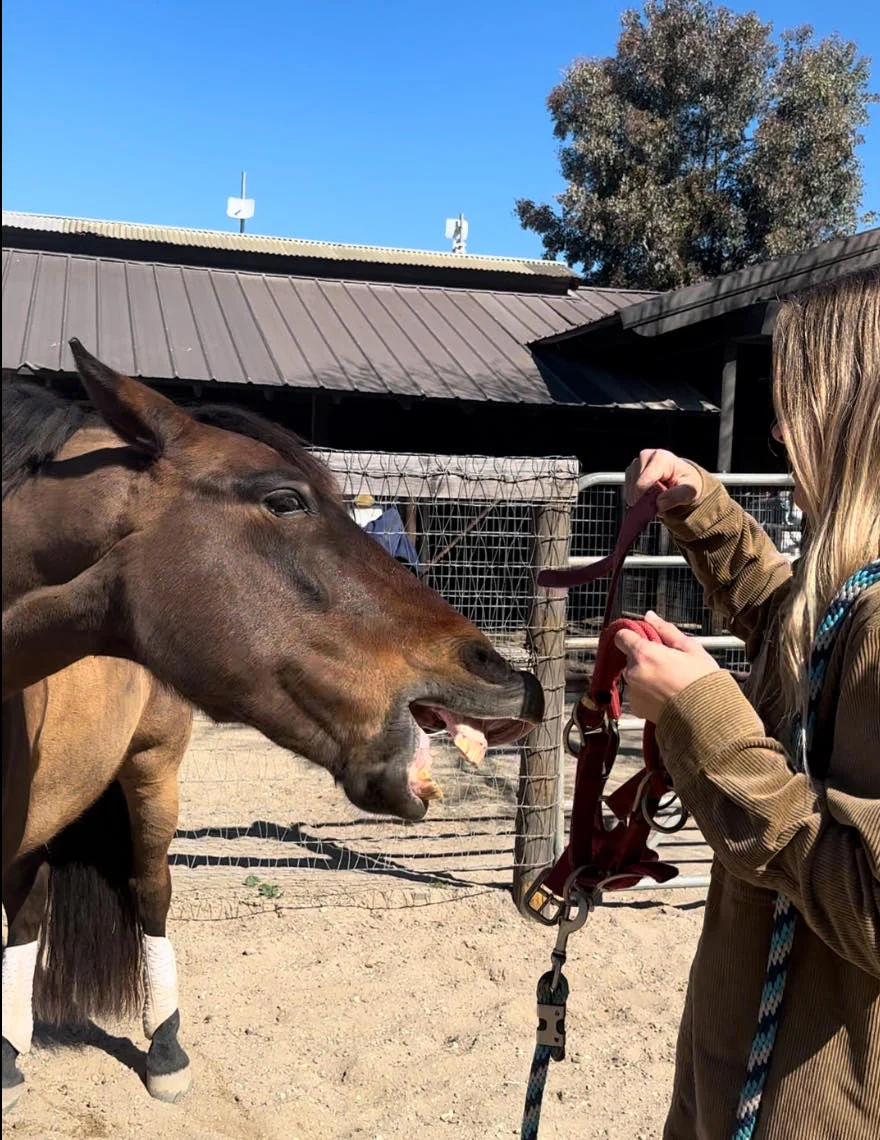
The question, "How do I stop my horse biting me?" is one of the most frequently posed inquiries encountered at equine demonstrations and training sessions worldwide. While a biting horse can present a concerning and potentially dangerous situation for owners, experienced trainers and equine behaviorists emphasize that this is a rectifiable issue, often solvable with a swift and consistent approach. The key to addressing this behavior lies not in punishment, but in understanding its root causes and implementing a targeted, humane correction.
The Nature of Equine Behavior: Understanding Why Horses Bite
Horses, as prey animals, possess an inherent instinct for vigilance. Their survival has historically depended on constant awareness of their surroundings, a trait that persists even in domesticated settings. This heightened awareness means that a horse may simultaneously monitor its environment and its handler, often anticipating actions or seeking resources, such as food. Their wide field of vision contributes to this observational nature.
Early in life, foals, much like human infants, explore their world through their mouths. This includes mouthing and nipping as a means of investigation and play. While this behavior is natural and often harmless in young foals, maternal instinct dictates that mother horses will intervene to curb excessive or aggressive play, teaching their offspring about appropriate boundaries. Similarly, human handlers of young horses must establish and maintain these boundaries to ensure safety and a harmonious relationship. Even a young horse, though smaller than an adult, possesses considerable strength and speed, making early boundary setting crucial.
The Unintended Consequences of Hand-Feeding and Reward Systems
One of the most significant contributors to biting behavior, according to seasoned professionals, is the practice of hand-feeding. This seemingly affectionate gesture can inadvertently create a dangerous association in a horse’s mind, leading them to view their human handler primarily as a source of food.
This issue was highlighted in a personal account from Debbie Roberts Loucks, daughter of renowned equine behaviorist Monty Roberts. Loucks recounts raising an orphaned filly named Nila’s Doll, who, despite an unconventional start with a lactating goat surrogate, was carefully raised with an emphasis on ground manners and boundaries. This careful upbringing prevented Nila’s Doll from developing biting habits, underscoring the importance of consistent training. Loucks learned that a common human error is feeding horses directly from the hand, often with the intention of strengthening the human-animal bond. However, given a horse’s size and natural instincts, this practice can lead to a horse becoming overly focused on its handler as a food dispenser, potentially leading to demanding or aggressive food-seeking behaviors.
Experts advise that if an owner wishes to offer treats, such as apples or carrots, these should be placed in a feed bucket rather than presented by hand. This practice reinforces that food is not directly dispensed by the human body, thus mitigating the risk of associating the handler with a food source that could be obtained through biting.
The Misconception of Food as a Natural Reward for Horses
The human tendency to anthropomorphize animals can lead to misunderstandings about equine behavior. Unlike predator species that actively hunt and "earn" their food, horses are grazing animals. The concept of "earning" food in the same manner as a canine trained to perform a trick does not directly translate to a horse’s natural foraging behavior. As Monty Roberts famously states, "No blade of grass ever ran from a horse." This fundamental difference in how food is acquired in their natural environment means that training a horse to believe food is a reward or an entitlement dispensed by humans can lead to expectations of immediate gratification. When these expectations are not met, or when a horse anticipates a treat, it may resort to biting pockets, hands, or other body parts in an attempt to secure the desired food.
Beyond food-related motivations, other factors can trigger biting. Discomfort from ill-fitting tack, such as a tight girth or an uncomfortable saddle, can cause frustration and lead to biting as an expression of pain or annoyance. In some instances, biting can also be a display of aggression or an attempt at mutual grooming, a social behavior within horse herds.
The "Five-Second Fix": A Methodical Approach to Correcting Biting
Fortunately, the correction of biting behavior in horses is often achievable with a rapid and consistent application of a specific technique. The underlying principle involves associating the act of biting with an unexpected, non-punitive sensory experience that redirects the horse’s focus. This method, rooted in behavior modification and habituation, aims to disrupt the biting impulse by linking it to a harmless, distracting event.

It is crucial to understand that physical confrontation or punishment is counterproductive and potentially dangerous when dealing with a large animal like a horse. Hitting a horse not only fails to address the root cause of the biting but can also escalate the behavior, making the horse more adept at biting and holding on. Instead, the focus shifts to a strategy of distraction and redirection.
The Monty Roberts Method: Distraction and Association
The technique, often referred to as the "Monty Roberts Remedy," leverages the horse’s natural distractibility. This is a principle well-understood in human psychology; a simple "look over there" can divert attention, and a sudden, engaging offer can redirect a child’s frustration. Applied to horses, this involves a swift, light tap to a specific part of the horse’s leg when it attempts to bite.
The precise action involves looking straight ahead, appearing unconcerned, and then lightly tapping the horse’s shin, typically on the front leg, with one’s foot. The intention is not to inflict pain but to create a mild surprise. This surprise is designed to interrupt the biting action and create an immediate association in the horse’s mind: the effort to bite is met with an unexpected tap on the leg. Some practitioners may opt for a quick rub on the coronet band with their boot, achieving a similar distracting effect. The key is the apparent disconnect from the handler’s direct actions, making the horse attribute the sensation to its own biting attempt.
With consistent application, typically over six to eight repetitions, the horse begins to internalize this association. Observers often note a visible hesitation in the horse as it reaches to bite, followed by a glance down at its leg, indicating the learned response. This visual cue of the horse’s cognitive processing is often described as "cute," underscoring the effectiveness of a non-confrontational training method.
Supporting Evidence and Broader Implications
The effectiveness of this approach aligns with established principles of animal behavior modification. By creating a clear and immediate consequence that is unrelated to pain or fear, the horse learns to inhibit the biting behavior without developing negative associations with its handler or the training environment. This is particularly important in maintaining a positive and trusting relationship, which is the cornerstone of successful equine partnership.
The implications of mastering this simple correction extend beyond the immediate safety concern. A horse that does not bite is more pleasant and safer to handle for all members of the family, including children. It allows for a more relaxed and enjoyable experience when grooming, tacking up, and simply spending time with the animal. Furthermore, it contributes to the overall well-being of the horse, reducing the likelihood of it being perceived as "difficult" or "problematic," which can sometimes lead to unfortunate outcomes for the animal.
Further Resources and Professional Development
For horse owners seeking a more in-depth understanding and visual demonstration of these techniques, resources are readily available. Online platforms and training facilities offer comprehensive instruction. For instance, the Monty Roberts Online University provides video tutorials, such as "How to Stop Nipping and Biting," which can be accessed with promotional codes for free viewing. These visual aids can be invaluable for learning the precise timing and application of the corrective tap.
For those seeking an immersive learning experience, specialized training courses offer the opportunity to work directly with experienced trainers and observe world-renowned methods in action. These programs often provide a comprehensive overview of equine behavior, allowing participants to refine their understanding and practical skills.
The ability to effectively address common behavioral issues like biting is a testament to the power of understanding equine psychology and employing humane, science-based training methods. By focusing on redirection and consistent, clear communication, horse owners can cultivate a safe and harmonious relationship with their equine partners, ensuring mutual respect and enjoyment for years to come.
Debbie Roberts Loucks concludes her insights by emphasizing that a spoiled horse is rarely a happy horse. This sentiment underscores the broader principle that establishing clear boundaries and providing consistent, appropriate guidance is not only essential for safety but also contributes to the overall psychological well-being and contentment of the horse.