 rifanmuazin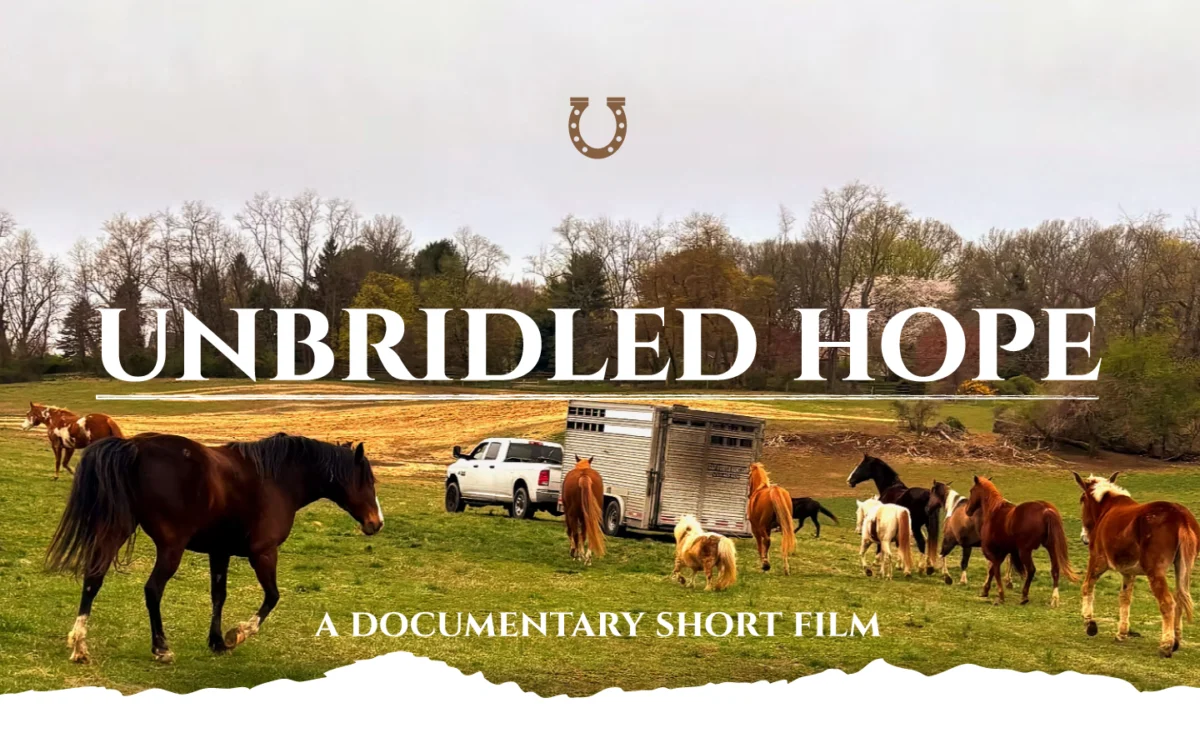
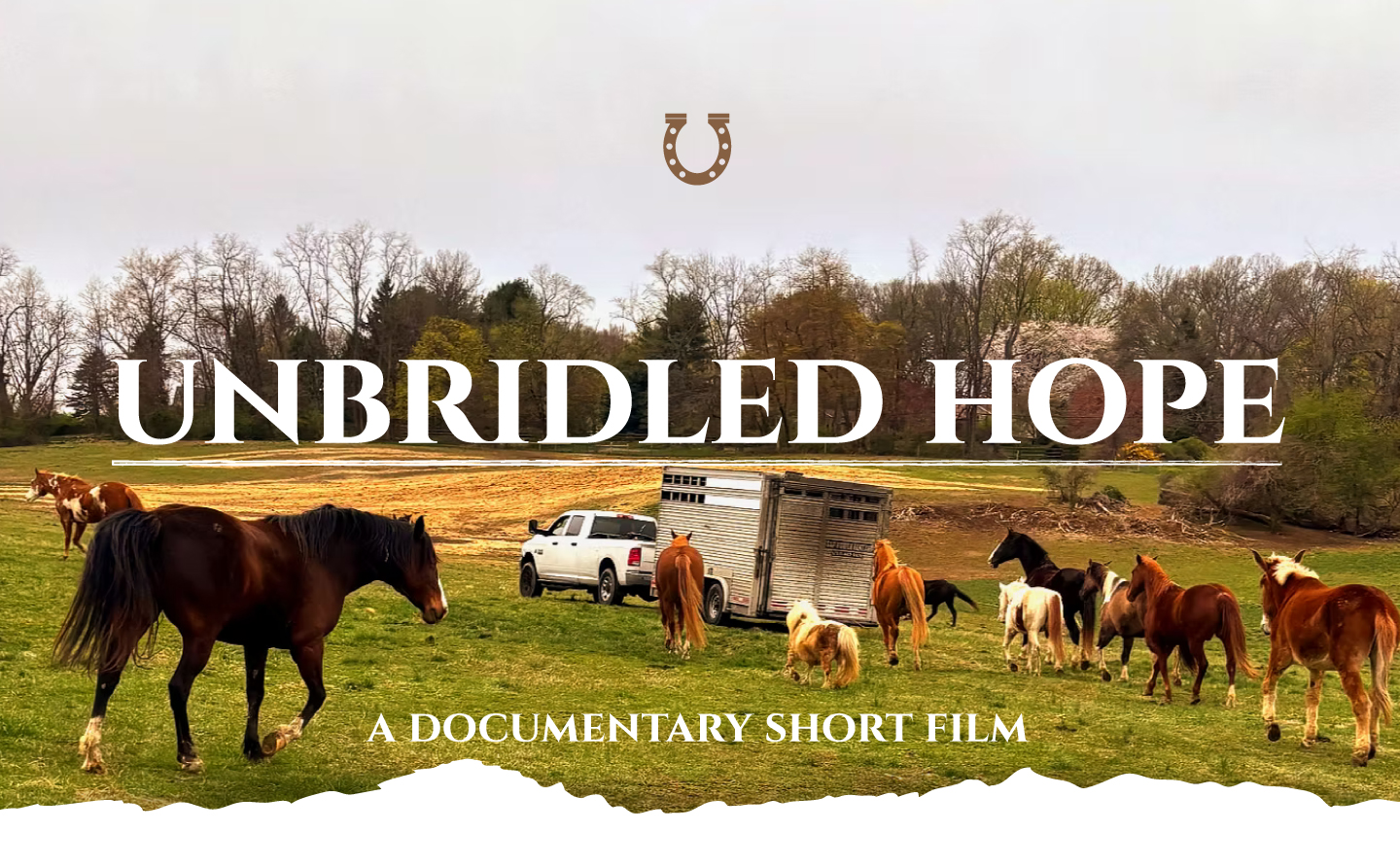
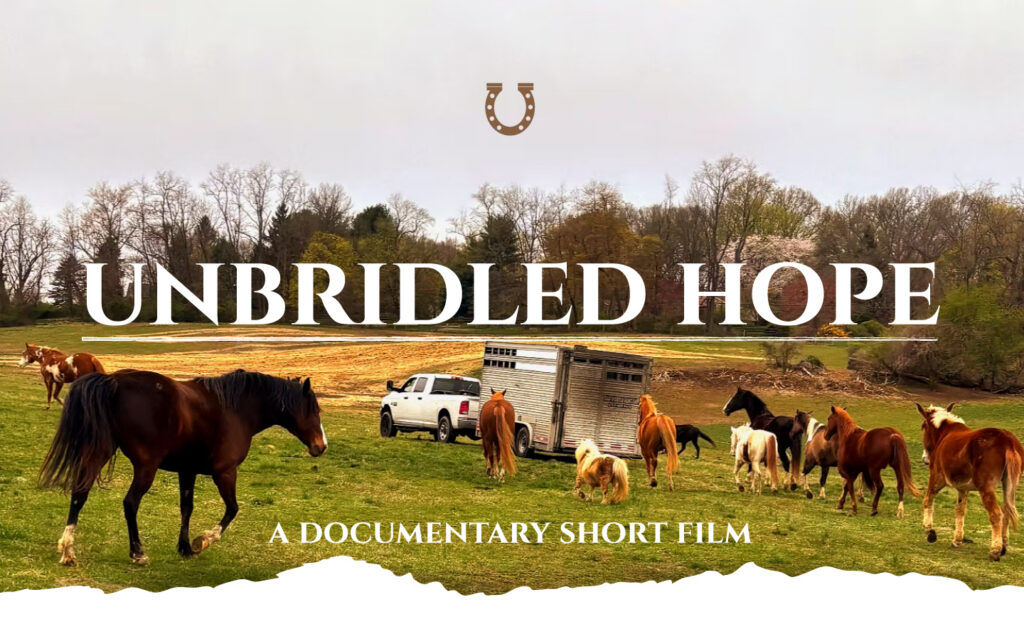
A powerful new documentary short, "Unbridled Hope," is shedding a stark light on the often-hidden world of American horse auctions, revealing a system where beloved animals are sold to the highest bidder, frequently destined for slaughter. The film meticulously unravels the systemic failures and the prevailing throwaway culture that perpetuate this tragedy, while simultaneously highlighting a pivotal moment for legislative change and increased support for equine welfare.
The documentary, independently produced, aims to not only expose the grim reality of the horse slaughter pipeline but also to galvanize support for the SAFE Act, a federal amendment poised to ban the export of U.S. horses for slaughter. The filmmakers are actively seeking tax-deductible donations to fund ongoing production and outreach efforts, with all net proceeds earmarked for horse rescue organizations and advocacy for the SAFE Act. Donors contributing $100 or more will receive a complimentary digital version of the film, a gesture intended to further disseminate the film’s critical message.
The Harrowing Reality of American Horse Auctions
"Unbridled Hope" delves into the complex and often brutal landscape of American horse auctions. These events, while sometimes a legitimate avenue for horse sales, have become a significant pathway for horses to enter the slaughter pipeline. The documentary illustrates how horses, regardless of their past careers as racehorses, show horses, or beloved companions, can find themselves at these auctions due to economic hardship, changing ownership, or simply reaching an age where their performance capabilities decline. The film captures the emotional toll on both the animals and the dedicated individuals working to rescue them, painting a vivid picture of the desperation and the urgent need for intervention.
The narrative focuses on the systemic vulnerabilities that allow this practice to persist. It examines how a lack of robust regulation and enforcement has created loopholes that facilitate the export of horses for slaughter, primarily to Canada and Mexico, where they are processed for human consumption. This practice has been a source of national and international concern for decades, drawing criticism from animal welfare advocates and the public alike.
The SAFE Act: A Beacon of Hope for Legislative Change
The documentary places significant emphasis on the SAFE Act (Safeguard American Food Exports Act). This critical piece of legislation, for the first time in two decades, is gaining significant traction in Congress, offering a tangible pathway to permanently end the export of U.S. horses for slaughter. The film highlights the growing policy momentum and the declining reliance of the industry on slaughter, suggesting that this is the most opportune moment in history to dismantle the slaughter pipeline.
The SAFE Act seeks to close the existing loophole that permits the export of American horses for slaughter, effectively prohibiting their journey to foreign processing plants. Proponents of the bill argue that it aligns with American values and addresses a significant animal welfare concern. The film underscores the importance of public support and legislative action to ensure the SAFE Act’s passage, framing it as a crucial step toward redirecting horses into the nation’s expanding network of rescue, rehabilitation, and service programs.
Supporting Data and the Scale of the Problem
The scale of the issue is substantial. While precise numbers fluctuate annually, reports from organizations like the Humane Society of the United States and the ASPCA have consistently indicated that tens of thousands of American horses are exported for slaughter each year. These figures represent a significant loss of animals with potential for loving homes or valuable roles in therapeutic programs.
For example, in some peak years, estimates have placed the number of horses sent to slaughter abroad at upwards of 100,000. This represents a significant portion of the American horse population that, instead of finding new lives, meets a tragic end. The economic impact is also a factor, with the horse industry contributing billions of dollars to the U.S. economy through breeding, racing, equestrian sports, and recreation. The humane treatment of these animals is seen by many as intrinsically linked to the industry’s long-term sustainability and public perception.
A Timeline of Advocacy and Progress
The fight against horse slaughter is not new. Advocacy efforts have been ongoing for decades, with various legislative attempts to ban the practice.
- Early 2000s: Initial efforts to ban horse slaughter gain momentum. The American Horse Slaughter Prevention Act is introduced in Congress.
- 2007: The U.S. Congress passes a de facto ban on horse slaughter by withholding funds for the inspection of horse slaughterhouses. This significantly curtails domestic slaughter operations.
- 2011-2013: The ban is lifted due to budget amendments, leading to the reopening of a few U.S. slaughter plants and a resurgence in horse exports for slaughter.
- Mid-2010s to Present: Renewed and intensified advocacy for a permanent federal ban. The SAFE Act is reintroduced and gains increasing bipartisan support. "Unbridled Hope" emerges within this context, aiming to amplify these efforts.
- Current Landscape: The SAFE Act is actively being advanced, signaling a potentially historic turning point.
This historical context underscores the persistent nature of the issue and the ongoing dedication of advocates and organizations working towards a permanent solution.
The Role of Rescue and Rehabilitation Networks
"Unbridled Hope" also highlights the vital role of horse rescue and rehabilitation organizations. These sanctuaries and facilities are often the last hope for horses saved from auctions or neglect. They provide essential veterinary care, retraining, and ultimately, rehoming services. The film implicitly makes a case for increased support for these organizations, as they are on the front lines of addressing the consequences of the slaughter pipeline.
The documentary suggests a symbiotic relationship between legislative change and the growth of these rescue networks. As the slaughter pipeline is dismantled, more resources and attention can be directed towards strengthening these vital organizations, ensuring that horses in need receive the care and second chances they deserve. The expanding rescue and rehabilitation infrastructure in America is a testament to the growing commitment to equine welfare.
Official Responses and Industry Perspectives
While the documentary focuses on the welfare aspect, it is important to acknowledge the broader industry context. Some argue that horse auctions are a necessary part of the equine market, providing a venue for the sale of horses that may no longer be suitable for their original purposes. They may point to the economic realities of horse ownership and the need for a viable exit strategy for horses.
However, the overwhelming sentiment among animal welfare organizations and a significant portion of the public is that the export for slaughter is an unacceptable outcome for American horses. Organizations like the Humane Society of the United States, the ASPCA, and numerous equine advocacy groups have been vocal in their condemnation of the practice and their unwavering support for the SAFE Act. Their consistent advocacy, coupled with the emotional resonance of documentaries like "Unbridled Hope," is driving public opinion and political will.
Broader Implications and Analysis
The implications of "Unbridled Hope" and the push for the SAFE Act extend beyond the immediate welfare of horses. The success of this legislative effort would signify a cultural shift in how America views and treats its equine population. It would underscore a commitment to ethical treatment and a rejection of practices that are perceived as inhumane.
Furthermore, the film’s focus on systemic failures and throwaway culture can serve as a broader commentary on societal attitudes towards animals and the environment. By highlighting these issues within the context of horse slaughter, the documentary encourages a more mindful and compassionate approach to animal stewardship.
The financial model of seeking tax-deductible donations for film production and advocacy is a common and effective strategy for independent documentaries aiming to create social impact. This approach not only funds the project but also builds a community of engaged supporters who are invested in the film’s success and the cause it champions. The direct appeal for donations, coupled with the offer of a digital film copy, creates a tangible incentive for engagement and broadens the film’s reach.
Conclusion: A Call to Action and a Vision for the Future
"Unbridled Hope" is more than just a documentary; it is a powerful call to action. By illuminating the hidden tragedy of American horse auctions and advocating for the passage of the SAFE Act, the film seeks to inspire change at both the legislative and societal levels. The filmmakers’ reliance on public support underscores the collaborative nature of this movement, where individual contributions can collectively drive significant progress.
The vision presented is one where the slaughter pipeline is dismantled, and resources are redirected towards the flourishing of rescue, rehabilitation, and service networks. This future promises a more humane and responsible approach to equine welfare in America, ensuring that horses, creatures of immense value and historical significance, are treated with the dignity and respect they deserve. The success of "Unbridled Hope" and the SAFE Act will undoubtedly mark a new era for horses in America.