 rifanmuazin
When embarking on the ambitious venture of establishing an equine boarding business, meticulous planning is not merely recommended; it is indispensable. Among the myriad of critical decisions, the selection and preparation of the premises stand out as a foundational element, directly impacting the welfare of the animals, the operational efficiency of the facility, and ultimately, the long-term viability of the enterprise. Whether one is acquiring an existing property with the intent to retrofit or constructing a facility from the ground up, a comprehensive understanding of essential provisions is paramount. This in-depth analysis explores the pivotal considerations for developing a superior equine boarding establishment, focusing on the physical infrastructure that underpins its success.
Architectural Foundations: Selecting the Right Building Type
The very structure housing the equine residents is a critical determinant of their comfort, health, and the overall functionality of the boarding operation. The spectrum of building types available offers distinct advantages and disadvantages, necessitating a careful evaluation based on budgetary constraints, prevailing climatic conditions, and the specific requirements of the horse population to be accommodated.
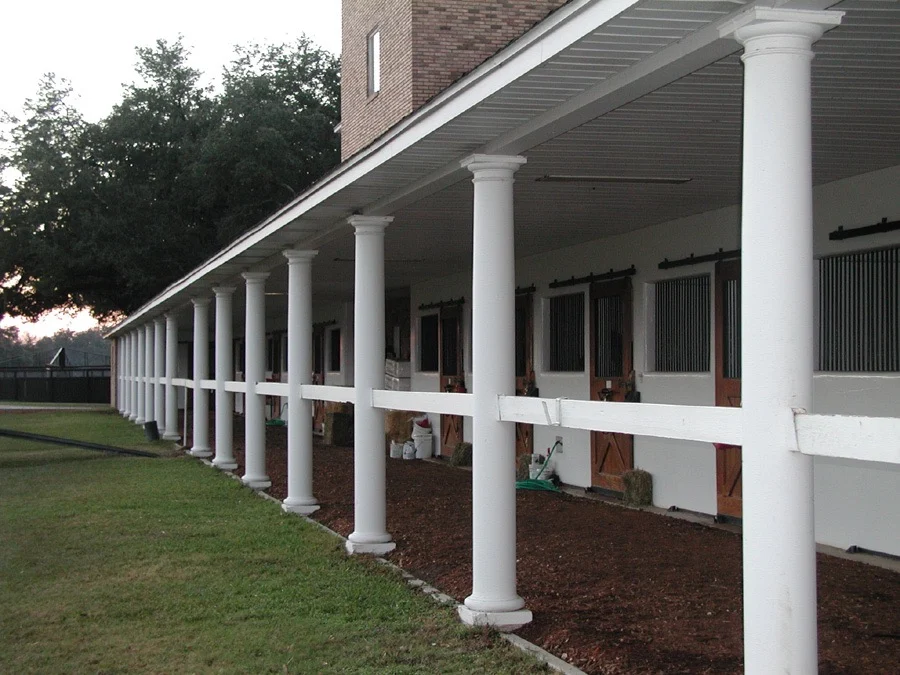
Traditional barns, often built with robust timber or durable metal, represent a time-tested solution. These structures offer a classic aesthetic and a proven track record of longevity, providing a secure and weather-resistant environment. Their inherent strength can withstand the rigors of daily use, and their often-spacious interiors can be adapted to various configurations.
Timber stables, while sharing some similarities with traditional barns, often emphasize aesthetic integration with their surroundings. Their natural materials can contribute to a calming atmosphere, which can be particularly beneficial for the psychological well-being of horses. The visual appeal of timber stables can also be a significant draw for clientele seeking a picturesque boarding experience.
In contrast, modern prefabricated structures offer unparalleled flexibility and speed of erection. These engineered solutions can be customized to meet highly specific operational needs, from the precise dimensions of stalls to the integration of advanced ventilation systems. Their modular nature allows for relatively rapid expansion or modification as the business evolves, providing a strategic advantage for operators anticipating growth. The initial investment in prefabricated options can also be more predictable, facilitating financial planning.
The choice between these archetypes is rarely a matter of simple preference. For instance, facilities located in regions prone to extreme weather might prioritize the superior insulation and storm resistance of a well-constructed metal barn. Conversely, operations in milder climates or those catering to a clientele that values rustic charm might lean towards timber constructions. The ability to customize prefabricated units, however, often makes them a strong contender across diverse operational needs, allowing for precise tailoring of stall sizes, aisle widths, and storage configurations.
Space Allocation: Quantifying the Needs of Equine Residents
A fundamental aspect of equine boarding facility design is the accurate determination of required space. This calculation is intrinsically linked to the projected number of horses to be housed and the quality of care intended. As a general guideline, each individual stall should measure a minimum of 12 feet by 12 feet. This dimension ensures that horses have sufficient room to stand, turn around, and lie down comfortably without feeling confined. Exceeding this minimum, particularly for larger breeds or horses with specific behavioral needs, can significantly enhance their comfort and reduce stress-related issues.
Beyond the confines of individual stalls, the facility must allocate adequate space for communal and ancillary functions. Grooming areas should be sufficiently large to allow handlers to work safely and efficiently around the horse, with ample room for equipment. Wash stalls, designed for the hygienic cleaning of horses, require not only space for the animal but also for the handler and water supply systems. Tack rooms, the repositories for essential riding equipment, must be meticulously organized to prevent damage and ensure easy access. Well-designed tack rooms can feature custom shelving, saddle racks, and bridle hooks, maximizing vertical space and keeping items clean and protected.
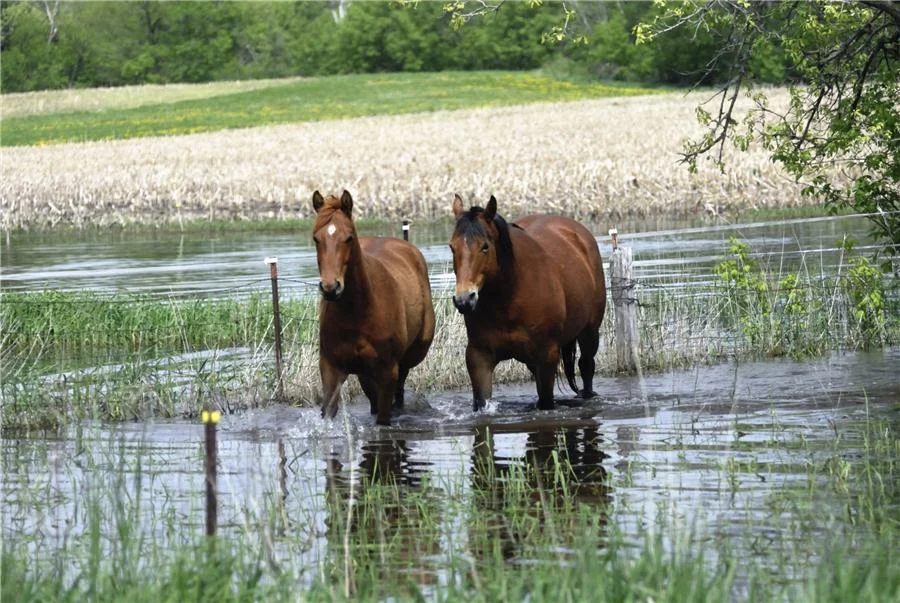
Outdoor space is equally, if not more, critical. Paddocks and pastures provide essential opportunities for exercise, socialization, and natural grazing behaviors. These areas must be expansive enough to permit safe and unrestricted movement, allowing horses to gallop, play, and interact naturally. Overcrowding in turnout areas can lead to increased aggression, injuries, and stress, negatively impacting both physical and mental health. The American Association of Equine Practitioners (AAEP) often emphasizes the importance of adequate turnout for equine well-being, suggesting that a minimum of 1-2 acres per horse for pasture is a reasonable starting point, though this can vary significantly based on forage quality and management practices.
The Breath of Life: Ensuring Optimal Ventilation
The air quality within an equine boarding facility is a non-negotiable component of animal health, directly influencing respiratory well-being. Inadequate ventilation traps moisture, ammonia from urine, dust from bedding and feed, and other airborne pathogens, creating an environment conducive to respiratory diseases. Horses, with their large lung capacity, are particularly susceptible to the detrimental effects of poor air quality.
Effective ventilation strategies involve a multi-faceted approach. The strategic placement of windows and vents is crucial for promoting natural airflow, allowing for a continuous exchange of stale air for fresh. The installation of ceiling fans and exhaust fans can further enhance circulation, actively drawing out contaminated air and introducing cleaner air. Ridge vents, running along the apex of the roof, are highly effective in allowing warm, moist air to escape.
During colder months, maintaining adequate ventilation without creating chilling drafts becomes a delicate balancing act. Proper insulation can help regulate temperature, while carefully positioned vents can direct airflow away from resting horses. The goal is to achieve a dynamic equilibrium where stale air is consistently removed, and fresh air is introduced, fostering a healthier and more comfortable environment. Studies have shown that improved ventilation in horse barns can lead to a significant reduction in the incidence of conditions such as heaves and other chronic obstructive pulmonary disease (COPD) symptoms. The U.S. Department of Agriculture (USDA) has published guidelines on barn design that include recommendations for ventilation rates based on animal size and density.

Fortifying the Sanctuary: The Imperative of Secure Stalls
The integrity of individual horse stalls is paramount for ensuring the safety of both the animals and the handlers. Each stall must be constructed to withstand the considerable strength of a horse and to prevent injuries or escapes. Sturdy walls, constructed from durable materials such as reinforced wood or steel, are essential. Partitions between stalls, whether solid or grilled, can help mitigate aggressive interactions such as biting and kicking, thereby reducing the risk of injury. The design of these partitions should consider the social dynamics of horses, allowing for visual contact while minimizing direct physical confrontation.
Stall doors present a unique design challenge. They must be exceptionally secure, capable of containing a powerful animal, yet also easy for human handlers to operate efficiently and safely. Sliding doors are often preferred over swinging doors, as they eliminate the hazard of a door swinging into an aisle or handler and also save valuable space. The hardware used for stall doors and latches must be robust, free from sharp edges or protruding components that could cause cuts or abrasions. Regular inspections and proactive maintenance are critical to identify and address any signs of wear and tear, ensuring that stalls remain a secure sanctuary over time. A stall failure can have catastrophic consequences, leading to severe injuries for the horse and potential liability for the business owner.
Grounding the Foundation: Selecting Appropriate Flooring
The flooring within a horse barn significantly influences the comfort, health, and safety of the resident equines. Among the most highly recommended flooring materials are rubber mats, particularly interlocking rubber strip mats. Their popularity stems from a combination of desirable attributes: exceptional durability, ease of cleaning, and superior shock-absorbing properties.
The cushioned surface provided by rubber mats offers substantial benefits by reducing the strain on a horse’s joints and hooves, especially during periods of prolonged standing or lying down. This can contribute to the prevention of common lameness issues and improve overall comfort. Furthermore, rubber flooring provides excellent traction, significantly minimizing the risk of slips and falls, which can lead to serious injuries.
Beneath the rubber mats, a well-prepared base layer is crucial for managing moisture and maintaining a dry, hygienic environment. A compacted base of gravel or crushed stone offers excellent drainage, preventing water from pooling and creating a breeding ground for bacteria. This combination of a properly draining base and durable, shock-absorbent rubber mats creates a flooring system that is both functional and conducive to the long-term health and well-being of the horses. The cost of high-quality rubber matting and proper installation can be a significant upfront investment, but the benefits in terms of reduced veterinary costs, improved horse comfort, and enhanced operational efficiency typically provide a strong return.
Vigilance Against Peril: Implementing Robust Fire Safety Measures
The inherent flammability of common stable materials, such as hay, straw, and wood, elevates fire safety to a position of paramount importance in any equine boarding facility. The potential for catastrophic loss of life and property necessitates a proactive and comprehensive approach to fire prevention and mitigation.
A cornerstone of any effective fire safety strategy is the installation of robust detection and suppression systems. This includes strategically placed smoke detectors and fire alarms throughout the barn, linked to a central monitoring system. In larger facilities, or those with higher fire risk, the installation of sprinkler systems can provide an immediate and highly effective means of controlling a fire in its early stages.
Clear and accessible emergency exits are vital for facilitating the swift evacuation of horses and staff in the event of a fire. Signage indicating exit routes should be prominent and illuminated, ensuring visibility even in smoky conditions. A sufficient number of fire extinguishers, appropriate for the types of fires likely to occur in a barn environment, should be readily available and regularly inspected to ensure they are in good working order.
Beyond structural and mechanical safeguards, operational policies play a crucial role. Strict enforcement of no-smoking policies in and around the barn is essential, as discarded cigarettes or open flames are a common ignition source. Developing and regularly practicing comprehensive emergency response plans and fire drills ensures that staff are well-prepared to act quickly and decisively, minimizing panic and maximizing the chances of a safe and successful outcome. The National Fire Protection Association (NFPA) provides detailed guidelines on fire safety for agricultural buildings, which are invaluable resources for facility owners.
The Art of Organization: Essential Storage Solutions
Efficient and well-organized storage is the backbone of a smoothly operating equine boarding business. The absence of adequate storage can lead to disarray, wasted time, and potential safety hazards. Tack rooms, as mentioned earlier, require dedicated space for the neat and secure storage of saddles, bridles, grooming tools, and other essential equipment. Well-designed shelving units, saddle racks, and bridle hooks can maximize space and keep items protected from damage and dust.
Feed storage areas demand particular attention. These spaces must be cool, dry, and, critically, rodent-proof. Storing feed in sealed containers or dedicated bins prevents spoilage, contamination, and infestation, safeguarding the health of the horses and the integrity of the feed supply. The risk of mold growth in damp conditions can lead to serious respiratory issues in horses.
Hay storage, due to its dry and potentially dusty nature, should ideally be located in a separate, well-ventilated area. This not only reduces dust levels within the main barn but also mitigates fire hazards. Proper stacking and ventilation of hay bales are crucial for preventing spontaneous combustion, a significant risk in inadequately stored hay. Adequate storage ensures that all necessary supplies and equipment are readily accessible, streamlining daily routines and enhancing overall operational efficiency. Furthermore, proper organization of storage areas contributes to biosecurity by facilitating the clean separation of different types of feed and equipment, thereby reducing the potential for disease transmission.
The Holistic Vision: Integrating Premises into Business Success
The establishment of a premier equine boarding business is a multifaceted endeavor, and the physical premises form the bedrock upon which success is built. Each element, from the architectural design and space allocation to ventilation, stall security, flooring, fire safety, and storage, plays an integral role. A facility that prioritizes these considerations not only ensures the comfort and safety of its equine residents but also cultivates an environment of efficiency and professionalism. This, in turn, fosters trust and loyalty among clients, contributing significantly to the business’s reputation and long-term prosperity. The investment in well-planned and meticulously executed infrastructure is an investment in the enduring success of the equine boarding enterprise.