
 rifanmuazin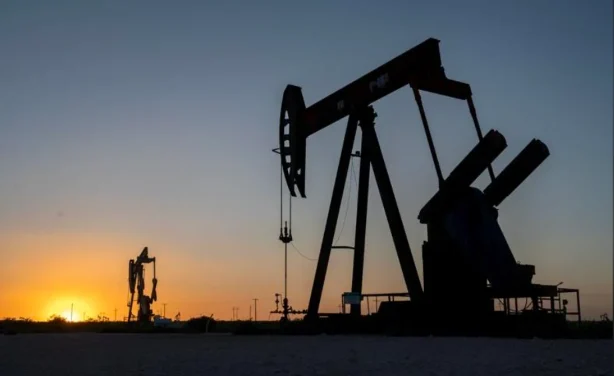
As the United States approaches the final three months before the pivotal 2024 presidential election, the Permian Basin, a geological marvel spanning West Texas and Southeastern New Mexico, finds itself at the nexus of national energy policy debates. The outcome of this election, and the distinct energy philosophies of the candidates, are poised to significantly impact the local economy, particularly the robust oil and gas sector that forms its backbone. This includes a direct influence on employment, investment, and the very operational fabric of petroleum companies throughout the region.
The Permian Basin: An Economic Engine Under Scrutiny
The Permian Basin is not merely a geographic location; it is an economic powerhouse, often referred to as the engine room of American energy independence. Responsible for approximately 40% of all U.S. crude oil production and about 15% of its natural gas output, the basin’s economic health directly translates into prosperity for its communities, providing hundreds of thousands of jobs and generating billions in tax revenues for state and local governments. In Texas alone, the oil and natural gas industry directly employed over 200,000 people as of 2023, with a significant portion concentrated in the Permian. New Mexico also heavily relies on Permian production, with oil and gas revenues often funding a substantial part of the state’s budget for education and infrastructure.
Kirk Edwards, President and CEO of Latigo Petroleum in Odessa, Texas, a veteran operator in the basin since the 1980s, underscores the pervasive nature of this influence. "This affects everybody in our population here, especially in Southeastern New Mexico and West Texas," Edwards stated in a recent interview. His long tenure in the industry has afforded him a front-row seat to the cyclical and often dramatic shifts brought about by national political tides. For Edwards and countless other independent producers, the upcoming election is not an abstract political contest but a tangible determinant of their operational viability and the livelihoods of their employees.
A History of Policy Swings: Energy as a "Political Football"
The energy sector, particularly oil and gas, has historically been a focal point of national policy, oscillating between agendas emphasizing production and those prioritizing environmental protection and diversification. Edwards aptly describes this phenomenon, noting that "Somehow in the past few decades it became a ‘political football’ and we’ve seen it go both ways – there’s no doubt about it." This "political football" characterization highlights how energy policy has become deeply entrenched in partisan platforms, making it susceptible to significant overhauls with each change in administration.
The Trump Administration’s "Energy Dominance" Era (2017-2021)
During the Trump administration, the overarching policy goal was "energy dominance," aimed at maximizing domestic oil, natural gas, and coal production to bolster national security, reduce reliance on foreign energy sources, and stimulate economic growth. This agenda manifested in several key policy decisions and regulatory actions:
- Deregulation: The administration actively sought to roll back what it considered burdensome environmental regulations. This included efforts to streamline permitting processes for drilling on federal lands and waters, revise methane emission rules, and ease restrictions under the National Environmental Policy Act (NEPA). The stated intent was to reduce compliance costs for energy companies and expedite project approvals.
- Expansion of Drilling Leases: There was a strong push to open up more federal lands and offshore areas for oil and gas leasing, including areas previously restricted. While the Permian Basin primarily operates on state and private lands, federal acreage in the region, particularly in New Mexico, is substantial, making federal leasing policies highly relevant.
- Promotion of Exports: The administration championed the export of U.S. crude oil and liquefied natural gas (LNG), viewing it as a tool for geopolitical influence and economic benefit. This bolstered demand for domestically produced hydrocarbons.
The impact on the Permian Basin during this period was largely characterized by sustained growth. Lower regulatory hurdles and a supportive federal stance encouraged investment, leading to increased drilling activity, higher production volumes, and robust job creation. The U.S. became the world’s largest producer of oil and natural gas, with the Permian Basin at the forefront of this surge, frequently setting new production records.
The Biden Administration’s Green Transition Push (2021-Present)
In stark contrast, the Biden administration entered office with a pronounced emphasis on combating climate change and transitioning towards a clean energy economy. Its energy policy has been guided by ambitious climate goals, including rejoining the Paris Agreement and aiming for net-zero emissions by 2050. Key actions and their implications for the Permian Basin include:
- Pause on New Oil and Gas Leases on Federal Lands: Shortly after taking office, President Biden issued an executive order placing a temporary moratorium on new oil and gas leasing on federal lands and offshore waters. While existing leases and permits for previously leased areas were allowed to continue, this move signaled a clear shift away from expanding fossil fuel extraction on public domain. For the Permian, where a significant portion of New Mexico’s production occurs on federal lands, this created immediate uncertainty and concern among operators.
- Increased Regulatory Scrutiny and Costs: The administration has reinstituted and strengthened environmental regulations, including stricter methane emission rules for oil and gas operations. It has also increased the royalty rates for oil and gas produced on federal lands from 12.5% to 16.67% and raised bonding requirements, effectively increasing the cost of doing business for companies operating on federal acreage.
- Promotion of Renewable Energy: A cornerstone of the Biden agenda has been to accelerate the deployment of renewable energy technologies such as solar, wind, and electric vehicles through incentives, investments, and infrastructure projects. The Inflation Reduction Act (IRA), signed into law in 2022, provides significant tax credits and funding for clean energy initiatives, aiming to shift investment away from fossil fuels.
For the Permian Basin, these policies have introduced headwinds. While existing production has largely continued, the higher costs associated with federal operations, combined with the administration’s broader rhetoric about phasing out fossil fuels, have impacted investment decisions. Companies have faced increased scrutiny in obtaining drilling permits, and the overall sentiment has been one of uncertainty regarding long-term federal policy stability.

Kamala Harris and the Shifting Sands of Fracking Policy
The evolving stance of Democratic political figures on specific drilling technologies further exemplifies the "political football" dynamic. Vice President Kamala Harris, now campaigning for re-election, has notably adjusted her position on hydraulic fracturing, or "fracking." During her 2020 presidential primary campaign, Harris expressed support for a ban on fracking, aligning with a more progressive wing of the Democratic Party and environmental advocates. Her current approach, however, reflects a more pragmatic understanding of energy realities and the political sensitivities involved, particularly in swing states.
Recently, while attempting to sway voters in Pennsylvania—the nation’s second-largest natural gas producer behind Texas, largely due to fracking in the Marcellus Shale—Harris has softened her stance, acknowledging the current role of natural gas in the energy mix. This shift highlights the delicate balance politicians must strike between climate goals and economic realities, especially in energy-producing states where thousands of jobs depend on these industries. For the Permian, Harris’s evolving position, if she were to assume the presidency, suggests a potential continuation of a nuanced approach rather than an outright ban, but still within a framework that prioritizes environmental considerations and a gradual energy transition.
Voices from the Field: Industry Concerns and Adaptations
The sentiment among Permian Basin operators, as articulated by Kirk Edwards, reflects a blend of resilience and apprehension. "We’re adaptable, we always have been," Edwards might infer, "but constant uncertainty makes long-term planning incredibly difficult." Industry trade groups, such as the American Petroleum Institute (API), the Texas Oil & Gas Association (TXOGA), and the New Mexico Oil & Gas Association (NMOGA), consistently advocate for predictable regulatory environments and policies that support domestic energy production. Their primary concerns typically revolve around:
- Regulatory Stability: Frequent shifts in policy create an unpredictable investment climate. Companies require certainty to commit significant capital to multi-year drilling and infrastructure projects.
- Access to Capital: Policies perceived as hostile to fossil fuels can make it harder for companies to secure financing from banks and investors, who may face pressure to divest from carbon-intensive industries.
- Federal Land Access: Restricting access to federal lands, particularly in New Mexico, directly impacts the potential for new discoveries and sustained production, threatening future reserves and tax revenues.
- Cost of Compliance: Increased regulatory burdens and higher fees directly translate to higher operational costs, which can squeeze profit margins for producers, especially smaller independent companies.
Despite these challenges, Permian operators have shown remarkable adaptability. They have embraced technological advancements, such as horizontal drilling and multi-stage fracking, to extract resources more efficiently and with a smaller environmental footprint. Many companies are also investing in technologies to reduce methane emissions, reuse produced water, and explore carbon capture solutions, often in response to both regulatory pressures and market demands for more sustainable practices.
Economic Ripple Effects in the Permian and Beyond
The economic implications of national energy policies extend far beyond the balance sheets of oil companies:
- Employment: A supportive policy environment typically leads to job growth in drilling, production, services, and related sectors. Conversely, restrictive policies can lead to job losses, impacting not just direct employees but also those in ancillary industries like manufacturing, transportation, and hospitality in Permian communities.
- Local Tax Revenues: Oil and gas production generates substantial severance taxes, property taxes, and royalty payments that are crucial for funding schools, hospitals, roads, and other public services in Texas and New Mexico. A downturn in production or investment directly translates to reduced public funding.
- State Budgets: Both Texas and New Mexico rely heavily on oil and gas revenues to fund their state budgets. For example, New Mexico frequently sees oil and gas revenues account for over a third of its general fund. Policy shifts that curtail production can create significant fiscal challenges for these states.
- Investment Climate: National policies influence global investor perceptions. A pro-production stance tends to attract more foreign and domestic investment into the U.S. energy sector, while a strong push towards rapid decarbonization can divert capital to renewable energy projects or even to fossil fuel production in other nations with more favorable policies.
Broader Implications: Energy Security, Global Markets, and Climate Goals
The policies enacted by the U.S. president have global ramifications:
- Energy Security: Maintaining robust domestic oil and gas production is often viewed as critical for national energy security, reducing vulnerability to geopolitical shocks and price volatility in international markets. Policies that significantly curtail domestic supply could increase reliance on foreign imports.
- Global Oil Prices: As the world’s largest producer, U.S. output, heavily influenced by Permian production, plays a significant role in global oil supply and, consequently, international oil prices (WTI and Brent benchmarks). Policies that restrict U.S. production could contribute to higher global prices, impacting consumers worldwide.
- Geopolitical Influence: A strong domestic energy sector provides the U.S. with greater leverage in international diplomacy and allows it to influence global energy markets.
- Climate Change Mitigation: Conversely, policies that accelerate the transition away from fossil fuels are seen as essential for meeting global climate targets and mitigating the impacts of climate change. The speed and method of this transition remain a contentious point, balancing environmental urgency with economic stability and energy affordability.
Looking Ahead: The Stakes of the 2024 Election
The 2024 presidential election presents a stark choice for the Permian Basin and the broader energy landscape. A return to an administration prioritizing "energy dominance" would likely entail a renewed push for deregulation, expanded leasing, and a supportive environment for fossil fuel production. This would be welcomed by many in the Permian, potentially leading to increased investment, drilling activity, and job growth. Conversely, a continuation of the current administration’s trajectory would likely double down on the green energy transition, potentially bringing further regulatory scrutiny, higher operating costs on federal lands, and continued incentives for renewables.
For the communities of West Texas and Southeastern New Mexico, the election is more than a contest of personalities; it is a referendum on their economic future. The policies of the next presidential administration will determine the pace of extraction, the flow of investment, the availability of jobs, and ultimately, the resilience of an industry that has powered the nation for generations while navigating the complex demands of a changing global energy paradigm. The "political football" of energy policy will continue to be kicked around, and the Permian Basin stands ready to feel its impact, whatever direction it takes.