

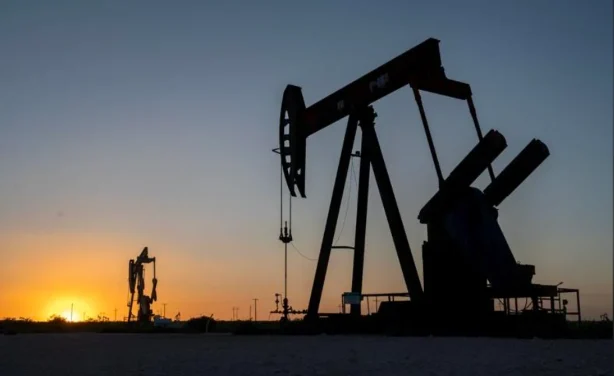
With under three months remaining until the 2024 U.S. presidential election, the nation’s energy heartland, the Permian Basin, finds itself at a critical juncture, its economic future inextricably linked to the political ideologies and policy agendas of the next administration. The outcome of this electoral contest is poised to profoundly impact the oil and gas industry in West Texas and Southeastern New Mexico, particularly concerning job security and investment within a sector that serves as the lifeblood of the regional economy.
The immediate concern for many residents and businesses in the Permian Basin revolves around how the policies of the elected president will translate into tangible effects on local industries. Chris Talley of ABC Big 2 recently highlighted these anxieties, interviewing Kirk Edwards, President and CEO of Latigo Petroleum in Odessa, who articulated the widespread apprehension. "This affects everybody in our population here, especially in Southeastern New Mexico and West Texas," Edwards stated, underscoring the pervasive nature of energy policy decisions on daily life and livelihoods in the region. Having operated his company since the 1980s, Edwards possesses a long-term perspective on the ebb and flow of national politics and its direct influence on his business operations. He remarked, "Somehow in the past few decades it became a ‘political football’ and we’ve seen it go both ways – there’s no doubt about it." This sentiment reflects a deep-seated understanding within the industry that energy policy is often a battleground for competing national priorities, swinging between aggressive production and environmental stewardship.
The Permian Basin: A National Energy Epicenter
To comprehend the stakes, one must first grasp the colossal significance of the Permian Basin. Spanning approximately 75,000 square miles across West Texas and southeastern New Mexico, it is one of the largest and most productive oil and natural gas basins in the world. Historically, the Permian has been a cornerstone of American energy independence, experiencing multiple booms and busts since the early 20th century. The advent of horizontal drilling and hydraulic fracturing (fracking) in the 21st century revolutionized the basin, unlocking vast reserves from shale formations and transforming it into the dominant source of U.S. crude oil and a major contributor to natural gas production.
Today, the Permian Basin accounts for roughly 40% of the nation’s total crude oil production, regularly exceeding 5 million barrels per day (bpd), and a significant portion of its natural gas output. This prodigious production translates directly into immense economic activity. The industry supports hundreds of thousands of direct and indirect jobs, ranging from roughnecks and engineers to truck drivers, welders, and administrative staff. It generates billions in state and local tax revenues, funding schools, infrastructure, and public services across Texas and New Mexico. Furthermore, the Permian’s output plays a crucial role in stabilizing global energy markets and bolstering U.S. geopolitical influence. Any national policy shift that impacts its operational capacity sends ripples far beyond the basin itself, affecting national energy security, consumer prices, and international relations.
A Chronology of Policy Swings: From Deregulation to Green Transition
The past two presidential administrations offer a stark illustration of how differing energy philosophies translate into concrete policy and economic impact.
-
The Trump Administration (2017-2021): Donald Trump’s presidency championed an "energy dominance" agenda, prioritizing increased domestic oil and gas production and exports. This approach was characterized by a concerted effort to reduce regulatory burdens on the industry. Key actions included:
- Deregulation: Streamlining environmental reviews, easing permitting processes for drilling on federal lands, and rolling back regulations deemed costly or cumbersome by the industry.
- Promotion of Fossil Fuels: Actively encouraging the development of new pipelines and infrastructure projects, advocating for the use of coal and other traditional energy sources, and withdrawing the U.S. from the Paris Agreement on climate change, signaling a less restrictive stance on emissions.
- Leasing Policies: Aggressively pushing for new oil and gas lease sales on federal lands, aiming to expand access for exploration and production.
The Permian Basin experienced a period of robust growth and investment under these policies, with production soaring and job numbers climbing. Industry sentiment was largely positive, anticipating continued expansion with reduced administrative hurdles and perceived governmental support.
-
The Biden Administration (2021-Present): Upon taking office, President Joe Biden immediately shifted course, making climate change a central pillar of his administration’s policy. His agenda emphasized a transition towards green energy and a reduction in reliance on fossil fuels. Notable actions and policies impacting the oil and gas sector include:

- Pause on New Leases: An executive order placed a temporary pause on new oil and gas leasing on federal lands, and a comprehensive review of existing programs. While existing permits and leases continued, the signal was clear: future federal land access would be more restricted.
- Increased Regulatory Scrutiny: The administration reintroduced and strengthened environmental regulations, including rules targeting methane emissions from oil and gas operations.
- Higher Costs for Public Land Drilling: Companies faced increased costs associated with drilling on public lands, including higher bonding requirements and stricter environmental compliance mandates.
- Investment in Green Energy: A significant push through legislation like the Inflation Reduction Act to incentivize renewable energy development, electric vehicles, and carbon capture technologies, signaling a long-term shift away from fossil fuels.
For the Permian Basin, these policies introduced a period of uncertainty and, from the industry’s perspective, increased operational costs and regulatory hurdles. While production remained high due to existing wells and private land drilling, the future outlook for federal land development became more constrained, impacting long-term investment decisions.
The 2024 Election: A Crossroads for Energy Policy
The upcoming election presents a stark choice that could either reinforce current trends or trigger another dramatic policy reversal. The positions of the presumptive nominees and their parties hold profound implications for the Permian.
-
The Democratic Platform (Inferred from Biden/Harris positions): Should the Democratic ticket secure victory, the Permian Basin could anticipate a continuation, and potentially an acceleration, of the current administration’s climate-focused energy policies. While the explicit goal is a "just transition" to clean energy, industry observers fear this translates to continued regulatory pressure on fossil fuels.
- Kamala Harris’s Evolving Stance on Fracking: The original article notes Vice President Kamala Harris’s recent shift on oil fracking, moving away from her 2020 campaign stance to ban it. This evolution is likely a pragmatic political move, especially given Pennsylvania’s status as the second-largest natural gas producer behind Texas and a critical swing state. While a full ban might be off the table, a Democratic administration would likely continue to impose stringent environmental regulations on fracking operations, potentially increasing compliance costs and limiting its expansion.
- Emphasis on Renewables and Electrification: Continued significant investment in solar, wind, and battery storage, alongside mandates and incentives for electric vehicles and energy efficiency.
- Carbon Pricing/Taxation: While not explicitly a current policy, future Democratic administrations might explore mechanisms like carbon pricing or increased taxes on fossil fuel production to incentivize emissions reductions.
- Federal Land Management: Continued limitations or increased costs for new oil and gas leases and permits on federal lands, directly impacting Permian operators with federal acreage.
-
The Republican Platform (Inferred from Trump’s past actions): A return of a Republican administration, particularly one led by Donald Trump, would almost certainly signal a renewed push for "energy dominance" and deregulation.
- "Drill, Baby, Drill" Revival: An explicit policy goal to maximize domestic oil and gas production to achieve energy independence and lower consumer prices.
- Regulatory Rollbacks: A rapid dismantling of environmental regulations deemed restrictive, including those related to methane emissions and federal land leasing.
- Expedited Permitting: Efforts to accelerate the approval process for new drilling permits, pipelines, and other energy infrastructure projects.
- Support for Fossil Fuel Exports: Encouragement of U.S. crude oil and liquefied natural gas (LNG) exports to global markets, leveraging American energy as a foreign policy tool.
For the Permian Basin, a Republican victory would likely be met with enthusiasm from many industry stakeholders, anticipating reduced operating costs, expanded access to resources, and a more favorable regulatory environment for investment and growth.
Economic Implications for the Permian Basin and Beyond
The divergent paths presented by the two parties carry profound economic implications for the Permian Basin:
- Employment: Policies favoring increased production (Republican) would likely lead to job growth in the oil and gas sector and its ancillary industries. Conversely, policies limiting production or increasing regulatory burdens (Democratic) could slow job creation or, in extreme scenarios, lead to job losses as companies cut back or automate.
- Investment and Capital Flow: A pro-production stance tends to attract significant capital investment into exploration, drilling, and infrastructure, fostering economic dynamism. Restrictive policies can deter investment, causing capital to flow to regions or countries with more favorable regulatory environments.
- Tax Revenue: The health of the oil and gas industry directly correlates with the tax revenues generated for state and local governments. A thriving Permian means more funds for public services; a constrained one can lead to budget shortfalls.
- Supply Chain Resilience: The Permian supports a vast network of service companies, equipment manufacturers, transportation providers, and other businesses. Policy impacts on primary producers inevitably ripple through this intricate supply chain.
- Energy Security and Affordability: The Permian’s output is critical for U.S. energy security, reducing reliance on foreign sources. Policies that constrain domestic production could impact global supply, potentially leading to higher energy prices for consumers and increased geopolitical vulnerabilities.
- Innovation and Diversification: While a fossil fuel-focused policy might slow diversification efforts, a green energy transition policy could spur innovation in areas like carbon capture, hydrogen production, and geothermal energy within the basin, potentially creating new industries and jobs in the long term.
Stakeholder Reactions and Broader Impact
The political and economic climate in the Permian Basin is a complex tapestry woven from various stakeholder perspectives:
- Industry Leaders: Like Kirk Edwards, most industry executives express a desire for regulatory certainty and policies that support domestic production, emphasizing energy independence and economic stability. They often argue that sudden, drastic shifts in policy create an unpredictable business environment that stifles long-term planning and investment.
- Local Communities: Residents of cities like Odessa and Midland, TX, and Hobbs, NM, are acutely aware of their dependence on the oil and gas industry. Their concerns often center on job availability, the funding of local schools and infrastructure, and the overall prosperity of their towns. They seek policies that ensure economic stability and growth.
- Environmental Advocates: Groups focused on climate change and environmental protection consistently advocate for policies that accelerate the transition away from fossil fuels, reduce greenhouse gas emissions, and protect natural ecosystems. They support stricter regulations on drilling, methane emissions, and public land leasing, often viewing the Permian Basin as a key area for environmental impact reduction.
- Economists and Policy Analysts: These experts often provide a nuanced view, analyzing the trade-offs between economic growth, energy security, and environmental sustainability. They highlight the potential for boom-and-bust cycles in resource-dependent economies and the long-term challenges of transitioning to a lower-carbon future while maintaining economic vitality.
The impending presidential election is more than just a contest for the White House; it is a critical referendum on the nation’s energy future, with the Permian Basin at its very core. The choice made by voters will dictate the regulatory landscape, investment climate, and ultimately, the economic trajectory of one of America’s most vital energy-producing regions. The "political football" of energy policy will continue to be tossed, and the Permian Basin waits with bated breath to see which direction it will fly, understanding that its own prosperity hangs in the balance.