
San Diego’s dynamic dining scene continues its robust expansion, welcoming a wave of new establishments and celebrating significant menu evolutions at beloved local favorites. From high-end international Japanese concepts to charming coastal eateries and vibrant wine bars, the city’s culinary offerings are diversifying, catering to an increasingly sophisticated and varied palate. This report provides an in-depth look at several noteworthy venues that are currently shaping the region’s gastronomic identity.
Zuma San Diego: A Global Japanese Phenomenon Arrives Downtown
Main Facts and Concept:
Zuma, an internationally acclaimed contemporary Japanese izakaya concept, has recently established its sixth U.S. outpost within downtown San Diego’s historic Guild Hotel. Known for its sophisticated yet informal dining experience, Zuma offers a diverse menu categorized into three distinct culinary styles: a main kitchen for hot dishes, a sushi counter, and a robata grill. All dishes are meticulously prepared and designed for shared enjoyment, reflecting the traditional izakaya ethos. The San Diego location, consistent with Zuma’s global brand, immediately garnered significant attention, quickly becoming a coveted reservation. Within two weeks of its opening, the restaurant was already operating at standing-room-only capacity by early evening, underscoring its immediate impact on the local fine-dining scene.
Chronology and Background:
Founded in London in 2002 by Rainer Becker and Arjun Waney, Zuma quickly ascended to prominence, earning critical acclaim for its innovative approach to Japanese cuisine. Its global expansion saw the brand establish a presence in major culinary capitals worldwide, including New York, Miami, Rome, Las Vegas, and Dubai, before its recent arrival in San Diego. The decision to open in San Diego reflects a broader trend of high-end international restaurant groups recognizing the city’s burgeoning appeal as a luxury destination and a vibrant culinary market. The Guild Hotel, a historic landmark meticulously restored, provides an ideal backdrop for Zuma’s elegant and minimalist aesthetic, blending timeless architecture with contemporary design. The San Diego opening, occurring in late 2026, marks a significant milestone for the city, bringing a globally recognized culinary standard to its downtown core.
Culinary Highlights and Supporting Data:
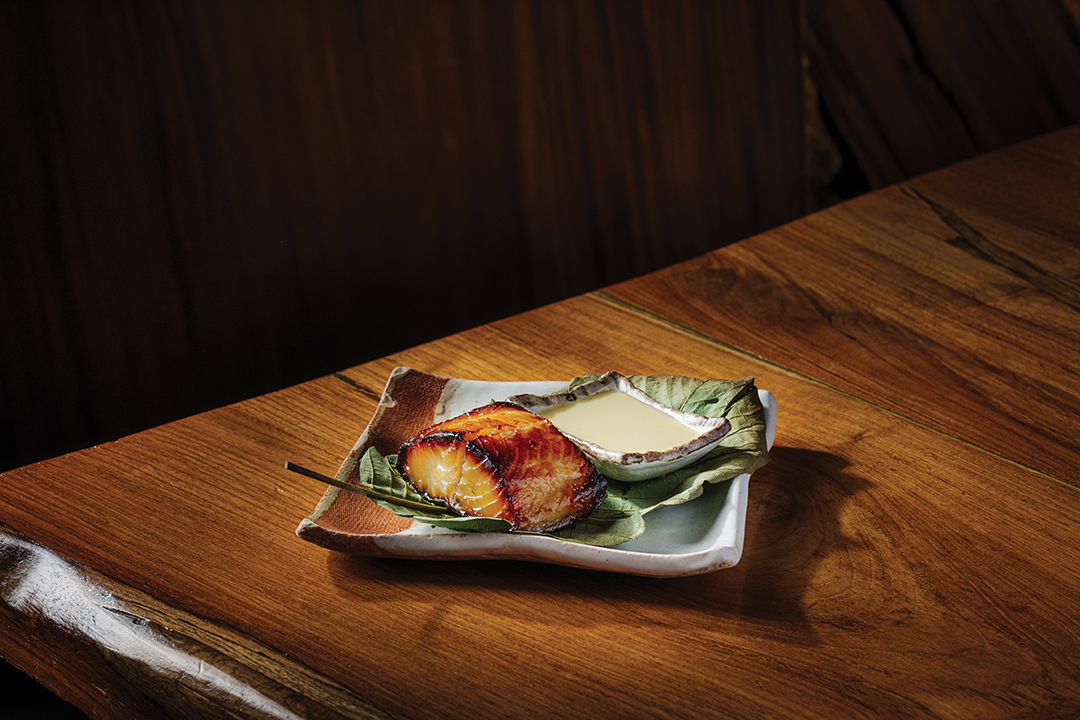
Zuma’s menu is celebrated for its artistic presentations and refined flavors. Signature offerings include an array of expertly crafted sushi and sashimi, often presented on stunning multilevel platters that are as much a visual feast as they are a culinary one. The robata grill section features a selection of meats, poultry, and vegetables cooked over hot charcoal, imparting a distinctive smoky flavor. However, a particular standout noted by diners is the Miso-Marinated Black Cod. This dish, presented elegantly wrapped in a hoba leaf, consistently delivers a rich, buttery, and umami-packed experience, with the cod flaking into succulent, juicy chunks. The meticulous attention to detail extends beyond the food, encompassing the restaurant’s minimalist yet luxurious interior design, which typically features natural materials like stone and wood, creating an atmosphere of understated elegance. Price points at Zuma are consistent with high-end dining, with entrées typically ranging from $40 to $100 and specialty sushi platters commanding higher prices, reflecting the quality of ingredients and the culinary craftsmanship.
Inferred Statements and Implications:
While specific statements from Zuma management regarding the San Diego opening are not explicitly provided, the brand’s consistent expansion strategy suggests a confidence in key global markets and a commitment to delivering a uniform standard of excellence. The choice of San Diego highlights the city’s increasing status as a destination for luxury hospitality and culinary experiences. For The Guild Hotel, hosting Zuma significantly elevates its profile, transforming it into a premier dining and hospitality hub. The arrival of Zuma intensifies competition within San Diego’s high-end Japanese dining sector, pushing existing establishments to innovate further and attracting a more international clientele to the city’s downtown. This move underscores San Diego’s emergence as a formidable player in the national fine-dining landscape.
By The Sea: Coronado’s New Coastal Gem
Main Facts and Concept:
By The Sea, a highly anticipated addition to Coronado’s vibrant dining scene, has quickly established itself as a difficult table to secure, living up to considerable pre-opening buzz. The restaurant embraces an "easy-breezy, Ralph Lauren-meets-Coronado-beach vibe," characterized by an interior design palette dominated by whitewashed walls, floors, and furniture. This bright, airy aesthetic provides a serene and sophisticated backdrop for its "gorgeous cuisine," which appears to lean into Mediterranean and coastal influences, emphasizing fresh, high-quality ingredients.
Chronology and Background:
The opening of By The Sea was previously reported in early 2026, indicating its launch in the preceding month, likely late spring or early summer of that year. Coronado, known for its idyllic beaches, upscale residential areas, and luxury resorts like the Hotel del Coronado, has always been a desirable location for quality dining establishments. However, the scene has seen a recent influx of innovative concepts aiming to blend the island’s relaxed charm with elevated culinary experiences. By The Sea positions itself perfectly within this niche, offering a refined yet approachable atmosphere that resonates with both local residents and discerning tourists seeking an authentic Coronado experience. Its rapid popularity suggests it has successfully tapped into a demand for fresh, elegantly prepared dishes within a chic, laid-back setting.
Culinary Highlights and Supporting Data:
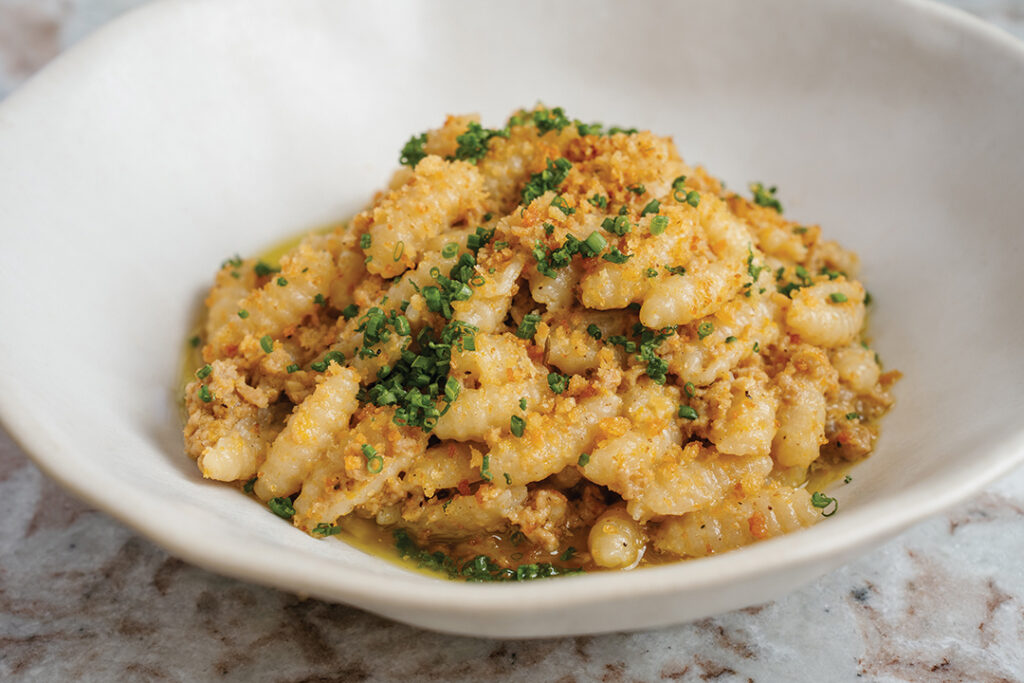
The menu at By The Sea features dishes that, while seemingly simple, reveal layers of complexity upon tasting. A prime example is the Lamb Cavatelli. Described as a "delicate masterpiece," this dish features homemade pasta, tender lamb, aromatic fennel, fresh chives, and a sprinkle of breadcrumbs, demonstrating a meticulous approach to ingredient selection and preparation. However, the undisputed star and "must-order" item is The Mezze Platter. This generous appetizer features a variety of house-made dips—including hummus, herbed labneh, creamy feta dip, and miso baba ghanoush—accompanied by pickled vegetables, briny olives, and substantial, freshly baked pita bread. The emphasis on communal dining and robust flavors makes the Mezze Platter a perfect representation of the restaurant’s convivial and fresh ethos. Diners are encouraged to tear and generously plunge the pita into the dips, often requiring extra servings of the bread to savor every last drop. Average entrée prices are expected to be in the $30-$50 range, aligning with Coronado’s upscale casual dining market.
Inferred Statements and Implications:
While no direct statements are available, the restaurant’s design and menu suggest a vision focused on creating a relaxed yet sophisticated dining haven that celebrates fresh, quality ingredients. The management and culinary team likely aim to provide an escape that complements Coronado’s coastal allure. The immediate success and persistent difficulty in booking a table at By The Sea indicate a strong market demand for its specific brand of coastal-inspired, refined cuisine. Its presence further solidifies Coronado’s reputation as a culinary destination, offering residents and visitors diverse, high-quality dining options beyond traditional resort fare. The restaurant contributes to the ongoing evolution of Coronado’s identity, blending its classic charm with contemporary culinary trends.
Wine Girl: Downtown’s Playful and Instagrammable Wine Bar
Main Facts and Concept:
Wine Girl, a new wine bar in downtown San Diego, introduces a bright, playful, and highly "Instagrammable" aesthetic to the city’s entertainment district. Its interiors are characterized by an abundance of flowers, a cheerful palette of pink and white, and elegant marble accents, creating a vibrant and inviting atmosphere. The establishment aims to be a versatile social hub, attracting a diverse clientele ranging from pre-Padres game crowds ("madres" as humorously noted) to well-dressed couples on weekend date nights. Wine Girl offers a carefully curated selection of wines, along with beer and wine cocktails, complemented by a small menu of shareable plates such as cheese boards, charcuterie, and wood-fired pizzas, all designed for pairing.
Chronology and Background:
The opening of Wine Girl in downtown San Diego reflects the increasing demand for experiential dining and social venues that blend quality offerings with an appealing aesthetic. Its strategic location near Petco Park and the theater district positions it as an ideal pre- or post-event destination. The rise of themed bars and "Instagrammable" spaces is a significant trend in urban hospitality, catering to a younger demographic and those seeking visually engaging social experiences. Wine Girl, which likely opened in mid-2026, capitalizes on this trend by creating an environment that is both welcoming and visually distinctive. The focus on an approachable wine list and shareable small plates also aligns with contemporary preferences for casual, flexible dining.
Offerings and Supporting Data:
Wine Girl’s beverage program centers around an "approachable wine list," suggesting a selection that caters to a broad range of tastes, from novice wine drinkers to more seasoned connoisseurs, without being overly intimidating. In addition to traditional wines, the inclusion of beer and wine cocktails broadens its appeal. The food menu, while concise, is thoughtfully designed to complement the beverages, featuring classic wine bar staples. Wood-fired pizzas offer a more substantial option, while cheese and charcuterie boards provide elegant, easy-to-share accompaniments. The staff is consistently described as friendly and knowledgeable, enhancing the overall guest experience. The average price for a glass of wine is likely in the $12-$20 range, with small plates from $15-$30, positioning it as an accessible yet refined option for downtown patrons.
Inferred Statements and Implications:
The concept behind Wine Girl suggests an intention to create a vibrant, social space that is both stylish and unpretentious. The owners likely aimed to fill a niche in downtown San Diego for a wine bar that prioritizes a fun, aesthetically pleasing environment alongside quality beverages and food. Its immediate popularity among diverse groups, from sports fans to date-nighters, demonstrates its success in appealing to multiple demographics. Wine Girl contributes to the revitalization of downtown San Diego’s nightlife, offering a fresh, contemporary option for socializing and casual dining. Its "Instagrammable" nature also provides valuable organic marketing, drawing in visitors eager to share their experiences online and further solidifying its presence in the urban entertainment landscape.
Lionfish: Chef JoJo Ruiz’s Enhanced Modern Coastal Vision
Main Facts and Concept:
Lionfish, a prominent restaurant located within the Pendry San Diego hotel in the Gaslamp Quarter, continues to solidify its reputation under the culinary direction of Chef JoJo Ruiz. Known for its "Modern Coastal Cuisine," the restaurant’s updated menu further bolsters Chef Ruiz’s acclaimed approach, emphasizing fresh seafood sourced from California’s coastal waters and local farms. The menu is rounded out with select steaks and a sushi program, offering a comprehensive upscale dining experience. Lionfish serves as a versatile destination, suitable for both quick, pre-event bites and full, celebratory dinners.

Chronology and Background:
Chef JoJo Ruiz has long been a celebrated figure in San Diego’s culinary scene, recognized for his innovative use of seafood and commitment to sustainable practices. His tenure at Lionfish has consistently drawn praise, transforming it into a flagship dining establishment within the Gaslamp Quarter. The recent enhancements to the menu, likely implemented in late 2026 or early 2027, represent a continuous evolution of his culinary philosophy, keeping the restaurant at the forefront of modern coastal dining trends. The Gaslamp Quarter, a bustling entertainment and dining district, benefits from establishments like Lionfish that offer high-quality, sophisticated options, attracting both hotel guests and local patrons.
Culinary Highlights and Supporting Data:
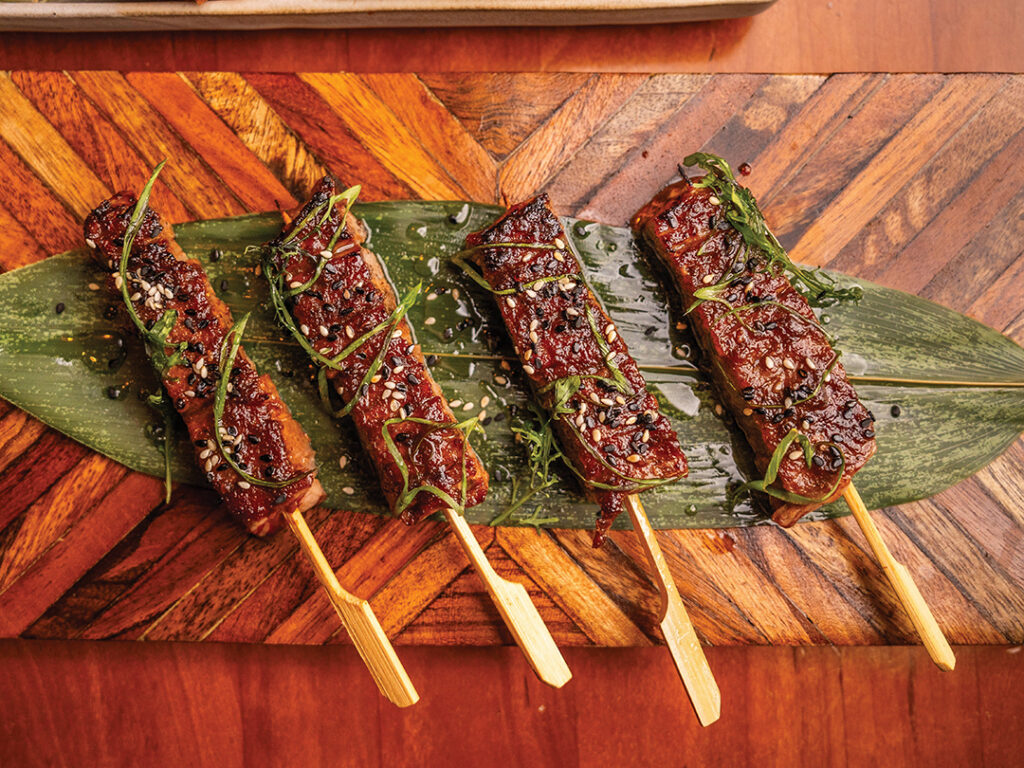
The updated menu at Lionfish showcases Chef Ruiz’s ability to craft dishes that are both innovative and deeply satisfying. While the restaurant is a popular stop for quick sushi hand rolls before events, more recent additions demonstrate a heightened level of culinary artistry. The Mexican Corn Soup, for instance, is a testament to this, described as "both rich and light at the same time." Made with roasted corn, vibrant lime, a hint of chile powder, and garnished with micro cilantro, it offers a sophisticated take on a classic flavor profile. Another standout is the Korean-style Bulgogi Short Rib Skewers. These skewers are celebrated for their "sweet, savory, and garlicky" notes, packed with umami, and are noted as an excellent pairing with beer. The restaurant’s commitment to sourcing fresh, local ingredients from California’s coastal waters and farms is a cornerstone of its "Modern Coastal Cuisine" identity, ensuring peak flavor and supporting regional producers. Main courses at Lionfish typically range from $45 to $80, reflecting its upscale positioning.
Inferred Statements and Implications:
Chef JoJo Ruiz’s continued leadership and menu refinement at Lionfish suggest a dedication to evolving and elevating the restaurant’s culinary offerings, solidifying its position as a top-tier dining destination in San Diego. His philosophy likely centers on showcasing the pristine quality of California’s marine bounty while incorporating global influences. The positive reception of the new dishes reinforces Lionfish’s reputation for culinary excellence and innovation. For the Gaslamp Quarter, Lionfish remains a key draw, offering a refined dining option that complements the area’s energetic atmosphere. Its success also underscores the broader trend of chef-driven restaurants pushing the boundaries of regional cuisine, attracting food enthusiasts and critics alike.
South of Nick’s: A Monumental Pollo Asado Burrito in Carmel Valley
Main Facts and Concept:
South of Nick’s, located in Carmel Valley, is part of the established Nick’s Restaurants group, known for its high-quality Mexican cuisine. The restaurant is particularly notable for its generous portions and commitment to classic flavors. While the menu offers a range of traditional Mexican dishes, one item stands out for its sheer size and enduring appeal: the Pollo Asado Burrito. This particular burrito has achieved legendary status among diners, combining immense quantity with surprising lightness.
Chronology and Background:
The Nick’s Restaurants group has a long-standing presence in Southern California, with multiple successful locations offering a consistent standard of quality and service. The Carmel Valley outpost of South of Nick’s, established as a popular local spot, caters to the affluent and family-oriented demographic of the area. Mexican cuisine holds a profound cultural and culinary significance in Southern California, and establishments that master its authentic flavors while offering a welcoming atmosphere often thrive. South of Nick’s, likely opening its Carmel Valley location several years prior, has carved out a niche by delivering familiar comfort food with an elevated touch and memorable portions.
Culinary Highlights and Supporting Data:
The Pollo Asado Burrito at South of Nick’s is an experience in itself. Described as "a monster" and compared in size to a "Jordan 4 shoe," it defies expectations by not being excessively heavy or overly filling despite its substantial dimensions. The burrito is generously stuffed with shredded white chicken breast, a modest amount of cheese, and fresh pico de gallo. The accompanying red sauce is noted for its lightness and balanced spice, enhancing the flavors without overwhelming them. The ability for diners to consume the entire "behemoth" burrito on multiple occasions speaks to its appealing balance of ingredients and overall deliciousness, making it a surprisingly digestible, yet incredibly satisfying, meal. Other menu items at South of Nick’s typically include a range of tacos, enchiladas, fajitas, and specialty entrees, with prices generally ranging from $20 to $40 for main dishes.
Inferred Statements and Implications:
The philosophy behind South of Nick’s, and the Nick’s Restaurants group as a whole, likely emphasizes delivering consistent, high-quality Mexican food in a comfortable, family-friendly environment, often characterized by generous portions. The popularity of the Pollo Asado Burrito suggests a successful strategy of offering familiar dishes that exceed expectations in both size and flavor. For Carmel Valley, South of Nick’s serves as a reliable and beloved local institution, providing a go-to spot for authentic and satisfying Mexican fare. Its enduring appeal highlights the strong regional demand for well-executed comfort food that offers value and a memorable dining experience. The restaurant’s success demonstrates how a focus on classic dishes, perfected and generously served, can create lasting loyalty in a competitive culinary market.
Broader Culinary Trends and San Diego’s Future
The recent developments in San Diego’s restaurant scene illustrate several key trends. The arrival of international brands like Zuma signals San Diego’s growing prominence as a global culinary destination, attracting high-caliber establishments and elevating the city’s fine-dining profile. Concurrently, the success of local gems like By The Sea and Wine Girl showcases a strong demand for unique, concept-driven venues that blend quality food and drink with distinctive atmospheres. Furthermore, the continued evolution of established restaurants like Lionfish under celebrated local chefs, and the enduring popularity of institutions like South of Nick’s, underscore a diverse market that values both innovation and tradition. As San Diego continues to expand its culinary offerings, it solidifies its position as a vibrant and dynamic gastronomic hub, promising an exciting future for food enthusiasts and industry professionals alike.