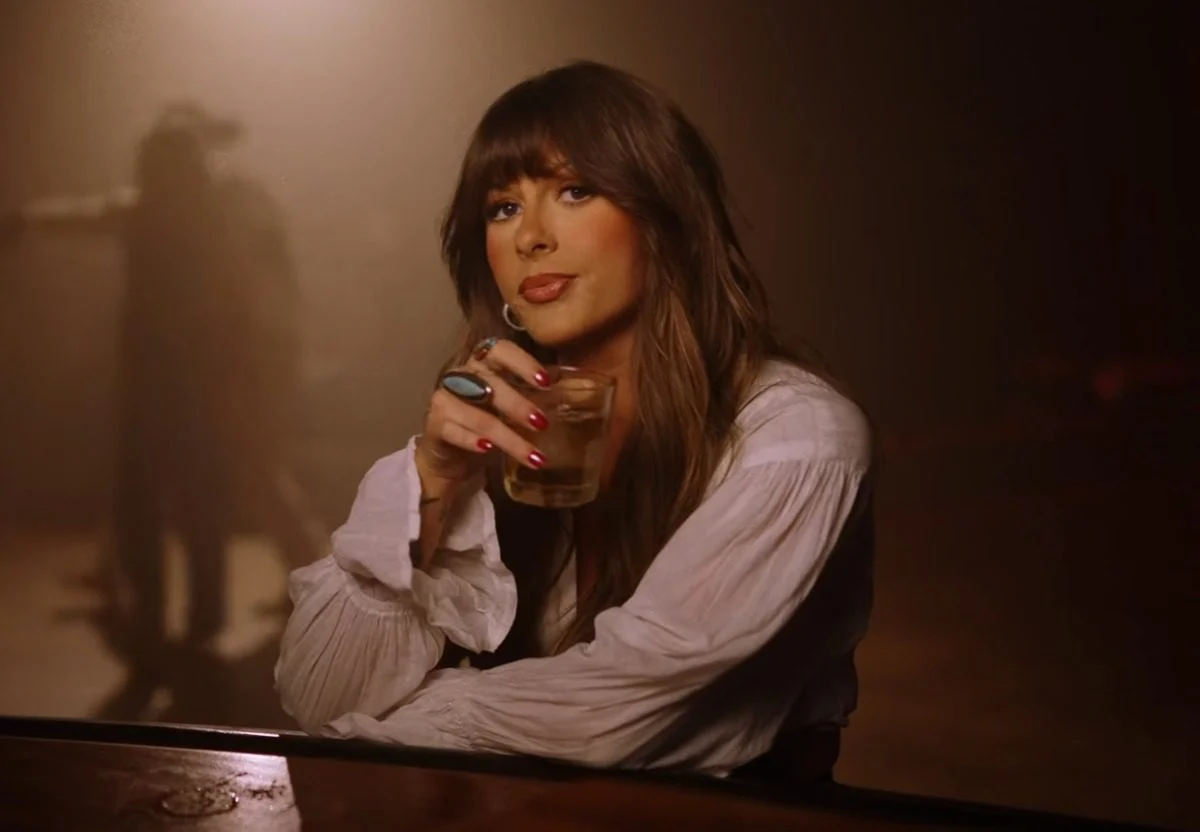
The country music community and concertgoers in Tulsa, Oklahoma, were met with unexpected news on the evening of October 9, 2026, as rising star Ella Langley announced the immediate cancellation of her scheduled performance at the BOK Center. The decision, which came just hours before the show was set to begin, was prompted by what the artist’s team described as a "serious security threat." While local law enforcement later determined the threat to be a false alarm, the incident underscores the heightened sensitivity surrounding public safety at large-scale entertainment venues and the complex decision-making processes that occur between artists, venues, and security personnel during potential crises.
Incident Overview and Immediate Response
The situation began to unfold in the late afternoon when a "false bomb threat call" was directed toward the BOK Center, a premier multi-purpose arena in downtown Tulsa. Upon receiving the report, the Tulsa Police Department (TPD) mobilized quickly to secure the perimeter and assess the validity of the claim. According to official statements from the TPD, officers conducted a comprehensive preliminary sweep of the facility. This operation included the deployment of specialized K-9 units trained in explosive detection to ensure the environment was safe for staff and early-arriving patrons.
Following the sweep, the Tulsa Police Department reported that they found no evidence of any explosive devices or credible dangers. In a statement provided to local news outlet KOTV, police representatives confirmed that the investigation led them to believe the call was a hoax. Consequently, the TPD informed both the BOK Center management and Ella Langley’s management team that they did not advise a cancellation of the event, as the premises had been cleared and deemed secure by law enforcement standards.
Despite the "all-clear" from local authorities, the decision was ultimately made to call off the concert. This move highlighted a rare discrepancy between police recommendations and the risk-assessment protocols of the artist’s private security and the venue’s administration.
Chronology of the Cancellation
The timeline of events on October 9 suggests a rapidly evolving situation that required immediate communication between various stakeholders.
- Mid-Afternoon: A threatening phone call is received by the BOK Center or local dispatch, specifically mentioning the evening’s concert.
- Late Afternoon: Tulsa Police arrive on the scene. K-9 units begin a sweep of the 19,000-seat arena, focusing on backstage areas, the stage, and seating sections.
- Early Evening: Police conclude their sweep, finding no indication of a threat. They relay this information to the venue and the artist’s team, suggesting that the event can proceed as scheduled.
- Pre-Show Window: After internal consultations involving Ella Langley, her personal security detail, and BOK Center officials, the decision is made to prioritize caution over the police’s preliminary findings.
- Official Announcement: Ella Langley takes to social media and official channels to announce the cancellation, citing the safety of fans and personnel as the primary driver.
Official Statements and Artist Reaction
Ella Langley addressed her fanbase through a formal statement posted on Instagram, emphasizing that the decision was not made lightly. The tone of the message reflected a balance of professional regret and a firm commitment to safety.
"Due to a serious security threat involving the safety of fans, venue personnel, and the artist, Ella Langley’s scheduled performance tonight at BOK Center in Tulsa has been canceled," the official statement read. "The safety and well-being of everyone involved is our absolute priority, and after careful consideration, we have determined that the show cannot proceed. We understand the disappointment this news brings and apologize to fans who planned to attend."
In a more personal follow-up, Langley expanded on the difficulty of the choice, acknowledging the logistical and financial burdens placed on her audience. "I know how much time, travel, money, and planning goes into coming to a show, and I can’t tell you how sorry I am," she wrote. "This decision was made under the advisement of local authorities, the venue, and my security team. I refuse to put anyone in harm’s way."
The mention of "advisement of local authorities" in her personal post contrasted slightly with the TPD’s public stance that they did not recommend cancellation. However, industry experts note that "advisement" often refers to the raw data provided by police, which a private security team then interprets through the lens of the artist’s specific risk profile.
The Context of Modern Concert Security
The cancellation in Tulsa occurs against a backdrop of increasing vigilance in the live music industry. Since the tragic events at the Manchester Arena in 2017 and the Route 91 Harvest Festival in Las Vegas that same year, security protocols for touring artists have become significantly more stringent.
Modern concert tours often employ private security firms that work alongside local law enforcement but maintain their own set of "red line" triggers for cancellation. In many cases, even a "false" threat can cause enough psychological distress or logistical disruption to justify a cancellation. For an artist like Langley, whose career is currently on a steep upward trajectory, the liability and moral weight of a potential incident far outweigh the immediate revenue from a single tour stop.
Furthermore, the phenomenon of "swatting" or making hoax threats to public venues has become a recurring issue for law enforcement across the United States. These hoaxes are designed to cause maximum disruption and fear. While police are obligated to investigate every claim, the decision to cancel remains a private business decision made by the event organizers and the talent.
Economic and Logistical Impact on Fans
The BOK Center, which serves as a major economic driver for downtown Tulsa, often sees thousands of visitors from surrounding states for high-profile country music events. For many fans, the cancellation resulted in significant "sunk costs," including hotel reservations, fuel, and dining expenses.
While the artist and venue have confirmed that ticket refunds will be processed, these refunds typically only cover the face value of the ticket and associated service fees. They do not compensate for the ancillary travel costs incurred by fans. Langley acknowledged this in her apology, recognizing the "time, travel, money, and planning" her fans invest.
The BOK Center has stated that additional information regarding the refund process will be communicated to ticket holders via their point of purchase. Typically, for major arena shows, these refunds are processed automatically for those who purchased through official platforms like Ticketmaster, though the timeline can vary between 7 to 30 business days.
Ella Langley’s Rising Profile and the Dandelion Tour
Ella Langley has recently emerged as one of the most significant new voices in country music. Her success has been bolstered by the viral hit "You Look Like You Love Me," a collaboration with Riley Green that dominated social media and streaming charts throughout 2024 and 2025. Her debut album, hungover, and the subsequent "Dandelion Tour" have solidified her status as a headlining act capable of filling arenas.
The Tulsa date was a key stop on the Dandelion Tour, which features a robust lineup of supporting acts including Kameron Marlowe, Gabriella Rose, and Laci Kaye Booth. The tour is a milestone for Langley, representing her transition from opening act to a major touring force.
The remaining dates for the Dandelion Tour are currently expected to proceed as scheduled, barring any further security concerns:
- 10/10/26: Lubbock, TX – United Supermarkets Arena
- 10/13/26: Los Angeles, CA – The Greek Theatre
- 10/14/26: Los Angeles, CA – The Greek Theatre
- 10/29/26: Des Moines, IA – Casey’s Center
- 10/30/26: Lincoln, NE – Pinnacle Bank Arena
- 10/31/26: Saint Paul, MN – Grand Casino Arena
Analysis of the Decision to Cancel
The discrepancy between the Tulsa Police Department’s findings and the artist’s decision to cancel provides a case study in modern risk management. From a law enforcement perspective, once a sweep is completed and no physical threat is found, the "mission" is accomplished. However, for an artist’s team, the "threat" may persist in the form of a compromised security perimeter or the potential for a secondary, unannounced threat.
There is also the factor of the "fan experience." If a venue has been under a bomb threat for several hours, the atmosphere of the event is inevitably altered. Security checks become more invasive, delays occur, and an underlying sense of anxiety can permeate the crowd. By choosing to cancel, Langley’s team opted for a "zero-risk" strategy, prioritizing the long-term safety and trust of her audience over the short-term benefits of completing the performance.
While some fans expressed frustration on social media, the prevailing sentiment in the industry remains that erring on the side of caution is the only defensible position in the current security climate.
Future Implications for the BOK Center
The BOK Center will likely conduct an internal review of the incident to determine how communication can be streamlined between the facility, local police, and visiting tours. As a venue that hosts dozens of high-profile events annually, maintaining a reputation for both safety and reliability is paramount.
The incident also highlights the ongoing challenge of "hoax threats" in the digital age. Law enforcement agencies continue to seek better ways to trace these calls and prosecute those responsible, as the cost of such hoaxes—ranging from police resources to the economic loss of a canceled arena concert—is substantial.
As of now, there has been no word on whether the Tulsa date will be rescheduled for a later time in 2026 or 2027. Fans are encouraged to keep their digital tickets and monitor official social media channels for further updates regarding a potential return to Oklahoma.