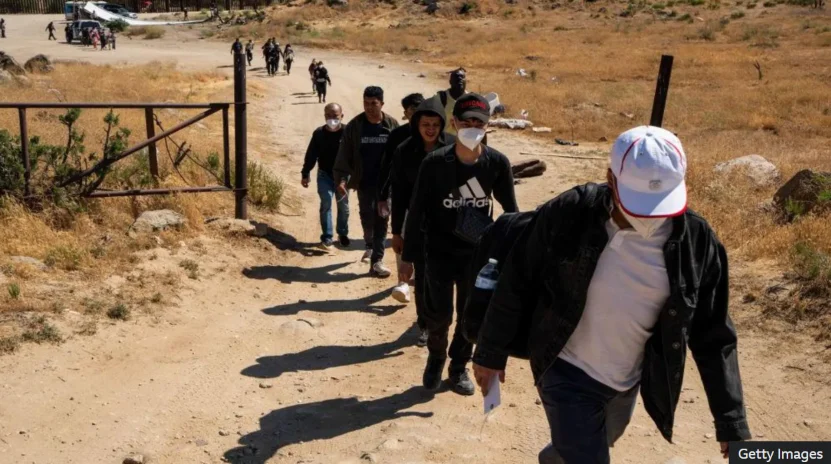
Official data released by US authorities indicates a substantial and sustained reduction in unlawful migrant crossings at the nation’s southern border, with July recording the lowest apprehension figures since September 2020. This marks the fifth consecutive month of decline, a trend that began after a peak in late 2022. The notable shift reflects the impact of evolving border enforcement strategies, new asylum policies, and increased collaboration with international partners.
A Steep Decline from Peak Levels
In July, US Border Patrol agents apprehended approximately 57,000 migrants attempting to cross unlawfully between official ports of entry along the southern border. This figure represents a dramatic decrease from the approximately 250,000 apprehensions recorded in December of the previous year, which had marked one of the highest monthly totals in recent history. The consistent downward trajectory highlights a significant change in migration patterns and enforcement outcomes. The monthly data illustrates this pronounced trend: after the December peak, apprehensions fell to 141,000 in February, followed by 137,000 in March, 129,000 in April, 118,000 in May, and 84,000 in June, culminating in the July low. This sustained reduction indicates a shift from the operational challenges faced during periods of exceptionally high encounters.
Background and Context of Recent Migration Surges
The US southern border has been a focal point of intense political and humanitarian debate for several years, experiencing unprecedented surges in migrant arrivals. These surges have been driven by a complex interplay of factors, including economic instability, political unrest, and gang violence in migrants’ countries of origin (primarily Central and South America, and increasingly, countries further afield). Additionally, evolving US immigration policies have often influenced migration flows. For instance, the COVID-19-era Title 42 public health order, which allowed for the rapid expulsion of migrants without an asylum hearing, created a dynamic where some migrants made repeated crossing attempts, artificially inflating apprehension numbers. Its eventual termination on May 11, 2023, was widely anticipated to potentially lead to another surge, yet the data suggests the opposite occurred, largely due to proactive policy adjustments.
Prior to this current decline, the border saw record-high encounters. Fiscal Year 2022 recorded over 2.3 million migrant encounters, surpassing previous records. The human toll of these crossings has also been significant, with thousands of migrants enduring perilous journeys, often at the hands of human smugglers, and facing extreme environmental conditions in desert regions. The infrastructure and resources of border communities and federal agencies have been consistently strained by the sheer volume of arrivals, leading to overcrowded processing facilities and extensive logistical challenges.
Policy Shifts and Enforcement Measures

The recent decline in unlawful crossings is largely attributed to a comprehensive set of policy changes implemented by the Biden administration, particularly in anticipation of and following the expiration of Title 42. These measures aimed to deter unlawful entries while simultaneously expanding legal pathways for asylum seekers.
Key policy shifts include:
- New Asylum Eligibility Rules: The administration introduced stricter asylum eligibility rules for migrants who cross unlawfully between ports of entry. Under these rules, migrants who traverse through another country without first seeking asylum there, or who fail to use established legal pathways, are presumed ineligible for asylum in the United States, subject to limited exceptions. This "transit ban" provision, enacted under Title 8 authority, significantly raised the bar for asylum claims for those entering irregularly.
- Expanded Expedited Removal: Authorities increased the use of expedited removal processes for migrants who do not establish a credible fear of persecution or torture. This allows for quicker deportations for those deemed ineligible to remain in the US.
- Increased Deportation Flights: There has been a notable increase in repatriation flights to various countries, including Venezuela, Cuba, Nicaragua, and Haiti, in cooperation with their respective governments. This signals a more robust enforcement posture for individuals who do not qualify for protection.
- Parole Programs for Specific Nationalities: Alongside stricter enforcement, the administration expanded parole programs for certain nationalities (e.g., Venezuelans, Cubans, Nicaraguans, Haitians). These programs allow individuals from these countries to apply for humanitarian parole to enter the US legally if they have a US sponsor and meet specific criteria. This strategy aims to incentivize migrants to use legal pathways rather than attempting dangerous, irregular crossings.
- International Cooperation: Enhanced diplomatic efforts with Mexico and other regional partners have also played a crucial role. Mexico has increased its own border enforcement efforts and agreed to accept a greater number of non-Mexican nationals expelled from the US under Title 8.
The Role of the CBP One App
A central component of the administration’s strategy for managing lawful entries is the CBP One mobile application. This smartphone application allows migrants to schedule appointments at ports of entry to present themselves for asylum processing, rather than attempting to cross unlawfully between ports. The data indicates that the Biden administration has been processing approximately 1,500 migrants each day through this app.
The CBP One app serves several critical functions:
- Orderly Processing: It aims to streamline and regularize the asylum process, moving it away from chaotic and dangerous irregular crossings.
- Reduced Smuggling Risks: By providing a legal avenue, it seeks to reduce reliance on human smugglers (coyotes) and mitigate the associated risks of exploitation, violence, and death.
- Data Collection: It allows for preliminary data collection and vetting, enhancing border security and operational efficiency.
However, the app has also faced criticism. Humanitarian organizations and migrant advocates have highlighted challenges such as limited appointment slots, technical glitches, language barriers, and unequal access to smartphones and internet connectivity, particularly for vulnerable populations. Despite these concerns, official statistics suggest it has become a significant channel for legal entry for thousands of individuals daily, distinguishing these entries from the unlawful crossing statistics.
Reactions from Officials and Stakeholders
The decline in unlawful crossings has elicited varied responses from government officials, immigration advocates, and political figures.

Department of Homeland Security (DHS) and CBP Officials: Officials within DHS and Customs and Border Protection have largely hailed the reduction as evidence of the effectiveness of the administration’s comprehensive strategy. They emphasize that the combination of expanded legal pathways, stricter asylum rules, and increased enforcement has created a more orderly and secure border environment. Secretary of Homeland Security Alejandro Mayorkas has consistently reiterated that the border is "not open" for unlawful entry and that those who attempt to cross illegally will face consequences. They point to the decrease as a testament to their efforts to disincentivize irregular migration while maintaining humanitarian obligations.
Immigration Advocates and Humanitarian Organizations: While acknowledging the statistical drop, many immigration advocacy groups express concerns about the human cost of the new policies. They argue that the stricter asylum rules may be denying legitimate asylum claims and pushing vulnerable individuals back into dangerous situations. They highlight the difficulties migrants face in accessing the CBP One app and obtaining appointments, suggesting that the "legal pathways" are not sufficiently robust or accessible to meet the demand. Concerns about due process, detention conditions, and the impact on family reunification also persist.
Political Figures and Opposition Parties: Republican lawmakers and critics of the administration’s border policies generally maintain that while any decrease is welcome, the overall situation remains a crisis. They argue that the administration’s policies have historically encouraged illegal immigration and that the current decline may be temporary or insufficient. They often call for even more stringent enforcement measures, increased border security infrastructure, and a return to policies like the "Remain in Mexico" program. Some suggest the timing of the decline may be influenced by political considerations rather than solely policy efficacy, though official government data does not support such speculation.
Broader Impact and Implications
The sustained reduction in unlawful border crossings carries several significant implications for various stakeholders and the broader immigration landscape.
- Operational Relief for Border Agencies: The decrease provides much-needed operational relief for Border Patrol agents and other federal agencies, allowing them to better manage resources, reduce overcrowding in processing facilities, and potentially focus more on counter-smuggling operations.
- Impact on Border Communities: For communities along the border that have borne the brunt of large migrant flows, the decline can ease the strain on local services, shelters, and emergency responders.
- Diplomatic Relations: The success of the current policies is often intertwined with sustained cooperation from Mexico and other regional governments. Continued engagement and shared responsibility will be crucial for maintaining these trends.
- Shifting Migration Routes: A potential implication of stricter enforcement at the US-Mexico border is the possibility of migrants seeking alternative, often more dangerous, routes to enter the US or other countries. Authorities remain vigilant about such shifts.
- Economic Impact: While reducing the immediate costs associated with processing and caring for large numbers of migrants, the new policies also affect the informal economies that sometimes emerge around migrant flows in border towns.
Future Outlook and Sustained Efforts
While the five consecutive months of declining unlawful crossings represent a significant achievement for the Biden administration’s border management strategy, the long-term sustainability of this trend remains a subject of ongoing analysis. Migration patterns are inherently dynamic, influenced by a multitude of factors that can change rapidly, including economic conditions in origin countries, political stability, climate-related disasters, and evolving smuggling tactics.
Sustained efforts will require continued diplomatic engagement with partner nations to address the root causes of migration, robust enforcement of border laws, and the maintenance of accessible, efficient legal pathways for those seeking asylum or other forms of protection. The effectiveness of the current policies will continue to be evaluated based on future apprehension data, humanitarian outcomes, and the capacity of the system to adapt to unforeseen challenges. The balance between deterring unlawful entry and upholding international and domestic legal obligations to protect vulnerable individuals will remain a critical focus for policymakers and border officials alike. The current data offers a snapshot of a moment where policy interventions appear to be yielding measurable results, but the complexities of global migration ensure that the situation at the southern border will remain a dynamic and closely watched issue.