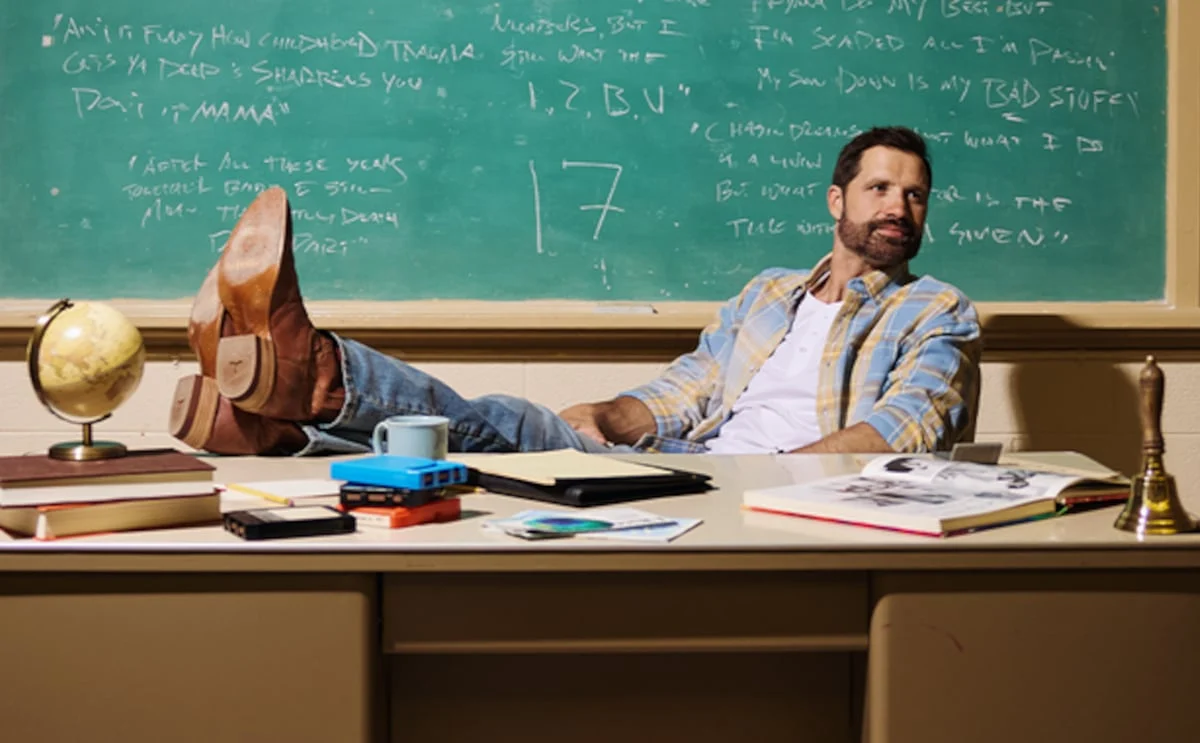
Riley Green has solidified his position as a cornerstone of contemporary country music with the release of his third studio album, That’s Just Me, a 19-track collection that recently achieved a career-best debut at number three on the all-genre Billboard 200 chart. While the album’s commercial success underscores Green’s growing influence, it is his unique approach to industry mentorship and tour-based collaborations that has captured the attention of both fans and industry analysts. By intentionally integrating his opening acts into his headlining sets and recording projects, Green is actively replicating the mentorship models provided by genre legends such as Brad Paisley, Dierks Bentley, and Jason Aldean, thereby fostering a new era of authenticity within the Nashville ecosystem.
The Strategic Launch of That’s Just Me
Released in mid-October, That’s Just Me represents a significant milestone in Riley Green’s discography. The album follows his 2023 release, Ain’t My Last Rodeo, and continues his trajectory of blending traditional country sensibilities with modern production. The 19-song tracklist is notable not only for its length but for its high-profile collaborations. Green secured a feature from the iconic duo Brooks & Dunn on the track "Pave All Them Dirt Roads," a move that bridges the gap between the 1990s country boom and the current "neo-traditionalist" movement Green helps lead.
Other key collaborations include Alabama’s Randy Owen, Hannah McFarland, and Jake Worthington. The inclusion of McFarland and Worthington is particularly telling of Green’s business philosophy. Both artists have served as openers for Green on his recent tours, and their presence on the album serves as a formal endorsement of their talent. This strategy has proven effective; the album’s debut at number three on the Billboard 200 marks Green’s first top-ten entry on the chart, signaling that his fan base is not only loyal but expanding rapidly across demographic lines.
A Philosophy of Authenticity in Collaboration
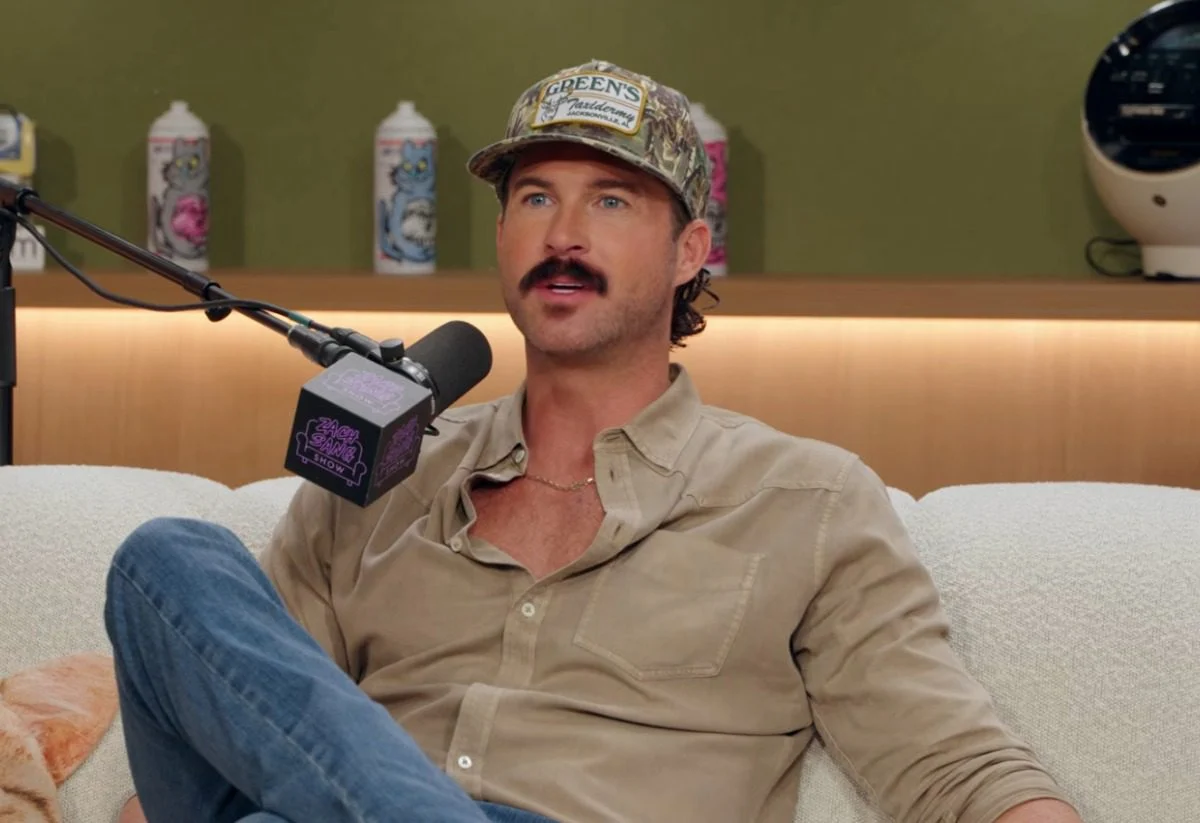
In a recent comprehensive interview on the Zach Sang Show, Green delved into the philosophy behind his collaborative efforts. He expressed a pointed critique of the modern "label-driven" collaboration, where artists are paired by management teams solely to merge digital fan bases or optimize streaming algorithms. Green argued that while these partnerships can produce hits, they often lack the "authenticity" that country music listeners demand.
"There are a lot of collaborations, sadly enough, that are manager to manager, record label to record label," Green noted during the interview. He emphasized that country music fans possess a unique ability to discern when a partnership is forced versus when it is organic. Green’s approach is rooted in the "live" environment. He prefers to record with artists he has spent time with on the road, ensuring that the chemistry heard on a track is a reflection of a genuine professional relationship.
This philosophy was most visibly successful in his partnership with Ella Langley. Their collaboration on the hit singles "You Look Like You Love Me" and "Don’t Mind If I Do" became viral sensations, fueled largely by their nightly performances together while on tour. Green noted that bringing Langley out during his set created a "moment" for the fans that a studio-only collaboration could never replicate. By sharing his stage, Green effectively transferred a portion of his "star power" to Langley, accelerating her career trajectory while simultaneously enriching his own show’s value.
The Chronology of Mentorship: Paying it Forward
To understand Green’s dedication to his openers, one must look at his own rise through the ranks of Nashville. Green’s transition from a regional Alabama favorite to a national headliner was facilitated by several established stars who broke standard touring protocols to help him.
The most significant of these was Brad Paisley. During Green’s first major tour as an opening act, he was the first of three performers, allotted a mere 25-minute set. At the time, Green had just written "I Wish Grandpas Never Died," a song that would eventually become a multi-platinum hit. Green recounts a pivotal moment when he walked past a green room and heard his own song being played. To his surprise, it was Brad Paisley singing it. Paisley had discovered the song, posted a cover of it on social media, and subsequently invited Green to perform the song during Paisley’s own headlining set every night.
"I remember what that meant to me," Green said. "I played five songs in my set, and then the headliner brings me back out to sing my own song during his time. That doesn’t happen often."
Green also cited Dierks Bentley, Jason Aldean, and Luke Bryan as instrumental figures who treated him as a peer rather than a subordinate. He noted that small gestures—such as a headliner stopping by an opener’s tour bus to say hello—left a lasting impression. Now that Green has transitioned into the headliner role, he has made it a priority to maintain an "open door" policy with his support acts, ensuring they feel integrated into the tour’s culture.
Data and Market Impact of the "Opening Act" Strategy
The impact of Green’s mentorship strategy is measurable in both chart performance and ticket sales. By featuring his openers on his albums and during his sets, Green creates a "discovery" engine for his fans.
- Streaming Growth: Following the release of "Don’t Mind If I Do," Ella Langley saw a significant spike in her monthly listeners on platforms like Spotify, largely driven by Green’s existing audience.
- Tour Sustainability: Industry data suggests that tours with cohesive, collaborative lineups tend to have higher "fan satisfaction" ratings. When fans see a headliner and opener perform together, it increases the perceived value of the ticket.
- Billboard Milestones: That’s Just Me moving to #3 on the Billboard 200 is a testament to the "organic connection" Green frequently mentions. His heavy touring schedule—staying on the road nearly year-round—has built a ground-up loyalty that bypasses traditional radio gatekeeping.
Green’s success reflects a broader trend in the music industry where "road-tested" artists are seeing more longevity than those who rely solely on viral social media moments. His commitment to the "live" experience ensures that his brand remains synonymous with quality and reliability.
Broader Implications for the Country Music Industry
Riley Green’s approach serves as a blueprint for how modern headliners can sustain the health of the country music genre. In an era where the "middle class" of musicians is often squeezed by the economics of streaming, Green’s willingness to share his platform provides a vital lifeline for up-and-coming talent.
Furthermore, Green’s insistence on authenticity over corporate engineering highlights a potential shift in Nashville’s power dynamics. As artists like Green gain more control over their touring ecosystems and collaborative choices, the influence of label-led A&R (Artists and Repertoire) may diminish in favor of artist-led discovery.
The success of That’s Just Me also reinforces the viability of the "super-sized" album. With 19 tracks, Green provides enough content to satisfy the demands of streaming algorithms while maintaining a narrative thread of traditionalism. The inclusion of veterans like Randy Owen and Brooks & Dunn alongside newcomers like Hannah McFarland creates a "multi-generational" appeal that is rare in modern music.
Looking Ahead: Stagecoach and Beyond
As Green continues his current tour cycle, his influence shows no signs of waning. During his discussions with Zach Sang, Green hinted at future projects, including a rumored appearance or high-profile slot at Stagecoach 2027 and potential acting roles in projects like "Marshals." However, his primary focus remains his music and his fans.
Green’s journey from playing bars in Alabama to topping the Billboard charts is a reminder of the power of the "slow burn" in the music industry. By prioritizing relationships and authenticity over quick wins, he has built a career that is both commercially successful and respected by his peers. As he continues to bring new voices like Jake Worthington and Hannah McFarland into the spotlight, Riley Green is not just building his own legacy; he is ensuring the future of the genre that his heroes taught him to love.
The success of That’s Just Me is more than just a win for Riley Green; it is a validation of a mentorship-first philosophy that prizes the community of country music over the isolation of individual stardom. In a genre defined by its stories, Green is making sure that the next generation of artists has the chance to tell theirs.