

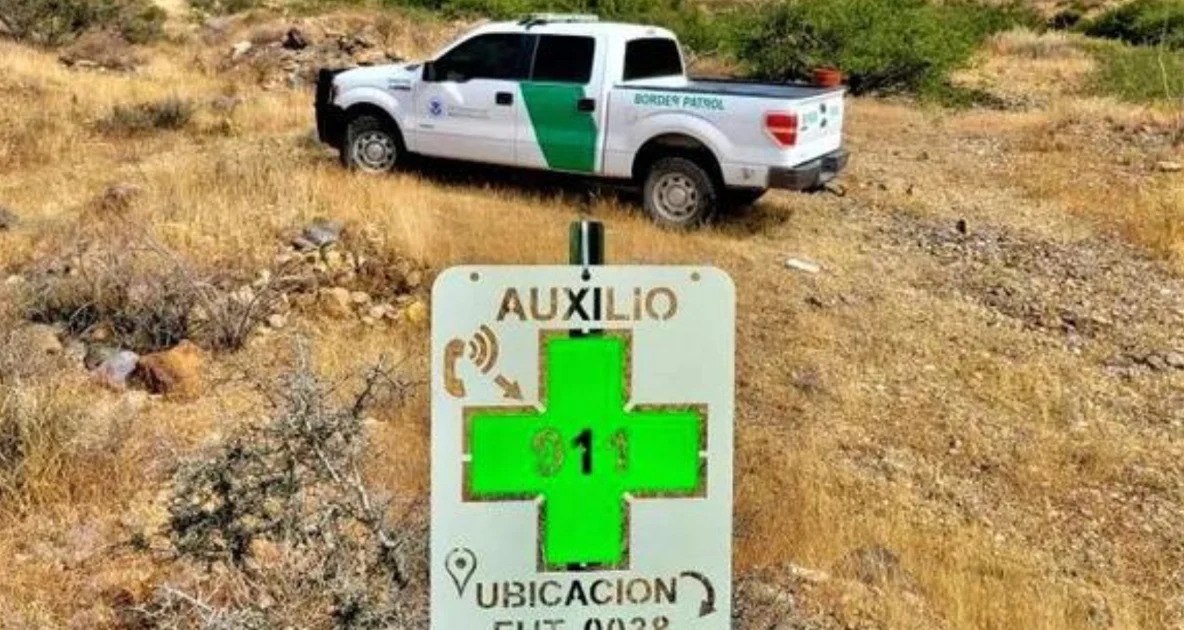
The unforgiving landscape of the Southern New Mexico desert corridor continues to claim lives, as U.S. Border Patrol agents confirmed the discovery of three deceased individuals last Monday near their Santa Teresa, New Mexico, station. This grim find underscores the persistent and escalating humanitarian crisis unfolding along one of the most active migrant-smuggling routes on the Southwest border. The recent discovery brings the total number of recorded fatalities in this specific sector to 138 for the current period, alarmingly close to last year’s record high of 149 migrant deaths, highlighting a tragic and enduring pattern of loss.
A Perilous Corridor: Geography of Risk
The area where the three individuals were found is notoriously dangerous, stretching several miles west from New Mexico Highway 9, near the Santa Teresa border crossing, towards the distinctive landmark of Mount Cristo Rey in Sunland Park, New Mexico. Federal officials consistently identify this region as a primary conduit for human smuggling operations, a designation earned due to its strategic yet treacherous characteristics. The terrain is a harsh blend of arid desert, rugged hills, and sparse vegetation, offering little respite from the elements. Daytime temperatures can soar to extreme highs, particularly during the summer months, often exceeding 100 degrees Fahrenheit (38 degrees Celsius), while nighttime temperatures can plummet dramatically, leading to hypothermia. Water sources are scarce, and the vast, open expanses provide minimal cover, leaving individuals exposed to the brutal sun and sudden, violent dust storms.
The proximity of this corridor to major population centers like El Paso, Texas, makes it an attractive, albeit deadly, option for smugglers who often promise quick passage. However, these promises frequently devolve into abandonment, leaving migrants, often unprepared and ill-equipped, to navigate the lethal environment alone. Mount Cristo Rey, a prominent peak with a large Christ statue, serves as both a navigational beacon and a grim reminder of the dangers, with numerous fatalities recorded on its slopes and surrounding areas over the years. The Rio Grande River, which forms a significant portion of the border, and the parallel irrigation canals, also present extreme drowning hazards, contributing to the diverse causes of death documented in this sector.
Escalating Fatalities: A Troubling Trend
The U.S. Border Patrol’s announcement that 138 people have perished in the sector, encompassing areas from Hudspeth County, Texas, through El Paso, to the New Mexico-Arizona state line, paints a stark picture of the growing humanitarian toll. This figure includes deaths from exposure in the desert, drownings in the Rio Grande and irrigation canals, falls or injuries sustained on Mount Cristo Rey, and incidents along the border wall. The fact that this number is just 11 shy of last year’s record of 149 migrant deaths signifies a troubling trend of persistently high fatalities, suggesting that the underlying factors contributing to these tragedies remain largely unaddressed.
Over the past decade, the Southwest border has witnessed a significant increase in migrant deaths. While comprehensive, consistently reported historical data can be challenging to consolidate across all agencies, figures from U.S. Customs and Border Protection (CBP) indicate a steady rise in fatalities since the mid-2010s, with particularly sharp increases in recent years. For instance, CBP reported 294 migrant deaths across the entire Southwest border in fiscal year 2019, a number that surged to 566 in FY 2021, and then to a staggering 894 in FY 2022. While exact breakdowns for specific sectors like El Paso (which includes the New Mexico corridor) vary, the regional trend clearly shows an intensification of the crisis. These numbers are often considered undercounts, as many deaths in remote areas may go undiscovered or unreported. The International Organization for Migration’s (IOM) Missing Migrants Project also tracks these figures globally, consistently identifying the U.S.-Mexico border as one of the deadliest land migration routes in the world.
A Grim Chronology: The Evolution of a Crisis
The increase in migrant deaths is not an isolated phenomenon but rather the culmination of complex factors that have evolved over decades. Historically, migration across the U.S.-Mexico border concentrated at urban ports of entry. However, intensified border enforcement strategies, particularly since the 1990s with operations like "Operation Gatekeeper" in California and "Operation Hold the Line" in El Paso, aimed to deter crossings in urban areas. While successful in redirecting flows, these policies inadvertently pushed migrants into more remote and perilous desert and mountainous regions, including the Southern New Mexico corridor.
This strategic redirection, often referred to as "prevention through deterrence," made the journey exponentially more dangerous. Smugglers, adapting to the increased enforcement, began exploiting these remote areas, often leading migrants on multi-day treks with insufficient water and food. The El Paso Sector, with its vast and varied terrain, became a focal point for these dangerous crossings. The current high fatality rates are a direct consequence of this historical shift, exacerbated by global geopolitical instability, economic hardship, and climate change in migrants’ home countries, which act as powerful push factors.
In recent years, the demographics of migrants have also shifted, with an increasing number of families and unaccompanied minors attempting the perilous journey. These vulnerable populations are often less prepared for the physical demands of desert travel, further contributing to the death toll. The sheer volume of crossings has also overwhelmed existing border infrastructure and humanitarian response capabilities, leading to more individuals succumbing to the elements or other dangers before aid can reach them.
The Role of Human Smuggling Organizations
Federal officials consistently identify the Southern New Mexico corridor as one of the most active migrant-smuggling corridors, and the presence and tactics of these transnational criminal organizations are inextricably linked to the rising death toll. Smugglers, often referred to as "coyotes," operate sophisticated networks that exploit the desperation of migrants seeking to enter the United States. They charge exorbitant fees, ranging from thousands to tens of thousands of dollars, promising safe passage. However, these promises are frequently hollow.

Smugglers often prioritize profit over human life, cramming individuals into unsafe vehicles, forcing them to undertake grueling desert marches, and frequently abandoning them if they fall behind, become injured, or if law enforcement is detected. They are known to use remote, dangerous routes precisely because they are less patrolled, but this also means that if a migrant encounters trouble, help is far less likely to arrive in time. The El Paso Sector’s terrain, with its vast, unpopulated stretches, provides ideal cover for these illicit operations, while simultaneously posing extreme risks to those being smuggled. The discovery of the three deceased individuals last Monday is a stark illustration of the deadly consequences of these exploitative practices. These organizations show little regard for the well-being of the individuals they transport, viewing them as mere commodities in a lucrative trade.
Official Responses and Public Safety Campaigns
In response to the ongoing tragedies, the U.S. Border Patrol continues to emphasize public safety announcements, disseminated in both English and Spanish, urging migrants to abstain from crossing the border illegally between ports of entry. These campaigns are designed to inform potential migrants about the extreme dangers they face: the harsh desert environment, the risk of drowning in the Rio Grande or irrigation canals, the threat of exploitation and abandonment by smugglers, and the severe physical toll of the journey. The agency highlights the dangers of dehydration, heatstroke, hypothermia, getting lost, and serious injury.
Beyond these warnings, Border Patrol agents are often the first responders to distressed migrants. The agency maintains specialized search and rescue teams, such as the Border Patrol Search, Trauma, and Rescue (BORSTAR) unit, trained to operate in rugged and remote environments. They also deploy rescue beacons in remote areas, allowing migrants in distress to signal for help. However, the vastness of the border and the sheer volume of crossings often mean that even with these efforts, help cannot always arrive in time.
The Border Patrol’s role is complex, encompassing both law enforcement and humanitarian duties. While their primary mission is to secure the border, agents frequently encounter individuals in dire medical need and are often involved in life-saving rescue operations. The agency reports thousands of rescues annually across the Southwest border, underscoring the constant battle against the elements and the dangers posed by illicit crossings. However, these rescue efforts, while vital, do not address the root causes driving migration or fully mitigate the risks inherent in these perilous journeys.
Humanitarian Concerns and Advocacy for Change
The persistent loss of life along the U.S.-Mexico border has drawn significant criticism and calls for action from humanitarian organizations, human rights advocates, and international bodies. Groups such as the American Civil Liberties Union (ACLU), No More Deaths, and various faith-based organizations consistently decry the high death toll, arguing that these fatalities are largely preventable and a direct consequence of current border enforcement policies. They advocate for more humane border policies, including expanded legal pathways for migration, increased access to asylum at ports of entry, and greater investment in humanitarian aid and infrastructure along the border.
These organizations often highlight the ethical dilemma faced by both border agents and the broader society: how to manage border security without sacrificing human life. They point to the fact that many migrants are fleeing violence, persecution, and extreme poverty, and that restricting legal avenues forces them into dangerous alternatives. Some groups actively engage in humanitarian efforts, such as placing water caches in remote desert areas, operating aid stations, and conducting search-and-rescue missions for missing migrants, often in direct opposition to policies that might see such actions as aiding illegal crossings. Their collective message is clear: the current approach is failing to uphold basic human dignity and is leading to an unacceptable loss of life.
Broader Implications: Policy, Politics, and the Future
The ongoing migrant death crisis in the Southern New Mexico corridor and across the Southwest border carries profound implications for policy, politics, and the future of migration management. The rising death toll fuels the intense political debate surrounding border security, immigration reform, and humanitarian obligations. On one side, proponents of stricter enforcement argue that more robust border controls are necessary to deter illegal crossings and that the deaths are a tragic consequence of individuals choosing to violate immigration laws. On the other side, advocates argue that current policies are inhumane and ineffective, pushing migrants into deadlier routes and exacerbating a humanitarian catastrophe.
Economically, the issue strains resources for both border communities and federal agencies. Local hospitals, emergency services, and non-governmental organizations are often overwhelmed by the medical and social needs of migrants, including those who survive perilous journeys. The cost of search and rescue operations, medical care, and processing deceased individuals also places a significant burden on public funds.
Environmentally, the increased traffic of migrants and smugglers through fragile desert ecosystems also poses challenges. The accumulation of trash, the creation of informal trails, and the impact on wildlife habitats are all concerns for conservationists in these unique and often protected landscapes.
Looking ahead, the factors driving migration—including economic disparities, political instability, violence, and the effects of climate change in Latin American countries—are unlikely to diminish in the near future. This suggests that the pressures at the U.S.-Mexico border will persist, and with them, the tragic potential for continued loss of life. A comprehensive and sustainable solution will likely require a multi-faceted approach that addresses both the immediate humanitarian crisis at the border and the root causes of migration, alongside robust, yet humane, border management strategies. Without such an approach, the deadly Southern New Mexico desert corridor will continue to be a site of profound human tragedy, with the number of perished individuals continuing to climb, year after year.









