Unconfirmed social media reports have cast a shadow over the hotly contested Texas U.S. Senate race, suggesting that Democratic candidate James Talarico may have spent a portion of his recent nearly two-week absence at a mental health facility in Ohio. These claims, amplified across various social media platforms, contradict the official explanation from Talarico’s campaign, which attributed his disappearance from the public eye to a severe case of the flu. The unfolding narrative has ignited a firestorm of speculation, raising questions about transparency, candidate health, and the rapid dissemination of unverified information in modern political campaigns.
The Initial Disappearance and Campaign’s Explanation
James Talarico, a prominent figure in the Texas Democratic Party and a challenger for a U.S. Senate seat, noticeably withdrew from public appearances for approximately two weeks in early October 2026. This sudden hiatus, occurring in the critical final stretch of a high-stakes campaign, immediately drew attention and sparked rumors. His campaign team, responding to inquiries, issued a statement asserting that Talarico was experiencing a "nasty case of the flu" and was recuperating "home in bed," a detail reported by The New York Times on October 9, 2026. Such an explanation is common for public figures facing health issues, allowing for privacy while addressing concerns about their absence. However, the prolonged nature of the absence for a candidate in an active campaign fueled underlying skepticism among political observers and opponents.
Emergence of Social Media Allegations and a Developing Timeline
The official "flu" narrative began to unravel on social media as several commentators and journalists started to piece together an alternative sequence of events. The chronology of these allegations paints a picture of independent investigations converging on a single, unconfirmed conclusion:
- Early October 2026: James Talarico is absent from the campaign trail. His team attributes this to the flu.
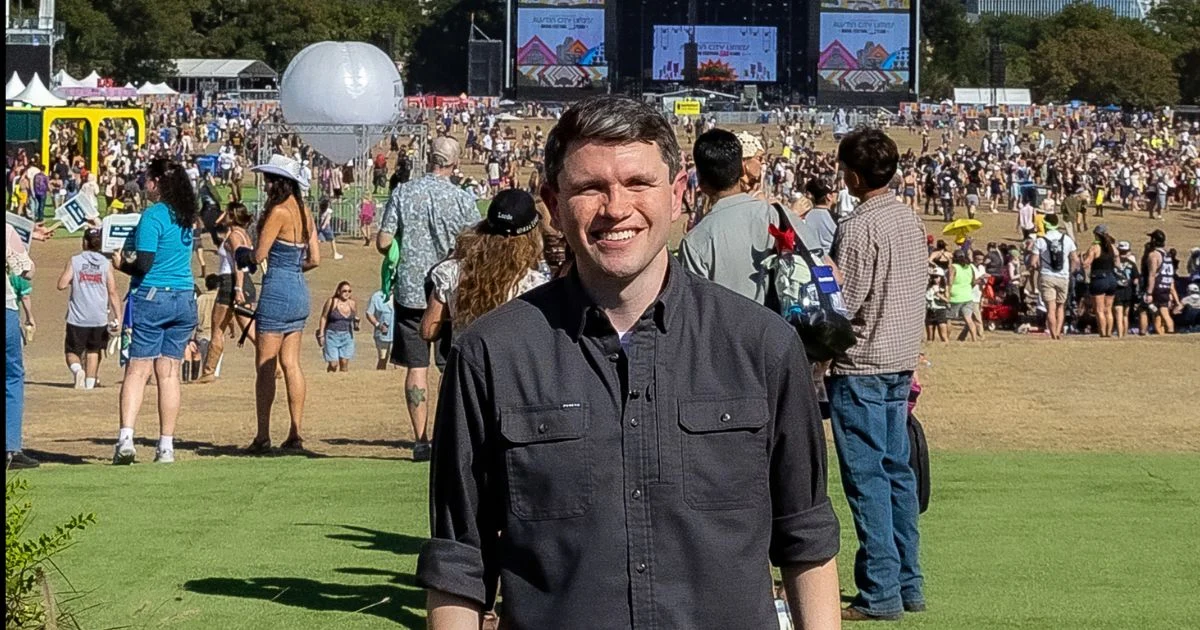
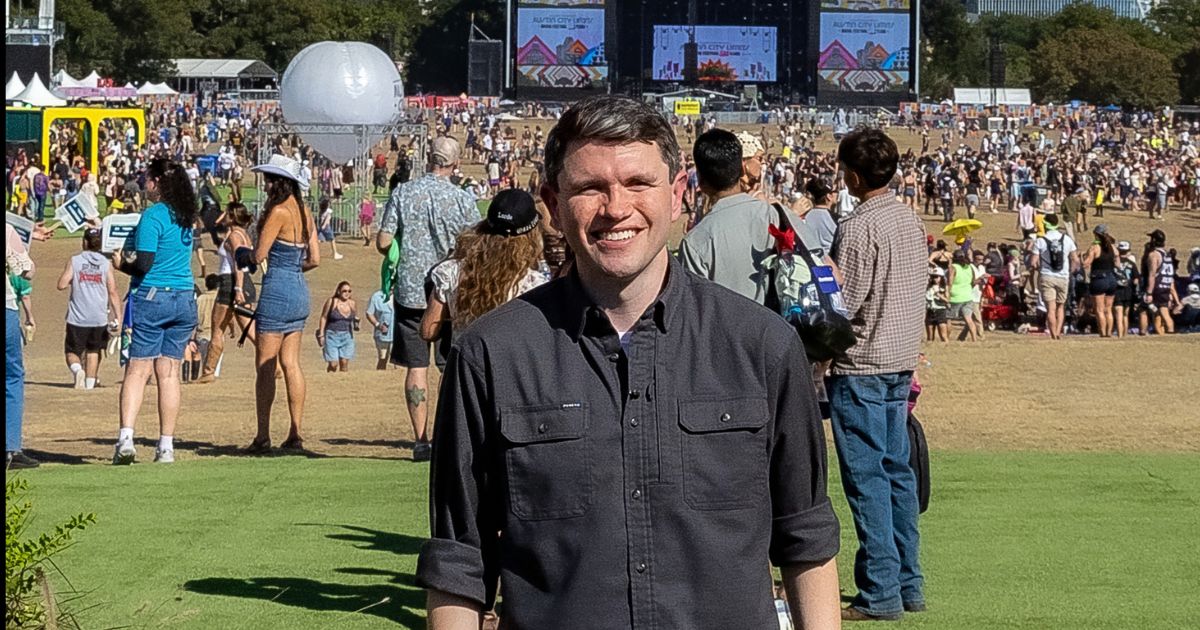
- October 9, 2026: Talarico makes a public reappearance at the Austin City Limits Music Festival in Austin, Texas, posing for photographs, seemingly recovered. This return coincides with the New York Times report on his campaign’s "flu" explanation.
- Days Prior to October 11: Spencer Pratt, former Los Angeles Mayoral candidate, reportedly claims on social media that a source informed him Talarico had checked into a mental hospital. While specific details of Pratt’s initial claim are not extensively provided in the source material, it marks an early public assertion challenging the campaign’s narrative.
- October 10, 2026: Caroline Wren, a prominent Trump supporter and political commentator, posts on X (formerly Twitter) about her investigation into flight data. She highlights a private plane’s itinerary: flying from Austin, Texas, to Hamilton, Ohio (an airport approximately 20 minutes from the Lindner Center of Hope), and then returning to Austin. Wren notes that the plane landed in Austin on the morning of October 9, 2026, just hours before Talarico’s "magical reappearance" at the Austin City Limits festival. She also draws a significant connection, pointing out that the Lindner Center of Hope is the same facility where Harris County Judge Lina Hidalgo, reportedly a "good friend" of Talarico, spent seven weeks three years prior for a "mental breakdown." Wren frames these occurrences as "so many coincidences."
- October 11, 2026: Commentator Rhein Amacher publicly states on X that he contacted the Lindner Center of Hope in Mason, Ohio, "to determine whether Talarico was or had previously been a patient." Amacher claims that during a recorded call, an individual identifying herself as a facility employee "reportedly stated that Talarico was no longer a patient and had been discharged within the previous 24–48 hours." Amacher posts his phone logs as purported verification of the call.
- October 11, 2026 (Later): Journalist Nick Sortor, also active on X, amplifies Amacher’s claims. Sortor posts an audio clip, which he attributes to Amacher’s call, where a woman’s voice can be heard saying, "He was discharged this evening," seemingly confirming Talarico’s recent presence at the facility. Sortor then declares, "Ohio mental hospital CONFIRMS James Talarico was discharged from the facility earlier this week. The ‘flu’ thing was a BIG FAT LIE." He also uses this opportunity to question Talarico’s suitability for office, arguing that the job "doesn’t get easier after being elected – it only gets MORE stressful," implying Talarico "clearly can’t handle it."
The Lindner Center of Hope: Context and Patient Privacy
The Lindner Center of Hope, located in Mason, Ohio, is a highly regarded, comprehensive mental health facility specializing in the diagnosis and treatment of mental illness. It offers a range of services, including inpatient care, partial hospitalization, and outpatient programs for various conditions such as mood disorders, anxiety disorders, eating disorders, and addiction. Its reputation as a private inpatient facility capable of providing intensive, around-the-clock mental health treatment makes it a plausible location for public figures seeking discreet care.
However, a crucial aspect of healthcare in the United States, particularly concerning mental health, is patient privacy. The Health Insurance Portability and Accountability Act (HIPAA) of 1996 strictly protects the confidentiality of patient health information. Under HIPAA, healthcare providers are generally prohibited from disclosing whether an individual is or has been a patient, or any details about their treatment, without the patient’s explicit authorization or a court order. This means that if the Lindner Center of Hope were to be contacted directly about James Talarico, standard procedure would dictate that they could not confirm or deny his patient status.
The claims made by Rhein Amacher and Nick Sortor, alleging an employee confirmed Talarico’s discharge, immediately raise questions about the veracity of such a disclosure given HIPAA regulations. While Amacher states his call was "recorded," and Sortor provides an "audio clip," the identity of the person speaking in the clip as a bona fide Lindner Center employee, and whether their statement constitutes an authorized disclosure under HIPAA, remains unconfirmed. Facilities typically train staff rigorously on privacy protocols, making an unauthorized disclosure of this nature highly unusual and potentially subject to severe legal repercussions for the institution.
Official Denial and Campaign’s Counter-Narrative
In response to the mounting social media allegations, James Talarico’s campaign swiftly issued a denial. JT Ennis, Talarico’s campaign spokesman, categorically dismissed the claims as "a lie designed to promote a pathetic conspiracy theory." Ennis reiterated the campaign’s original statement: "Last week James Talarico was home in Austin, Texas recovering from the flu."
This direct contradiction sets the stage for a classic political dilemma: voters are presented with two diametrically opposed narratives regarding a candidate’s well-being and transparency. The campaign’s steadfast adherence to the "flu" story, despite the detailed social media investigations, underscores their commitment to managing the optics of the situation and protecting the candidate’s privacy.
The Role of Social Media in Political Discourse
This incident highlights the pervasive and often problematic role of social media in contemporary political campaigns. Platforms like X enable rapid dissemination of information, both verified and unverified, to a vast audience. While they can be powerful tools for citizen journalism and holding public figures accountable, they also serve as fertile ground for rumors, speculation, and "conspiracy theories," as labeled by Talarico’s campaign.
The nature of the "investigations" conducted by individuals like Caroline Wren, Rhein Amacher, and Nick Sortor — involving flight tracking, phone calls to facilities, and leveraging personal networks — exemplifies a new form of decentralized, often partisan, information gathering. The speed at which these claims spread, coupled with the immediate amplification by figures with significant online followings, creates an environment where allegations can gain substantial traction before traditional media outlets can conduct their own thorough verification. This dynamic forces campaigns to respond quickly to narratives that may originate outside established journalistic channels, adding another layer of complexity to political communication.
Broader Implications for the Texas Senate Race
The unconfirmed allegations, regardless of their ultimate truth, carry significant implications for James Talarico’s U.S. Senate campaign in Texas.
- Trust and Transparency: At the heart of the matter is public trust. If voters perceive that Talarico’s campaign has been less than forthright about his absence, it could erode confidence in his honesty and integrity. In a closely watched Senate race, transparency is often paramount, and any perceived deception can be damaging.
- Candidate Fitness: The nature of the alleged stay – at a mental health facility – touches upon questions of a candidate’s mental fortitude and ability to withstand the immense pressures of public office, particularly a U.S. Senate seat. While seeking mental health treatment is increasingly destigmatized and recognized as a sign of strength, political opponents often weaponize such information to question a candidate’s "fitness" or "resilience," as exemplified by Nick Sortor’s comments.
- Privacy vs. Public Interest: The incident reignites the perennial debate over a public figure’s right to privacy versus the public’s right to know about a candidate’s health. While general health issues are often disclosed, mental health struggles historically carry a different stigma. For a candidate seeking to represent millions, voters may feel entitled to comprehensive information, yet the ethical lines concerning private health matters are often blurred.
- Campaign Strategy: Talarico’s campaign now faces the challenge of not only combating these specific allegations but also controlling the narrative around his health and trustworthiness. This may necessitate a more robust communication strategy, potentially involving public statements from medical professionals (if Talarico chooses to disclose more), or a continued forceful dismissal of the claims.
- Precedent of Lina Hidalgo: The reference to Judge Lina Hidalgo’s prior stay at the same facility adds another layer of complexity. While it provides a plausible connection to the Lindner Center for Talarico, it also highlights that public figures, even those in high office, do seek and benefit from mental health care. However, the political context of Hidalgo’s situation and Talarico’s current campaign are distinct, and the impact of such a connection on voters is uncertain.
Ethical Considerations and the Pursuit of Truth
The controversy surrounding James Talarico’s absence underscores several ethical considerations within journalism and political discourse. For news organizations, the challenge lies in reporting on unconfirmed allegations without validating them or contributing to the spread of misinformation. The use of careful language—"unconfirmed reports," "allegedly," "reportedly"—is crucial to maintain journalistic integrity.
For the public, discerning truth from rumor in the age of instant information requires critical engagement. Voters are tasked with evaluating the credibility of sources, considering potential biases, and weighing the importance of privacy against the demand for transparency from those seeking public office.
Conclusion: An Ongoing Scrutiny
As the Texas Senate race progresses towards the election, the unconfirmed allegations regarding James Talarico’s alleged stay at the Lindner Center of Hope will likely continue to be a point of discussion and contention. The campaign’s firm denial stands in stark contrast to the persistent claims from social media commentators, leaving the public to navigate a landscape of conflicting information. The incident serves as a potent reminder of the complexities inherent in modern political campaigns, where traditional media narratives intertwine with the rapid, often unverified, currents of social media, all while navigating the delicate balance between a candidate’s personal privacy and the public’s right to know. Without an official, verifiable statement from Talarico or the Lindner Center of Hope, the true nature of his absence will remain a subject of ongoing speculation and scrutiny.