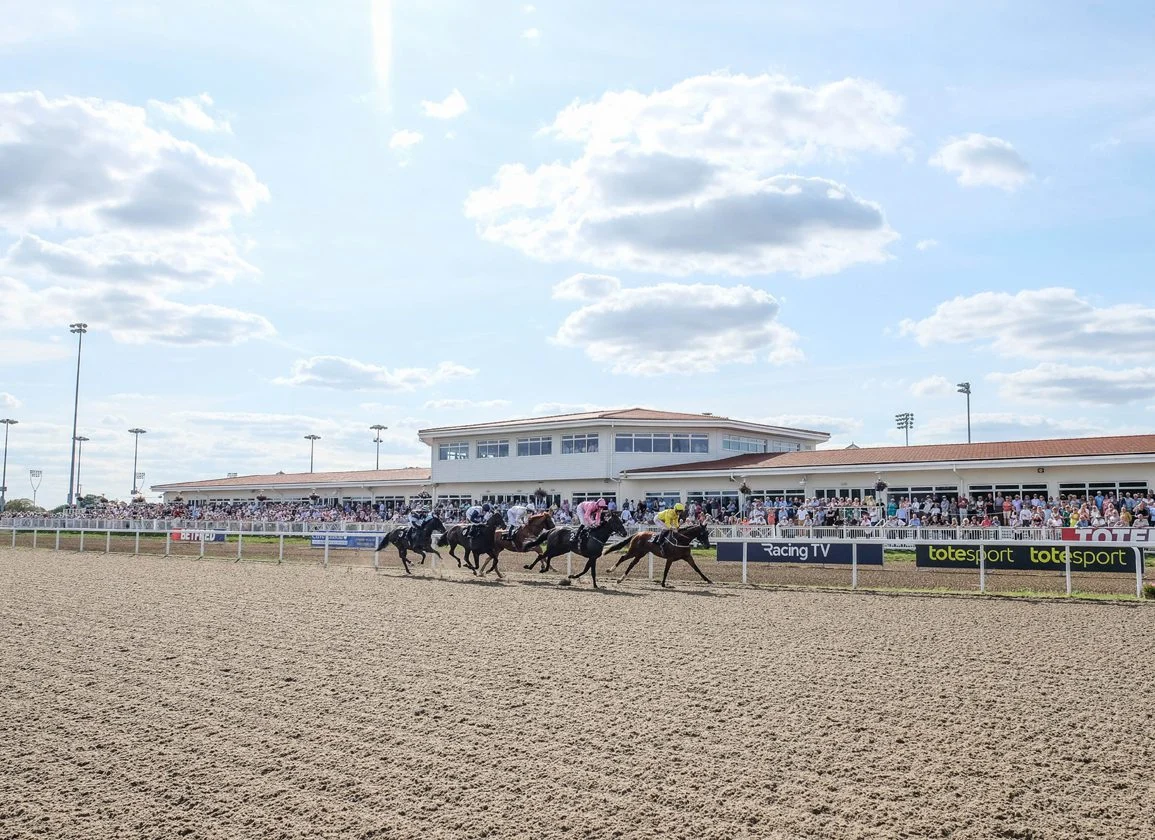
The Jockey Club has successfully acquired a total of 12 race fixtures previously associated with Chelmsford City Racecourse, formerly known as Great Leighs. This significant transaction, confirmed on Tuesday, October 13, 2026, marks a pivotal moment in the allocation of racing dates within the United Kingdom’s thoroughbred industry. The acquisition follows a keenly contested bidding process, underscoring the strategic importance of these dates for the sport’s governing bodies and stakeholders.
The exact distribution of these 12 fixtures across The Jockey Club’s portfolio of racecourses is anticipated to be announced in the coming months. This decision will be a crucial factor in shaping the racing calendar for the 2027 season and beyond, impacting racehorse trainers, owners, breeders, and the wider racing community. The Jockey Club, as one of the most influential organizations in British horseracing, plays a vital role in ensuring the health and vibrancy of the sport, and the integration of these new fixtures is expected to contribute to a robust and competitive racing program.
Background and Context of the Acquisition
The acquisition of these fixtures is intrinsically linked to the history of Great Leighs racecourse, which underwent a tumultuous period leading up to its closure and subsequent administration. Great Leighs, located in Essex, first opened in 2008 with ambitious plans to become a premier racing venue. However, financial difficulties and operational challenges plagued the course for much of its existence. It ultimately ceased racing operations in 2010, though there were attempts to revive it. In 2015, Chelmsford City Racecourse, under new ownership, took over the site and reopened it as an all-weather track. Despite initial optimism and a period of renewed activity, the course eventually faced further financial headwinds, leading to its administration and the subsequent sale of its assets, including its valuable racing fixtures.
The administrative process for Chelmsford City Racecourse has been closely watched by the racing industry. The sale of racing fixtures is a complex affair, governed by strict regulations and considerations for the overall integrity and structure of the sport. Fixtures represent the allocated days on which a racecourse is permitted to host racing events, and their ownership and allocation are critical to the economic viability of individual courses and the broader racing calendar. The competitive bidding process indicates that multiple parties likely expressed interest in acquiring these dates, highlighting their perceived value. The Jockey Club’s successful bid reflects its strategic objectives and its commitment to managing and developing racing infrastructure and programming.
The Jockey Club’s Strategic Vision and Commitment
Jim Mullen, the Chief Executive of The Jockey Club, expressed satisfaction with the acquisition, emphasizing the organization’s commitment to the sport’s long-term health. "We are pleased to add the 12 fixtures previously owned by Chelmsford City Racecourse to our racing schedule from 2027," Mullen stated. "This is part of our commitment to maintain a healthy programme of racing across our tracks, which supports and reflects all aspects of the pyramid that serves our sport."
Mullen’s statement underscores a key tenet of The Jockey Club’s philosophy: the stewardship of British racing. The organization operates 15 racecourses across the country, including iconic venues such as Aintree, Cheltenham, Epsom Downs, and Newmarket. By acquiring these fixtures, The Jockey Club aims to consolidate and enhance its racing offerings, ensuring that its venues can continue to provide a high standard of racing and attract top-class equine and human talent.
The reference to "all aspects of the pyramid that serves our sport" is particularly significant. This likely alludes to The Jockey Club’s dedication to supporting racing at all levels, from grassroots initiatives and emerging talent to elite-level competitions. The allocation of these 12 fixtures will be carefully considered to achieve this balance, potentially benefiting a range of racecourses within The Jockey Club’s ownership, each with its own unique characteristics and strategic importance.
The Process of Fixture Allocation
The immediate priority following the acquisition, as outlined by Mr. Mullen, is to collaborate with the British Horseracing Authority (BHA). The BHA is the governing body responsible for regulating and administering horseracing in Great Britain. Its role in fixture allocation is paramount, ensuring fairness, competition, and the optimal distribution of racing days across the calendar to meet the diverse needs of participants and spectators.
The BHA’s fixture list is a meticulously planned document that dictates when and where racing can take place. Factors influencing this list include the optimal spacing of major events, the needs of different horse populations (e.g., flat vs. jumps, all-weather vs. turf), commercial considerations, and the strategic development of individual racecourses. The allocation of these 12 newly acquired fixtures will therefore be a collaborative effort, with The Jockey Club proposing potential placements and the BHA providing oversight and final approval.
The process of integrating these fixtures into the existing racing calendar will likely involve detailed discussions about which of The Jockey Club’s racecourses will host them. Considerations will include the type of racing suitable for each venue, the existing fixture density, and the potential to create new opportunities for trainers and owners. It is also possible that the fixtures could be used to enhance existing race meetings or to create new ones, depending on the strategic goals of The Jockey Club and the BHA.
Potential Implications for the Racing Industry
The acquisition of these 12 fixtures by The Jockey Club has several potential implications for the broader UK horseracing industry.
Enhanced Racing Programs and Opportunities
By integrating these fixtures into its network, The Jockey Club can potentially strengthen the racing programs at its own venues. This could lead to an increase in the number and quality of races offered, providing more opportunities for owners to race their horses and for trainers to find suitable engagements. For racegoers, this could translate to more varied and exciting racing days throughout the year.
Support for Regional Racing
The Jockey Club operates a diverse range of racecourses, some of which are located in areas with a strong local racing heritage. The allocation of these fixtures could provide a boost to regional racing, ensuring that these venues remain competitive and continue to contribute to their local economies. This is particularly relevant given the historical challenges faced by some racecourses in the UK.
Competitive Landscape
While this acquisition consolidates fixtures within a major industry player, it also highlights the ongoing competition for racing dates. The ability of The Jockey Club to secure these fixtures underscores its financial and strategic capacity. It also implicitly suggests that other entities may have been interested, indicating a healthy demand for racing dates within the sport.
Impact on Independent Racecourses
The acquisition by The Jockey Club might also indirectly impact independent racecourses. While the focus is on allocating these fixtures to TJC-owned venues, the overall availability and distribution of fixtures across the industry are a constant consideration. Any shifts in the landscape can have ripple effects on how independent courses plan their own schedules and commercial strategies.
Data and Performance Analysis
With the introduction of 12 new fixtures into its schedule, The Jockey Club, in conjunction with the BHA, will likely undertake significant data analysis. This will involve monitoring the performance of these fixtures, including betting turnover, attendances, and the quality of racing. Such data will be crucial in informing future fixture planning and ensuring that the allocated dates are commercially successful and contribute positively to the sport. Historically, the success of a fixture is measured by a combination of factors. For example, average field sizes can indicate the attractiveness of the races to trainers, while betting turnover provides a crucial economic metric. Attendance figures also play a role in assessing the public’s engagement with a particular race day.
Historical Context of Fixture Sales and Allocations
The sale and allocation of racing fixtures have been a recurring theme in the history of British horseracing. Racecourses often hold licenses, or fixtures, granted by the BHA. These licenses are valuable assets and their sale or transfer can significantly impact the fortunes of a racecourse and the broader racing calendar.
In the past, there have been instances of racecourses ceasing operations, leading to the reallocation of their fixtures. The process is designed to ensure that racing continues to be spread across the country in a manner that is economically viable and strategically beneficial to the sport. The Jockey Club, as a major owner of racecourses, has historically been a significant player in these transactions, often acquiring fixtures to bolster its own portfolio or to prevent them from falling into less advantageous hands.
The current scenario with Chelmsford City Racecourse’s fixtures is a modern iteration of this long-standing dynamic. The administrators of the course were tasked with maximizing the return on assets, and the sale of these valuable racing dates was a crucial part of that process. The competitive bidding process suggests that the market for such assets remains robust, reflecting the enduring appeal and economic significance of horseracing in the UK.
The Future of Racing Calendars
The allocation of these 12 fixtures will undoubtedly be a key point of discussion within the racing industry over the coming months. The Jockey Club’s stated intention to work with the BHA to ensure a "healthy programme of racing" indicates a commitment to a strategic and thoughtful approach.
This move by The Jockey Club also reinforces its position as a central pillar in the management and development of British racing. By actively acquiring and strategically allocating fixtures, the organization contributes to the stability and growth of the sport, ensuring that racing continues to thrive across its diverse network of courses. The precise details of how these fixtures will be deployed will be eagerly awaited by all stakeholders, as they will shape the racing landscape for years to come.
The decision-making process will likely involve extensive consultation with various stakeholders, including trainers, owners, and betting operators, to ensure that the new fixture list meets the needs of the entire racing ecosystem. The ultimate goal is to create a calendar that is not only competitive and engaging but also commercially sustainable, benefiting all involved in this historic and dynamic sport.