TDN Rising Star, Presented by Hagyard, Ewing, Winner of the 2025 GII Saratoga Special Stakes, Succumbs to Fatal Injury During Transition to Retirement
Ewing, a promising young Thoroughbred stallion recognized as a TDN Rising Star presented by Hagyard and the victor of the prestigious 2025 Grade II Saratoga Special Stakes, tragically passed away on Tuesday at Mark Casse’s farm in Ocala, Florida. The esteemed colt suffered a fatal injury in what has been described as a freak accident while transitioning from his racing career to retirement. The news has sent ripples of sadness through the racing community, particularly among his ownership groups and those who championed his early success.
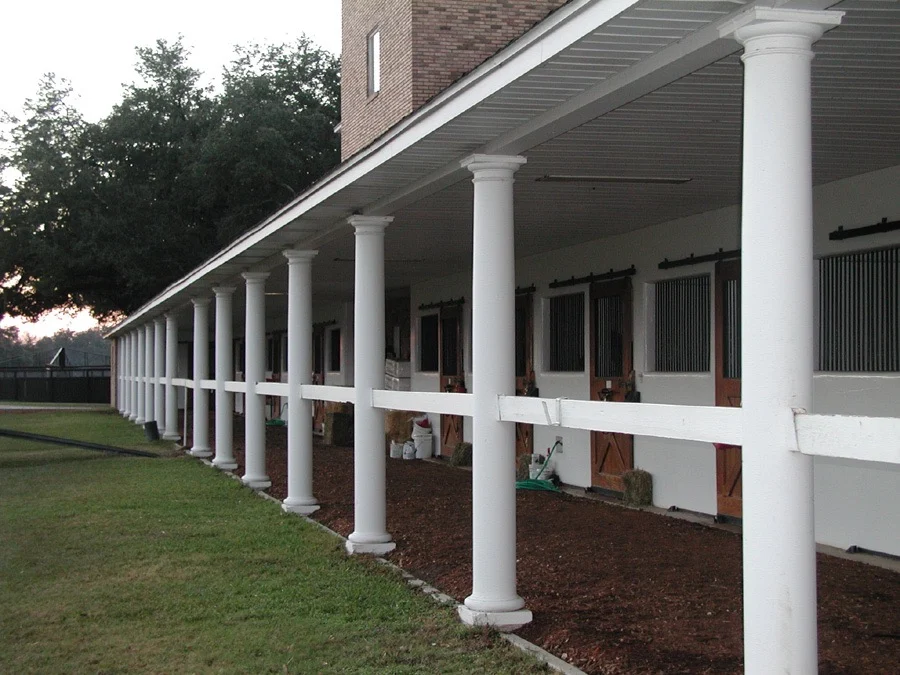
The accident occurred while Ewing was enjoying a period of acclimatization at the Ocala farm, a standard practice for horses moving from the demanding environment of the racetrack to a less strenuous existence. Jon Green, the general manager of DJ Stable, one of Ewing’s principal owners alongside West Point Thoroughbreds and Kenneth French, provided a somber account of the incident.
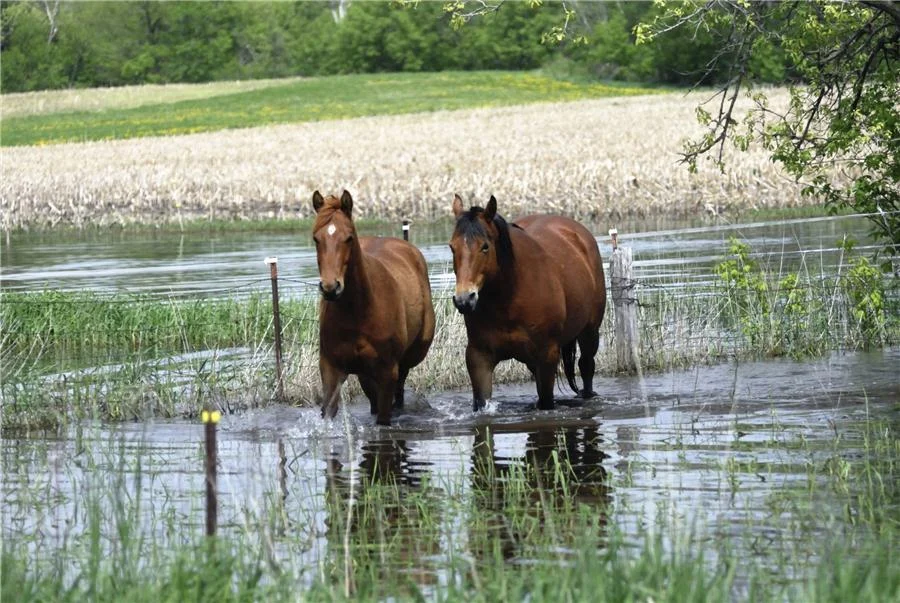
"We had decided to retire Ewing and sent him down to Ocala to let him let down a little bit off the racetrack and get used to his new life as a regular horse," Green stated. "He was out in a paddock, and something spooked him. He went to jump the fence, and unfortunately, he didn’t clear it. He hit a post, and as he was going over it, he cracked his skull open."
This unfortunate event highlights the inherent risks involved in equine sports, even during the crucial transition period after a horse’s racing career has concluded. Horses, particularly those at the elite level like Ewing, are conditioned to peak physical performance and possess a highly attuned sense of alertness and energy. Releasing this energy and re-orienting them to a more relaxed lifestyle requires careful management and a gradual process.
A Promising Career Cut Short
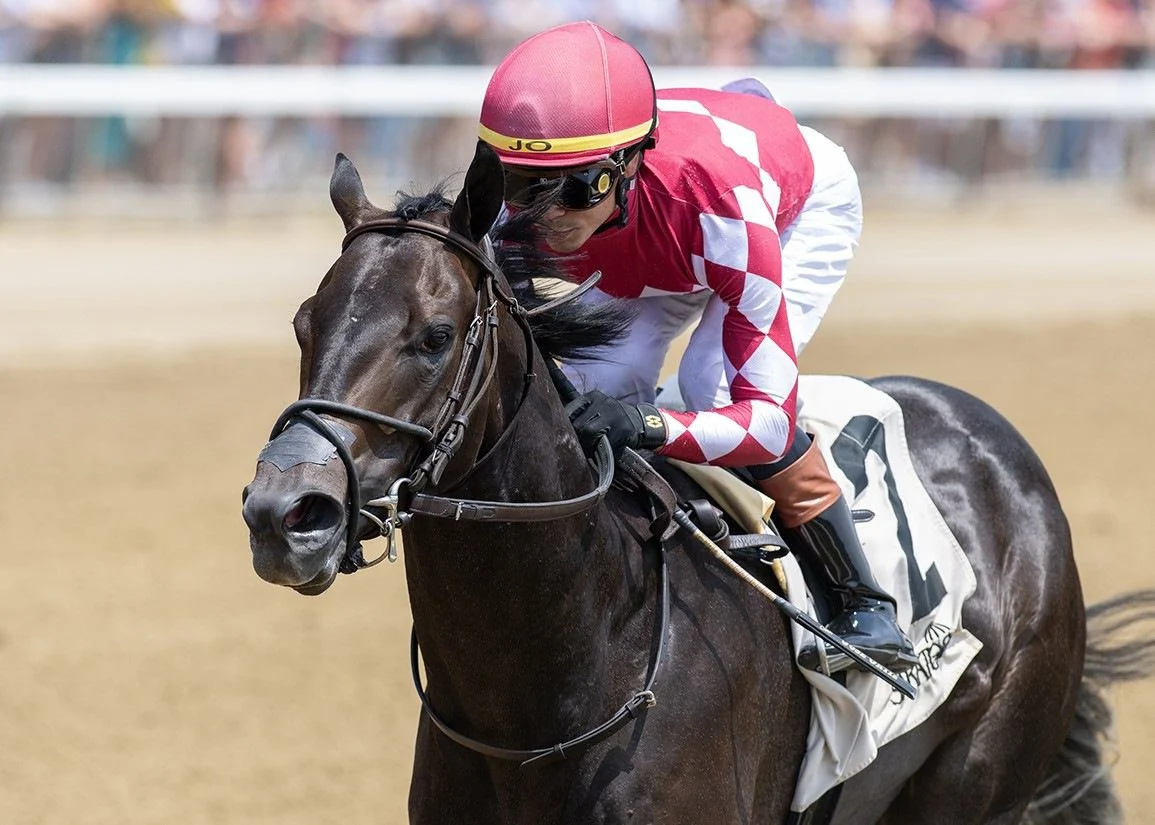
Ewing’s racing career, though brief, was marked by significant promise and notable achievements. His victory in the 2025 Grade II Saratoga Special Stakes cemented his status as one of the top two-year-olds of his generation. This race, held annually at Saratoga Race Course, is a significant stepping stone for promising juveniles, often attracting a competitive field and serving as a key indicator for potential Triple Crown contenders. His performance in this graded stakes event demonstrated not only his speed and talent but also his grit and competitive spirit on a national stage.
The TDN Rising Star designation, awarded by Thoroughbred Daily News in partnership with Hagyard Equine Medical Institute, recognizes exceptionally talented young horses with the potential to become future stars. Receiving this honor is a testament to Ewing’s exceptional breeding, training, and early racing results, marking him as a horse with a bright future ahead of him in both racing and potentially, at stud.
Ewing’s final race occurred on August 8th, where he competed in the Colonial Turf Dash Stakes, finishing seventh. While this result did not mirror his earlier successes, it was still part of his active racing career before the decision was made to retire him. The quick succession of his retirement and this tragic accident underscores the unpredictable nature of life in the equine world.
The Transition to Retirement: A Vulnerable Phase
Jon Green elaborated on the challenges horses face when transitioning from the racetrack. "Unfortunately, we forget sometimes that these horses get cranked up in the sense of being ready to be racehorses, and it takes a little while to get that training out of their system," he explained. "That’s why our protocol is to send these horses down to Mark’s farm to let them let down a little bit, relax, and start to get into retirement mode. He was still pretty high-strung, just coming off the racetrack. It was an unfortunate incident for sure."
The farm managed by renowned trainer Mark Casse is known for its excellent facilities and experienced staff, dedicated to providing a nurturing environment for horses in transition. This protocol is designed to minimize stress and allow the horses to gradually adjust to a life free from the pressures of competition. However, as Green’s statement indicates, even with the best intentions and protocols, unforeseen events can occur.
The physical and psychological conditioning required for racing instills a certain level of arousal and readiness in Thoroughbreds. When this intense focus is removed, it can take time for them to fully unwind. This period of adjustment, while essential for their long-term well-being, can also present unique challenges. The energy and instincts honed for the racetrack do not simply disappear overnight.
Reactions from Ownership and Affiliates
The news of Ewing’s passing has been met with profound sadness. Among those particularly affected is social media influencer Griffin Johnson, who was a part-owner of Ewing through the West Point partnership. Johnson’s connection to Ewing was reportedly deep, stemming from his involvement with other horses owned by the partnership, including Sandman.
"I think it really shook Griffin," Green commented, conveying the impact of the news. "I haven’t had a chance to talk to him yet about it, but I know he was significantly close to both Sandman and Ewing because he had an ownership piece in them. Ewing was the first stakes horse that he actually got to walk into the winner’s circle, and it was at Saratoga among a lot of pomp and circumstance. Out of all the great things that Griffin got to do in his position, he had commented to me that that was one of the highlights of his life, let alone his racing career."
This personal anecdote underscores the emotional investment and bond that owners, including those from outside the traditional racing circles, develop with these magnificent animals. For Johnson, experiencing Ewing’s triumph at Saratoga was a defining moment, a memory now tinged with the sorrow of his premature death. This highlights how the allure of Thoroughbred ownership extends beyond financial returns, encompassing the thrill of victory and the deep connection with the horses themselves.
Future Plans for Ewing Halted
Prior to the accident, the ownership groups had concrete plans for Ewing’s future beyond the racetrack. Following his retirement after the Colonial Downs race, the intention was to enroll him in retraining programs. These programs are designed to reschool and re-educate retired racehorses for new careers, often in disciplines such as eventing, show jumping, or dressage, or to simply transition them into happy, fulfilling lives as companion animals.
"He was going to be put into one of the retirement programs to be reschooled and reeducated and then go on and live the good life for the next 15, 20 years or more," Green stated. This foresight and commitment to the long-term welfare of their horses is a hallmark of responsible ownership in the Thoroughbred industry. The prospect of Ewing enjoying a prolonged and happy retirement, potentially contributing to other equestrian fields, makes his loss all the more poignant.
The Broader Implications of Such Tragedies
The passing of Ewing serves as a stark reminder of the fragility of life, even for highly conditioned athletes. It brings to the forefront the ongoing discussions within the racing industry regarding equine welfare, safety protocols, and the responsible management of horses throughout their lives. While accidents are an inherent risk in any high-speed sport involving animals, the industry continually strives to mitigate these risks through advancements in veterinary care, track surfaces, training methods, and retirement initiatives.
The collaboration between ownership groups like DJ Stable, West Point Thoroughbreds, and Kenneth French, along with esteemed trainers such as Mark Casse, exemplifies the multifaceted nature of Thoroughbred racing. The involvement of figures like Griffin Johnson also illustrates the evolving landscape of ownership, with greater accessibility and broader appeal.
The tragic end to Ewing’s story, however, should not overshadow the successes and potential he represented. His victory in the Saratoga Special Stakes, his TDN Rising Star status, and the affection he garnered from his connections all attest to his quality as an athlete and an individual. As the racing community mourns his loss, the focus will undoubtedly return to ensuring the safety and well-being of all equine athletes, both on and off the track, and celebrating the remarkable journeys of those who touch our lives. The legacy of Ewing will be remembered through his racing achievements and the potential he held for a bright future, now tragically unfulfilled.