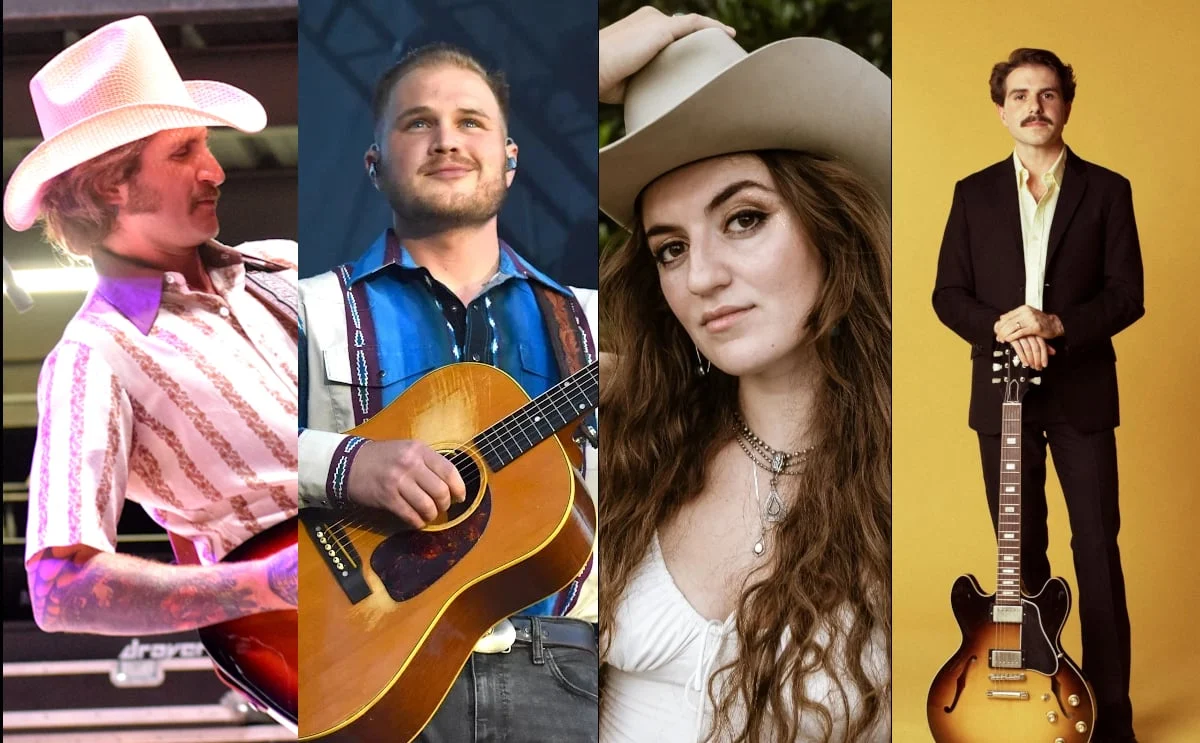
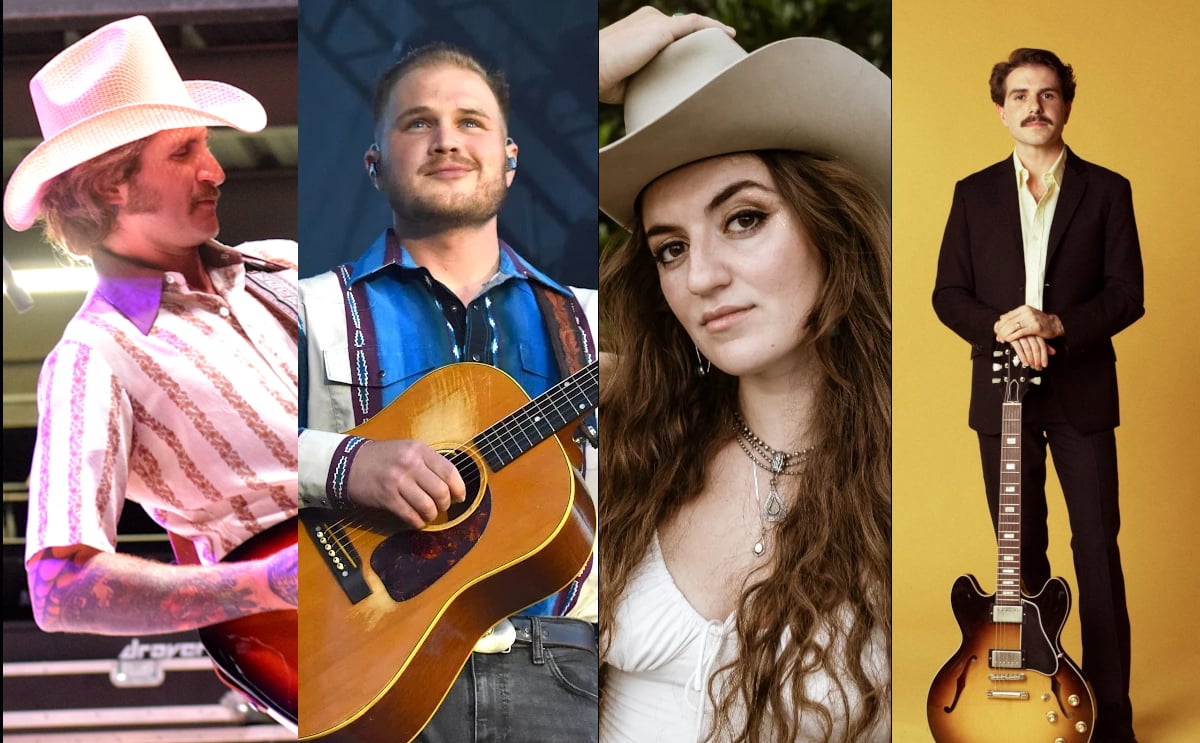
The autumn of 2026 continues to deliver a prolific schedule of musical offerings, as the third Friday of October brings a substantial wave of new titles across the country, Americana, and roots genres. Following a summer defined by high-profile festival appearances and significant chart movement, the current release window serves as a critical juncture for both established icons and rising independent voices. For music enthusiasts and industry analysts alike, the sheer volume of material arriving on October 16 necessitates a structured roadmap to navigate the diverse array of sounds, ranging from traditional honky-tonk and folk operas to posthumous outlaw country collections and high-profile EPs.
The Return of Jesse Daniel: A Cathartic Analog Experience
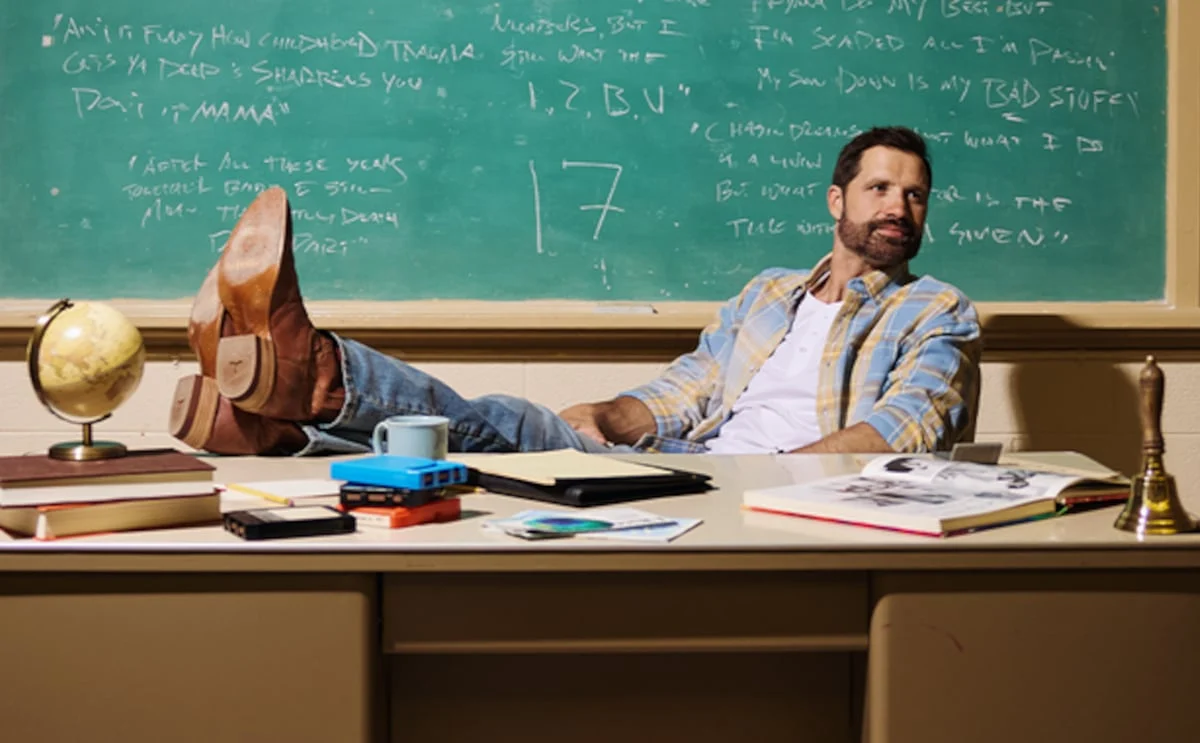
Among the most anticipated arrivals this week is Jesse Daniel’s latest studio effort, Looks Like Rain. This release marks a significant chapter in Daniel’s career, following a transitional period that saw the artist relocate from Texas back to his native California. Known for his revitalization of the Bakersfield sound and a rigorous touring schedule that defined his early career, Daniel has taken a more introspective approach with this new collection.
Looks Like Rain is a project nearly a decade in the making. According to the artist, the tracklist includes compositions dating back ten years, with the title track itself being a reimagining of a song that first appeared on his 2018 self-titled debut. Recorded nearly two years ago, the album utilizes a strictly analog process, captured live to tape to preserve an organic, "stripped-down" songwriter aesthetic.
In statements regarding the album’s thematic weight, Daniel emphasized that the record serves as a cathartic medium for navigating complex human emotions. The songs address heavy subject matter, including grief, suicide, the loss of friends, and the death of a pet. This departure from high-energy "bangers" suggests a deliberate move toward artistic vulnerability, positioning Daniel as a premier storyteller within the modern independent country landscape.
The Evolution of Texas Honky-Tonk: Matt Tedder and Wyatt McCubbin
The Texas music scene remains a powerhouse of talent, as evidenced by the new releases from Matt Tedder and Wyatt McCubbin. Both artists have spent years honing their craft in the trenches of live performance before stepping into the spotlight with these definitive studio projects.
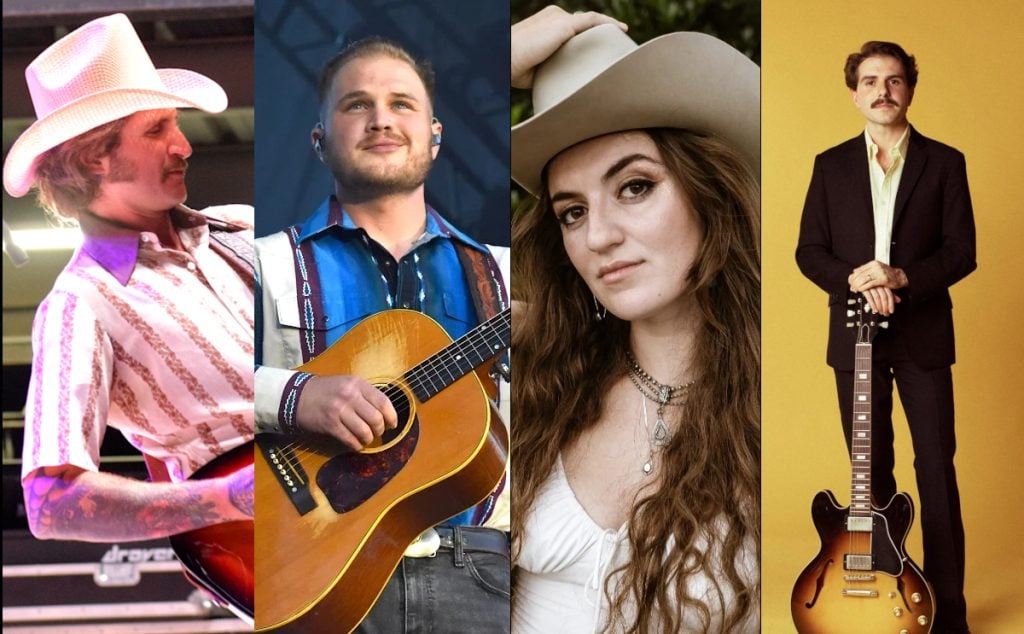
Matt Tedder, often referred to by the moniker "The Shredder" due to his technical proficiency on the guitar, releases Light Touch today. Despite his reputation for fast-fingered "pyrotechnics," the album’s title reflects a shift toward a more sophisticated and nuanced interpretation of Texas honky-tonk. Tedder’s trajectory saw a significant shift in early 2025 when he moved to Austin, eventually securing a Sunday residency at the renowned South Congress venue, Sagebrush. This residency served as the laboratory for the songs on Light Touch, many of which were written to satisfy the demands of the Austin dancehall crowd.
Simultaneously, Wyatt McCubbin presents 650, an album that signifies his transition from a sought-after Nashville songwriter to a primary recording artist. Since arriving in Nashville in 2013, McCubbin has penned tracks for industry heavyweights such as Luke Combs, Cody Johnson, and Zach Top. His debut full-length effort, produced by the legendary Dave Cobb, is released under Cobb’s own Lucille Records. Cobb has drawn comparisons between McCubbin and legendary figures like Don Williams and Kris Kristofferson, noting McCubbin’s ability to carry forward the legacy of the "songwriter-artist." The 36-minute record is the culmination of 16 years of professional development and personal experience.
Chloe Kimes and the Independent Struggle
Representing the Northern influence on the genre, Michigan native Chloe Kimes releases her sophomore album, Daredevil. Kimes, an MTSU songwriting graduate, gained initial traction during the post-pandemic era with the viral success of her single "Coors Light." Her new work explores the precarious nature of being an unsigned, independent artist in the modern era.

Kimes has described the concept of Daredevil as an exploration of fear and risk-taking. She likens the experience of a touring independent musician to that of a stuntman being launched into an abyss, a metaphor for the financial and emotional instability inherent in the music industry. The album is expected to further blend her traditional country roots with a contemporary, whimsical perspective that has made her a standout figure in the independent circuit.
Zach Bryan: Commercial Dominance and the "Young Manhood" Memoir
Zach Bryan, arguably the most influential commercial force in the contemporary country-folk crossover space, continues his prolific output with the Young Manhood and Other Donatable Organs EP. While an eight-song EP might be considered a minor release for some, for Bryan, it represents a significant industry event.
The EP features a high-profile collaboration with the Turnpike Troubadours titled "Plainsman," a track that analysts predict will become a career-defining moment for the Troubadours, following a trend seen in Bryan’s previous collaborations with artists like Sierra Ferrell and Kacey Musgraves. Additionally, the EP includes a guest appearance by Lana Del Rey, further cementing Bryan’s reach into the alternative and pop spheres.
In a move that expands his artistic footprint beyond music, the release is accompanied by a memoir. The book, also titled Young Manhood, chronicles Bryan’s upbringing, his service in the United States Navy, his rapid ascent to superstardom, and a candid reflection on the personal mistakes he has made under the public eye.
Conceptual Folk and Posthumous Legacies: Charlie Parr and David Allan Coe
The release schedule for October 16 also delves into the more experimental and historical corners of the genre. Charlie Parr, a master of the Dobro and a stalwart of the Upper Midwest folk scene, releases his 20th album, Rooming House. Published via Smithsonian Folkways, the album is framed as a "folk opera." Drawing from Parr’s own history of living in communal housing, the record provides a series of vignettes focusing on characters forced into shared living situations by economic hardship. The project explores themes of dignity and mutual aid during times of societal decline.
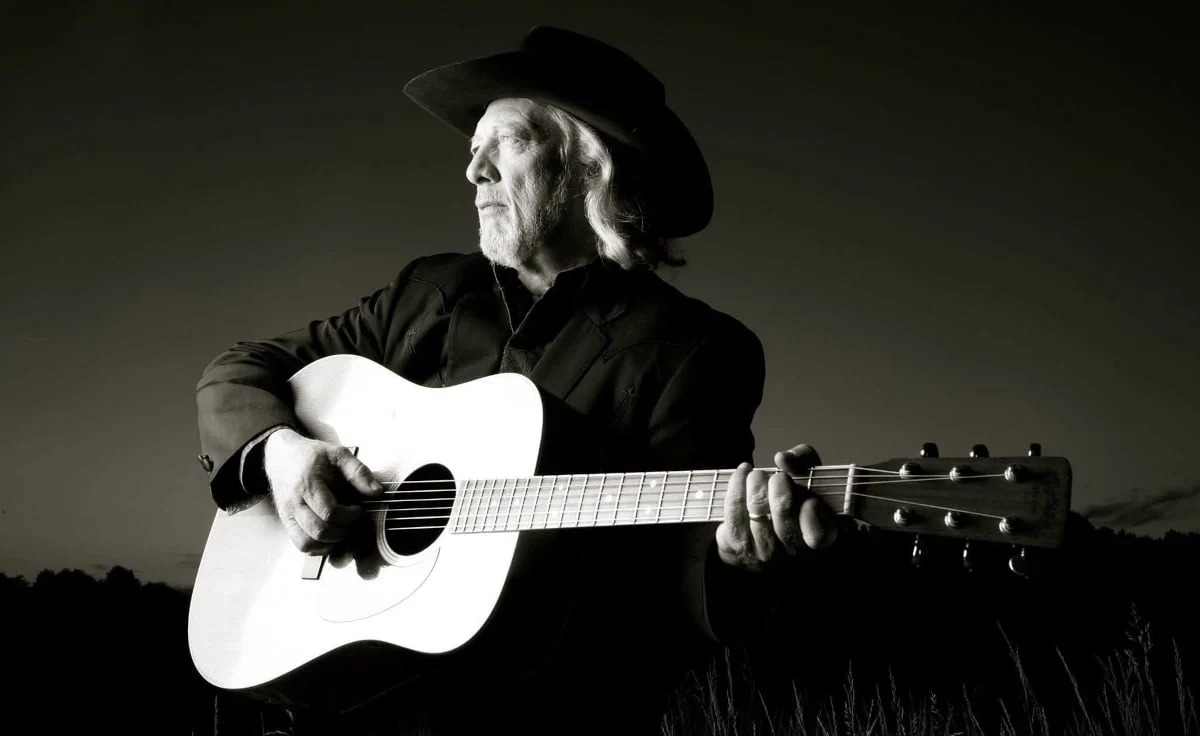
Finally, the industry sees the arrival of A Million Reasons, the final studio album from the late outlaw country legend David Allan Coe. The project has a long and complicated history, having been recorded in 2017 under the banner of Average Joes Entertainment. After years of legal and managerial shifts, including the acquisition of the master recordings by Ken Madson in 2022, the album is being released posthumously following Coe’s death.
A Million Reasons reflects the eclectic and often controversial nature of Coe’s later career. The tracklist reportedly features a blend of traditional country songwriting and contemporary country-rap, a genre Coe experimented with alongside artists like the Moonshine Bandits. This release serves as a final, multifaceted testament to one of the most polarizing figures in country music history.
Chronology of Production and Release
The albums arriving this week represent various timelines of creation, highlighting the different speeds at which the music industry operates:
- 2013-2026: Wyatt McCubbin’s journey from Nashville newcomer to Dave Cobb-produced artist.
- 2017: The initial recording sessions for David Allan Coe’s A Million Reasons.
- 2018-2026: The development of Jesse Daniel’s Looks Like Rain, including songs written a decade ago.
- Early 2025: Matt Tedder’s move to Austin, which catalyzed the writing for Light Touch.
- 2026: The rapid production and release cycle of Zach Bryan’s EP and memoir.
Broader Industry Implications
The diversity of the October 16 release slate underscores several key trends currently shaping the music industry. First, the continued success of artists like Jesse Daniel and Matt Tedder points to a robust market for traditional, analog-recorded country music that bypasses the polished production of mainstream Nashville. Second, the involvement of major producers like Dave Cobb in independent-leaning projects suggests a narrowing gap between "indie" and "prestige" country.

Furthermore, the simultaneous release of Zach Bryan’s music and memoir indicates a shift toward multi-media branding for top-tier artists. By controlling the narrative of his life through a book while releasing new music, Bryan is utilizing a holistic approach to artist-fan engagement that is becoming increasingly common in the digital age.
Finally, the posthumous release of David Allan Coe’s work and the conceptual folk opera of Charlie Parr demonstrate that the genre still holds space for historical preservation and social commentary. As these albums enter the marketplace, they contribute to a broader dialogue about the evolution of the American roots tradition and its resilience in a rapidly changing cultural landscape.
Additional Notable Releases for October 16
Beyond the primary highlights, several other artists have contributed to the week’s extensive catalog:

- The Tender Things: The Tender Things is a Nasty Band
- Don Cusic: Country Bob: Dylan and Country Music (Biographical Book)
- Uncle Ben’s Remedy: Garage Country
- Kenyon Lockry: Further Than California
- Belles: Midwestern
- Dave Sutherland: Just Like A Black And White Film
- J. Killen: Depression Dollars
- Jonathan Something: One More Lonesome Cowboy Song
- Lyal Strickland: Shooter of Truth
- Richard Thompson: Hippies, Thugs, and Heroes
- Kyle Kimbrell: Lonesome In The Sky
- The Cashville Trash Pandas: Self-Titled
- J.M. Clifford: Things That We Can’t Change
- Sadurn: The Underworld
- Bruce Cockburn: The Blood of Others
- Mae Estes: The ’90s Called (EP)
- Dave Alvin: Blackjack David (Deluxe Reissue)
This comprehensive influx of new music ensures that the final quarter of 2026 will be defined by a rich variety of voices, ensuring the continued vitality of the country and roots music traditions.