The Oregon State Department of Agriculture (OSDA) has issued an advisory following the identification of four new suspected cases of pigeon fever, a bacterial infection affecting horses and cattle, across Central Oregon. Three of these cases have been reported in Deschutes County, a region known for its vibrant equestrian community, with an additional suspected case surfacing in neighboring Crook County. These confirmed suspicions are accompanied by reports of numerous other horses having been exposed, raising concerns among equine owners and veterinary professionals about the potential for broader dissemination of the disease as the region approaches its typical peak season for infection. The prompt reporting and investigation by the OSDA underscore the state’s commitment to animal health surveillance and the collaborative efforts required to manage infectious diseases within the equine population.
Understanding Pigeon Fever: A Persistent Equine Threat
Pigeon fever, scientifically known as Corynebacterium pseudotuberculosis infection, is an insidious bacterial disease that primarily affects horses, but can also be found in cattle and other species. The moniker "pigeon fever" derives from the characteristic large, often painful abscesses that commonly develop on the chest, giving the appearance of a pigeon’s puffed-out breast. However, these external abscesses can manifest in various locations, including the ventral abdomen, groin, and even the head and neck. Beyond these visible lesions, a more severe form of the disease, known as internal abscessation, can occur, where the bacteria infiltrate organs such as the liver, spleen, lungs, or kidneys, leading to more generalized and often life-threatening symptoms like weight loss, fever, lethargy, and colic. Another manifestation, ulcerative lymphangitis, involves swelling and abscessation of the limbs, particularly the hind limbs, due to infection of the lymphatic vessels.
Horses typically contract Corynebacterium pseudotuberculosis when the bacteria enter the body through compromised skin, such as minor scrapes, cuts, insect bites, or other small wounds. Once inside, the bacteria can multiply and spread, forming the characteristic purulent pockets. The bacterium is hardy, capable of surviving for extended periods in the environment, particularly in soil and manure, contributing to its endemic nature in many parts of the United States, especially the arid and semi-arid regions of the West and Southwest. The peak season for infection traditionally spans from late summer through fall, coinciding with warmer temperatures and increased insect activity, particularly by flies that can act as mechanical vectors, transferring the bacteria from contaminated surfaces or infected horses to open wounds on healthy animals.
Geographical Context and Epidemiological Significance
Deschutes and Crook Counties, located in the high desert of Central Oregon, represent significant agricultural and recreational hubs with substantial equine populations. Deschutes County, encompassing cities like Bend and Redmond, is home to numerous ranches, equestrian facilities, and hosts various rodeos and horse-related events throughout the year. Similarly, Crook County, with Prineville as its county seat, boasts a rich history in ranching and a strong equestrian presence. The reported cases in these areas highlight the persistent challenge posed by Corynebacterium pseudotuberculosis in regions where horses are frequently housed outdoors, interact with diverse environments, and are exposed to fluctuating seasonal conditions.
Historically, pigeon fever has been a recurrent issue in the Western United States. While specific, granular data for every single year in Oregon might not be publicly cataloged with the same detail as more high-profile diseases, veterinary epidemiologists and state animal health officials consistently monitor its presence. The disease is considered endemic in states like California, Arizona, Texas, and Oregon, meaning it is consistently present within the population at a certain level, with periodic outbreaks or increased case numbers. The environmental resilience of the bacterium in the soil makes complete eradication challenging, requiring continuous vigilance and proactive management strategies from horse owners and veterinarians alike. The current cluster of suspected cases in Central Oregon signals a heightened period of activity for the pathogen, prompting the OSDA to reinforce biosecurity recommendations.
The Role of Surveillance and Communication: EDCC and State Agencies
The dissemination of verified equine disease reports is a critical component of managing and mitigating outbreaks. In this instance, the information utilized by EDCC Health Watch, an Equine Network marketing program, originates from the Equine Disease Communication Center (EDCC). The EDCC is an independent, non-profit organization that plays a pivotal role in the national equine health landscape. Supported entirely by industry donations, the EDCC provides open access to timely and accurate infectious disease information, serving as a central hub for veterinarians, horse owners, and state animal health officials to report and access data. This collaborative model ensures that critical health alerts, such as the current pigeon fever cases in Oregon, are rapidly shared, enabling stakeholders to implement protective measures without delay.
The Oregon State Department of Agriculture is the primary state agency responsible for safeguarding animal health within Oregon. Its Veterinary Diagnostic Laboratory and Animal Health Program conduct surveillance, investigate disease outbreaks, implement control measures, and provide guidance to livestock and horse owners. The OSDA’s swift reporting of these suspected pigeon fever cases underscores its commitment to publicizing potential threats to equine health. Officials from the OSDA consistently emphasize the importance of a robust reporting system, urging veterinarians and horse owners to promptly notify the department of any suspected cases of reportable diseases or unusual disease occurrences. This proactive approach allows for rapid epidemiological assessment, identification of risk factors, and targeted interventions to prevent wider spread. The collaboration between organizations like the EDCC and state agencies like the OSDA forms the backbone of an effective animal disease surveillance network, crucial for protecting the health and economic viability of the equine industry.
Prevention and Management Strategies
Limiting the spread of pigeon fever relies heavily on the diligent application of good horse health safety practices, collectively known as biosecurity. Given the environmental persistence of Corynebacterium pseudotuberculosis and its opportunistic mode of transmission, a multi-faceted approach is essential.
Biosecurity Protocols
- Strict Hygiene and Sanitation: Regular and thorough cleaning and disinfection of stalls, paddocks, communal areas, and equipment (brushes, halters, shared tack) are paramount. Manure should be removed frequently and disposed of properly, as it can harbor the bacteria.
- Wound Care: All wounds, no matter how minor, should be cleaned immediately and treated appropriately to prevent bacterial entry. Fly repellents and protective wound dressings can further minimize the risk.
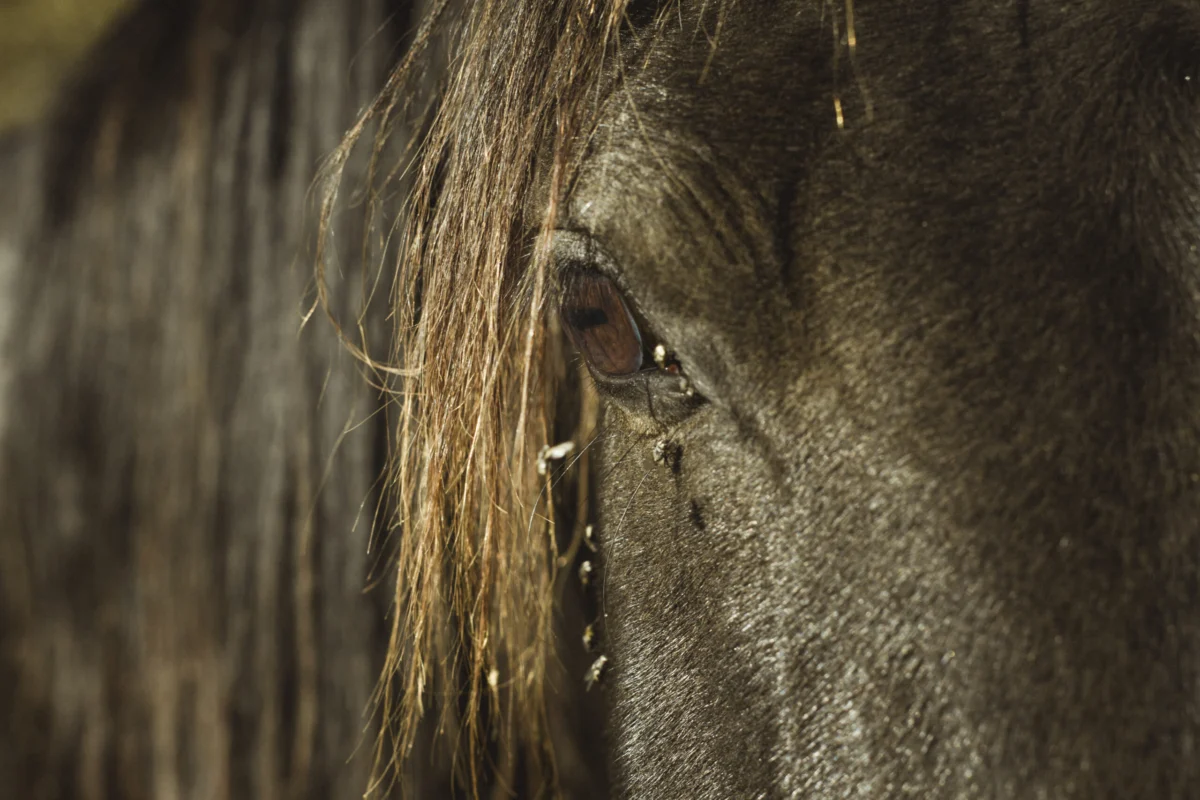
- Effective Fly Control: Since flies are implicated in mechanical transmission, aggressive fly control measures are crucial. This includes fly masks, fly sheets, topical repellents, premise sprays, manure management to reduce breeding sites, and potentially feed-through fly control products.
- Isolation and Quarantine: Any horse suspected of having pigeon fever, or confirmed cases, should be immediately isolated from healthy animals to prevent direct or indirect transmission. New horses introduced to a herd should undergo a quarantine period, typically 3-4 weeks, during which they are monitored for any signs of illness.
- Personal Protective Equipment (PPE): When handling infected or suspected horses, individuals should wear gloves and practice strict hand hygiene, especially when lancing or draining abscesses, to prevent self-contamination and further spread. Contaminated materials should be disposed of safely.
Clinical Management
If a horse owner suspects that their animal is affected by pigeon fever, immediate contact with a veterinarian is imperative. Early diagnosis and intervention can significantly impact the outcome.
- Diagnosis: Veterinarians will typically diagnose pigeon fever based on clinical signs, but confirmation often involves culturing bacteria from abscess fluid. Serological tests, such as the Synergistic Hemolysin Inhibition (SHI) test, can also detect antibodies to the bacteria, indicating exposure or infection, particularly useful for detecting internal abscesses.
- Treatment: Treatment primarily involves the surgical drainage of mature abscesses, allowing the pus to be expelled. This process must be done carefully to avoid contaminating the environment. In conjunction with drainage, antibiotics are often prescribed, particularly for internal abscesses or cases of ulcerative lymphangitis, though the choice and duration depend on the severity and location of the infection. Supportive care, including anti-inflammatory medications and pain relief, is also crucial for the comfort and recovery of the affected horse.
- Environmental Decontamination: After an infected horse has been treated and recovered, or if an area was heavily contaminated by draining abscesses, thorough cleaning and disinfection of the environment are necessary to reduce the bacterial load and minimize the risk to other animals.
Economic and Welfare Implications for the Equine Industry
The emergence of pigeon fever cases carries significant economic and welfare implications for the equine industry in Oregon and beyond. For individual horse owners, the financial burden can be substantial. Veterinary costs can quickly escalate, encompassing diagnostic tests, repeated farm calls for abscess drainage, antibiotic prescriptions, pain management, and potentially prolonged hospitalization for severe internal abscesses. Recovery can be lengthy, often spanning several weeks to months, during which time the horse may be unable to train, compete, or participate in breeding programs. This loss of use represents a direct economic impact, particularly for performance horses or those used in commercial operations.
Beyond individual animal costs, widespread outbreaks can have broader ripple effects. Equestrian events, such as shows, competitions, and rodeos, may face cancellation or reduced participation due to concerns about disease transmission. This impacts event organizers, vendors, local businesses that benefit from equestrian tourism, and the overall vitality of the equine community. Furthermore, the presence of an infectious disease like pigeon fever can affect horse sales and interstate movement, as buyers and transport companies may be hesitant to move animals from or through affected regions. The stress on both animals enduring the painful abscesses and owners managing the intensive care and financial strain is also a significant welfare concern that often goes unquantified but is deeply felt.
Broader Public Health Considerations
While primarily an equine disease, Corynebacterium pseudotuberculosis is considered a zoonotic pathogen, meaning it can, under rare circumstances, be transmitted from animals to humans. Human infections typically occur through direct contact with infected animals or contaminated materials, particularly when handling draining abscesses or performing veterinary procedures without adequate protection. The most common manifestation in humans is lymphadenitis, an infection of the lymph nodes, often presenting as skin lesions or abscesses similar to those seen in horses. Although human cases are uncommon and generally respond well to antibiotic treatment, the potential for zoonotic transmission underscores the importance of stringent hygiene practices for anyone interacting with horses, especially those suspected of having pigeon fever. Wearing gloves, washing hands thoroughly after handling animals, and exercising caution around open wounds or draining abscesses are crucial preventative measures for human health.
Looking Ahead: Vigilance and Collaborative Action
The recent cluster of suspected pigeon fever cases in Deschutes and Crook Counties serves as a stark reminder of the continuous challenges posed by endemic equine diseases. As Oregon moves further into the typical peak season for this infection, sustained vigilance from all stakeholders within the equine community will be paramount. Horse owners are strongly encouraged to remain observant for any signs of illness, including swelling, lameness, or fever, and to consult their veterinarian immediately if pigeon fever is suspected. Prompt reporting to the OSDA is also vital for accurate epidemiological tracking and effective public health advisories.
The long-term management of Corynebacterium pseudotuberculosis requires a sustained commitment to biosecurity, environmental management, and collaborative efforts between state animal health officials, veterinary practitioners, and horse owners. Ongoing research into improved diagnostics, effective vaccines (none are currently widely available for the equine form of the disease), and enhanced treatment protocols continues to be important. By adhering to established best practices and fostering an environment of open communication and rapid response, the Oregon equine industry can collectively work to mitigate the impact of pigeon fever and safeguard the health and well-being of its valuable horse population. The EDCC and OSDA will continue to monitor the situation closely, providing updates and guidance as necessary to ensure the health and safety of Oregon’s horses.