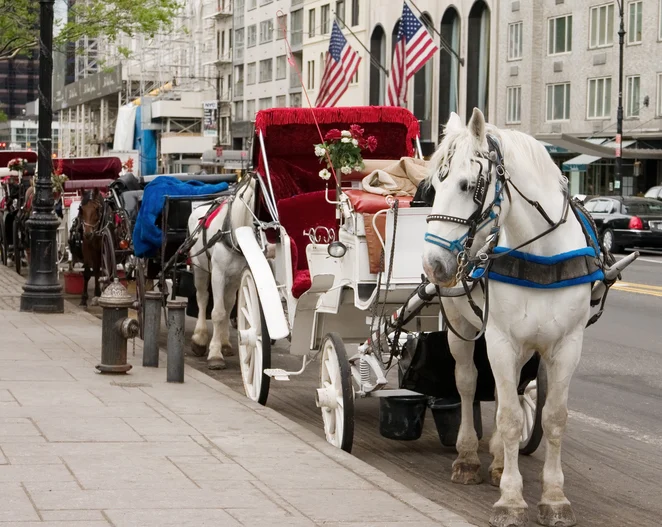
NEW YORK, NY – October 22, 2026 – In a landmark decision poised to reshape one of its most enduring tourist attractions, the New York City Council has voted overwhelmingly to phase out horse-drawn carriage operations on the city’s bustling streets by June 1, 2028. The 40-7 vote marks a historic victory for animal welfare advocates and a significant policy shift driven by escalating public safety concerns, particularly following a recent tragic fatality. Mayor Zohran Mamdanin, a vocal supporter of the legislation, is now expected to sign the bill into law, solidifying the end of an era that has spanned more than 160 years.
A Tragic Catalyst: The Legacy of Romanch’s Law
The legislation, formally known as Romanch’s Law, carries a poignant and solemn namesake. It honors Romanch Mahajan, an 18-year-old who tragically lost his life on June 17, 2026, after a devastating accident involving a horse-drawn carriage in Central Park. Mahajan’s death served as a stark and urgent reminder of the inherent risks associated with operating large animals and carriages in a dense urban environment, igniting a renewed push for action after decades of stalled efforts. The incident brought into sharp focus the precarious balance between preserving a historical tradition and ensuring the safety of both animals and the millions of residents and tourists who navigate New York City’s iconic spaces.
For years, activists, concerned citizens, and public officials have raised alarms about the welfare of the horses, often citing issues such as extreme weather conditions, the stress of constant city noise and traffic, and the confined nature of their stabling. Concurrently, the increasing congestion in areas like Central Park, which now welcomes over 42 million visitors annually, amplified fears about pedestrian and vehicular safety. Romanch Mahajan’s death, transforming abstract concerns into a tangible tragedy, provided the undeniable impetus for the City Council to act decisively.
A Decades-Long Debate Culminates in Legislative Action
The history of horse-drawn carriages in New York City stretches back to 1858, when they primarily served as a mode of transportation. Over time, their role evolved, becoming a quintessential tourist experience, synonymous with romantic rides through Central Park. However, this picturesque image has long been shadowed by persistent controversy.
The debate intensified significantly in recent decades, pitting the tradition-bearers and industry workers against a growing chorus of animal welfare organizations and urban planning experts. Groups like the American Society for the Prevention of Cruelty to Animals (ASPCA), founded in New York City in 1866 with the specific mission of protecting animals, have been at the forefront of this movement. They have consistently argued that despite regulatory efforts to improve conditions, the fundamental incompatibility of horse-drawn carriages with modern, high-traffic city streets remains an insurmountable challenge.
Previous attempts to ban or severely restrict the industry often met with fierce resistance from carriage drivers, who argued for their right to livelihood and the cultural significance of their trade. These drivers often highlighted their deep care for their horses, the economic contributions of the industry, and the historical authenticity they believed they offered to the city’s tourism landscape. The political will to overcome these entrenched positions often faltered, leading to a cyclical pattern of debate, proposals, and eventual deferral. Romanch’s Law, originally known as Ryder’s Law before its renaming, represents a successful navigation through this historically complex legislative terrain.
The Legislative Framework: Introduction 943-A
The successful passage of Introduction 943-A, championed by Council Member Christopher Marte, outlines a clear path for the industry’s dissolution. The bill prohibits the issuance of new licenses for carriage horses, horse-drawn cabs, and horse-drawn cab drivers on or after June 1, 2028. All existing licenses active before this date will permanently expire on May 31, 2028, and will not be eligible for renewal. This 19-month wind-down period is designed to allow for an orderly transition, mitigating immediate disruptions while ensuring the industry’s eventual cessation.
A crucial component of Romanch’s Law addresses the humane disposition of the carriage horses. The bill explicitly prohibits their sale or transfer for "inhumane purposes," specifically banning their sale for slaughter or for use in another horse-drawn cab business elsewhere. This provision aims to prevent the horses from simply being relocated to similar exploitative conditions or facing a grim end, underscoring the welfare-driven nature of the legislation.
Furthermore, the law mandates that city agencies designated by the Mayor establish a comprehensive horse-drawn cab industry transition plan by April 1, 2027. This plan is envisioned to include a robust workforce transition program, offering support for horse-drawn cab owners, drivers, and stable workers. It will also consider programs to assist carriage horse owners with the responsible disposition of their animals and equipment, and potentially provide compensation for the value of their businesses, licenses, and assets. These provisions reflect a concerted effort to balance animal welfare with economic justice for those whose livelihoods are directly impacted.
Voices from the Council: Commitment to Welfare and Workers
Speaker Julie Menin articulated the Council’s profound commitment, stating, "Today, the City Council made history. Our landmark vote to pass Romanch’s Law is a demonstration of this Council’s commitment to animal welfare, public safety and worker protection." She emphasized the urgency created by Romanch Mahajan’s death, calling it a "tragic and preventable" incident that underscored the need for swift action after "decades of mounting concerns."
Menin highlighted several key factors contributing to the unsustainability of the status quo: "From longstanding animal welfare concerns and increasingly extreme heat conditions to historic overcrowding in Central Park… the status quo has become unsustainable and unsafe for horses and people alike." She noted the extensive public discourse, including "hours of testimony from carriage drivers, animal welfare advocates, City officials and constituents," which shaped the resulting plan. The Speaker praised Council Member Marte for his leadership and thanked colleagues and advocates for their partnership in this "historic initiative."
Council Member Christopher Marte echoed these sentiments, emphasizing the dual focus of the legislation. "Today, the Council passed legislation that protects horses and passengers while supporting carriage workers as they move into new livelihoods," Marte said. "Romanch’s Law provides time for that transition and requires the city to help workers access job opportunities, training and career support. We wanted this bill to work for everyone, and our office worked hard to build the majority behind it." Marte acknowledged the enduring efforts of advocates and the bravery of the Mahajan family, crediting their persistence with finally bringing an end to the long-standing debate.
Industry Response and Transition Challenges
While the City Council’s vote represents a victory for animal welfare advocates, it simultaneously presents significant challenges for the horse-drawn carriage industry. The industry, comprising a relatively small but tightly-knit community of owners, drivers, and stable workers, has historically been vocal in defending its operations. Representatives from the industry have often emphasized the cultural heritage aspect of the carriages, positioning them as an integral part of New York City’s charm and a beloved attraction for tourists. They have also maintained that their horses are well-cared for, receiving regular veterinary attention and comfortable stabling.
The transition plan mandated by Romanch’s Law will be critical in addressing the economic dislocation faced by these workers. The specifics of the "workforce transition program," including retraining initiatives, job placement services, and potential financial aid or severance packages, will determine the smoothness of this shift. Compensation for the value of businesses, licenses, and equipment also presents a complex valuation challenge, requiring careful negotiation and fair assessment to avoid protracted legal disputes or severe financial hardship for owners. The designated city agencies, yet to be fully specified, will bear the immense responsibility of implementing these programs effectively and equitably.
Animal Welfare Advocates Applaud a Historic Win
The American Society for the Prevention of Cruelty to Animals (ASPCA) expressed profound relief and gratitude following the vote. As an organization deeply rooted in New York City’s history of animal protection, the end of horse-drawn carriages in its hometown marks a culmination of decades of advocacy. Matt Bershadker, President and CEO of the ASPCA, hailed the decision: "We are grateful to Council Member Marte and Speaker Menin for their leadership in passing this historic legislation, and we urge Mayor Mamdani to sign Intro. 943 into law, phasing out horse-drawn carriages while providing a responsible path forward for both the horses and the workers who depend on the industry."
The ASPCA has long argued that even with improved regulations, the inherent dangers of operating large animals in congested urban settings cannot be fully mitigated. Issues like air pollution, noise, unpredictable traffic, and extreme temperature fluctuations—especially during New York City’s increasingly hot summers—pose unacceptable risks to the horses’ physical and psychological well-being. Data on heat-related incidents and minor accidents, while not always publicly centralized, have consistently fueled their calls for an end to the practice. The organization views Romanch’s Law as a thoughtful and compassionate resolution, backed by broad support from various stakeholders.
Crucially, the ASPCA has pledged its support for the humane disposition of the carriage horses. Through its extensive network of equine rescue partners and by providing resources and grant funding, the organization is prepared to assist owners in finding safe, appropriate, and long-term homes for their animals. A coalition of equine rescues, sanctuaries, and retirement organizations has also mobilized, offering their collective support to ensure every horse has the opportunity for a dignified future away from the city streets.
Broader Implications: Safety, Traffic, and Tourism
The phase-out of horse-drawn carriages carries significant implications for New York City beyond animal welfare. From a public safety perspective, removing these slow-moving, unpredictable vehicles from high-traffic areas, particularly around Central Park, is expected to reduce the risk of accidents involving pedestrians, cyclists, and automobiles. This could lead to a safer environment for the millions who visit and navigate these iconic spaces daily. The reduction of animal waste on city streets is also a minor but notable benefit to urban cleanliness and public health.
In terms of urban planning and traffic management, the removal of horse-drawn carriages may contribute to improved traffic flow in and around Central Park, a perennial choke point for vehicles and pedestrians alike. While the number of carriages is relatively small compared to overall city traffic, their slow speed and unique operational requirements (e.g., pulling over, turning) can create localized bottlenecks.
For New York City’s vital tourism industry, the decision presents a mixed bag. Some may lament the loss of a "classic" New York experience, a staple in countless films and travel guides. However, the city’s tourism sector is incredibly diverse and resilient, consistently attracting tens of millions of visitors annually for its cultural institutions, culinary scene, shopping, and iconic landmarks. The absence of horse-drawn carriages could open opportunities for new, perhaps more modern and environmentally friendly, experiential offerings in Central Park, such as electric pedicabs or enhanced walking tours, which would align with contemporary values of sustainability and animal welfare.
Joining a Growing Global Movement
New York City’s decision is not an isolated one; it places the metropolis squarely within a growing global movement of cities re-evaluating the place of horse-drawn carriages in modern urban centers. Major cities across the United States, including Chicago, Philadelphia, and Salt Lake City, have already ended or prohibited these operations, recognizing the inherent challenges. Internationally, metropolises such as London, Paris, Toronto, Barcelona, Montreal, and Beijing have either significantly limited or completely phased out horse-drawn carriages, citing similar concerns regarding animal welfare, public safety, and urban congestion. This trend reflects an evolving societal understanding of animal ethics and the practicalities of maintaining such operations in increasingly dense and fast-paced environments.
Looking Ahead: Implementation and Oversight
The next 19 months will be a critical period of transition. City agencies will be tasked with developing and implementing the comprehensive plan for workers and horses, a process that will require careful coordination, stakeholder engagement, and robust oversight. The success of Romanch’s Law will hinge not only on its passage but on its compassionate and effective execution, ensuring that both the animals and the people whose livelihoods depended on them are given the best possible path forward. The ASPCA and other animal welfare organizations have pledged to remain actively involved, working with city leaders and partners to support responsible implementation and ensure every carriage horse finds a safe and humane future.
This historic vote by the New York City Council represents a profound shift in how one of the world’s most iconic cities balances tradition with contemporary values of animal welfare and public safety. It underscores the power of sustained advocacy and the indelible impact of a tragic event in spurring decisive legislative action.