Establishing a successful horse farm is a complex endeavor that extends far beyond the desire to own and care for equines. As highlighted in the initial installment of this series, comprehensive planning is paramount. This second part delves into the critical aspect of environmental planning, emphasizing that the environment must be conducive to the intended farm operation, rather than attempting to force an operation onto an unsuitable landscape. This principle underscores the necessity of aligning farm goals with the inherent characteristics of the chosen location.
The Primacy of Environmental Fit
The foundational tenet of establishing a horse farm is recognizing that the environment dictates the feasibility and sustainability of the operation. It is a fundamental misconception to believe that a farm can be molded to fit any environment. Instead, the environment itself must be evaluated for its suitability to support the desired scale, type, and management practices of a horse farm. This proactive approach mitigates future challenges and optimizes the potential for success, safeguarding both the welfare of the animals and the economic viability of the enterprise.
Climate: A Defining Factor in Equine Husbandry
Climate plays an instrumental role in the daily management and long-term success of any agricultural operation, and horse farms are no exception. Prospective farm owners must conduct a thorough assessment of the prevailing climatic conditions of their chosen location. This includes understanding the typical temperature ranges throughout the year, the average precipitation levels, and the frequency and intensity of extreme weather events.
Considerations such as excessive rainfall can lead to waterlogged pastures, increasing the risk of laminitis and other hoof-related ailments, while also creating challenging conditions for grazing and exercise. Conversely, prolonged droughts can deplete water sources, necessitate costly supplemental feed, and degrade pasture quality. Areas prone to severe storms, such as hurricanes, tornadoes, or blizzards, require robust infrastructure designed to withstand such forces and detailed emergency preparedness plans. Furthermore, understanding the susceptibility to poor soil conditions, which can impact pasture growth and drainage, and the effects of consistently high or low temperatures, or persistent windy conditions, are all crucial elements of climate assessment. Without this foresight, a farm owner may find themselves perpetually reacting to environmental challenges rather than proactively managing them.
For instance, regions with distinct dry seasons may require sophisticated irrigation systems and drought-resistant forage options, while areas with harsh winters necessitate well-insulated barns, reliable heating systems, and adequate supplies of stored feed. The economic implications are significant; investing in climate-appropriate infrastructure and management strategies upfront can prevent costly damage and loss of livestock and revenue in the long run.
Geography: The Foundation of the Farm
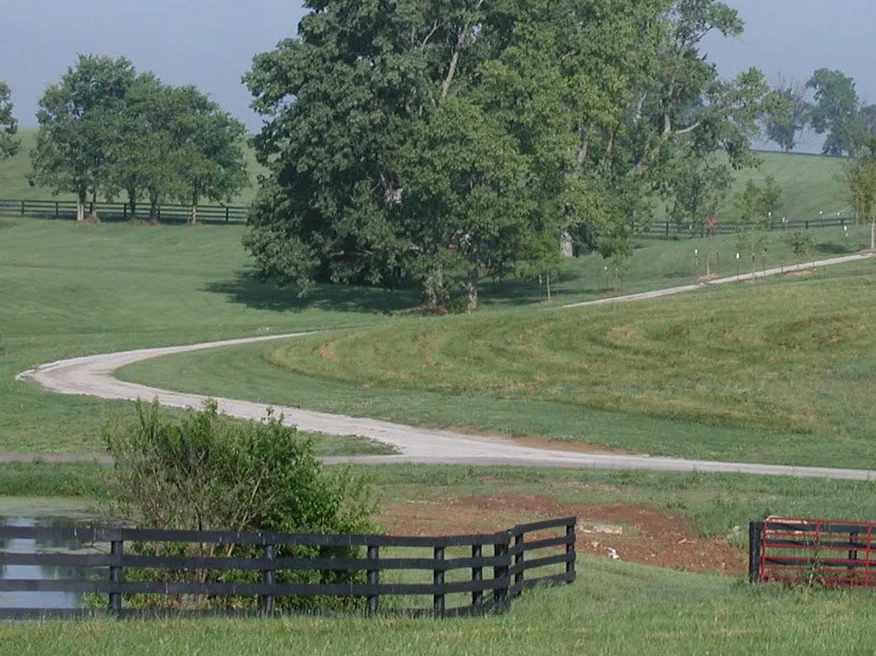
The geographical characteristics of a piece of land are intrinsically linked to its suitability for a horse farm. Factors such as terrain, soil type, and drainage patterns directly influence pasture management, facility placement, and overall operational efficiency.
Terrain: Is the land predominantly flat, gently rolling, or steeply sloped? Steep inclines can pose risks for horses, particularly during exercise, and may complicate the construction of fences and buildings. Hilly terrain can also create microclimates, with some areas receiving more sun and others remaining shaded and damp, affecting pasture growth and horse comfort.
Soil Composition: The type of soil—whether rocky, sandy, clay-heavy, or loamy—is critical, especially for operations relying on grazing. Ideal soils for horse pastures are typically well-draining and capable of supporting a healthy and resilient growth of grasses suitable for equine consumption. Sandy soils may drain too quickly, leading to rapid drying of pastures, while clay soils can become compacted and waterlogged, hindering root growth and creating muddy conditions. Rocky terrain can be challenging for pasture establishment and can pose a risk of injury to horses.
Carrying Capacity: A key geographical consideration is the land’s carrying capacity – the number of horses it can sustainably support per acre through grazing. This calculation depends on soil fertility, rainfall, and the type of grasses present. Overgrazing can lead to pasture degradation, soil erosion, and increased reliance on supplemental feeding, which can be economically burdensome. Therefore, adequate acreage for pasture rotation is essential to allow grasses to recover and to maintain a healthy ecosystem. For example, a common benchmark suggests that two to three acres per horse are needed for year-round grazing in many temperate climates, though this can vary significantly based on pasture quality and management. Without sufficient land for rotation, maintaining healthy pastures can become an insurmountable challenge, necessitating extensive mowing to prevent overgrowth and maintain quality.
The historical success of certain regions in horse breeding offers compelling evidence of geographical influence. Lexington, Kentucky, for instance, earned its reputation as a premier Thoroughbred and Standardbred breeding hub due to its unique limestone-based soil, rich in essential minerals, and abundant, high-quality water sources. Similarly, Ocala, Florida, benefits from similar limestone geology, contributing to its status as a significant center for equine operations. These examples illustrate how specific geological formations can naturally support the health and performance of horses, creating ideal environments for specialized equine disciplines.
Natural Resources: Water, Drainage, and Beyond
The availability and management of natural resources are critical for the day-to-day functioning of a horse farm. Water is the most vital resource, and its availability can be influenced by various geographical features.
Water Sources: Natural water sources such as ponds, lakes, springs, or wells can be invaluable. However, these same features can also present challenges. Ponds and lakes can become breeding grounds for algae and parasites, requiring regular maintenance. Springs and seeps can contribute to boggy ground, necessitating careful fencing to prevent horses from accessing hazardous areas or damaging sensitive ecosystems. The presence of these features also necessitates an understanding of water quality and potential contamination.
Municipal Water: In many areas, access to municipal water supplies is an option. However, this often comes with usage restrictions and costs. A thorough understanding of local water regulations and the capacity of the municipal supply is essential.
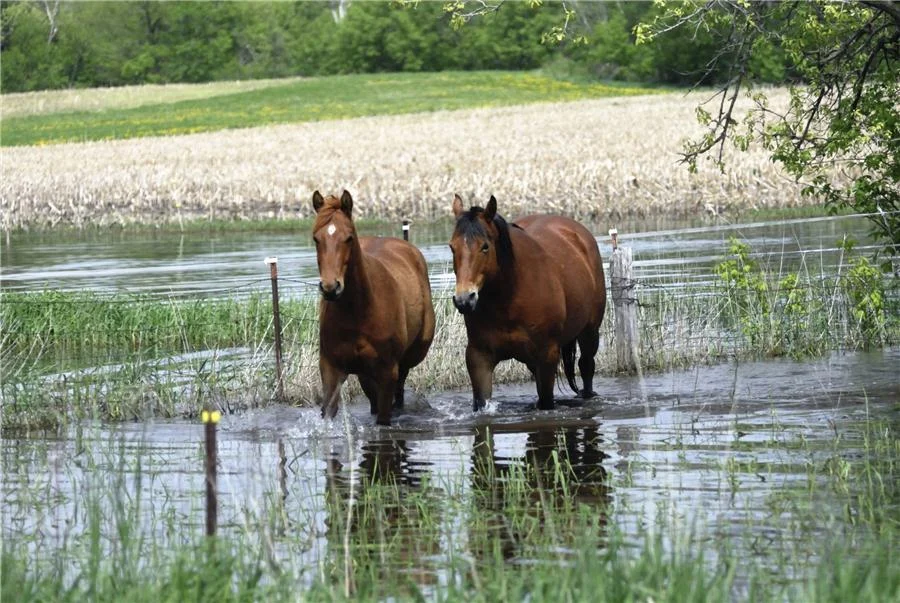
Drainage and Flood Risk: Beyond water sources, effective drainage is paramount. Poor drainage can lead to muddy paddocks, increased parasite loads, and a generally unhealthy environment for horses. Conversely, areas prone to flooding pose an immediate and severe threat to the safety of the animals and the integrity of farm infrastructure. Understanding historical flood patterns and potential future risks based on climate change projections is a critical component of environmental planning. For instance, data from the National Oceanic and Atmospheric Administration (NOAA) can provide historical context on flood frequency and intensity in a given region, guiding decisions about building elevations and flood mitigation strategies.
The presence of these natural features also dictates the feasibility and cost of infrastructure development. Rocky terrain can make digging trenches for water lines or installing septic systems prohibitively expensive. The suitability of the soil for drainage and construction is a significant factor in the overall budget and timeline for establishing a farm.
Aesthetic Value and Environmental Considerations
While often considered secondary to practical concerns, the aesthetic value of a property and its surrounding environment can have a tangible impact on property values and the overall quality of life for both humans and animals.
Landscape Features: The presence of mature trees, streams, or scenic vistas can enhance the appeal of a property. However, it is crucial to assess these features from a functional perspective as well. Certain tree species, such as black walnut or cherry, produce toxins that can be harmful or even fatal to horses if ingested. These trees must be identified and either removed from pastures or securely fenced off to prevent access.
Neighboring Properties: The condition and usage of neighboring properties can also influence the aesthetic appeal and value of a horse farm. Well-maintained adjacent properties can contribute positively, while neglected or incompatible land uses can detract from the overall environment. This underscores the importance of understanding local zoning regulations and community development plans.
The Human Element: Community and Regulatory Landscape
Beyond the physical environment, the "human environment" plays a crucial role in the success of a horse farm. This encompasses the social and regulatory context in which the farm operates.
Community Support and Synergy: Many successful horse farm clusters have developed in areas where there is a strong community of like-minded individuals involved in specific breeds or disciplines. This can foster a supportive ecosystem, providing access to specialized veterinarians, farriers, trainers, and other service providers. A concentrated horse community can also amplify the collective voice of its members when addressing local concerns, such as zoning changes or development proposals that could impact agricultural land.
Zoning and Land Use Regulations: Zoning regulations are a critical, and often overlooked, aspect of environmental planning. Purchasing land in an area experiencing rapid urbanization or industrial development can lead to significant challenges. Increased traffic, noise pollution, and potential changes in land use can disrupt the peaceful environment necessary for horses and create conflicts with neighbors. It is imperative to thoroughly research local zoning ordinances and future land-use plans before acquiring property. Understanding these regulations can prevent costly mistakes and ensure the long-term viability of the horse operation. For instance, some jurisdictions have specific setback requirements for stables or restrictions on the number of horses allowed per acre, which must be factored into the farm’s design and operational capacity.
In conclusion, establishing a horse farm requires a holistic approach to environmental planning. By meticulously evaluating climate, geography, natural resources, aesthetic considerations, and the human element, prospective farm owners can make informed decisions that lay the groundwork for a sustainable, successful, and harmonious equine operation. The adage that "you can’t make a farm fit the environment; the environment must fit the farm" serves as an enduring guide in this critical planning phase.