

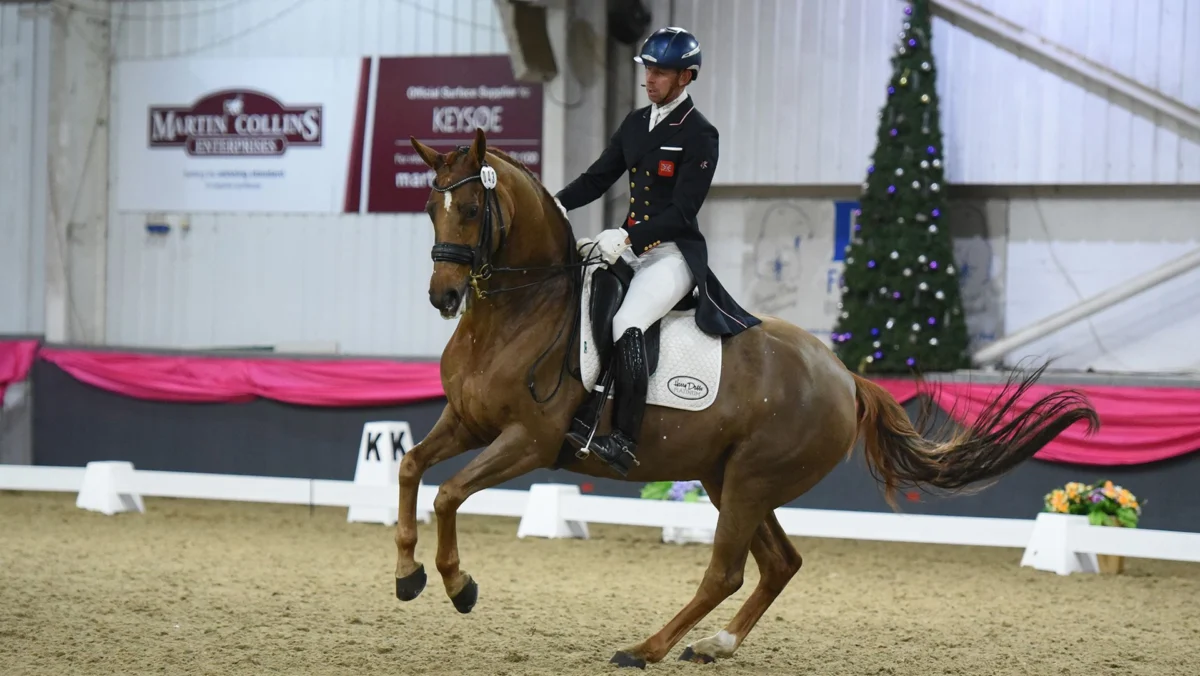
The equestrian world mourns the loss of Butterfly IV, an 18-year-old mare who shared a profound journey with celebrated dressage rider Dan Watson. Watson, known for his achievements at the top echelons of dressage, recently made the difficult decision to retire Butterfly IV, citing her best interests. This decision marks the end of a remarkable partnership that began when Watson first bred the mare and saw them rise through the ranks together. Butterfly IV, who was owned by the late Barbie Marceau, spent her entire life with Watson, forging a bond that has left him with "so many special memories along the way."
A Partnership Forged in Dedication and Success
The story of Dan Watson and Butterfly IV is a testament to the deep connection that can develop between a rider and a horse, particularly one bred by the rider themselves. For Watson, Butterfly IV was more than just a competition mount; she was a once-in-a-lifetime partner who carried him to the pinnacle of the sport. The mare’s breeding, while not explicitly detailed in the initial report, would have been a crucial factor in her athletic potential. Elite dressage horses often benefit from carefully selected bloodlines known for temperament, athleticism, and trainability. Watson’s decision to breed Butterfly IV himself suggests a long-term vision and a commitment to nurturing talent from its earliest stages.
Their journey together, spanning nearly two decades, undoubtedly involved countless hours of training, travel, and competition. Reaching the "top level of dressage" requires immense dedication from both horse and rider. This typically involves competing in national and international Grand Prix classes, where horses perform the most complex movements such as piaffe, passage, pirouettes, and flying changes, all executed with precision, harmony, and elegance. The financial investment in such a career is substantial, encompassing training fees, veterinary care, specialized equipment, and travel expenses for competitions that can span continents.
The Difficult Decision: Prioritizing the Horse’s Welfare
The retirement of an equine athlete is always a poignant moment, but it underscores a commitment to the animal’s long-term health and well-being. At 18 years old, Butterfly IV would have been considered a veteran in the demanding world of elite dressage. While some horses continue to compete at this age, the physical toll of Grand Prix dressage can become significant. Watson’s decision to retire her "in the best interests of the 18-year-old mare" speaks volumes about his ethical approach to horsemanship.
This decision likely followed thorough veterinary assessments and a careful consideration of Butterfly IV’s quality of life. The physical demands of dressage at the highest level can lead to cumulative wear and tear on a horse’s body, particularly in the joints and tendons. Factors such as the intensity of training, the frequency of competitions, and the specific biomechanics of the horse all play a role. Retirement for such horses typically involves a transition to a less demanding lifestyle, focusing on pasture turnout, light hacking, or perhaps gentle riding without the pressures of competition.
A Legacy of Shared Memories and Achievement
The phrase "so many special memories along the way" encapsulates the emotional depth of Watson’s relationship with Butterfly IV. These memories would undoubtedly include the thrill of victory, the quiet moments of connection during training, the challenges overcome, and the unwavering companionship. For a rider who bred the horse, these memories are likely amplified, encompassing the entire lifespan of the animal from foal to seasoned athlete.
Barbie Marceau, the mare’s owner, played a significant role in this partnership. Her ownership likely provided the crucial financial and emotional support necessary for Watson to pursue a top-level dressage career with Butterfly IV. The fact that the mare spent her entire life with Watson, under Marceau’s ownership, highlights a stable and supportive environment, which is conducive to building a strong partnership and achieving consistent success. The passing of Barbie Marceau, which is implied by the phrasing "owned by the late Barbie Marceau," adds another layer of poignancy to this story, suggesting that Watson’s tribute is also a way of honoring Marceau’s legacy and their shared passion for the mare.
The Broader Context of Equine Retirement in Elite Sports
The retirement of Butterfly IV shines a light on the broader discourse surrounding equine welfare in professional equestrian sports. While the pursuit of athletic excellence is a driving force, there is an increasing emphasis on ensuring that the welfare of the horse remains paramount. Governing bodies, such as the Fédération Equestre Internationale (FEI), have implemented stringent rules and regulations regarding horse welfare, including doping controls, veterinary requirements, and codes of conduct for riders and owners.
The age of retirement for elite sport horses can vary significantly. Some horses may retire in their early teens due to injury or waning performance, while others, like Butterfly IV, continue to compete at a high level into their late teens. Factors influencing longevity include genetics, the quality of training and management, the prevention and treatment of injuries, and the individual horse’s resilience. The average lifespan of a horse is typically around 25-30 years, meaning that a retired sport horse often has many years of enjoyable life ahead in a less demanding capacity.
The Impact of Such Partnerships
The success of partnerships like Watson and Butterfly IV inspires aspiring riders and highlights the potential for horses to excel when given the opportunity and the right support. Their achievements at the top level of dressage would have contributed to the sport’s profile, attracting new followers and showcasing the beauty and athleticism of the discipline. The meticulous training required for Grand Prix dressage is a complex art form, and horses like Butterfly IV demonstrate the pinnacle of this achievement.
The ripple effect of such a partnership extends beyond the immediate competition arena. It can influence breeding programs, encourage investment in equine research and veterinary care, and foster a deeper appreciation for the equine athlete. Watson’s tribute serves as a reminder of the profound impact that a single horse can have on a rider’s life and career, and the enduring legacy they leave behind.
Looking Ahead: The Future of Dan Watson and the Legacy of Butterfly IV
While the retirement of Butterfly IV marks the end of an era in competition for Dan Watson, it also signifies a new chapter. He will undoubtedly continue his involvement in dressage, potentially with other horses. The knowledge and experience gained from his partnership with Butterfly IV will be invaluable in his future endeavors.
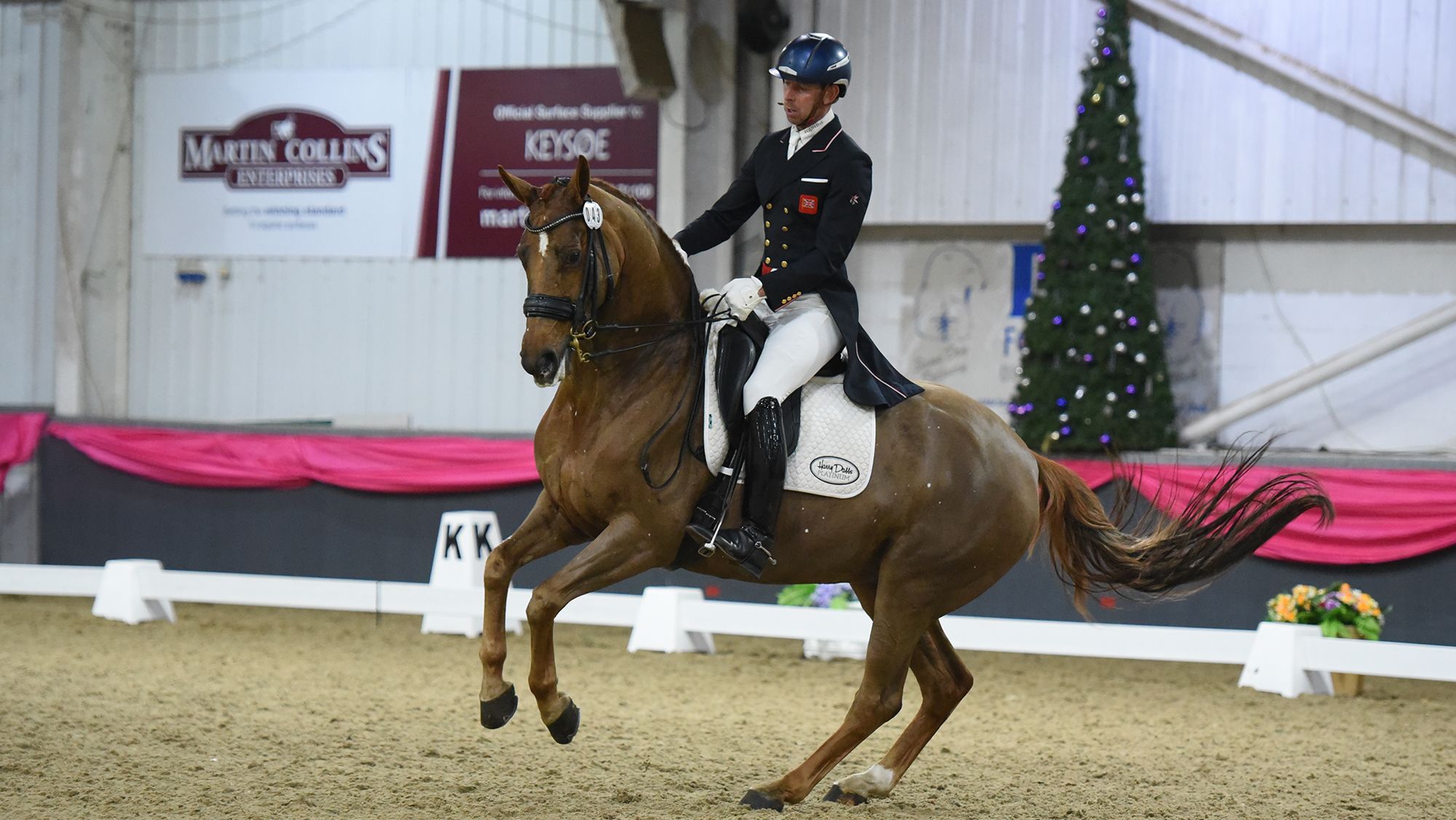
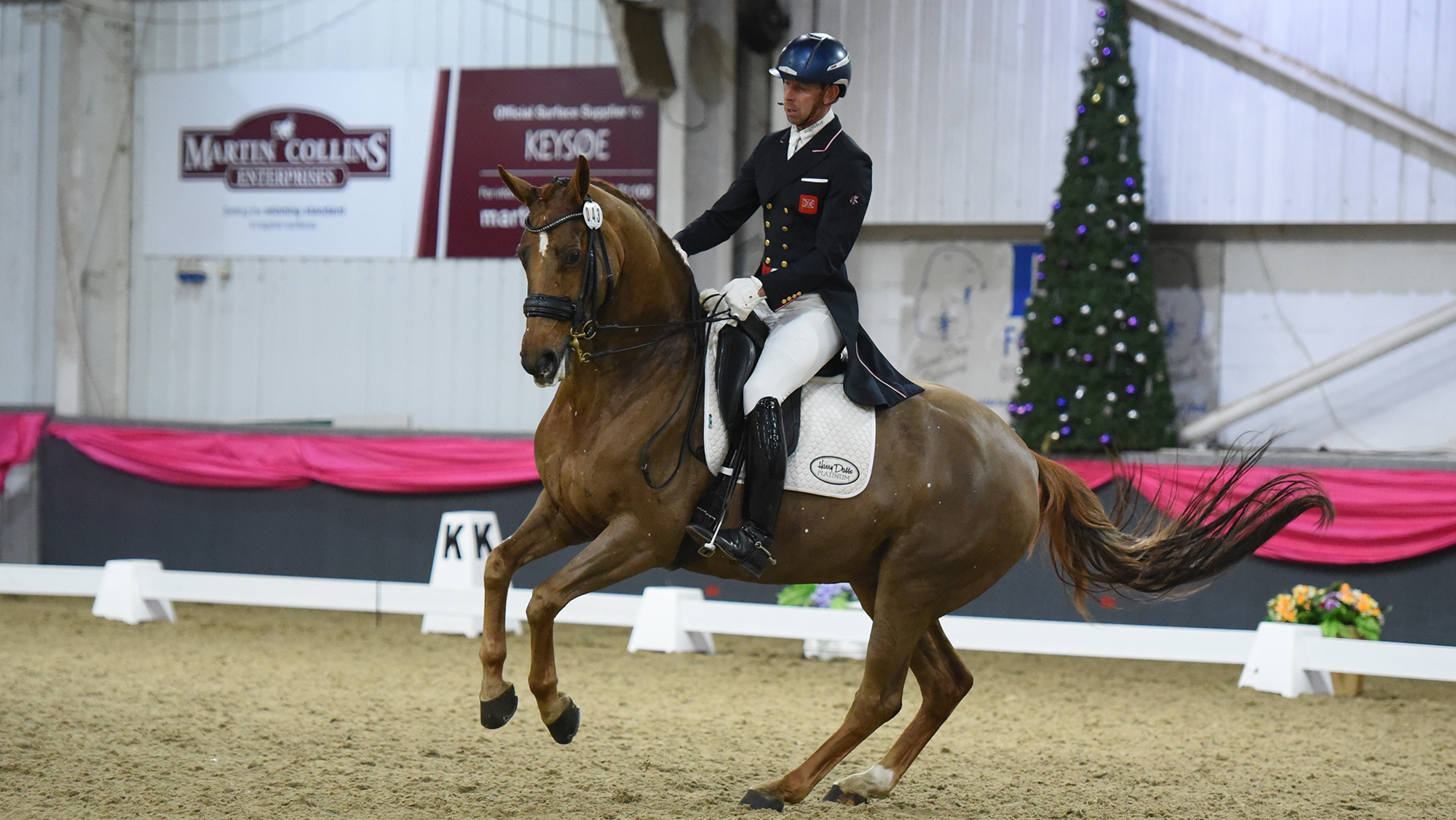
The legacy of Butterfly IV will live on not only in Dan Watson’s memories and the achievements they shared but also in the continued appreciation of her contribution to the sport. Her story serves as an inspiration and a reminder of the deep bond that can be forged between humans and horses, a bond built on trust, dedication, and mutual respect. The equestrian community joins Dan Watson in celebrating the remarkable career of Butterfly IV and wishing her a happy and fulfilling retirement. The image of Watson and Butterfly IV executing a pirouette, as captured in the accompanying photograph, will forever symbolize their grace, athleticism, and the profound connection they shared. This iconic image, likely taken during a competition or a training session, encapsulates the essence of their partnership – a moment of perfect harmony and skilled execution.







