

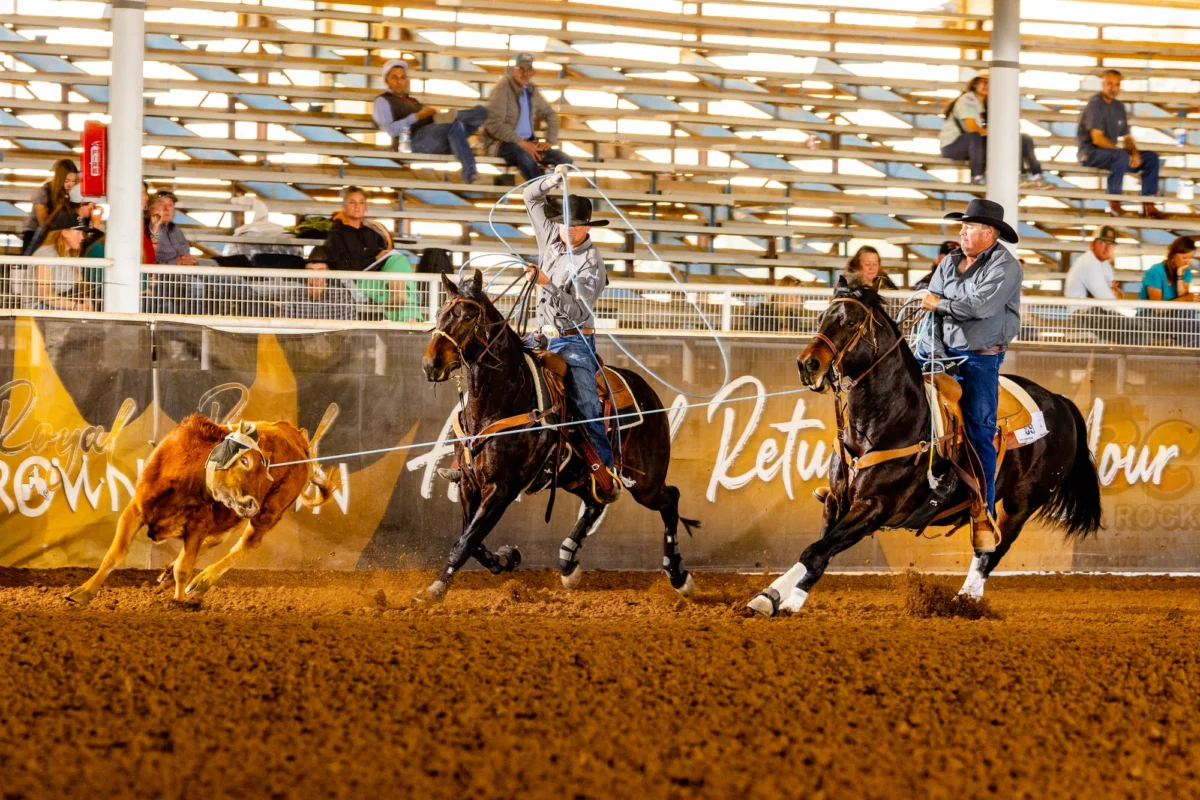
The demanding world of equine veterinary medicine often conjures images of emergency colic calls, intricate surgical procedures, and long days dedicated to the health and performance of horses. Less frequently imagined, however, is the sight of these highly skilled professionals transitioning seamlessly from the operating table to the roping box, backing their own horses into the chute with the same precision they apply to their practice. This unique intersection of passion and profession defines the lives of a growing number of veterinarians who not only treat equine athletes but also compete alongside them in the rigorous sport of team roping. It’s a lifestyle that demands extraordinary dedication, resilience, and an innate understanding of the horses they care for, both as patients and as partners.
The Intrinsic Link Between Practice and Performance
Equine veterinarians and team ropers share a common thread: an unwavering commitment to horses. Both pursuits require extensive knowledge of equine anatomy, physiology, and behavior, coupled with an ability to diagnose and address issues that affect a horse’s well-being and performance. The demanding schedules of veterinary practice, characterized by unpredictable emergencies, extensive travel, and the emotional toll of critical care, mirror the commitment required for competitive team roping, which involves countless hours of practice, travel to jackpots, and the mental fortitude to perform under pressure. This deep immersion in the equine world offers these veterinarians a unique perspective, allowing them to bridge the gap between theoretical medical knowledge and the practical realities of a performance horse’s life. They understand firsthand the subtle nuances of lameness, the psychological pressures of competition, and the physical demands placed on an equine athlete, often translating into more empathetic and effective care for their clients.
The prevalence of veterinarians in team roping is striking. A recent informal poll conducted by a leading equestrian publication on social media garnered over 800 comments in a single week, with followers enthusiastically naming their local vets who also participate in the sport. This overwhelming response underscores a significant trend within the equestrian community, highlighting not just the passion these individuals hold for their sport but also the trust and respect they command from their clientele. The ability to relate to a client’s aspirations in the arena while simultaneously providing expert medical advice creates a powerful bond, often leading to lasting professional relationships built on mutual understanding and shared experience.
Veterinary Practice: A Foundation of Dedication
Equine veterinary medicine has evolved significantly over the decades, transitioning from general farm calls to highly specialized practices focusing on diagnostics, surgery, internal medicine, and performance enhancement. Modern equine clinics are equipped with advanced imaging technologies like MRI and CT scans, sophisticated surgical suites, and rehabilitation facilities. This specialization requires continuous education and substantial investment, reflecting the increasing value and demands placed on performance horses. Preventative care, lameness diagnosis, and dental work form the backbone of many practices, aimed at maintaining the health and longevity of these athletes. However, the omnipresent threat of emergencies, particularly conditions like colic which can rapidly become life-threatening, means that an equine veterinarian’s schedule is rarely their own, often requiring them to drop everything at a moment’s notice.
Team roping, for its part, is one of the most popular rodeo events, with a rich history rooted in ranch work. It involves two riders, a "header" and a "heeler," working in tandem to rope a steer. The header ropes the steer’s head, turns it, and then the heeler ropes its hind legs, all against the clock. The sport demands exceptional horsemanship, precise timing, and seamless communication between horse and rider, as well as between roping partners. The physical demands on the horses are considerable, requiring athleticism, agility, and a calm temperament. The financial investment in top-tier rope horses, equipment, and competition fees can be substantial, making the sport a serious endeavor for its participants.
This report delves into the lives of four such extraordinary individuals—Dr. Joe Stricklin, Dr. Wendy Gaddis, Dr. David Moss, and Dr. Bobby Boyd—who exemplify this remarkable blend of veterinary expertise and team roping prowess. Their journeys highlight the challenges, rewards, and unique perspectives gained from walking the line between professional duty and personal passion.
Dr. Joe Stricklin: A Career Shaped by Evolution and Passion
Windsor, Colorado
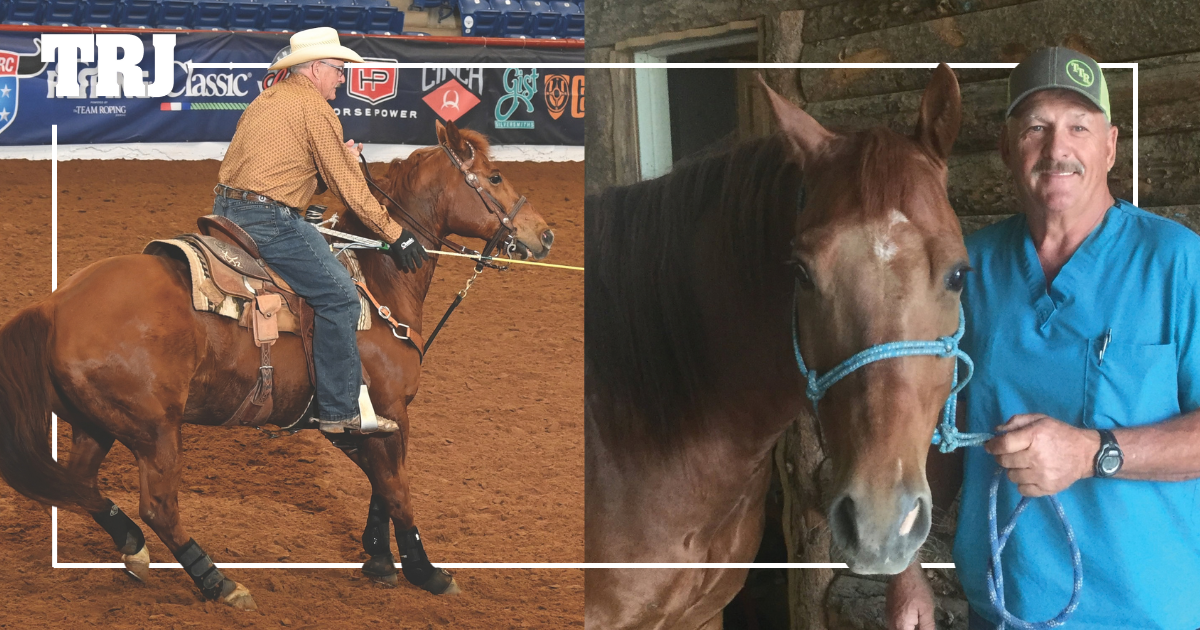
Dr. Joe Stricklin, a seasoned veterinarian with a career spanning over four decades since his graduation from Texas A&M University in 1980, embodies the evolution of equine practice. His professional journey began with a robust surgical practice in Abilene, Texas, where he specialized in critical procedures like colic surgeries and advanced arthroscopic work. This period was characterized by the intense demands of a high-volume surgical caseload, where emergency calls dictated his schedule and the stakes were consistently high. The unpredictable nature of surgical emergencies meant that personal pursuits often took a back seat.
However, a significant turning point came when urban development necessitated a move, leading Dr. Stricklin to relocate his practice to Windsor, Colorado, in 2007. This transition allowed him to redefine his professional focus, shifting to a more specialized practice centered on lameness and dentistry. This strategic move was not merely a change of location but a deliberate decision to create a more balanced lifestyle, enabling him to pursue his passion for team roping with greater regularity.
Dr. Stricklin’s journey into veterinary medicine began early, deeply rooted in his upbringing. He recalls growing up during the era of screwworms, a time when routine livestock treatment was a part of everyday life on the farm. This early exposure to animal care, coupled with witnessing a local veterinarian tend to his family’s rope horses, solidified his career path. "Watching Dr. Smith come out and work on our horses headed me in that direction," he reflects, highlighting the formative influence of practical experience and mentorship.
Today, his structured work week, Monday through Friday, allows him to dedicate weekends to team roping, a luxury he rarely enjoyed during his surgical years. He emphasizes that as he has aged, roping has become a higher priority, an essential component of his well-being. "If there’s a roping I want to go to, I make sure I make the time," he states, illustrating a profound commitment to his sport.
Being a veterinarian at a jackpot presents a unique set of challenges and opportunities. While he sets clear boundaries regarding non-emergency calls on his personal time, his professional instincts remain sharp. "If a horse comes out of the arena and can’t put a foot down, I’ll be the first one there," he affirms, showcasing his unwavering dedication to equine welfare, even when off-duty. This readiness to assist in critical situations, combined with his general availability for scheduled appointments, has fostered significant trust within the roping community.
Dr. Stricklin firmly believes that his participation in team roping makes him a better veterinarian. "I do think it helps. It gives you a whole other perspective," he explains. Riding and competing provide an intimate understanding of equine biomechanics, the subtle signs of discomfort, and the specific demands of performance horses—insights that cannot be fully gleaned from textbooks or diagnostics alone. This experiential knowledge enhances his diagnostic acumen and treatment strategies, allowing him to better relate to the experiences and concerns of his clients. Moreover, his visibility in the roping arena has organically grown his practice through word-of-mouth referrals, demonstrating the powerful synergy between his personal passion and professional success.
Dr. Wendy Gaddis: A Second Calling and a Return to the Arena
Gill, Colorado
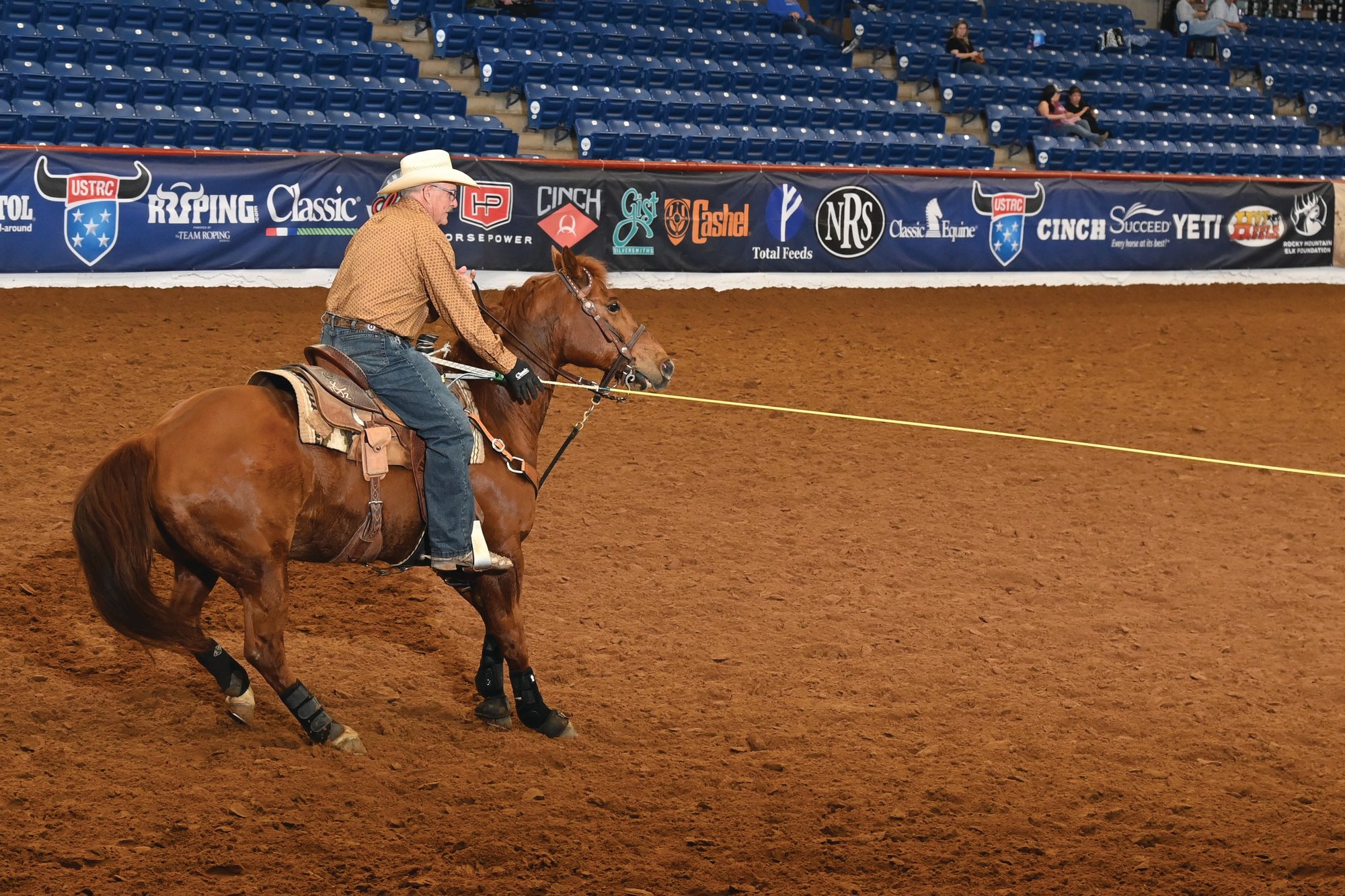
Dr. Wendy Gaddis, a 2000 graduate of Colorado State University, operates Block & Bridle in Gill, Colorado, a practice she established in 2002. Her path to veterinary medicine was unconventional, marked by a detour into the financial sector. Growing up on a ranch outside Laramie, Wyoming, she was immersed in rodeo culture, even competing for the University of Wyoming. However, practical considerations led her to pursue an accounting degree first, a pragmatic decision she made to ensure she could afford her passion for horses. This foundational understanding of business operations would later prove invaluable in establishing and managing her own veterinary practice.
The pivotal moment that redirected Dr. Gaddis’s career toward veterinary medicine was a deeply personal one. While working as a controller at a bank in Texas, she purchased a barrel horse without a pre-purchase exam, a decision that quickly led to the horse being crippled by severe navicular disease. The experience of witnessing veterinary students at Texas A&M meticulously working through differentials for her horse’s condition sparked a profound realization. "Standing there with all the students going through differentials, I thought, this is really what I should have done with my life," she recalls, highlighting how a personal setback transformed into a professional calling. This experience instilled in her a deep appreciation for comprehensive diagnostics and the critical importance of pre-purchase examinations, lessons she now imparts to her clients.
After years of focusing solely on her demanding veterinary career, Dr. Gaddis made a deliberate return to team roping about 15 years ago, thanks to the encouragement of friends, Shane and Paulette O’Hotto, who offered her a horse named Pepsi. This re-entry into the sport reignited a passion that had been set aside, becoming an integral part of her life. With a well-appointed arena at her practice, she now schedules roping sessions after work during the week and dedicates her weekends to the sport. Her commitment extends to taking Fridays off for roping if partners are available, illustrating her dedication to balancing her professional responsibilities with her athletic pursuits.
Like Dr. Stricklin, Dr. Gaddis navigates the dual role of veterinarian and competitor at jackpots. She finds that most fellow ropers are respectful of her personal time, understanding that she is there to compete. While she maintains boundaries, she is always willing to offer a quick, informal assessment if she notices a horse appears "off" and guide them toward making a proper appointment. She cherishes seeing her clients and their horses performing well, viewing it as a testament to the efficacy of her care. Only on rare occasions, such as a client’s horse suffering from colic, has she had to temporarily set aside her competition to offer immediate guidance, demonstrating her ingrained sense of professional responsibility.
Dr. Gaddis offers a critical piece of advice to ropers, observing a positive shift in their approach to equine health: "Ropers are getting better. They’re not quite to the barrel racer standard, but they’re realizing it’s a lot cheaper to maintain a good rope horse than to buy one." This insight underscores the economic and welfare benefits of preventative medicine and proactive maintenance. She advocates for regular veterinary check-ups, appropriate conditioning, and early intervention for minor issues, emphasizing that these practices extend the careers of performance horses and ultimately save owners money compared to the costs associated with treating chronic conditions or replacing injured animals. Her perspective, honed by both her veterinary expertise and her experience as a roper, makes her a powerful advocate for comprehensive equine care.
Dr. David Moss: From Construction to Equine Care, and a Champion Stud
West Haven, Utah
Dr. David Moss, a 1992 graduate of Colorado State University, established his practice, Northside Animal Clinic, in West Haven, Utah, in 2009. His professional path deviated significantly from his family’s legacy. His father, a renowned custom home builder in Utah, including constructing a residence for Robert Redford at Sundance, envisioned David following in his footsteps. However, Dr. Moss’s childhood passion for horses, nurtured through weekend rides on the family farm despite living in the city, ultimately led him down a different road. He recounts a deep-seated desire to rope from a young age, a dream initially constrained by financial limitations. "Somewhere in the mix of things I got lost and went into becoming a veterinarian," he says, humorously reflecting on his decision to pursue his true calling.
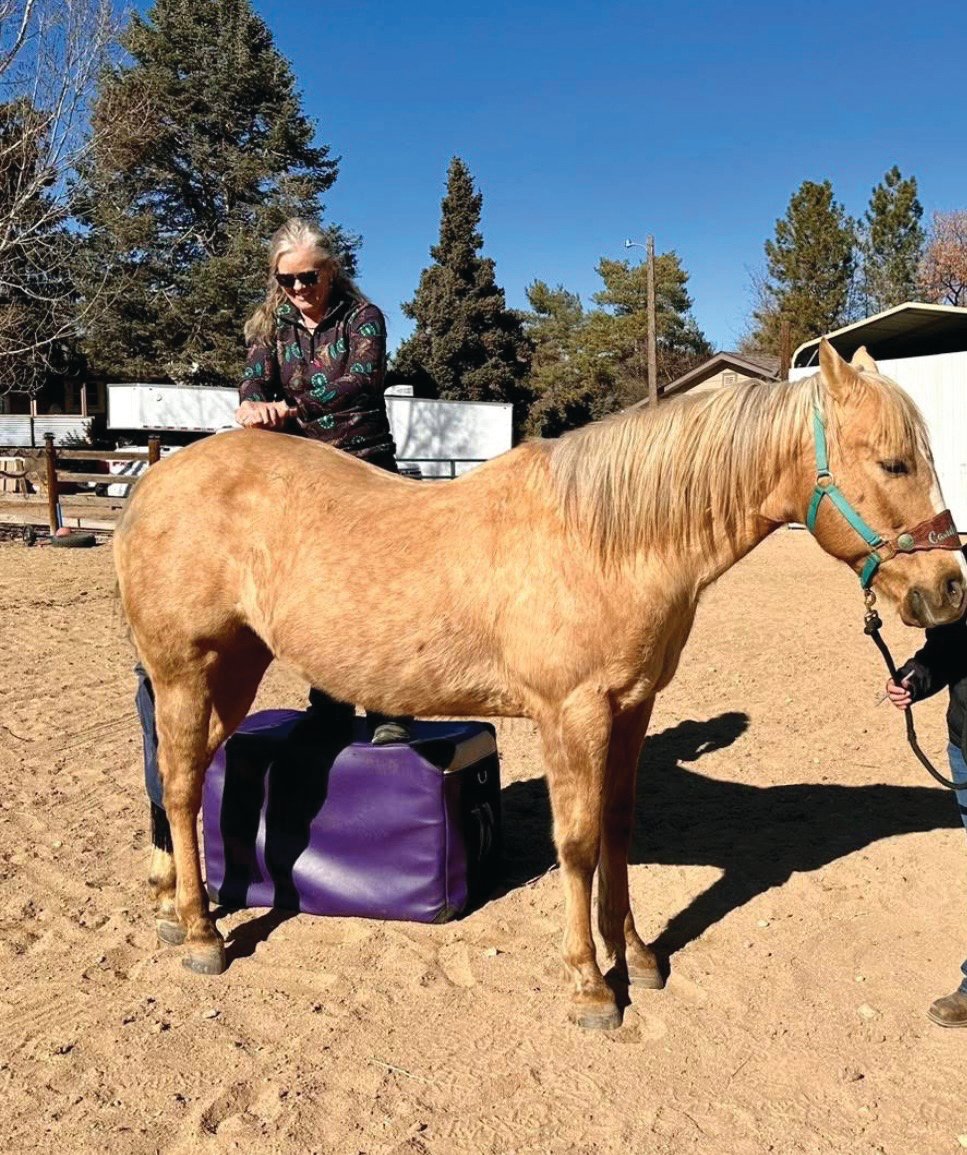
What makes Dr. Moss’s roping journey particularly compelling is its relatively late start. He didn’t take up team roping until he was around 40 years old. The catalyst was serendipitous: purchasing a horse for $275 for his son’s 4-H project, only to discover afterward that the horse had a past as a rope horse. This discovery led him to a local practice night at the fairgrounds, where he "fell in love with it." This late entry into the sport highlights the accessibility of team roping to individuals seeking a challenging and engaging equestrian pursuit, regardless of prior competitive experience. His passion quickly escalated, leading to significant investment in the sport.
To accommodate his passion, Dr. Moss meticulously structures his week, taking Tuesday and Thursday mornings off for roping. His commitment is further evidenced by having a dedicated roping arena right at his clinic, allowing for seamless transitions between work and practice. In the winter months, his dedication reaches another level: he transports six or seven of his horses to Wickenburg, Arizona, a mecca for winter roping. Being licensed in Arizona allows him to continue his veterinary practice in the afternoons while enjoying mornings in the arena, demonstrating a remarkable ability to integrate his two demanding worlds.
The challenges of being a veterinarian at a jackpot are familiar to Dr. Moss. He recounts an instance where an emergency call forced him to miss a major competition, frustrating his partners but underscoring the unpredictable nature of his profession. He is generally willing to offer quick assistance for colicky horses or other pressing issues at events. However, he also emphasizes the importance of professional boundaries and biosecurity, citing a common pet peeve: "when I’m at a roping… and somebody’s horse has snot running out of his nose and they ride right over to me while I’m on my horse and ask what I think is wrong with him. I don’t want him near my horse." This practical concern highlights the risks of disease transmission in equestrian gatherings and the need for respectful client interactions.
A significant aspect of Dr. Moss’s life is his ownership of Bobby Glo Harlan, a celebrated stud who won the world championship heeling with Joseph Harrison in 2020 and was trained by Bobby Lewis. Dr. Moss acquired the horse in May 2022, immediately integrating him into his breeding program. Between May and July, they bred 20 to 30 mares, a testament to the stud’s reputation and demand. He then shipped Bobby Glo Harlan back to Bobby Lewis, where the horse continued to perform at an elite level, returning as a reserve world champion. The breeding season, from February to July, keeps the stud busy, limiting Dr. Moss’s personal riding time. Yet, he cherishes every opportunity to ride him, proclaiming, "he is so cool," reflecting the profound connection he shares with this exceptional animal. Owning a world-champion stud not only elevates his standing within the roping community but also significantly impacts his practice, as clients often seek his expertise for their own breeding and performance horses.
Dr. Bobby Boyd: A Lifetime of Service and a Late-Life Roping Renaissance
Midland, Texas
Dr. Bobby Boyd, a distinguished 1976 graduate of Texas A&M University, recently retired after an illustrious 40-year career primarily focused on small animal medicine in Midland, Texas. His journey into veterinary medicine began with an almost uncanny foresight. Growing up in Fort Stockton, Texas, as the son of a roughneck, he was already roping calves by the age of nine. Yet, it was in the sixth grade that he declared his ambition to become a veterinarian, a decision made with little direct exposure to the profession. He attributes this early aspiration, in part, to a veterinarian saving his dog from strychnine poisoning, a powerful early lesson in the impact of veterinary care. "It was just something I wanted to do, and that was the goal from then on," he states, reflecting on a lifelong dream realized.
Despite his early start in calf roping, Dr. Boyd’s veterinary career demanded his full attention for many years. He recounts a period of economic downturn in Midland where his practice struggled, forcing him to prioritize his business’s success. "Veterinary medicine is a retail business—it’s expendable dollars—and I wanted a successful practice, so that took precedent," he explains. During this time, he sold his calf horse and focused intensely on building his practice, a testament to the sacrifices often required in entrepreneurship and professional dedication.
His return to team roping in his 40s was a true renaissance, sparked by a casual invitation. After years away from competitive riding, he acquired some cows and an old ranch horse. A friend encouraged him to try a round robin team roping event, a format he was unfamiliar with. The experience of being outmatched by more seasoned ropers ignited a competitive fire. "These gunsels beat me, and something clicked. I said, I’m learning how to team rope, because they’re not going to beat me again," he recalls with characteristic determination. Recognizing the wisdom of his father’s advice that one cannot simultaneously train a horse and learn to rope, he sought out a trained horse and, crucially, a mentor. He famously sent a letter with a hundred-dollar bill to legendary roper Walt Woodard, asking for a call. Woodard obliged, and a private lesson set Dr. Boyd on a new trajectory in team roping.
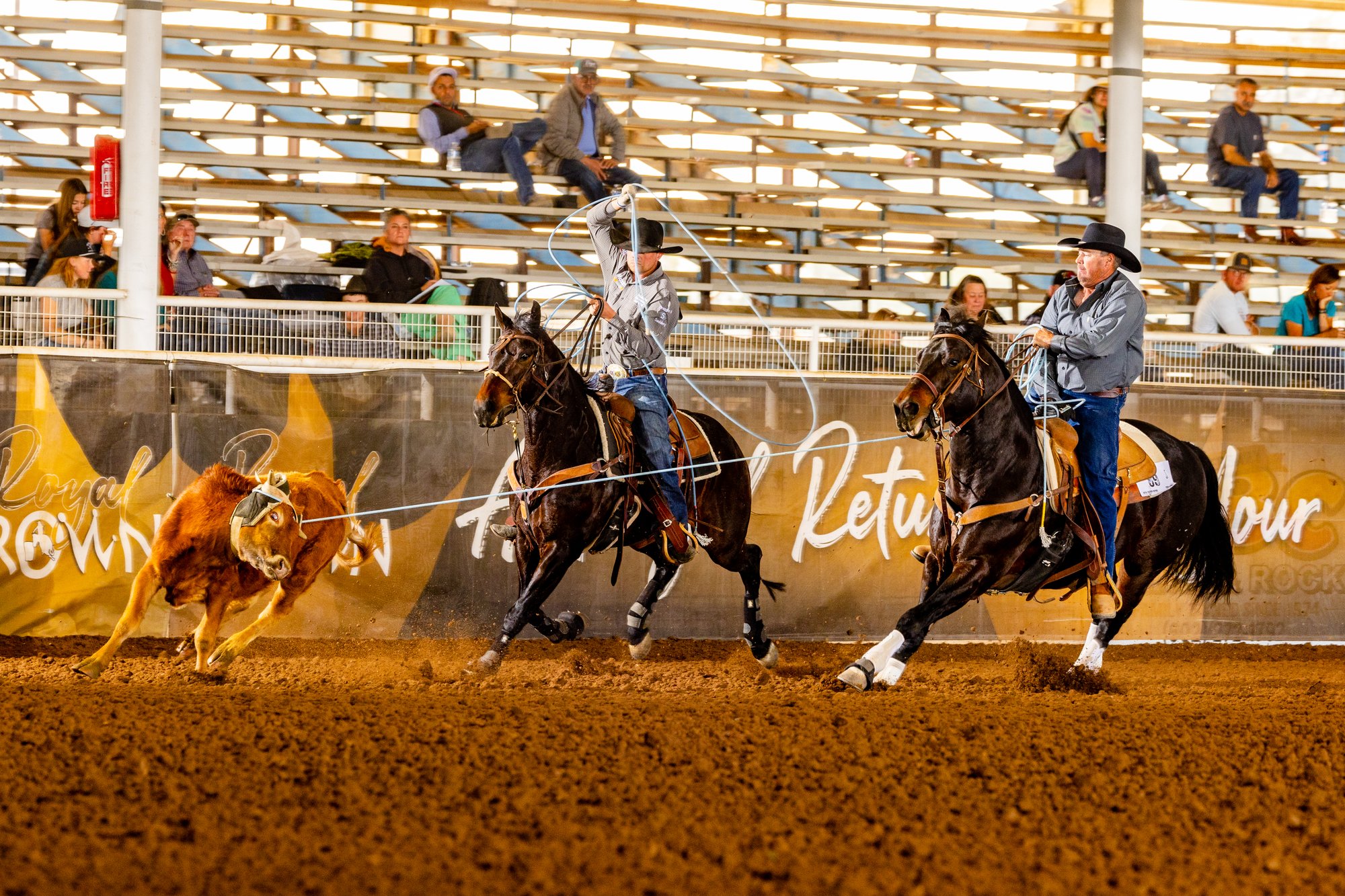
Even in retirement, Dr. Boyd, who will be 74 this year, remains an active and formidable competitor. The challenges of being a veterinarian at a jackpot persist, even for a retired practitioner. People frequently approach him for advice, even as he prepares to enter the box. While he limits "band-aid work" at events due to lack of equipment, he readily offers critical advice. He recounts a recent incident where he urged someone with a sick horse to seek immediate professional help, a timely intervention that "saved the horse." This innate desire to help, even when not officially on duty, underscores the deep-seated commitment of veterinarians.
Dr. Boyd’s longevity in the demanding sport of team roping is particularly inspiring. He openly discusses his proactive approach to physical health, working closely with a physical therapist to set specific goals tied to major roping events like the Riata, CoJo, and the Finale. This systematic training regimen allows him to peak for competitions, defying the conventional expectations of aging. He shares an insightful quote from a client: "She doesn’t mind getting old, she just doesn’t want to be feeble." This sentiment encapsulates Dr. Boyd’s philosophy: a refusal to succumb to physical limitations. Despite decades of advice to "slow down," he humorously admits to making minor adjustments, such as riding three horses instead of four in a day, demonstrating an enduring passion and an admirable resilience that continues to motivate those around him.
Broader Impact and Implications of Dual Careers
The phenomenon of equine veterinarians excelling in team roping carries significant implications for both the veterinary profession and the equestrian community. These dual-career professionals embody a unique synergy, where their personal passion directly enhances their professional capabilities, and vice versa.
Enhanced Veterinary Practice and Client Trust: Veterinarians who actively ride and compete gain an invaluable kinesthetic understanding of equine athletes. They grasp the subtle biomechanical stresses, the psychological demands of competition, and the nuances of training that can contribute to performance issues or lameness. This experiential knowledge allows for more precise diagnoses, tailored treatment plans, and a deeper empathy for their clients’ goals. When a client sees their veterinarian competing successfully, it builds immense trust and credibility, affirming that their vet truly understands the horse from both a medical and a performance perspective. This leads to stronger client-veterinarian relationships, fostering open communication and collaborative care strategies.
Advocacy for Preventative Care: As highlighted by Dr. Gaddis, veterinarians who are also riders are powerful advocates for preventative medicine. They understand that investing in regular check-ups, appropriate nutrition, farrier care, and early intervention for minor issues is not only cost-effective in the long run but also crucial for extending a horse’s competitive career. This perspective is particularly impactful in a sport like team roping, where the physical demands can be high. Their firsthand experience reinforces the message that proactive health management is paramount for the longevity and well-being of the equine athlete.
Challenges of Balance and Boundaries: Despite the rewards, maintaining this dual lifestyle presents significant challenges. The unpredictable nature of equine emergencies means that personal plans, including competitions, can be disrupted at a moment’s notice. Setting professional boundaries at social events or jackpots, as discussed by Dr. Stricklin and Dr. Moss, is crucial but often difficult. Veterinarians frequently find themselves in a position where they are implicitly "on call," requiring a delicate balance between professional duty and personal time. The physical demands of both professions, particularly as veterinarians age, also necessitate proactive health management, as exemplified by Dr. Boyd’s dedication to physical therapy.
Community Engagement and Role Models: These veterinarians serve as vital anchors within their equestrian communities. Their presence at jackpots offers an informal safety net for minor issues and a source of trusted advice. They become role models, inspiring younger generations to pursue their passions, whether in veterinary medicine, equestrian sports, or both. Their stories demonstrate that with immense dedication, meticulous time management, and an unwavering commitment to both their profession and their personal interests, it is possible to achieve extraordinary balance and success.
In conclusion, the lives of these equine veterinarians who embrace team roping are a testament to the powerful connection between humans and horses. They navigate demanding careers with grace, leveraging their deep understanding of equine health to not only treat but also compete alongside the magnificent animals they dedicate their lives to. Their stories enrich the fabric of both veterinary medicine and the equestrian world, showcasing a dedication that extends far beyond the clinic walls and into the heart of the arena.








