

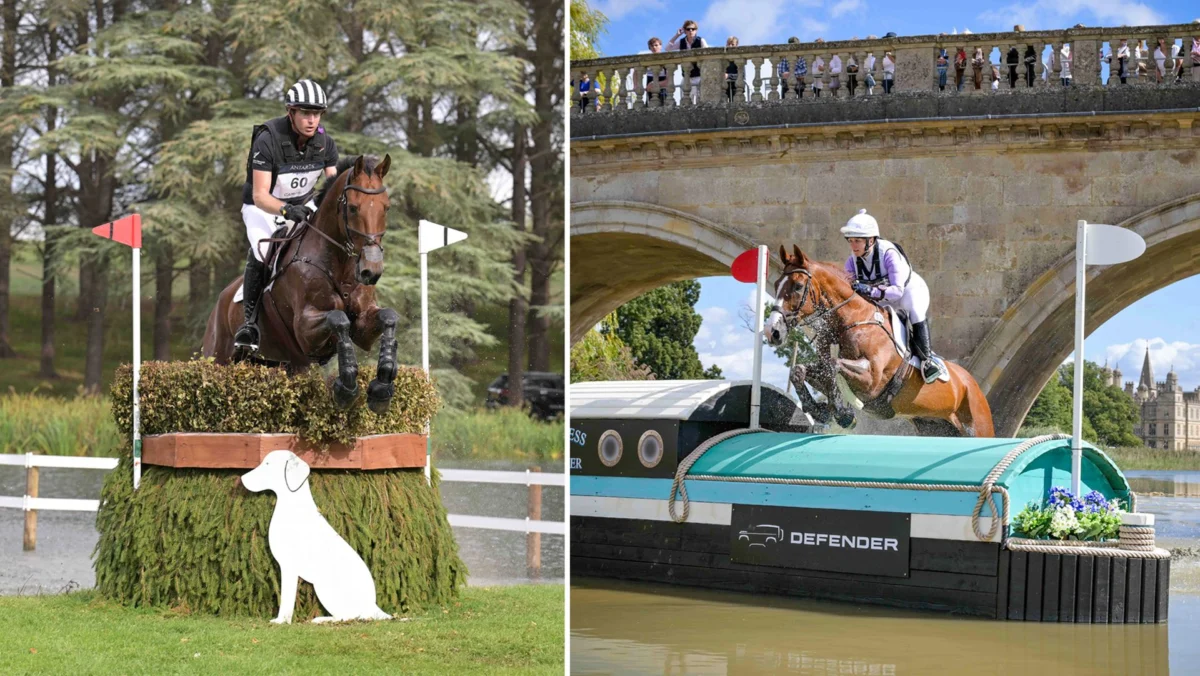
Major British equestrian venues, Blenheim Palace and Burghley House, have signaled their keen interest in hosting the 2030 FEI World Championships, following the official opening of the initial allocation process by the Fédération Équestre Internationale (FEI) last week. This early stage marks a significant moment for the UK’s equestrian community, as two of its most iconic sites begin the journey towards potentially securing one of the sport’s premier global events. The expression of interest phase, which commenced on October 12th and extends until December 11th, serves as a crucial preliminary step. While not a binding commitment, submitting an expression of interest is a mandatory prerequisite for any organization wishing to advance and submit a formal bid to host the championships. The prospect of bringing the FEI World Championships back to British soil, a nation steeped in equestrian tradition and excellence, has generated considerable excitement and anticipation across the industry.
The Significance of the FEI World Championships
The FEI World Championships represent the pinnacle of equestrian sport, bringing together the world’s finest horse-and-rider combinations across various disciplines to compete for global titles. Historically, the championships have been held every four years, alternating with the Olympic Games, creating a comprehensive cycle of elite competition. While the format has evolved over time, sometimes encompassing all disciplines at a single venue (as seen in the World Equestrian Games concept), and sometimes being split across multiple specialized locations, the prestige remains undiminished. These championships typically feature disciplines such as show jumping, dressage, eventing, driving, endurance, vaulting, and para-dressage, showcasing the diverse beauty and athleticism inherent in equestrianism. Hosting such an event is not merely a sporting achievement but also a monumental logistical undertaking and a significant cultural and economic opportunity for the host nation and region. The last time the UK hosted a major multi-discipline FEI championship was the 2014 FEI World Equestrian Games in Normandy, France, but individual world championships for specific disciplines have been held more recently. The economic impact can be substantial, attracting thousands of athletes, support staff, media, and spectators from around the globe, generating revenue through tourism, hospitality, and local services.
The FEI Bidding and Allocation Timeline
The current expression of interest phase for the 2030 FEI World Championships is the very first step in a rigorous, multi-year selection process. The FEI’s comprehensive bidding guide outlines a structured approach designed to ensure transparency, fairness, and the selection of the most suitable hosts.
- October 12 – December 11, 2023: Expression of Interest (EOI) Phase: Potential host cities or venues formally indicate their preliminary interest in bidding for the 2030 World Championships. This non-binding declaration is crucial for inclusion in subsequent stages.
- December 2023 – February 2024: Information and Consultation Phase: The FEI will engage with interested parties, providing detailed information about hosting requirements, expectations, and the bidding process. This period allows potential bidders to assess the feasibility and scope of the undertaking.
- March – July 2024: Candidature File Preparation: Organizations that proceed past the EOI phase will be invited to prepare and submit a comprehensive candidature file. This extensive document details proposed venues, infrastructure, financial guarantees, logistical plans, legacy strategies, and governmental support.
- August – December 2024: Bid Evaluation and Site Visits: The FEI Evaluation Commission will meticulously review all submitted bids. This includes conducting on-site inspections of proposed venues, meeting with local organizing committees and governmental representatives, and assessing all aspects of the proposals.
- Early 2025: Final Decision and Allocation: Following the evaluation, the FEI Bureau will make its final decision and officially allocate the 2030 FEI World Championships to the chosen host(s).
This structured timeline underscores the complexity and long-term planning required to host an event of this magnitude. Successful bids typically demonstrate robust financial backing, extensive logistical expertise, strong governmental and stakeholder support, and world-class facilities capable of accommodating the specific demands of equestrian sport.
Blenheim Palace: A Strong Contender
Blenheim Palace, a UNESCO World Heritage Site in Oxfordshire, is renowned globally for its annual Blenheim Palace International Horse Trials, a prestigious CCI4*-L eventing competition. Its picturesque setting, combined with its established infrastructure, positions it as a highly attractive candidate.
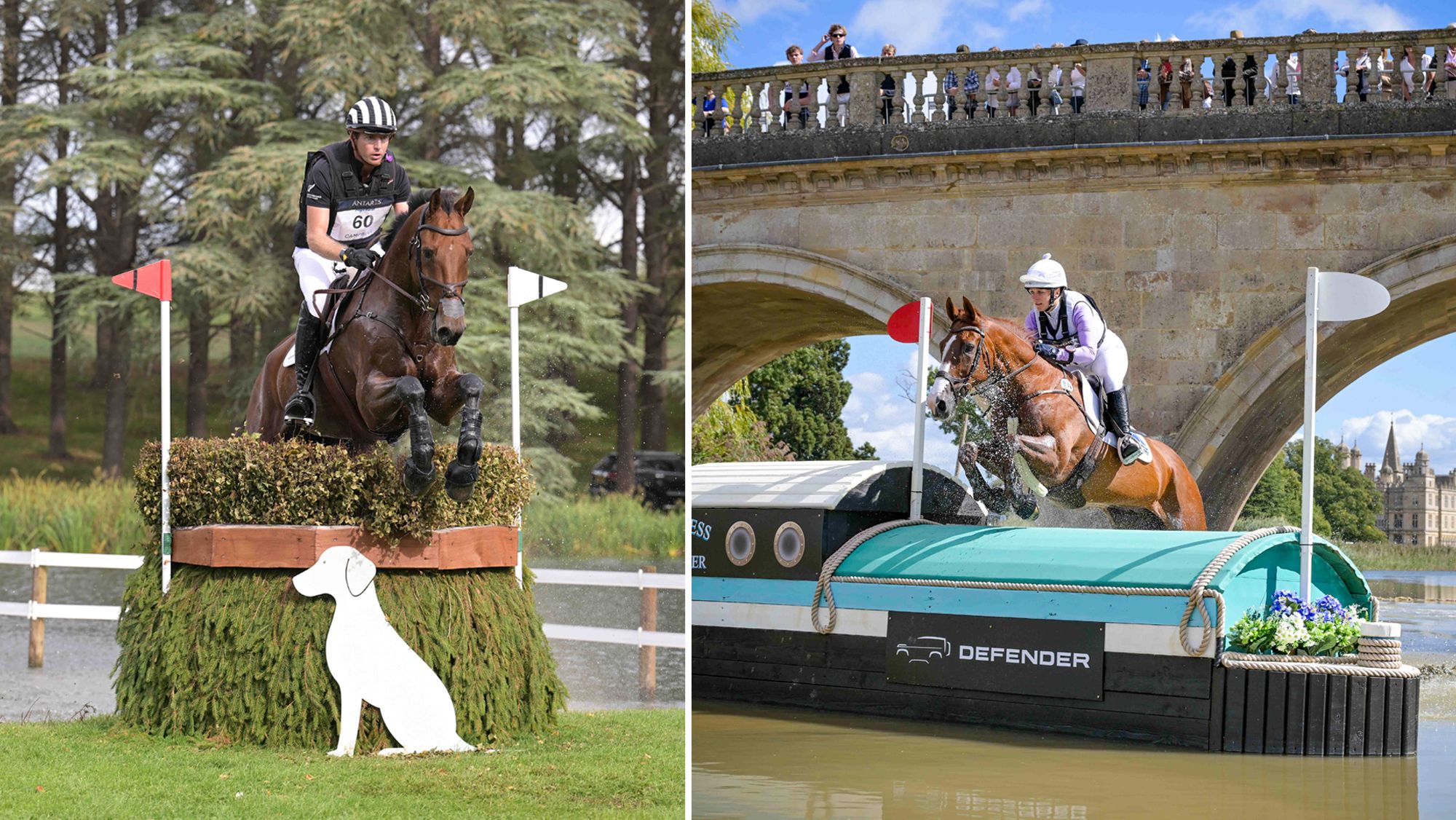
- Venue Capabilities: Blenheim offers extensive parkland suitable for cross-country courses, spacious arenas for dressage and show jumping, and ample spectator areas. The existing facilities are already designed to accommodate large-scale equestrian events, including stabling, veterinary services, and media centers.
- Experience: The Blenheim Palace International Horse Trials has been a fixture on the eventing calendar for decades, consistently attracting top riders and a significant audience. This experience provides invaluable expertise in event management, crowd control, athlete services, and stakeholder coordination.
- Historical Context: The palace itself, the birthplace of Sir Winston Churchill, adds a unique historical and cultural dimension, potentially enhancing the championship’s appeal and drawing wider international attention.
- Accessibility: Located in the heart of England, Blenheim is reasonably accessible from major airports and transport hubs, facilitating international travel for participants and spectators.
If Blenheim were to host, it would likely leverage its existing eventing expertise, potentially bidding for the eventing discipline championships, or perhaps a combined eventing and driving championship, given the expansive grounds available. The challenge would be to scale up its operations to meet World Championship standards across multiple disciplines, if a multi-discipline bid were pursued, or to specialize and collaborate with other venues.
Burghley House: A Legacy of Excellence
Burghley House, another stately home steeped in history and located in Lincolnshire, hosts the world-famous Burghley Horse Trials, one of only seven CCI5*-L events in the world – the highest level of eventing competition. This immediately places Burghley in an elite category of equestrian venues.
- Unparalleled Eventing Pedigree: Burghley’s reputation for hosting one of the toughest and most respected eventing competitions is unmatched. Its cross-country course is legendary, demanding supreme skill and bravery from horse and rider.
- Established Infrastructure: Like Blenheim, Burghley possesses well-developed infrastructure tailored for major equestrian events, including world-class arenas, extensive stabling, dedicated spectator facilities, and media operations. Its long history of hosting large crowds and international competitors speaks volumes about its operational capabilities.
- Spectator Experience: Burghley is celebrated for its exceptional spectator experience, offering excellent viewing opportunities and a vibrant atmosphere. This is a critical factor for the FEI, which prioritizes audience engagement and event promotion.
- Regional Impact: Hosting the championships at Burghley would bring significant economic benefits to the East Midlands region, boosting local businesses and employment.
Given its unparalleled reputation in eventing, Burghley would almost certainly focus its bid on securing the FEI Eventing World Championship, potentially as part of a distributed championships model. Its ability to handle vast crowds and complex logistics for a week-long international competition makes it an incredibly strong contender for this specific discipline.
The UK’s Rich Equestrian Heritage and Potential Advantages
The United Kingdom boasts a formidable equestrian heritage, deeply ingrained in its culture and sporting landscape. This tradition, combined with world-class facilities and a passionate fan base, positions the UK as an ideal host for major international equestrian events.
- Strong Fan Base: Equestrian sports enjoy significant popularity in the UK, with events like Badminton, Burghley, and Olympia drawing hundreds of thousands of spectators annually. This ensures strong ticket sales and a vibrant atmosphere for any championship.
- Experienced Organizers: British event organizers have a proven track record of delivering successful, high-profile international competitions across various disciplines. Their expertise in logistics, safety, media relations, and athlete support is a major asset.
- Infrastructure: Beyond Blenheim and Burghley, the UK has a network of excellent equestrian venues, training facilities, and support services (e.g., veterinary hospitals, saddlers, feed suppliers) that can contribute to a successful championship.
- Government and Sports Body Support: Major events often receive backing from national sports bodies like British Equestrian and UK Sport, as well as local government, which can provide financial assistance, security, and promotional support. Securing these endorsements will be crucial for Blenheim and Burghley.
The UK has previously hosted major FEI championships, including the European Championships in various disciplines, demonstrating its capability and commitment to the sport. The experience gained from these events, coupled with the national pride associated with equestrianism, provides a solid foundation for a 2030 bid.
Broader Impact and Implications
Should either Blenheim, Burghley, or a combination of British venues be successful in their bid for the 2030 FEI World Championships, the implications would be far-reaching.
- Economic Boost: The most immediate impact would be a substantial economic injection into the host regions and the wider UK economy. Studies on past major sporting events, such as the London 2012 Olympics or the Rugby World Cup, indicate multi-million-pound benefits through tourism, hospitality, retail, and job creation. Spectators, teams, and media would require accommodation, transport, food, and other services, directly stimulating local businesses.
- Sporting Legacy: Hosting a World Championship can inspire a new generation of riders, volunteers, and enthusiasts. It raises the profile of equestrian sports, potentially leading to increased participation at grassroots levels and greater investment in rider development programs. It also provides a unique opportunity for British athletes to compete on home soil, often a significant advantage.
- International Profile: The championships would significantly enhance the UK’s international sporting profile, showcasing its capacity to host world-class events and reinforcing its status as a leading equestrian nation. This can attract future international competitions and tourism.
- Infrastructure Development: While Blenheim and Burghley already possess excellent facilities, a World Championship bid could spur further investment in infrastructure upgrades, improving spectator amenities, technological capabilities, and sustainable practices. This legacy would benefit future events and the local communities.
- Environmental and Sustainability Considerations: Modern major events place a strong emphasis on sustainability. Any successful bid would need to present robust plans for environmental protection, waste management, carbon footprint reduction, and community engagement, aligning with global best practices and FEI requirements.
Statements and Inferred Reactions
While specific official statements from Blenheim or Burghley are not yet public regarding their expression of interest, it is possible to infer the general sentiment and strategic approach.
A spokesperson for Blenheim Palace International Horse Trials, if approached, would likely emphasize their decades of experience in hosting top-tier eventing, their world-renowned venue, and their commitment to equestrian excellence. They might highlight the unique blend of historic grandeur and modern sporting facilities available, positioning Blenheim as a venue that offers both a challenging competition environment and an unforgettable experience for visitors.
Similarly, a representative from Burghley Horse Trials would almost certainly underscore their status as a legendary CCI5*-L event, a true test of horsemanship globally. They would likely point to their proven track record in managing immense crowds and complex logistics, the iconic nature of their cross-country course, and the passionate support they receive from the equestrian community. The emphasis would be on their unparalleled experience in delivering a premier eventing spectacle.
From the perspective of British Equestrian, the national governing body, the news would be met with enthusiasm. A statement might articulate the strategic importance of hosting major championships in the UK, not only for showcasing British talent but also for inspiring future generations and boosting the sport’s profile. They would likely pledge support to any British bid, working to facilitate collaboration between venues and stakeholders to present the strongest possible case to the FEI.
The FEI, in its official communications, would reiterate its commitment to a fair and transparent bidding process, emphasizing the criteria of world-class facilities, strong organizational capacity, governmental support, financial viability, and a clear legacy plan. They would welcome interest from nations with a strong equestrian tradition like the UK, recognizing the passion and expertise it brings to the global stage.
Next Steps and Outlook
The coming months will be critical for Blenheim and Burghley as they transition from an expression of interest to potentially preparing a formal candidature file. This will involve detailed feasibility studies, financial planning, securing local and national governmental support, and outlining comprehensive operational plans. They will need to clearly articulate which disciplines they are bidding for, whether individually or in collaboration with other venues if the FEI opts for a distributed model for 2030.
The competition for the 2030 FEI World Championships will undoubtedly be fierce, with other nations and venues from around the world expected to express their interest. However, with their established reputations, world-class facilities, and deep experience in hosting elite equestrian events, Blenheim and Burghley present a compelling case. Their potential bids signify a strong ambition from the UK to remain at the forefront of international equestrian sport, promising a thrilling prospect for riders, owners, and fans alike. The equestrian world will be watching closely as these iconic British venues embark on their quest to host one of the sport’s most coveted championships.







