The World Championships, held on the historic grounds of Aachen, have concluded, marking a resounding triumph for equestrian sport on a global scale. This prestigious event, a pinnacle of dressage competition, not only showcased exceptional athletic prowess but also underscored the enduring popularity and widespread appeal of horse sports. Carl Hester MBE, a celebrated figure in British equestrianism and an Olympic gold medallist, shared his reflections on the championships, highlighting the immense success and the positive trajectory of the sport.
A Global Spectacle in the Heart of Equestrianism
Aachen, Germany, renowned for its rich equestrian heritage, once again proved to be the perfect host for the World Championships. The event drew an unprecedented number of participants and spectators, cementing its status as a premier international sporting fixture. With 65 nations represented, the competition fostered a spirit of global camaraderie and showcased the diverse talent pool within dressage. The sheer scale of participation underscores the sport’s increasing international reach and the dedication of athletes and federations worldwide.
The impact of the championships extended far beyond the arena. A live broadcast audience of 12.8 million tuned in to witness the unfolding drama, demonstrating the significant public interest in equestrian disciplines. Furthermore, the event attracted an impressive half a million spectators on-site, creating a vibrant and electric atmosphere. The digital realm also buzzed with activity, with FEI (Fédération Equestre Internationale) social and digital channels achieving an astounding reach of 106.2 million. These figures serve as compelling evidence that horse sport is not only thriving but is also captivating a vast and engaged audience, both domestically and internationally.
Carl Hester’s sentiment that "it’s hard to think of a more amazing few weeks for British equestrianism" resonates deeply with the collective achievements witnessed. While his personal reflections often center on the performance of his nation’s athletes, the broader success of the Aachen championships speaks volumes about the sport as a whole. The event provided a crucial platform to demonstrate the health and vitality of equestrianism, reassuring stakeholders and fans alike that the sport’s allure remains as potent as ever.
The Journey to Aachen: A Culmination of Dedication and Development
The path to the World Championships is a long and arduous one, involving years of meticulous training, strategic planning, and unwavering commitment from athletes, trainers, and support teams. For many, Aachen represented the culmination of these efforts, a chance to compete on the world’s grandest stage against the very best.
The selection process for national teams is intensely competitive. Athletes must achieve specific qualification criteria at national and international events throughout the preceding season. This rigorous selection ensures that only the most deserving and well-prepared combinations earn a coveted spot at the championships. For Great Britain, a nation with a storied history in equestrianism, the opportunity to excel at Aachen is particularly significant. Carl Hester, a pivotal figure in shaping the modern British dressage landscape, has been instrumental in nurturing talent and fostering an environment conducive to success. His own competitive career, coupled with his mentorship of riders like Charlotte Dujardin, has significantly contributed to the nation’s standing in the sport.
The 2026 championships, therefore, were not just a competition but a celebration of this dedication. The performances witnessed in Aachen were a testament to the countless hours spent in the saddle, the innovative training methodologies employed, and the profound bond between horse and rider.
Key Highlights and Performances
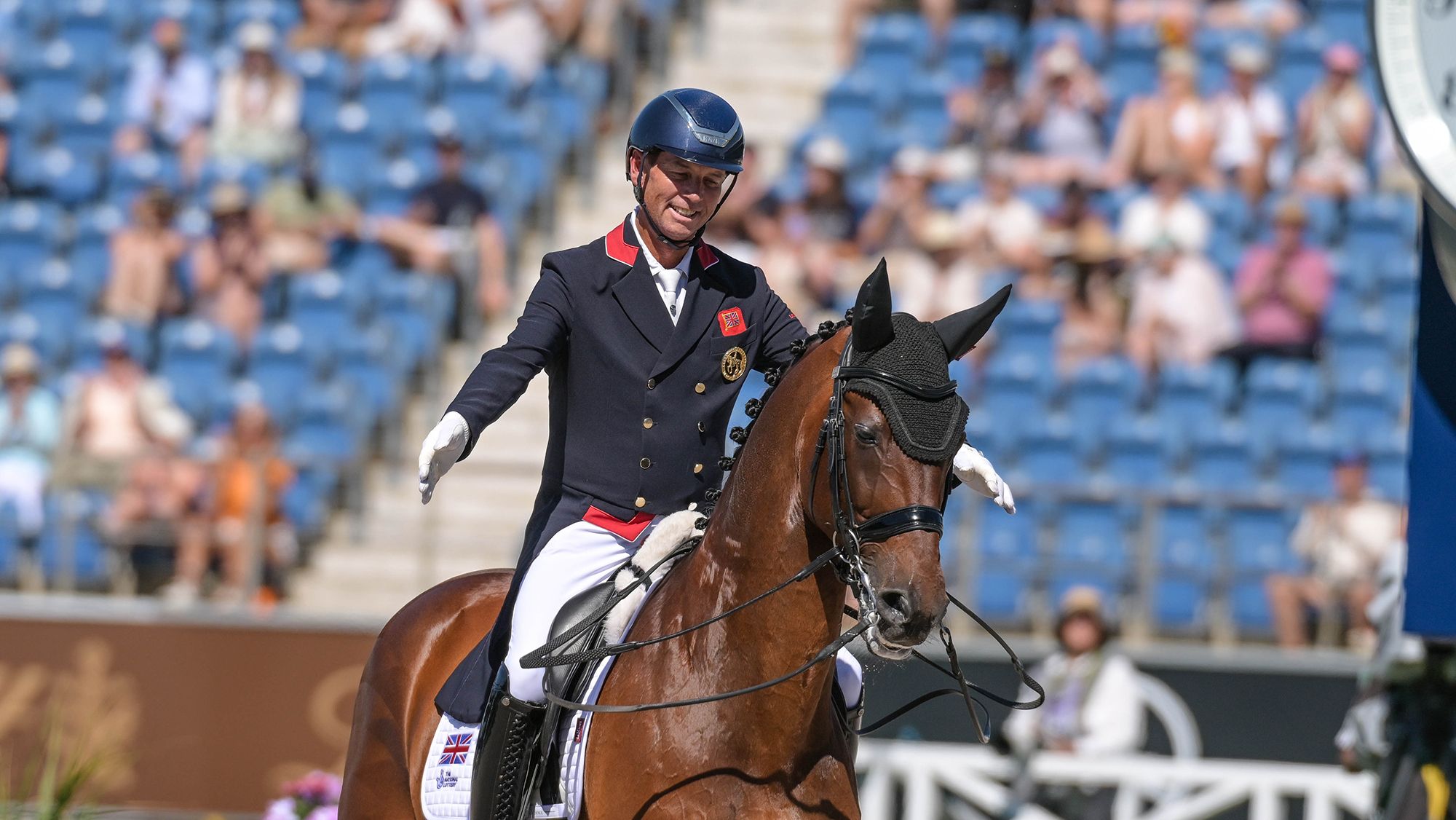
While the article focuses on the overall success, it’s important to acknowledge the individual brilliance that defined the Aachen championships. The competition typically spans several days, featuring different phases and disciplines within dressage, such as the Grand Prix, Grand Prix Special, and the Freestyle to Music (Grand Prix Kür). Each phase demands a unique set of skills and a profound understanding between horse and rider.
The presence of a diverse range of nations meant that the competition was fierce and unpredictable. Athletes from established equestrian powerhouses, as well as emerging nations, vied for podium positions. The level of technicality and artistic expression displayed by the top combinations was truly breathtaking. Judges evaluate various aspects, including the horses’ gaits (walk, trot, and canter), their obedience, suppleness, and impulsion, as well as the harmony and precision of the partnership with the rider.
The atmosphere in Aachen is always electric, with the legendary main stadium providing a spectacular backdrop for the elite competitions. The roar of the crowd, the precision of the music in the freestyle, and the sheer athleticism of the horses combine to create an unforgettable spectacle for both those present and those watching from afar.
The Impact of Media Reach and Spectator Engagement
The statistics provided regarding broadcast audience and digital reach are crucial indicators of the sport’s growing mainstream appeal. In an era dominated by digital media, the ability of equestrian events to capture such a large online audience is a significant achievement. This broad reach not only generates revenue through advertising and sponsorship but also inspires future generations of riders and fans.
The 12.8 million live broadcast viewers signify a substantial engagement with the sport. This widespread viewership suggests that dressage, often perceived as a niche sport, is increasingly breaking through to a wider audience. The accessibility of live broadcasts, whether through traditional television channels or streaming platforms, plays a vital role in this expansion.
The 106.2 million reach across FEI social and digital channels is particularly noteworthy. This indicates a highly active and engaged online community. Social media platforms are instrumental in providing behind-the-scenes content, rider interviews, and real-time updates, fostering a deeper connection between fans and the sport. This digital presence is essential for maintaining momentum between major events and for attracting new followers.
The half a million spectators on-site at Aachen underscore the enduring power of live sporting events. The shared experience of witnessing elite athleticism firsthand creates a unique energy that cannot be replicated through digital means. The economic impact of such a large influx of visitors on the host city and region is also substantial, further highlighting the importance of these championships.
Carl Hester’s Perspective: A Legacy of Excellence
Carl Hester’s role as a commentator on the success of the Aachen championships is particularly insightful. As a rider who has competed at the highest levels for decades, he possesses an unparalleled understanding of the sport’s intricacies and its developmental trajectory. His own achievements, including an Olympic gold medal at the London 2012 Games and multiple medals at World and European Championships, place him in a unique position to assess the current state of equestrianism.
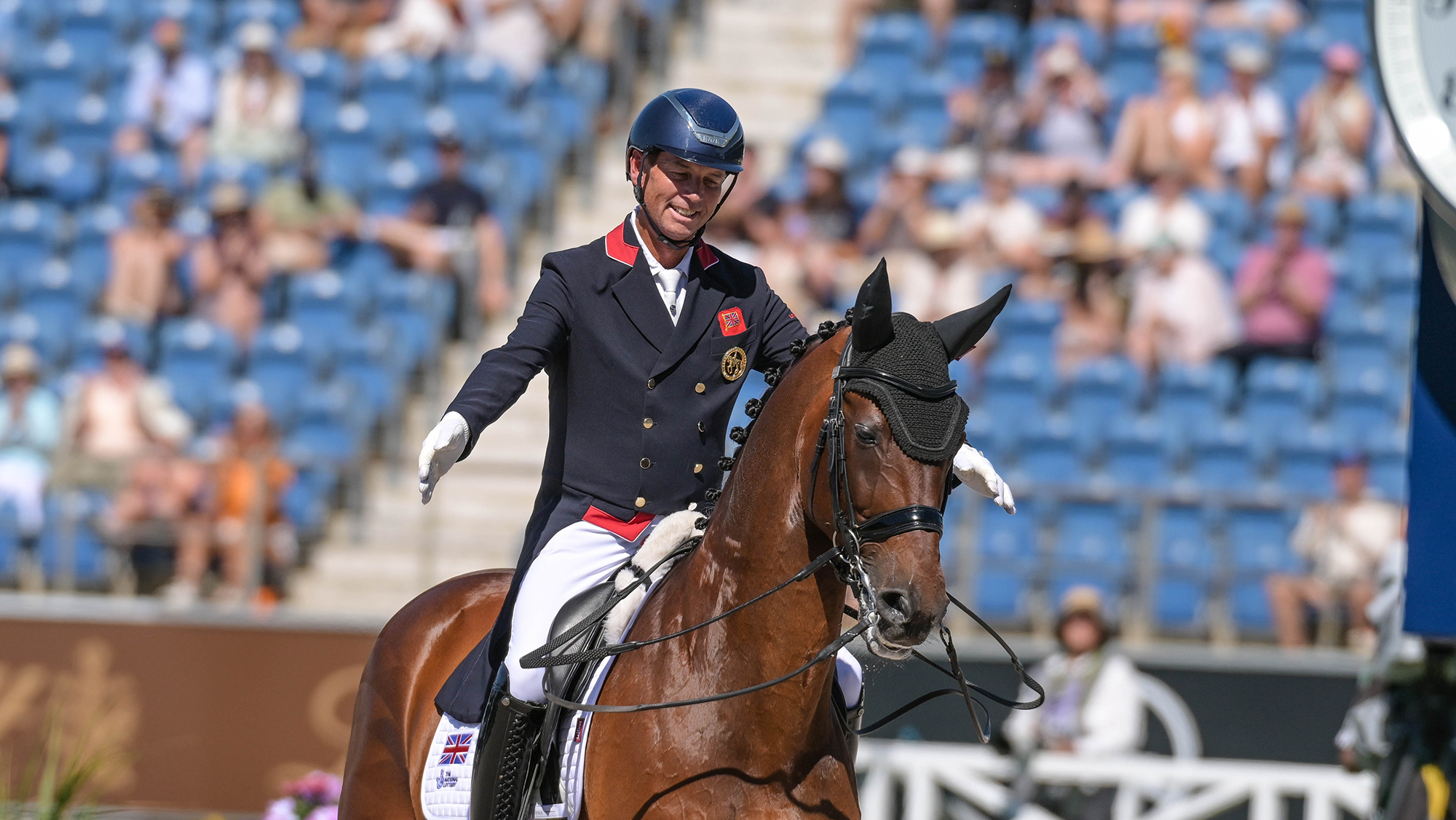
Beyond his own competitive prowess, Hester has been a transformative figure in the development of British dressage talent. His mentorship of Charlotte Dujardin and his role in the partnership with the legendary Valegro are cornerstones of modern dressage history. This experience provides him with a keen eye for identifying and nurturing potential, making his observations on the overall health of the sport particularly credible.
His regular column in Horse & Hound offers a direct line to his expert opinions and insights. For subscribers, these articles provide a deeper dive into the strategies, training philosophies, and challenges faced by top riders. His participation in this reflection on the Aachen championships further amplifies his influence and his commitment to promoting equestrianism.
Analyzing the Implications: A Positive Outlook for Dressage
The overwhelming success of the 2026 World Dressage Championships in Aachen carries significant implications for the future of the sport.
Increased Investment and Sponsorship
The substantial global reach and spectator engagement demonstrated at Aachen are highly attractive to potential sponsors and investors. As more eyes turn to equestrian events, businesses are likely to see greater value in associating their brands with the sport. This influx of investment can lead to improved facilities, enhanced prize money, and greater support for athlete development programs, creating a virtuous cycle of growth.
Talent Development and Grassroots Participation
The inspiration generated by seeing athletes from 65 nations compete at the highest level can significantly boost grassroots participation. Young aspiring riders, witnessing the dreams of their heroes realized, are more likely to pursue their own equestrian ambitions. This increased interest at the foundational level is crucial for the long-term sustainability of the sport, ensuring a steady stream of future talent.
Global Standardization and Advancement of Welfare
Major international events like the World Championships serve as benchmarks for equestrian standards. The focus on horse welfare, a paramount concern in modern sport, is often amplified at these championships. The FEI and national federations work collaboratively to ensure that the highest welfare protocols are implemented and adhered to, setting a positive example for the entire equestrian community. The success of Aachen reinforces the commitment to ethical and responsible horsemanship.
Enhanced Media Coverage and Public Perception
The positive portrayal of dressage in the media, amplified by the extensive broadcast and digital reach, contributes to a more nuanced and appreciative public perception. Moving beyond stereotypes, the narrative increasingly focuses on the athleticism, dedication, and the unique human-equine partnership that defines the sport. This positive shift in public perception can lead to greater acceptance and support for equestrian activities.
Conclusion: A Beacon of Success for Equestrianism
The 2026 World Dressage Championships in Aachen have undoubtedly been a landmark event. The figures speak for themselves: a truly global competition, an engaged audience numbering in the millions, and a resounding affirmation of the sport’s enduring appeal. Carl Hester’s reflections capture the essence of this success, highlighting not just the competitive achievements but the overall positive trajectory of equestrianism. As the sport looks to the future, the momentum generated by Aachen provides a strong foundation for continued growth, innovation, and a deeper connection with audiences worldwide. The hallowed grounds of Aachen have once again proven to be a stage where dreams are realized and the magnificent partnership between humans and horses is celebrated on a grand scale.