

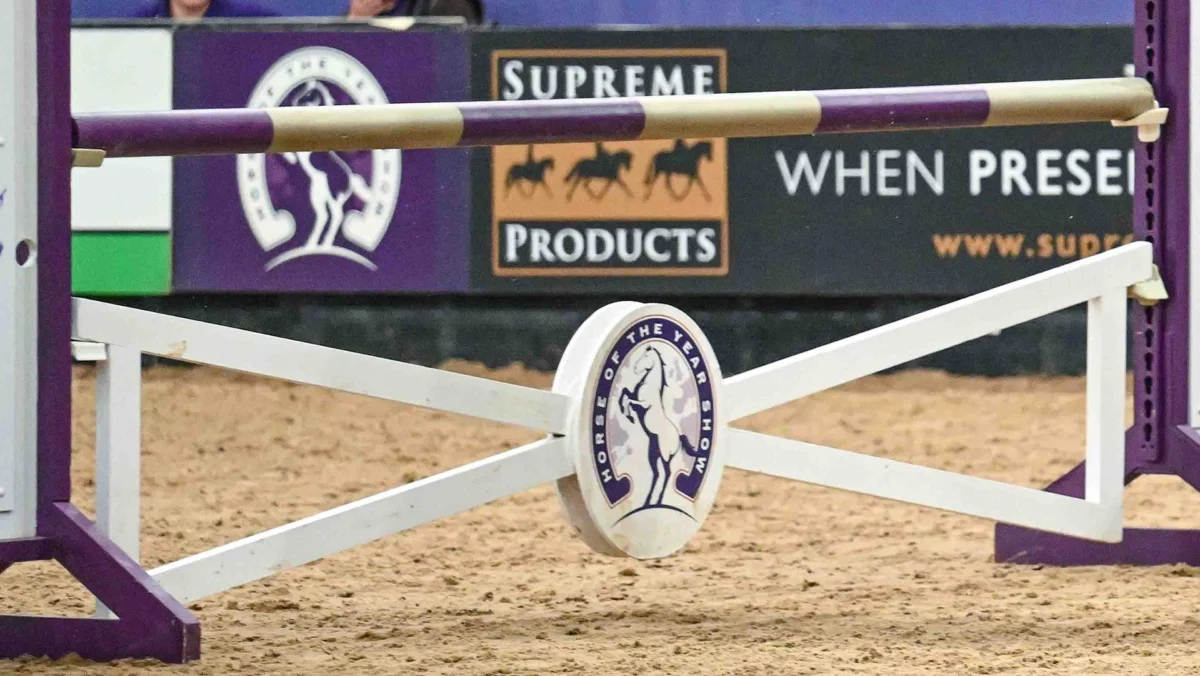
British Showjumping (BS) has issued a formal communication to its members, urging adherence to established rules regarding conduct, alcohol consumption, and the supervision of children, following a series of incidents reported during the prestigious Horse of the Year Show (HOYS). The governing body expressed disappointment that such a reminder was necessary, particularly as the event, held from October 7th to 11th, was underway. The email, dispatched to all BS members on October 9th, aimed to proactively address concerns and reinforce expected standards of behaviour within the equestrian community.
Context and Background of the Event
Horse of the Year Show, often referred to as the "National Championship of Great Britain," is a pinnacle event in the British equestrian calendar. It attracts thousands of competitors, spectators, and industry professionals from across the United Kingdom and beyond. The show, typically held at the NEC Birmingham, showcases a wide array of equestrian disciplines, with showjumping being a major highlight. The event is renowned for its competitive intensity, high-profile athletes, and significant media attention. As such, the behaviour of participants and attendees is subject to scrutiny, reflecting the broader image and reputation of the sport.
The timing of BS’s communication, mid-show, suggests that the reported incidents were of sufficient concern to warrant immediate attention. While the specific nature of these incidents has not been detailed by British Showjumping in the initial announcement, the mention of "key rules on behaviour, alcohol consumption and unaccompanied children" points towards potential breaches of welfare, safety, or sportsmanship.
British Showjumping’s Stance and Communication
In its communication to members, British Showjumping stated, "It is disappointing that members had to be contacted to remind them of key rules on behaviour, alcohol consumption and unaccompanied children." This phrasing indicates a level of regret and concern from the organisation that its members, who are expected to uphold the values of the sport, required such a directive. The use of the word "key" emphasizes the importance of these particular rules, suggesting they are fundamental to maintaining a safe, respectful, and enjoyable environment for all involved.
The decision to email all members underscores the widespread nature of the concern. It implies that the incidents were not isolated to a small number of individuals but were significant enough to necessitate a broad reminder to the entire membership. This approach aims to foster a collective responsibility for upholding standards and to prevent further occurrences.
Examining the Key Areas of Concern
Behaviour
The general term "behaviour" can encompass a wide range of actions. In the context of a competitive equestrian event like HOYS, this could refer to unsportsmanlike conduct towards fellow competitors, officials, or judges. It might also include aggressive or abusive language, disruptive actions within the competition arenas or public areas, or a general lack of respect for the sport and its participants. British Showjumping’s emphasis on "key rules" suggests these behavioural expectations are clearly defined within their rulebook, and the reminder serves to reinforce their importance.
Alcohol Consumption
The mention of alcohol consumption is particularly relevant in the context of large public events where alcohol is often available. While responsible consumption is generally accepted, excessive or inappropriate alcohol intake can lead to impaired judgment, increased aggression, and a disregard for rules and safety. For an organisation like British Showjumping, ensuring that alcohol consumption does not negatively impact the welfare of horses, the safety of riders, or the overall atmosphere of the event is paramount. Rules around alcohol often focus on preventing intoxication that could lead to dangerous situations or unprofessional conduct.
Unaccompanied Children
The welfare of children is a critical concern for any sporting organization. The reminder about "unaccompanied children" suggests that there may have been instances where minors were left unattended, potentially in unsafe environments or without adequate supervision. This could pose risks to the children themselves, as well as create potential liabilities for the organization and event. Responsible adult supervision is a fundamental aspect of ensuring the safety and well-being of young participants and spectators.
Broader Implications and Industry Standards
The need for British Showjumping to issue such a reminder highlights the ongoing challenge of maintaining high standards of conduct within any large-scale sporting event. Equestrian sports, in particular, often involve a delicate balance between competitive drive and the welfare of the animals involved. Any behaviour that compromises this balance, or that creates an unsafe or disrespectful environment, can have significant repercussions.
Data and Trends in Sports Governance:
While specific data on behavioural incidents at HOYS is not publicly available, broader trends in sports governance often show a recurring need for organisations to address issues related to member conduct. Governing bodies regularly review and update their codes of conduct, disciplinary procedures, and member education programs to mitigate risks. The increase in social media and public scrutiny also means that incidents, even minor ones, can gain wider visibility, placing greater pressure on organisations to act. For instance, reports from various sporting bodies often indicate that a significant percentage of disciplinary actions relate to participant conduct, including verbal abuse and unsportsmanlike behaviour.
Impact on Reputation and Sponsorship:
The reputation of British Showjumping, and by extension the sport of showjumping in the UK, is crucial for its continued growth and success. Negative publicity arising from behavioural issues can deter potential sponsors, spectators, and participants. Maintaining a positive image of professionalism, sportsmanship, and commitment to welfare is essential for securing investment and maintaining public interest. HOYS, as a high-profile event, amplifies any such concerns.
Welfare and Safety as Paramount Concerns:
The core of any equestrian sport lies in the welfare of the horse and the safety of the rider. Behavioural issues, especially those involving alcohol or negligence in supervising children, can directly or indirectly compromise these fundamental principles. Horses are sensitive animals, and a chaotic or aggressive environment can cause them distress. Similarly, riders and handlers must be able to focus and operate in a safe and controlled manner.
Potential Chronology of Events
While the exact sequence of events leading to the BS communication is not detailed, a plausible timeline can be inferred:
- Throughout HOYS (October 7-11): Incidents related to behaviour, alcohol consumption, and unaccompanied children occur at the Horse of the Year Show. These may have been observed by officials, reported by other attendees, or captured through various means.
- Early October 9th: British Showjumping assesses the reported incidents and determines that a formal communication to the membership is necessary.
- October 9th: BS dispatches an email to all its members, reinforcing key rules on behaviour, alcohol, and child supervision. This occurs while the show is still in progress.
- Post-HOYS (October 11 onwards): British Showjumping may undertake further internal reviews or investigations into specific incidents, potentially leading to disciplinary actions if rules have been significantly breached.
Inferred Reactions and Future Outlook
From Competitors and Officials:
While no direct quotes are available, it can be reasonably inferred that many dedicated members and officials within British Showjumping would welcome such a reminder. They often operate with a strong commitment to the sport’s integrity and welfare standards. Such communications can serve as a collective reinforcement of shared values. Conversely, individuals who may have been responsible for or aware of the problematic behaviour might view the reminder with unease or defensiveness. However, the official stance from BS suggests a broader concern for the entire membership’s conduct.
From Event Organizers (HOYS):
Event organizers like HOYS rely on governing bodies to set and enforce standards of conduct. While HOYS itself likely has its own operational rules and security measures, BS’s communication directly addresses member behaviour within the context of the sport. It is probable that HOYS officials would have been in communication with BS regarding any reported issues affecting the smooth running and safety of their event.
From the Wider Equestrian Community:
The broader equestrian community, including other governing bodies, equestrian publications, and advocacy groups, would likely view this development with interest. It serves as a reminder of the constant need for vigilance in upholding standards across all levels of equestrian sport. News of such reminders often sparks discussions about best practices and the responsibilities of membership.
Analysis of Implications
The BS directive, while framed as a reminder, carries implicit weight. It signals that British Showjumping is actively monitoring member conduct and is prepared to address deviations from expected standards.
- Reinforcement of a Code of Conduct: This action serves to underscore that membership in British Showjumping comes with responsibilities that extend beyond competition fees. A commitment to a code of conduct, encompassing respect, safety, and responsible behaviour, is integral.
- Proactive Risk Management: By issuing the communication mid-event, BS adopted a proactive risk management strategy. This aims to prevent escalation of issues and mitigate potential negative impacts on the show and the sport’s reputation.
- Focus on Member Education: While disciplinary action may follow specific breaches, a general reminder also serves an educational purpose. It can prompt members to re-familiarize themselves with the rules and consider their personal conduct.
- Potential for Future Policy Adjustments: Depending on the severity and frequency of such incidents, BS may consider more stringent measures in the future, such as enhanced training programs, stricter enforcement protocols, or revised disciplinary frameworks.
In conclusion, the communication from British Showjumping underscores the critical importance of maintaining high standards of behaviour, particularly at prominent events like the Horse of the Year Show. The focus on conduct, alcohol, and child supervision reflects the multifaceted responsibilities inherent in participating in a sport that involves animals, public audiences, and significant competitive pressures. The organization’s proactive approach aims to safeguard the welfare of all involved, uphold the integrity of the sport, and ensure that equestrian events remain positive and respectful environments for everyone.







