

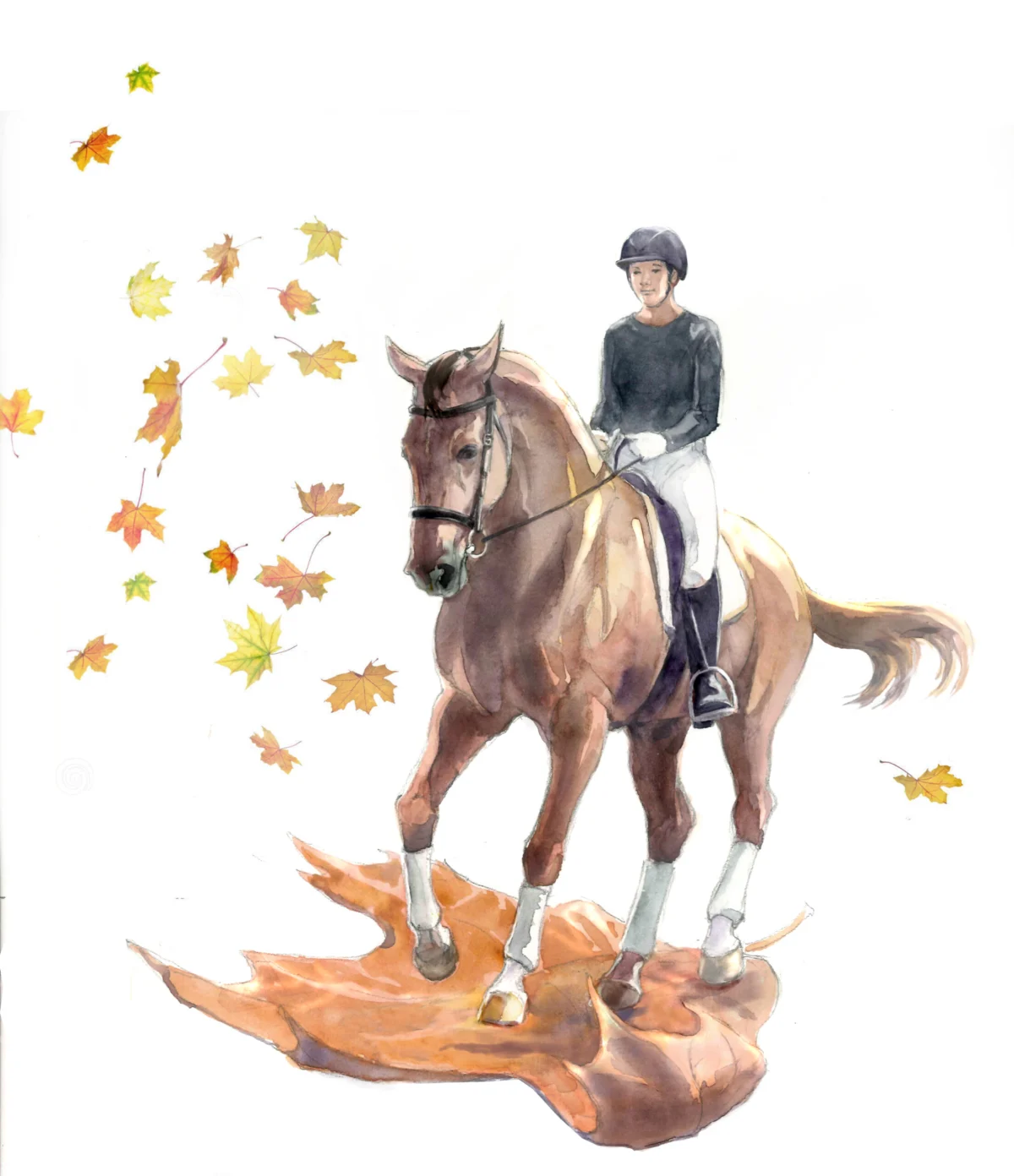
The subtle art of achieving soft, downward transitions in dressage is paramount to a harmonious partnership between horse and rider, akin to a leaf gracefully descending to the earth. This principle, articulated by renowned international dressage rider, trainer, and coach Kathy Connelly, forms the bedrock of effective training and communication in the equestrian discipline. Connelly, who has represented the United States Equestrian Team at the World Cup and honed her skills with legendary figures like Herbert Rehbein in Germany and Ernst Bachinger in Vienna, emphasizes a training philosophy that prioritizes clarity, lightness, and responsiveness in the horse. Her insights, first published in the June 2015 issue of Dressage Today, continue to resonate with riders seeking to elevate their equine partners’ performance and understanding.
The Essence of Soft Transitions: A Metaphor for Connection
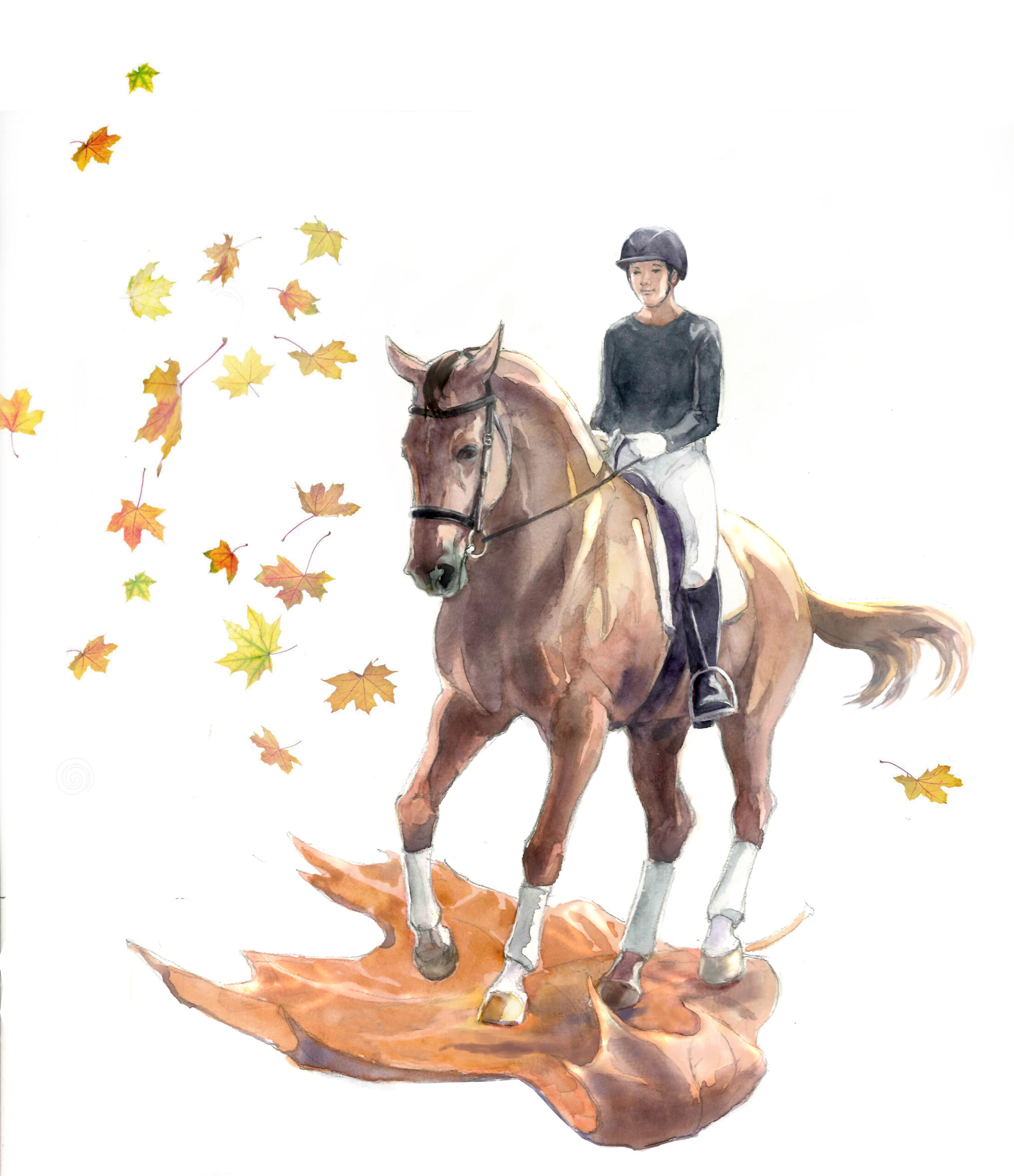
Connelly’s evocative imagery of a "leaf floating to the earth" serves as a powerful metaphor for the ideal downward transition. This is not merely about the horse slowing down; it’s about a seamless, controlled deceleration that maintains balance, engagement, and forward-thinking energy. A harsh or abrupt transition can signal a breakdown in communication, leading to a loss of impulsion, a stiffening of the horse’s frame, or even a misunderstanding of the rider’s aids. Conversely, a soft transition demonstrates that the horse has understood the rider’s request and is responding willingly and with athleticism.
In dressage, transitions are a fundamental building block of all movements. They are assessed in every phase of competition, from the foundational walk-to-trot to the more complex canter-to-walk or halt. Judges scrutinize not only the accuracy of the transition but also its quality. A horse that transitions smoothly, maintaining its rhythm and balance throughout the change of gait, receives higher marks. This quality is directly influenced by the rider’s ability to prepare the horse, apply aids precisely, and maintain a sympathetic connection.
Understanding the Mechanics of a Soft Transition
Achieving these soft transitions requires a deep understanding of biomechanics and the horse’s natural way of going. A downward transition, whether from canter to trot or trot to walk, involves a shift in the horse’s center of gravity. The horse must be able to carry its weight effectively from its forehand to its hindquarters, engaging the core muscles and maintaining a supple topline.
- Preparation is Key: Before initiating a transition, the rider must ensure the horse is correctly positioned and balanced. This often involves a slight, almost imperceptible, half-halt, which is not a harsh check but rather a coordinated application of the seat, leg, and rein aids to rebalance the horse. The half-halt signals to the horse that a change is imminent and encourages it to engage its hindquarters and carry more weight.
- The Role of the Aids: The rider’s aids must be clear and sequential. The seat is paramount in initiating and supporting the transition. The legs provide the impulsion and forward-thinking energy that prevents the horse from "falling out of the movement." The reins, while crucial for steering and balance, should not be used to "pull" the horse down into the next gait. Instead, they should be used to define the frame and guide the horse through the transition.
- Maintaining Energy: A common pitfall is to sacrifice impulsion for softness. A truly soft transition is one where the horse maintains its forward-thinking energy, even as it decelerates. This means the horse is not "waiting" for the rider’s next cue but is actively engaged and ready to move forward in the new gait. The hindquarters should remain active, pushing the horse forward into the transition.
- The Horse’s Perspective: From the horse’s perspective, a well-executed downward transition is a request for a change in pace and engagement. A responsive horse will understand the rider’s subtle cues and adjust its body accordingly. This requires a horse that is well-trained, supple, and has a strong understanding of the rider’s aids, built through consistent and correct training.
Historical Context and Evolution of Dressage Training
The pursuit of soft transitions has been a constant in dressage training throughout its history. Ancient equestrian texts, from Xenophon to Pluvinel, emphasized the importance of the horse’s obedience and responsiveness to the rider’s subtle aids. While the terminology and specific techniques may have evolved, the underlying principle of clear communication and harmonious partnership remains.
The modern era of dressage, with its emphasis on athleticism, elegance, and the horse’s well-being, has further refined the understanding of transitions. The Fédération Equestre Internationale (FEI) rules and judging criteria explicitly reward smooth and balanced transitions, reinforcing their importance in competition. The development of sophisticated training methodologies, drawing from classical principles and scientific understanding of equine physiology, has provided riders with more tools to achieve these desired qualities.
Kathy Connelly: A Legacy of Expertise
Kathy Connelly’s extensive experience as a competitor and trainer has provided her with invaluable insights into the nuances of dressage. Her career highlights include representing the USET at the World Cup, a prestigious event that showcases the pinnacle of international dressage talent. Her formative training experiences in Europe with Masters like Herbert Rehbein, known for his emphasis on classical dressage principles and deep understanding of equine biomechanics, and Ernst Bachinger, a former director of the iconic Spanish Riding School, have deeply influenced her training philosophy. This background equips her with a unique perspective on achieving the highest levels of horsemanship.
Connelly’s training centers, Elysium Farm in Harvard, Massachusetts, and Havensafe Farm in Wellington, Florida, are hubs for serious dressage riders and horses. These locations provide ideal environments for year-round training, allowing riders to prepare for competitions across different seasons and climates. Her continued involvement in teaching and training underscores her dedication to sharing her knowledge and fostering the development of skilled equestrians.
Supporting Data and Scientific Insights
While the aesthetic of a "leaf floating to the earth" is poetic, scientific principles underpin its realization. Biomechanical studies have analyzed the forces and muscle engagement involved in equine locomotion. Research into equine physiology reveals the importance of:
- Core Engagement: A strong and engaged core musculature in the horse is crucial for maintaining balance and stability during transitions. This allows the horse to flex its spine and engage its hindquarters effectively, preventing a collapse of the back or forehand.
- Proprioception: This is the horse’s sense of its own body in space. A well-trained horse has enhanced proprioception, allowing it to anticipate and react to the rider’s aids with greater precision and fluidity.
- Muscle Memory and Conditioning: Consistent and correct training builds muscle memory and conditions the horse’s body to respond efficiently. Repeatedly practicing soft transitions, with proper preparation and execution, strengthens the neural pathways and muscular responses required for them.
Studies have also shown that horses subjected to harsh or inconsistent aids can develop physical and psychological issues, including stiffness, avoidance behaviors, and a decreased willingness to work. This highlights the importance of Connelly’s emphasis on soft, clear communication.
Broader Implications for Equestrian Sport
The mastery of downward transitions extends beyond individual horse-and-rider combinations; it has broader implications for the sport of dressage and equestrianism as a whole.
- Horse Welfare: A training approach that prioritizes soft, clear communication and rewards responsiveness inherently promotes horse welfare. Horses trained in this manner are more likely to be physically sound, mentally engaged, and willing partners. This aligns with the growing emphasis on ethical training practices within the equestrian community.
- Progression of the Sport: As riders collectively improve their ability to produce horses with soft and efficient transitions, the overall quality and athleticism of dressage can advance. This leads to more compelling performances and a higher standard of competition.
- Education and Mentorship: The dissemination of knowledge from experienced trainers like Kathy Connelly is vital for the education of future generations of riders. By sharing their insights and methodologies, they help to preserve and evolve the art of dressage.
Conclusion: A Continuous Journey of Refinement
The pursuit of soft, downward transitions is not a destination but a continuous journey of refinement for both horse and rider. It requires patience, dedication, and a deep understanding of the principles of classical dressage. Kathy Connelly’s timeless advice serves as a guiding light, reminding us that true mastery lies in achieving a harmonious partnership where every movement, including the subtle art of descent, is executed with grace, clarity, and mutual respect. The image of a leaf floating to the earth encapsulates this ideal, representing a connection that is both natural and exquisitely controlled, a testament to the power of thoughtful and empathetic horsemanship.







