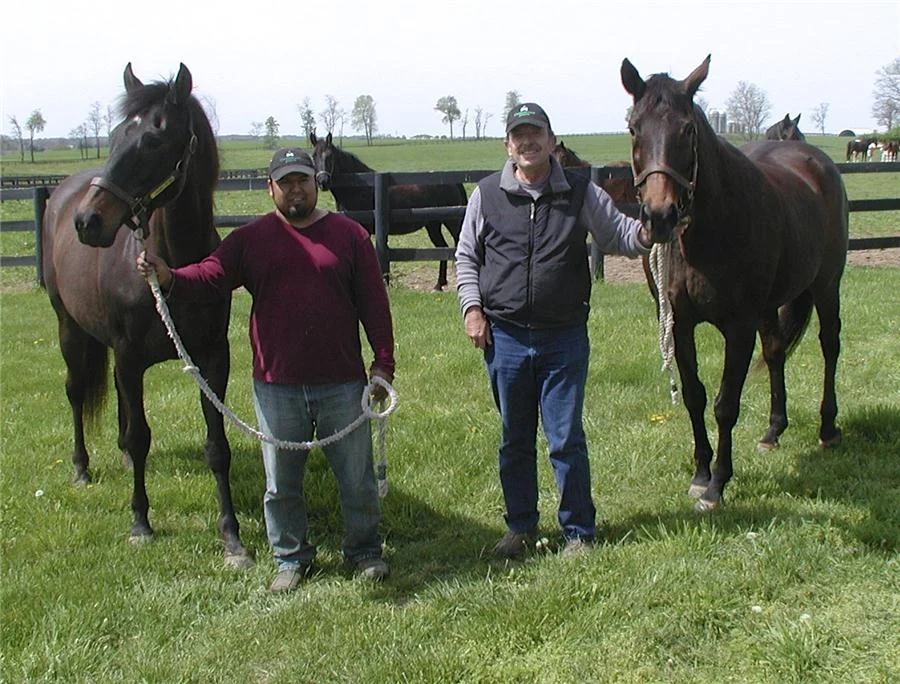
May 1, 2013, marked a significant turning point in the equine industry landscape of Central Kentucky, signaling the end of Ron’s nearly two-decade tenure as manager and advisor at Chanteclair Farm. This picturesque property, strategically situated between Versailles and Midway, had served as the breeding and foaling ground for the esteemed Chanteclair operation, owned by the late Prince Saud bin Khaled. The conclusion of Ron’s stewardship at Chanteclair coincides with a broader trend of farm sales and operational shifts within the Thoroughbred breeding community, prompting reflection on the legacy of such operations and the dedicated individuals who manage them.
The history of Chanteclair Farm, as detailed in recollections from Ron, began approximately 18 years prior to this May 1st transition, when the initial cohort of mares and foals belonging to Prince Saud bin Khaled were relocated to the Aiken Road property. Prior to this move, the horses were boarded at Mare Haven Farm. The relocation to Chanteclair represented a new chapter for the late Prince’s bloodstock, aiming to consolidate operations and leverage the farm’s prime location within Kentucky’s renowned Bluegrass region.
The very first foal born at Chanteclair Farm under this new arrangement was Golden Dice, a colt by the influential sire Diesis. Foaled by the mare Fariedah, Golden Dice’s arrival on the farm in 1995 was not only the last foal of that year’s crop but also served as an auspicious beginning for the facility. This initial success was a harbinger of many subsequent achievements, with Golden Dice himself going on to become a stakes winner, setting a precedent for the quality of racing stock to emerge from the Chanteclair operation. The farm, nestled on Aiken Road, became known for its capacity to produce talented Thoroughbreds, a testament to both the quality of the bloodstock and the meticulous management employed.
The sale of Chanteclair Farm to new owners signifies a natural evolution within the agricultural and equine sectors. While Ron expresses hope that the new proprietors will find similar success and fulfillment at the property, his departure represents the close of a significant era for the farm. His nearly 18 years of dedicated service underscore the long-term commitment often required in Thoroughbred farm management, a profession that demands deep knowledge, tireless effort, and a profound understanding of equine welfare and breeding principles.
The Enduring Dedication of Equine Management
Ron’s career trajectory highlights a passion for Thoroughbreds that extends across multiple prestigious farms and diverse managerial roles. Reflecting on his time at Chanteclair, he describes it as "one of the best," yet emphasizes a broader appreciation for all the operations he has been involved with. This sentiment speaks to the immersive nature of farm management, where each property and its inhabitants foster unique bonds and experiences. His forward-looking perspective indicates a continued engagement with the industry, aiming to partner with existing clients and forge new relationships with farm owners seeking to realize their breeding and racing aspirations.
The role of a farm manager, as articulated by Ron, is far from a conventional nine-to-five occupation. It is characterized by demanding physical labor and extended hours, often under challenging conditions. However, the inherent reward lies in the pursuit of a genuine passion. "When you have the opportunity to do something you truly love, all the tough times fade in comparison," he states, encapsulating the transformative power of vocational fulfillment. The daily routine, often involving early morning drives through tranquil, tree-lined roads and past historic stone walls, provides a serene backdrop to the demanding work of caring for mares and developing future champions.
The Emotional Landscape of Farm Management
The life of a farm manager is inherently intertwined with a spectrum of emotions, ranging from profound satisfaction to significant anxiety. Ron candidly admits, "You worry, you fret, the staff is at once amazing and frustrating. But you are doing what you love." This duality reflects the complex human element of managing a team and the unpredictable nature of animal husbandry. The successes, such as witnessing a horse achieve its full potential on the racetrack, are immensely gratifying. Conversely, the inherent risks associated with equine health and reproduction can lead to profound disappointment.
A core tenet of Ron’s management philosophy is the belief that farm managers often receive the "best end of the deal." By being compensated to work directly with horses, they gain an unparalleled intimacy with the farms and their equine residents, often exceeding the daily involvement of the owners themselves. This deep connection amplifies both the triumphs and the tribulations. The emotional highs of a major race victory are shared with the owner, but the responsibility for the day-to-day well-being of the animals rests heavily on the manager. Similarly, the heartbreak of losing a foal or a mare represents a deeply personal loss.
Resilience and the Cycle of Life in Thoroughbred Breeding
Despite the emotional volatility, Ron emphasizes the inherent resilience and cyclical nature of life on a breeding farm. The harsh realities of a challenging winter are invariably followed by the rejuvenating promise of spring. The image of the sun rising over freshly mown pastures, with young horses galloping freely, serves as a powerful metaphor for renewal and the perpetual pursuit of excellence in breeding. This constant cycle of life, death, and rebirth is a fundamental aspect of the Thoroughbred industry and a source of motivation for those deeply invested in it.
The profession of farm management is, therefore, not for the faint of heart. It demands courage, resilience, and an unwavering love for horses and the work itself. For individuals who possess these qualities, it offers a profoundly rewarding and uniquely fulfilling existence. Ron’s willingness to share his experiences and mentor aspiring farm managers suggests a commitment to perpetuating this demanding yet ultimately gratifying career path.
Supporting Data and Industry Context
The Thoroughbred breeding industry in Kentucky, often referred to as the "Horse Capital of the World," is a multi-billion dollar enterprise. Farms like Chanteclair are integral to this ecosystem, contributing to the continuous cycle of breeding, foaling, raising, and racing. The value of prime breeding stock can run into the millions of dollars, and the success of a farm is measured not only by the financial returns but also by the quality of the athletes it produces.
Kentucky consistently leads the nation in Thoroughbred foal registrations, with organizations like The Jockey Club tracking these figures annually. In 2022, for instance, The Jockey Club reported 22,037 Thoroughbred foals registered in North America, with a significant majority of these born in Kentucky. This robust registration base underscores the ongoing demand for quality breeding operations and skilled management.
The average cost of boarding a mare for breeding can range from $5,000 to $15,000 or more, excluding stud fees, which can escalate into the hundreds of thousands of dollars for elite stallions. The operational costs of a breeding farm, including labor, feed, veterinary care, and land maintenance, are substantial. Therefore, successful farm management is critical to ensuring the financial viability and long-term sustainability of these enterprises.
Chronology of Chanteclair Farm Under Ron’s Stewardship (Inferred)
- 1995: Prince Saud bin Khaled’s mares and foals are moved from Mare Haven Farm to the newly acquired Chanteclair Farm on Aiken Road, Central Kentucky.
- 1995: Fariedah foals Golden Dice, the first foal born at Chanteclair Farm, a colt by Diesis. This foal proves to be an early success, becoming a stakes winner.
- 1995 – 2013: Chanteclair Farm operates under the management and advisory of Ron, overseeing the breeding, foaling, and raising of Thoroughbreds for Prince Saud bin Khaled. During this period, the farm produces numerous stakes winners, establishing a reputation for quality.
- May 1, 2013: Ron’s involvement with Chanteclair Farm concludes as the property is sold to new owners. This date marks the transition of stewardship for the farm.
- Post-2013: The future of Chanteclair Farm is now in the hands of its new owners, with hopes of continued success. Ron continues his career, working with existing and new clients in the equine management field.
Broader Industry Implications and Future Outlook
The sale of Chanteclair Farm and the conclusion of Ron’s long-term role there reflect broader trends within the Thoroughbred industry. Economic factors, shifts in ownership, and the cyclical nature of the sport all contribute to these changes. The consolidation of farms, the increasing specialization of operations, and the ongoing pursuit of genetic superiority continue to shape the landscape of Thoroughbred breeding.
For individuals aspiring to careers in farm management, Ron’s insights offer invaluable guidance. The emphasis on passion, dedication, and resilience is paramount. The industry requires a unique blend of scientific knowledge, practical skill, and an intuitive understanding of horses. The ability to navigate both the exhilarating highs of success and the inevitable challenges is crucial for long-term fulfillment.
As Ron looks forward to new partnerships and opportunities, his commitment to the Thoroughbred industry remains steadfast. The legacy of Chanteclair Farm, marked by nearly two decades of dedicated management and the production of quality racehorses, will undoubtedly continue to be a point of reference. The ongoing evolution of farms and the careers of experienced professionals like Ron underscore the dynamic and enduring nature of Thoroughbred breeding in Kentucky and beyond. His message of pursuing one’s passion, even in the face of adversity, resonates deeply within a community that thrives on dedication and the pursuit of equine excellence.
For those seeking to connect with Ron for consultation or to discuss potential collaborations in equine farm management, he remains accessible via email at [email protected] His continued involvement promises to bring his extensive experience and unwavering enthusiasm to new projects and clients within the vibrant world of Thoroughbreds.