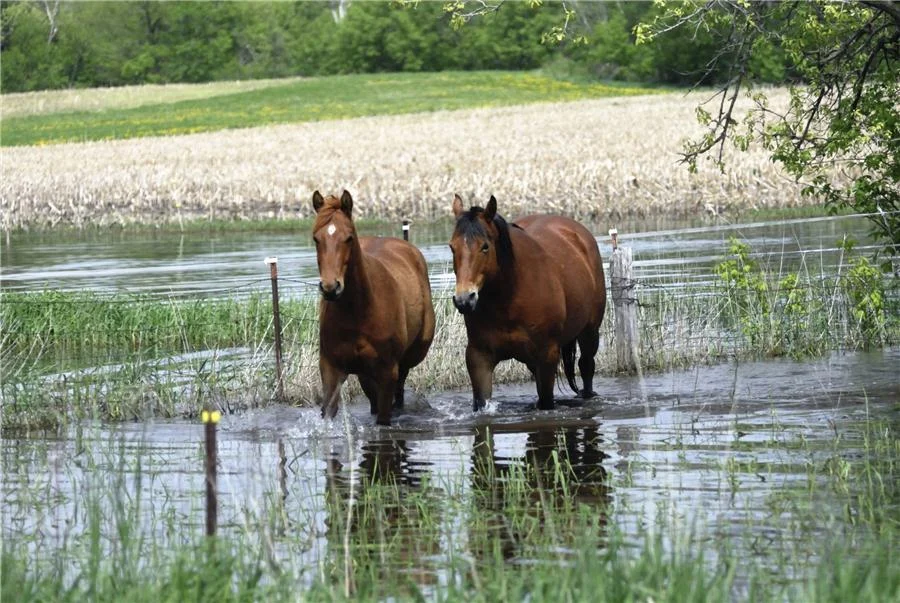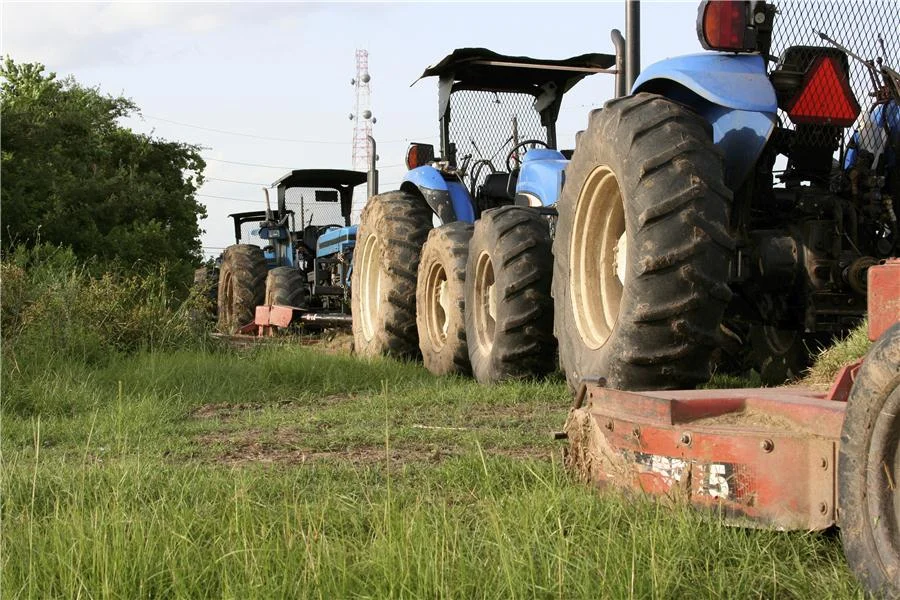
Mastering Pasture Management: Essential Strategies for Equine Health and Land Sustainability is crucial for horse owners and farm managers aiming to optimize the health of their animals and the longevity of their land. This comprehensive guide, drawing insights from The Farm Clinic and industry expert Roger Allman, provides actionable advice for maintaining vibrant and productive pastures. While each field possesses unique characteristics, a consistent application of sound management principles forms the bedrock of successful equine pasture care. Factors such as geographical location, prevailing climate, the specific mix of plant species, the density of horse population per acre, and the inherent quality of the soil all significantly influence the intensity and type of management required for optimal pasture health. Understanding and adapting to these variables is key to unlocking the full potential of any grazing area.
The Fundamental Role of Mowing in Pasture Health
Regular mowing, executed at the correct height, stands as one of the most critical interventions for pasture maintenance. Industry recommendations often suggest maintaining grass height within a six-to-eight-inch range. This practice actively stimulates increased forage production. When grass is cut frequently, it redirects its energy reserves from elongating its stems to developing a denser, more robust root system and spreading its rhizomes. This process results in a thicker, more resilient turf. From the horses’ perspective, shorter grass is generally more palatable, tender, and lower in indigestible fiber content, leading to better nutrient absorption and overall digestive health.
Conversely, mowing too short can have detrimental consequences. In warmer months, it exposes the soil directly to the sun, accelerating evaporation and leading to rapid drying. This can stress the grass, making it more susceptible to drought. During winter, when grass growth naturally slows, short mowing further diminishes the available forage. Beyond its direct impact on grass growth, mowing serves as a primary method for weed control. By regularly removing weed seed heads before they mature, mowing effectively prevents the proliferation of invasive species in subsequent growing seasons. This proactive approach significantly reduces the need for chemical herbicides.
Optimizing Soil Fertility: Liming and Fertilizing
The judicious application of lime and fertilizer is indispensable for fostering the growth of healthy, vigorous grasses. Lime, typically a calcium carbonate-based material, helps to neutralize soil acidity, bringing the pH closer to the optimal range for most pasture grasses. This improved pH unlocks essential nutrients already present in the soil, making them more accessible to plant roots. Fertilizers, tailored to the specific needs of the pasture, provide essential macronutrients like nitrogen, phosphorus, and potassium, as well as micronutrients that support robust growth.
The benefits extend beyond mere plant health; pastures managed with appropriate soil amendments produce forage that offers a more balanced nutritional profile for grazing horses. Deficiencies in soil nutrients can translate directly into deficiencies in the grass, impacting the horses’ dietary intake. For instance, a lack of adequate phosphorus in the soil can lead to reduced phosphorus levels in the grass, which is critical for bone development and energy metabolism in horses. Similarly, insufficient magnesium can contribute to grass tetany, a potentially fatal metabolic disorder. Regular soil testing, often conducted by local agricultural extension offices, is the most reliable method for determining the precise liming and fertilizing needs of a particular pasture. These tests provide a scientific basis for nutrient application, preventing over-application, which can be environmentally damaging and economically wasteful, and under-application, which compromises pasture productivity.
The Strategic Importance of Seeding
Seeding plays a pivotal role in regenerating pastures, particularly those subjected to heavy grazing pressure or those dominated by less desirable grass species. In pastures where horses graze intensively, desirable species like Kentucky Bluegrass and ryegrass can be stressed to the point of plant death. Overseeding with these robust species helps to fill in bare patches and re-establish a competitive sward.
Furthermore, seeding is critical in high-traffic areas such as gateways, corners, and watering points. These zones are prone to severe hoof damage, which loosens the soil and creates bare spots. These bare areas not only represent lost forage but also become susceptible to erosion, especially on slopes, where wind and rain can wash away valuable topsoil. Strategic seeding in these areas helps to stabilize the ground, prevent erosion, and restore a continuous cover of beneficial vegetation. The timing of seeding is also important; it is often most successful when done in conjunction with other pasture management practices, such as chain harrowing, to ensure good seed-to-soil contact. Fall seeding, for example, can be particularly effective as cooler temperatures and increased moisture provide ideal germination conditions for many cool-season grasses.
The Benefits of Field Rotation for Pasture Resilience
Implementing a system of field rotation, even for short periods, can yield significant benefits for pasture health and longevity. Resting a pasture, particularly during periods of rapid grass growth, allows the vegetation to recover and regrow. This rest period enables the grass plants to replenish their carbohydrate reserves and strengthen their root systems, contributing to a thicker, more resilient sod. A robust sod is better equipped to withstand grazing pressure and compete with weeds.
When continuous grazing is unavoidable, alternative strategies can mitigate its negative impacts. Spreading a thin layer of well-composted manure or muck, especially in heavily grazed areas, can stimulate grass growth and encourage more uniform utilization of the pasture. Horses, by nature, tend to favor grazing short, tender grass. Without encouragement to move to other areas, they will repeatedly graze the same spots down to the ground, leading to overgrazing and potential damage. Rotation helps to break this cycle, allowing grazed areas to recover while horses graze on fresh, more abundant forage in another section of the pasture. This practice mimics natural grazing patterns and promotes a healthier ecosystem within the pasture.
Enhancing Soil Organic Matter with Muck Spreading
The application of straw-based muck, a byproduct of equine operations, can be an effective method for increasing the soil’s organic matter content. Organic matter is a cornerstone of healthy soil, acting like a sponge to improve moisture retention. This is particularly valuable during dry spells, helping to sustain grass growth when water is scarce. The increased water-holding capacity of the soil also means that plants are less stressed during periods of drought, leading to more consistent forage production.
However, caution must be exercised when spreading muck. Applying it too thickly can smother the existing grass, blocking sunlight and air, and ultimately killing the desirable vegetation. A thin, even layer is generally recommended. To address potential issues associated with unsightliness and the introduction of parasites or weed seeds, composting muck before spreading is the preferred method. Composting, a controlled biological process, breaks down organic material, kills weed seeds and parasite eggs, and produces a nutrient-rich soil amendment that is safe and beneficial for pastures. Future discussions will delve deeper into the detailed methodologies and advantages of composting.
Chain Harrowing: Loosening and Spreading
Chain harrowing is a valuable pasture management tool that serves a dual purpose: it loosens dead grass and thatch, allowing air and sunlight to reach the soil surface, and it helps to break up and spread manure piles. The frequency of chain harrowing is typically dictated by the stocking density of the pasture and the amount of manure produced. For lightly grazed pastures, one to two passes per year may be sufficient.
Chain harrowing can also be a critical step in successful reseeding efforts. Running a chain harrow over the pasture surface both before and after broadcasting seed significantly improves the contact between the seeds and the soil. This enhanced contact is vital for germination, as it ensures that the seeds are in close proximity to moisture and nutrients in the soil. However, chain harrowing should be undertaken with care. Performing this operation during prolonged dry weather can exacerbate soil drying, potentially stressing the grass. Furthermore, pastures that are heavily infested with the weedy grass Nimblewill should not be harrowed during September or October. This specific timing is critical because harrowing during this period can effectively spread Nimblewill seeds, leading to a more widespread infestation in the following year.
Aeration: Combating Soil Compaction and Enhancing Nutrient Uptake
Aeration, particularly using spike-type aerators, is an effective technique for improving soil structure and promoting healthier root development. Over time, repeated foot traffic from horses can lead to soil compaction, restricting the ability of water, air, and nutrients to penetrate the soil. Aeration creates small channels or holes in the soil, alleviating this compaction.
This process encourages deeper root growth, as roots are able to penetrate more easily into the loosened soil. Aerating the pasture prior to applying lime or fertilizer offers a significant advantage, especially on sloped terrain. The channels created by the aerator help to prevent runoff of these valuable amendments. Instead of being washed away down hillsides, the lime and fertilizer are directed towards the root zone, where they can be most effectively absorbed by the plants. This direct application to the root zone maximizes the efficiency of nutrient use and minimizes environmental losses.
Data-Driven Pasture Management: A Look at the Numbers
The economic and ecological implications of effective pasture management are substantial. For instance, a well-managed pasture can support a higher stocking rate per acre, reducing the need for expensive supplemental feed. Studies have shown that improved forage quality can lead to a reduction in veterinary costs related to digestive issues and nutrient deficiencies. A meta-analysis of pasture management studies published in the Journal of Animal Science found that optimized grazing systems could increase forage availability by up to 30% and improve animal weight gain by 15-20% compared to unmanaged or poorly managed pastures.
Furthermore, sustainable pasture management contributes to environmental health. Healthy, dense turf acts as a natural filter for water runoff, reducing sediment and nutrient pollution in local waterways. It also plays a vital role in carbon sequestration, with healthy soil ecosystems storing significant amounts of carbon. The USDA Natural Resources Conservation Service (NRCS) estimates that well-managed grasslands can sequester several tons of carbon per acre annually, contributing to climate change mitigation efforts. The long-term viability of equine operations is intrinsically linked to the health of their land. Investing in robust pasture management practices is not merely an expense; it is a strategic investment in the health of the horses, the sustainability of the land, and the economic resilience of the farm.
Expert Endorsements and Future Outlook
The principles outlined by The Farm Clinic and Roger Allman represent a consensus among equine management professionals. Dr. Sarah Miller, a prominent equine nutritionist, commented, "The emphasis on proactive, rather than reactive, pasture care is paramount. Equine digestive systems are finely tuned to process forage, and the quality and availability of that forage directly impact their health and well-being. Practices like appropriate mowing height and strategic aeration are not just about aesthetics; they are fundamental to creating an environment that supports optimal equine health."
Looking ahead, advancements in technology, such as precision agriculture tools and soil moisture sensors, are poised to further refine pasture management techniques. These tools can provide real-time data on soil conditions, allowing for even more targeted interventions. However, the foundational principles of understanding the specific needs of each pasture and applying consistent, informed management practices remain the most critical factors for success. As the equine industry continues to grow, the importance of sustainable and effective pasture management will only become more pronounced, ensuring the long-term health of both our horses and the land that sustains them.
For further inquiries or to address specific pasture management challenges, readers are encouraged to submit their questions to [email protected] for potential inclusion in future educational content.