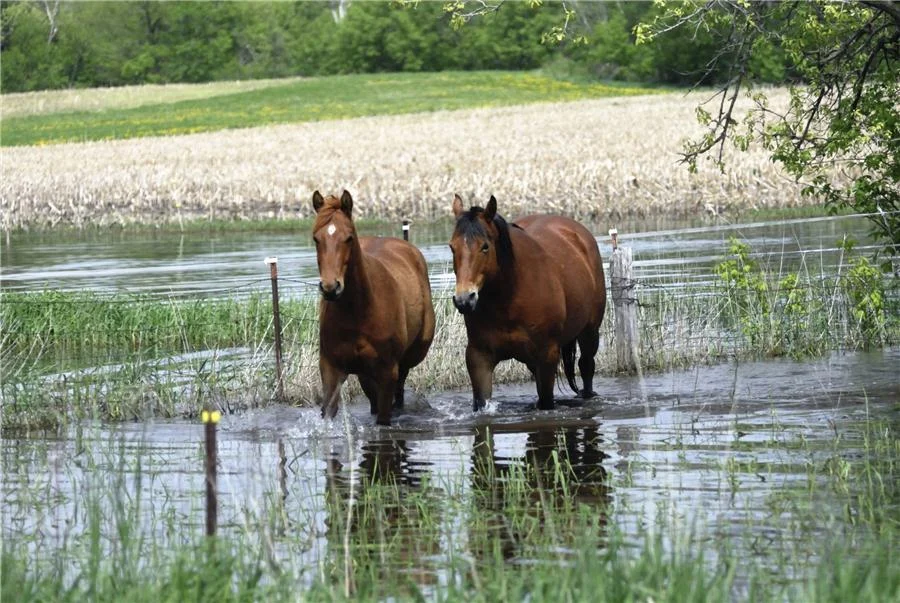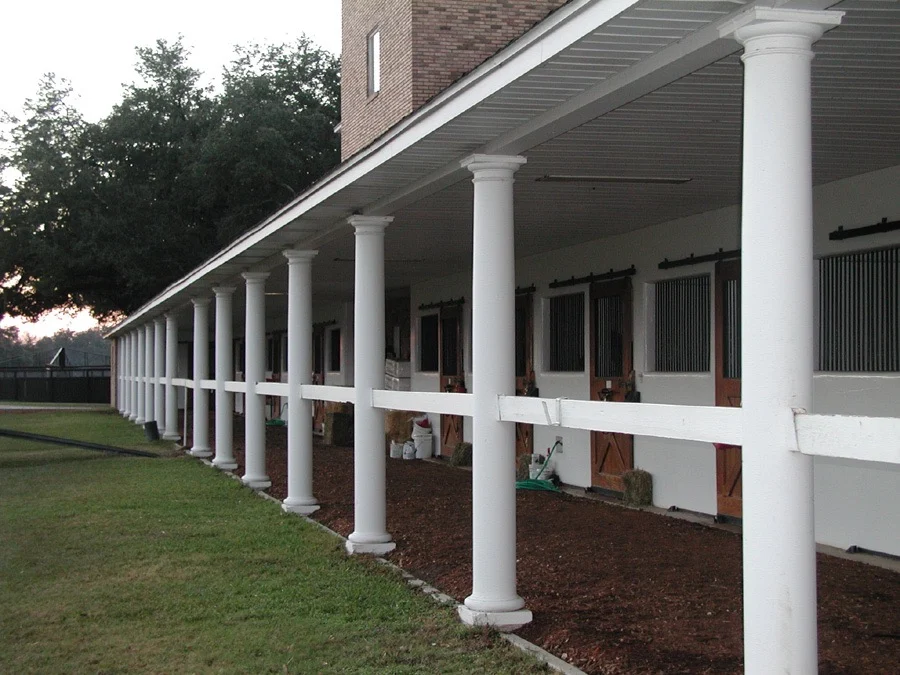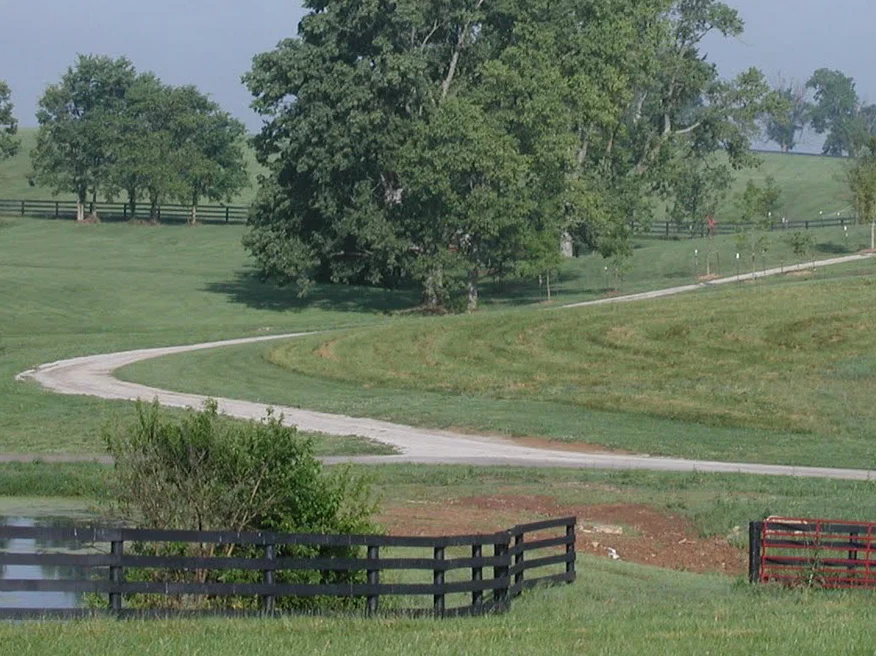
The pervasive issue of mud and erosion around high-traffic areas on horse farms, including gates, waterers, sheds, and hay feeders, poses a significant challenge for equine facility managers. This persistent problem not only detracts from the aesthetic appeal of a property but also presents potential health and safety risks for horses and handlers. While often a source of frustration, this common ailment can be effectively addressed through strategic planning and practical implementation of proven management techniques.
The Ubiquitous Mud Problem: Understanding the Root Cause
Mud formation and subsequent erosion are direct consequences of concentrated foot traffic, particularly in areas where horses congregate or frequently pass. The constant pressure from hooves breaks down soil structure, making it susceptible to displacement by water. This is especially prevalent around frequently used access points like gates, where horses may linger. Similarly, the areas surrounding water sources and feed stations become magnets for muddy conditions due to the inherent activity associated with drinking and feeding. Sheds and shelters, while providing respite, also concentrate traffic as horses seek protection from the elements.
The impact of these muddy zones extends beyond mere inconvenience. For horses, prolonged exposure to wet, muddy conditions can lead to skin conditions like scratches (mud fever), hoof problems such as thrush, and general discomfort. For farm personnel, navigating these areas can be hazardous, increasing the risk of slips and falls. Furthermore, the loss of topsoil through erosion can degrade pasture quality and contribute to water pollution if runoff carries manure and sediment into nearby waterways.
Implementing a Proven Ground Stabilization Method
A highly effective, long-term solution for combating mud and erosion in these critical zones involves a multi-layered approach to ground stabilization. The foundational step requires excavating the affected area to a depth of approximately six inches. This depth allows for the creation of a robust sub-base that can withstand significant pressure and facilitate drainage.
Layer 1: Drainage Foundation
The initial layer involves the strategic placement of three to four inches of coarse aggregate, commonly referred to as #2 rock. These are typically fist-sized stones, chosen for their ability to create interstitial spaces that promote excellent drainage. This layer acts as a porous base, allowing water to percolate away from the surface, thus preventing waterlogging.
While not strictly essential for all applications, the inclusion of a road commercial fabric as an underlayment beneath the #2 rock can offer additional benefits. This geotextile material serves as a barrier, preventing the finer subsoil from migrating upwards and mixing with the gravel. This separation helps maintain the integrity of the drainage layer and extends the lifespan of the stabilization effort.
Layer 2: Compaction and Surface Stability
Crowning the #2 rock base, a four to five-inch layer of Dense Grade Aggregate (DGA) is applied. DGA, often described as "rock dust" or crushed stone fines, is a compacted mixture of various stone sizes, including sand and fine gravel. When properly compacted, DGA forms a dense, stable surface that effectively locks the larger #2 rocks in place. This prevents the rocks from "coming back up" or becoming exposed on the surface. Exposed sharp gravel can be detrimental to horses’ hooves, leading to abrasions, cuts, and discomfort. The DGA layer provides a smoother, more forgiving surface for equine traffic.
Ongoing Maintenance: Sustaining the Solution
The effectiveness of this stabilization method is contingent upon regular maintenance. Annually, and often more frequently depending on climatic conditions and the intensity of use, additional DGA should be applied to the graveled areas. This replenishes any material lost due to wear and tear, maintaining a consistent and supportive surface.
Crucially, the areas surrounding these stabilized zones require attention. Annual re-seeding of the adjacent pasture or ground cover is essential to prevent erosion from creeping back in from the periphery. The establishment of healthy vegetation around the gravel areas creates a buffer, helping to contain any potential runoff and reinforcing the overall stability of the site.
Determining the Appropriate Area for Stabilization
A common question among farm managers pertains to the optimal size of the graveled area. The guiding principle should be to encompass the entire "wear pattern" – the visible area of disturbance and mud formation. This ensures that the stabilization extends far enough to address the full scope of the problem.
For waterers and hay feeders, the graveled area should be sufficiently expansive to allow two to three horses to comfortably move around the fixture without stepping into mud. This accommodates natural horse behavior and prevents the creation of new mud patches.
For gates, the objective is to create a path that allows a handler to lead a horse through without encountering the deep mud often found where horses tend to gather. A generously sized area mitigates the risk of horses becoming bogged down, which can be a stressful and potentially dangerous situation.
Strategic Paddock and Gate Placement: The Long-Term Solution
While ground stabilization offers an immediate and effective fix for existing mud issues, proactive planning represents the ultimate long-term solution. When acquiring or developing a new equine facility, the judicious placement of gates and the strategic layout of pastures in relation to barns are paramount.
Harnessing Topography for Dryness
A fundamental principle in farm planning is to leverage natural topography to minimize wet areas. Barns and gates should ideally be located on higher ground, avoiding valleys or the bottom of slopes where water naturally collects. By placing high-traffic areas on well-drained elevations, the propensity for mud formation is significantly reduced from the outset. This foresight can save considerable effort and expense in future mud mitigation.
Optimizing Gate Locations for Safety and Flow
The placement of gates within fields also warrants careful consideration. Locating gates exclusively in corners can create bottlenecks, concentrating traffic on a single, confined area of ground. This intense pressure exacerbates erosion and mud formation. Furthermore, from a safety perspective, a corner gate offers limited maneuverability for a horse moving at speed, especially in adverse conditions. A horse approaching a gate in a corner has less space to adjust its stride and stop safely, increasing the risk of slips and falls, particularly in muddy conditions.
Understanding Farm Planning Principles for Equine Welfare
The concept of "resting" pastures is integral to sustainable horse farm management and plays a crucial role in preventing over-cultivation and subsequent erosion. A well-structured farm plan often involves dividing acreage into multiple paddocks of adequate size. For instance, a barn housing twenty horses might benefit from four fields, each measuring 20 acres or more. This allows for a rotational grazing system where one field is rested and recovering while three are actively in use. This approach not only promotes pasture health but also distributes traffic more evenly, reducing the intensity of wear on any single area.
The ongoing management of heavily trafficked areas, as discussed in previous discourse, is an essential component of maintaining a functional and safe equine facility. The integration of ground stabilization techniques with thoughtful land use planning forms a comprehensive strategy for addressing the persistent challenges posed by mud and erosion.
The Persistent Reality of Mud on Horse Farms
It is important for horse farm owners and managers to acknowledge that the complete eradication of mud is often an unrealistic goal, especially in regions with significant rainfall or varying soil types. The inherent nature of keeping horses involves a degree of soil disturbance. However, by understanding the contributing factors and implementing strategic, evidence-based solutions, the severity and impact of mud can be significantly mitigated.
The cumulative effect of these management practices—from the initial ground stabilization to the long-term planning of farm layout—contributes to a healthier, safer, and more aesthetically pleasing environment for both horses and the people who care for them. Continued education and the sharing of best practices within the equine community are vital for fostering sustainable and effective farm management strategies.
For further inquiries or to share specific challenges related to equine facility management, reaching out to agricultural extension services or experienced equine facility consultants can provide tailored advice and support. Proactive engagement with these issues ensures the long-term viability and success of any horse farm operation.