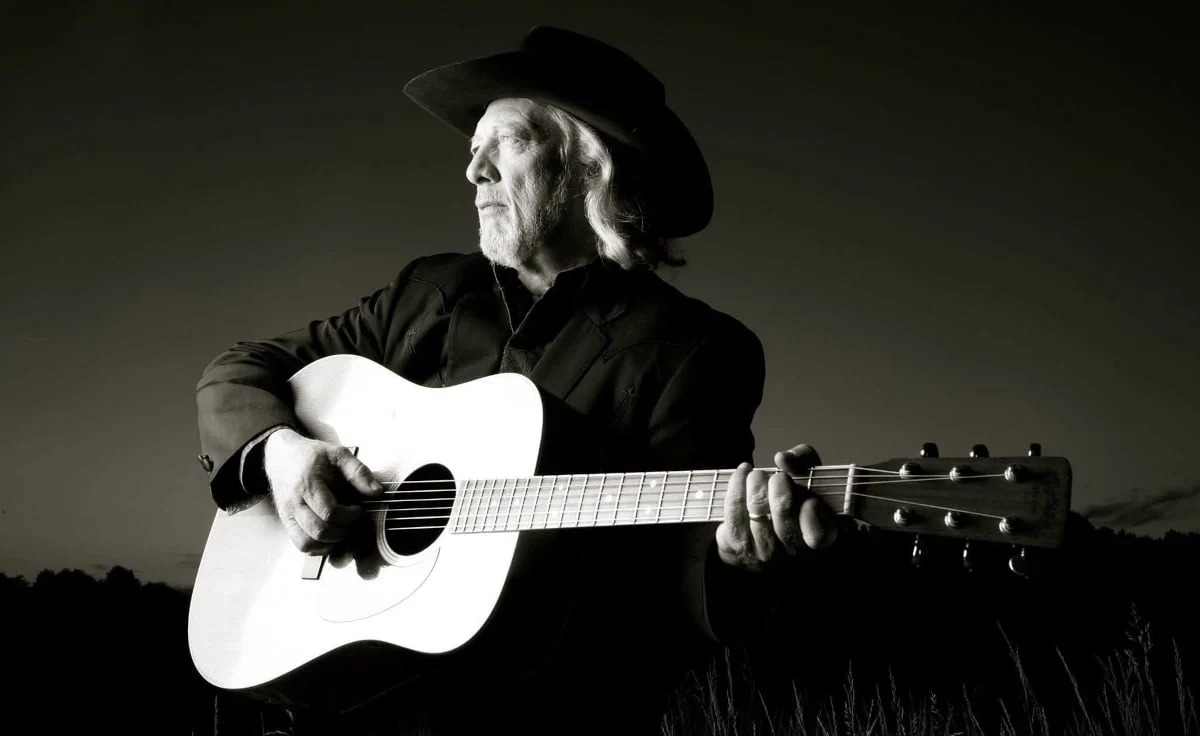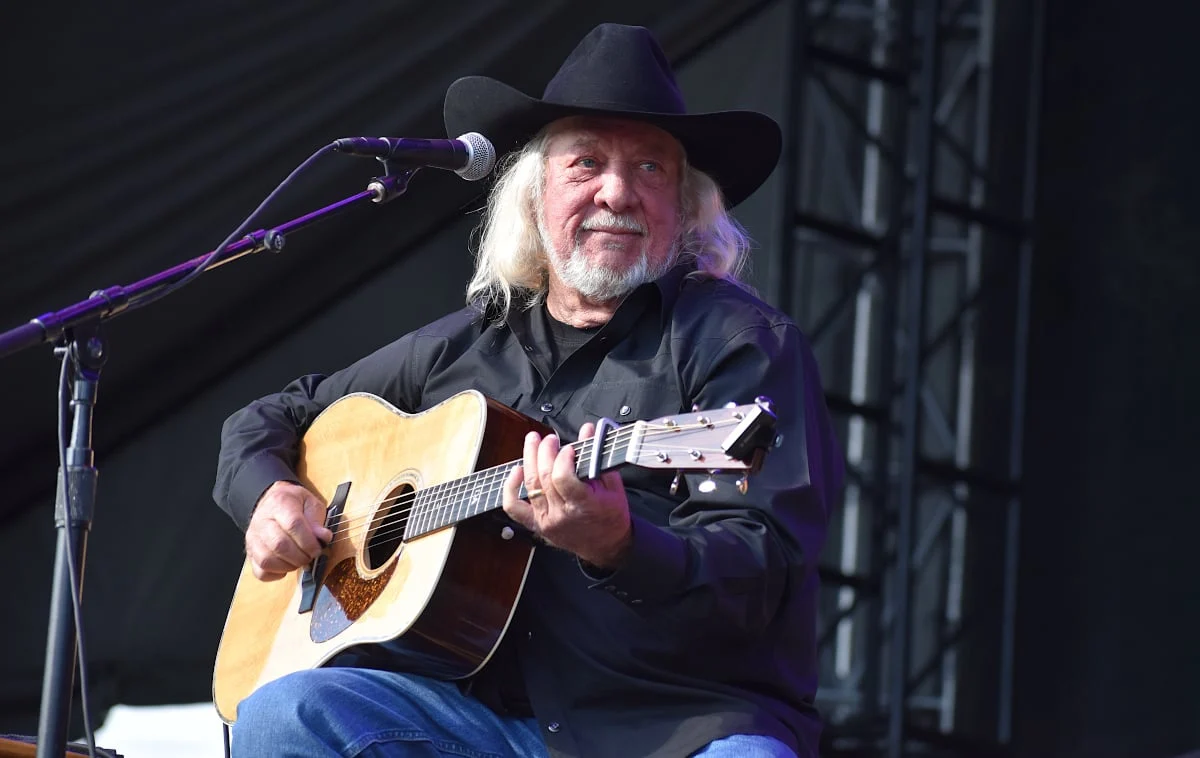
John Anderson, the venerable country music stylist whose unmistakable voice and storied career earned him a place among the genre’s most revered legends, passed away on Wednesday, October 21, 2026, at the age of 71. His family confirmed the news in a poignant statement released late Wednesday evening, citing the loss of a man who was not only a monumental figure in American music but also a devoted husband, father, and grandfather. Anderson’s death comes just two years after his induction into the Country Music Hall of Fame, a crowning achievement that solidified his status as one of the most influential vocalists of the last half-century.
In their official statement, the Anderson family expressed profound grief while celebrating the legacy he leaves behind. "To the world, he was a gifted country music singer whose voice and songs touched countless lives. To us, he was so much more," the family said. "He was the heart of our family, the one who made us laugh, loved us fiercely, and made every ordinary moment feel special. We are completely heartbroken. His music will live on, but for us, his greatest legacy will always be the love he gave his family and the memories we will carry with us forever."
A Voice Unlike Any Other: The Artistic Identity of John Anderson
John Anderson was often described by critics and peers alike as possessing a voice that was "one of one." His vocal style—a rich, idiosyncratic drawl characterized by unique phrasing and a "sliding" delivery—was frequently likened to caramel being manipulated through a volume pedal. It was a voice that defied easy imitation, though it inspired a generation of "New Traditionalists" who sought to bring country music back to its roots during the late 1970s and early 1980s.
Anderson’s ability to infuse honesty and a sense of blue-collar resilience into his music made him a favorite among fellow artists. While he achieved significant commercial success, his true impact was often measured by the reverence shown to him by his peers. Industry historians frequently point to Anderson as a bridge between the outlaw grit of the 1970s and the polished neo-traditionalism of the 1990s.
From Apopka to the Roof of the Grand Ole Opry
Born in Orlando and raised in the interior Florida town of Apopka, Anderson’s early musical interests were rooted in rock and roll. However, a pivotal shift occurred at age 15 when he discovered the music of George Jones and Merle Haggard. This exposure redirected his ambitions toward Nashville, where he moved in 1971 with little more than a guitar and a dream.
Upon arriving in Tennessee, Anderson’s path to stardom was paved with manual labor. While playing Nashville’s club circuit at night, he spent his days working construction jobs. In a moment that has since become a cornerstone of country music lore, Anderson was part of the construction crew hired to put the roof on the new Grand Ole Opry House at Opryland. Colleagues later recalled Anderson looking down at the stage from the rafters, promising himself that he would one day perform on the very boards he was helping to enclose.
Anderson’s persistence paid off in 1977 when he signed with Warner Bros. Records. While his initial singles made modest waves, it was the early 1980s that saw him explode into the national consciousness.
The First Golden Era: "Swingin’" and the 1980s Boom
Between 1982 and 1984, John Anderson became one of the biggest names in country music. His 1982 hit "Wild and Blue" reached the top of the charts, but it was the 1983 release of "Swingin’" that became a cultural phenomenon. The song, which Anderson co-wrote with Lionel Delmore, not only hit number one but also earned the Country Music Association (CMA) award for Single of the Year. Its infectious rhythm and Anderson’s playful vocal delivery made it an evergreen standard that remains a staple of country radio decades later.
During this period, Anderson secured several other number-one hits, including "Black Sheep" and "I’m Just an Old Chunk of Coal (But I’m Gonna Be a Diamond Someday)." Despite his success, Anderson never fit the mold of the "standard" Nashville star. He lacked the curated image of many of his contemporaries, relying instead on the raw power of his voice and the quality of his songwriting. This authenticity, while occasionally making him difficult for labels to market, garnered him a fiercely loyal fan base.
The 1990s Resurgence: "Seminole Wind" and a Second Act
By the late 1980s, Anderson’s commercial momentum had slowed as the industry shifted toward a more pop-oriented "urban cowboy" sound. However, he staged one of the most successful comebacks in the genre’s history in the early 1990s. Signing with BNA Records, Anderson released "Straight Tequila Night" in 1991, which shot to number one and signaled his return to the forefront of the industry.
This era produced what many consider to be his magnum opus: "Seminole Wind." Released in 1992, the song was a haunting tribute to his Florida roots and a poignant commentary on the environmental destruction of the Everglades. It showcased a depth of artistry that transcended standard radio fare, proving that Anderson could be both a hitmaker and a serious poet of the American landscape. He followed this with the chart-topping "Money in the Bank" in 1993, cementing his status as a multi-decade superstar.
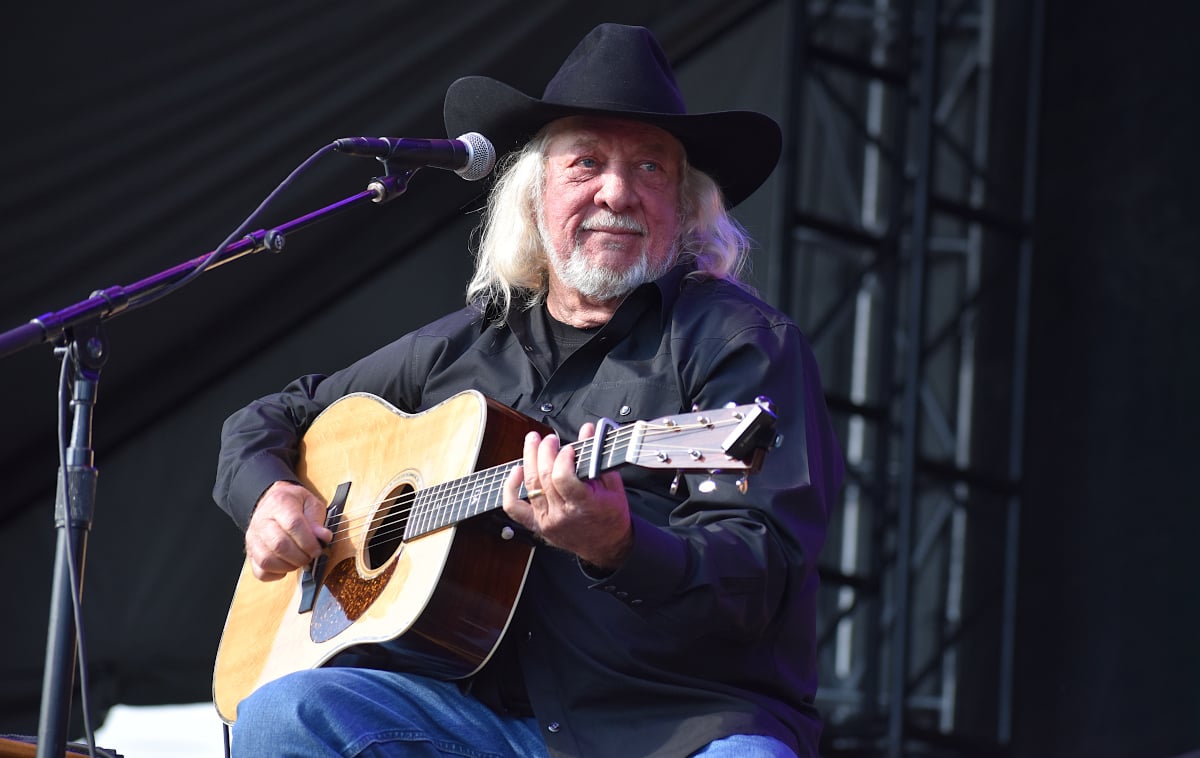
Health Struggles and the Late-Career Renaissance
The later years of Anderson’s life were marked by significant health challenges. In 2017, he suffered a serious health scare involving his internal ears and nervous system, which led to significant weight loss and a period of physical frailty. Many in the industry feared his recording days were over.
However, Anderson’s resilience led to a final, critically acclaimed chapter of his career. In 2020, he collaborated with Dan Auerbach of The Black Keys to record Years. The album was hailed as a masterpiece of late-career reflection, featuring a more weathered but no less evocative version of his signature voice. The title track, "Years," became a modern classic, later covered by rising star Sierra Ferrell, further introducing Anderson’s work to a younger generation of listeners.
In 2022, the industry honored him with Something Borrowed, Something New, a tribute album featuring performances by Eric Church, Tyler Childers, Jamey Johnson, and Luke Combs. The project underscored the immense respect Anderson commanded across the stylistic spectrum of modern country and Americana music.
Legacy and the 2024 Hall of Fame Induction
The pinnacle of Anderson’s professional life arrived in 2024 when he was officially inducted into the Country Music Hall of Fame. The induction recognized not just his six number-one singles and dozens of Top 10 hits, but his role as a guardian of the genre’s soul.
Industry analysts note that Anderson’s legacy is defined by his refusal to compromise his sound. In an era where Nashville often prioritized crossover appeal, Anderson remained steadfastly country. His influence can be heard in the vocal inflections of superstars like George Strait and the grit of modern independent artists.
"John Anderson was the bridge," says music historian Robert K. Oermann. "He took the honky-tonk tradition of the 50s and 60s and made it feel contemporary in the 80s and 90s. He didn’t just sing songs; he inhabited them with a voice that felt like the very earth of the South."
Broader Impact and Industry Reactions
As news of his passing spread, the country music community responded with a wave of tributes. Social media was flooded with messages from artists who cited Anderson as a primary influence.
"There will never be another voice like John’s," tweeted one contemporary hitmaker. "He was the gold standard for what it meant to be a country singer. He was kind, he was humble, and he was a titan."
Anderson’s impact extended beyond the charts. He was a songwriter’s singer, often choosing material that dealt with the complexities of the human condition—regret, hard work, and the passage of time. His 1990s hits, in particular, helped define the "90s Country" sound that is currently experiencing a massive revival among Gen Z and Millennial listeners.
Final Thoughts and Memorial Information
John Anderson’s journey from a construction worker on the roof of the Opry to a Hall of Fame legend is the quintessential American success story. While the physical voice that captivated millions has been silenced, the recordings he left behind—spanning over four decades—ensure that his "caramel" tones will resonate as long as country music is played.
The family has requested privacy during this time of mourning and has indicated that memorial services will be announced at a later date. In lieu of flowers, they have suggested that fans support organizations dedicated to the preservation of traditional American music, a cause Anderson championed throughout his life.
God bless the boy from Apopka. His years may have concluded, but his "Seminole Wind" continues to blow through the heart of Nashville and beyond.