

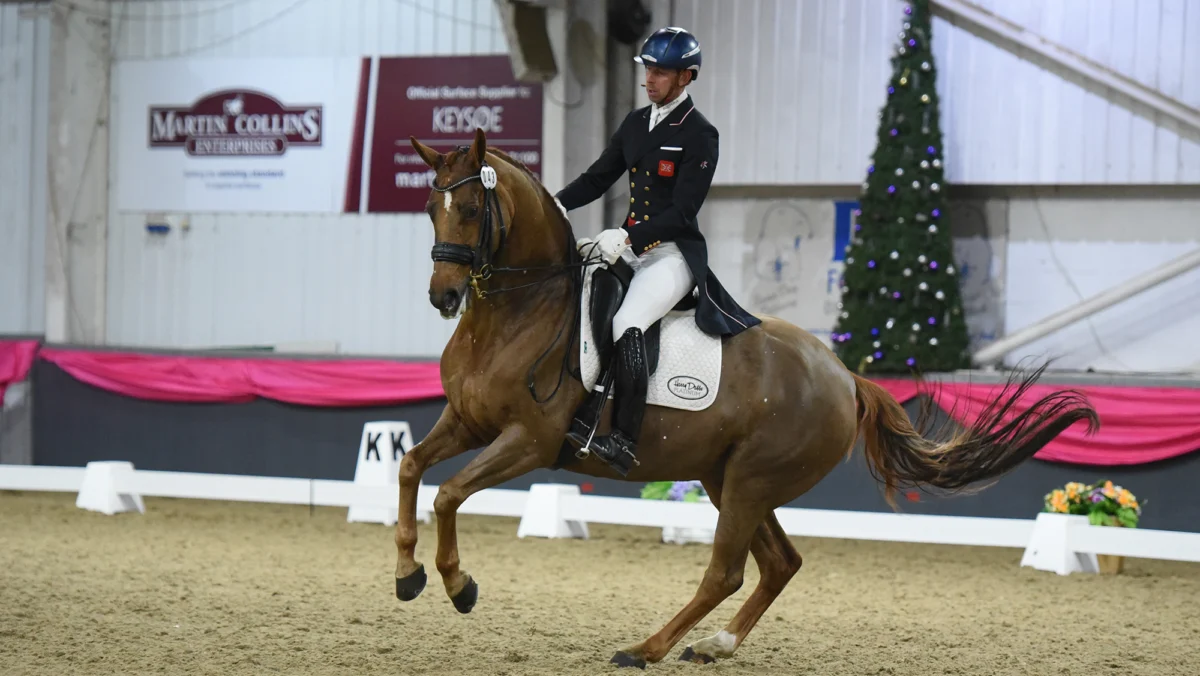
Dan Watson has announced the retirement of his beloved dressage mare, Butterfly IV, affectionately described as a "one in a million" equine partner. The decision marks the end of a significant chapter for Watson, who bred Butterfly IV himself and achieved considerable success at the highest levels of the sport with the 18-year-old mare. Butterfly IV, who spent her entire life with Watson and was owned by the late Barbie Marceau, leaves behind a legacy of "so many special memories along the way."
The announcement, made this month, signifies a poignant moment for Watson, who made the difficult call to retire Butterfly IV in what he deemed to be her best interests. The mare, an 18-year-old chestnut, has been a constant companion and formidable competitor for Watson. Her retirement from active competition comes after a distinguished career that saw them reach the pinnacle of dressage.
A Partnership Forged from Breeding and Dedication
The story of Dan Watson and Butterfly IV is one that began not in a sales ring, but in Watson’s own breeding program. This intrinsic connection, forged from the very inception of the mare’s life, often fosters a unique and profound bond between horse and rider. Watson’s ability to not only breed a horse of Butterfly IV’s caliber but also to train and compete her at the elite level speaks volumes about his skill, dedication, and understanding of equine performance.
Butterfly IV’s lineage and early development would have been meticulously managed by Watson, laying the foundation for her future success. While specific details of her breeding are not provided, the fact that she was bred by her rider suggests a deliberate pursuit of specific qualities—temperament, athleticism, and trainability—that are crucial for high-level dressage. This self-bred partnership is a testament to a holistic approach to equestrian sport, encompassing breeding, training, and competition.
The Journey to the Top of Dressage
Dressage, often described as "ballet with horses," demands an extraordinary level of partnership, precision, and athleticism. It involves a series of prescribed movements performed by the horse in response to the rider’s subtle aids. The highest levels of the sport, such as Grand Prix, require horses of exceptional talent and a deep understanding with their riders.
Watson and Butterfly IV’s journey to the top level signifies years of dedicated training, countless hours of practice, and a shared commitment to excellence. Achieving success at this level necessitates not only the horse’s innate ability but also the rider’s refined technique, strategic planning, and the ability to navigate the demanding competitive circuit. This often involves travel, rigorous training schedules, and the constant pursuit of incremental improvements in performance.
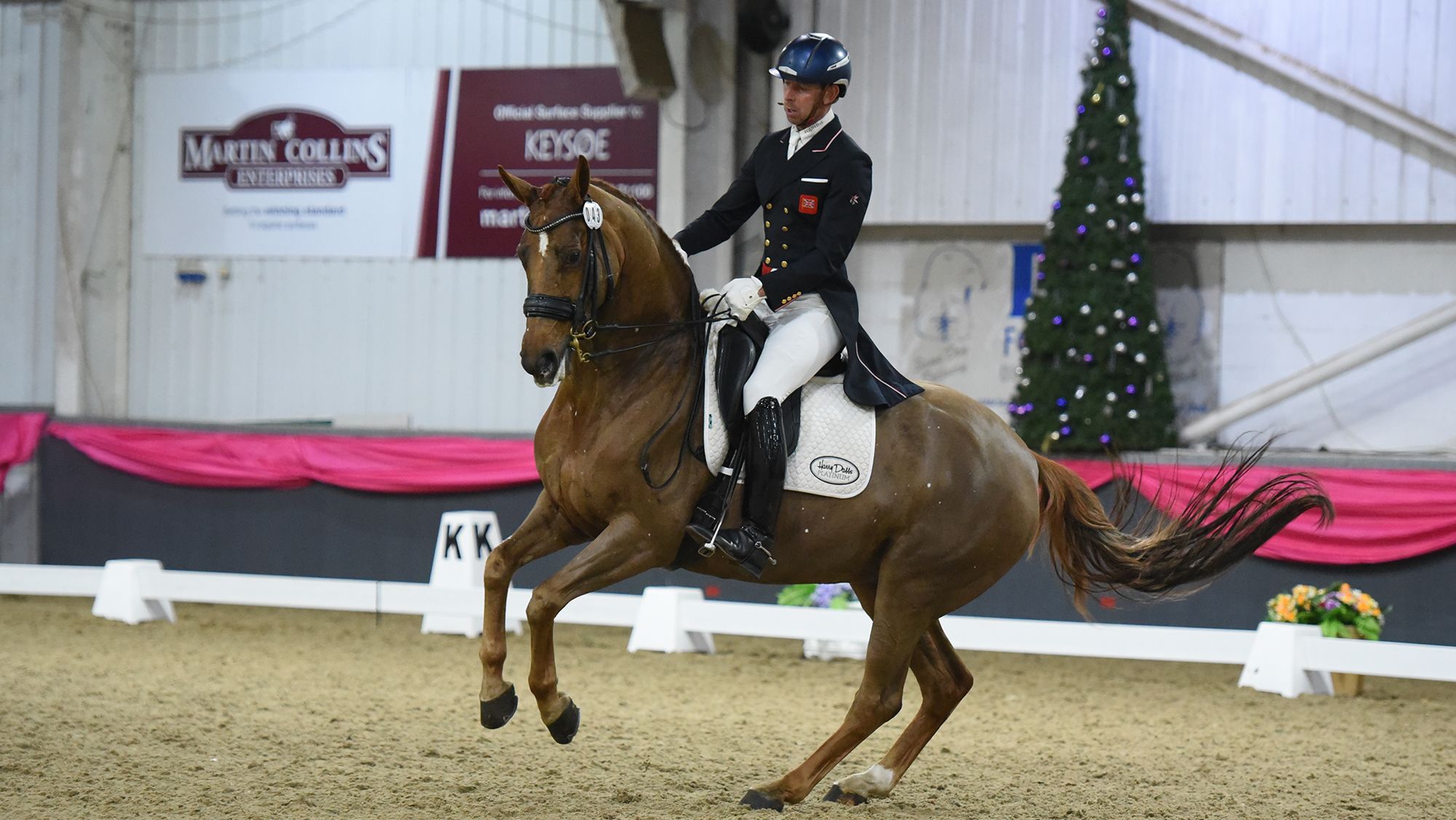
The FEI (Fédération Equestre Internationale) rankings, for example, offer a glimpse into the competitive landscape of international dressage. While specific rankings for Watson and Butterfly IV are not detailed in the provided text, their presence at the "top level" implies they were competing against and likely achieving notable results alongside some of the world’s most accomplished horse-and-rider combinations. The FEI World Equestrian Games and the Olympic Games represent the ultimate aspirations for many dressage riders, and reaching these echelons requires a horse and rider combination operating at peak performance.
A Legacy of Memories and a Fond Farewell
The emotional weight of retiring a horse, especially one bred by the rider and with whom so much time and effort have been invested, cannot be overstated. Watson’s description of Butterfly IV as "one in a million" and his acknowledgment of the "so many special memories" underscore the deep personal connection they shared. These memories likely encompass not only competitive triumphs but also the day-to-day experiences of training, building trust, and overcoming challenges together.
Barbie Marceau, the mare’s owner, was a significant figure in Butterfly IV’s life. Her passing adds another layer of poignancy to this retirement. Watson’s continued care and dedication to Butterfly IV, even after Marceau’s passing, highlight the enduring commitment to the horse’s well-being. The ownership of a high-level dressage horse is a substantial undertaking, involving significant financial investment and emotional dedication. Marceau’s ownership undoubtedly played a crucial role in enabling Butterfly IV’s competitive career.
The Decision to Retire: Prioritizing Equine Welfare
The decision to retire an 18-year-old equine athlete, particularly one that has competed at the highest levels, is often a complex one. While the horse may still possess the physical capacity to compete, factors such as wear and tear, the increasing demands of top-level competition, and the individual horse’s well-being are paramount. Veterinarians and trainers often work collaboratively to assess a horse’s readiness for retirement.
At 18 years old, Butterfly IV is entering the twilight of her competitive career. While many horses continue to perform at advanced levels well into their late teens, it is a period where careful management becomes even more critical. The physical demands of Grand Prix dressage, with its powerful collected movements and demanding transitions, can take a toll on a horse’s body over time. Watson’s decision to prioritize Butterfly IV’s welfare suggests a mature and responsible approach to her long-term health and happiness.
The implications of such a decision extend beyond the competitive arena. Retired dressage horses often transition into different roles, such as breeding, lower-level competition, or simply enjoying a well-deserved retirement in pasture. The focus shifts from performance metrics to quality of life, ensuring the horse remains healthy, comfortable, and engaged.
Looking Ahead: The Future for Butterfly IV
While the competitive chapter of Butterfly IV’s life is closed, her future will likely be filled with continued care and affection. For a horse bred by her rider and with whom such a deep bond exists, retirement is often a transition into a role of cherished companion and perhaps, a broodmare if her genetics are deemed valuable for future generations.
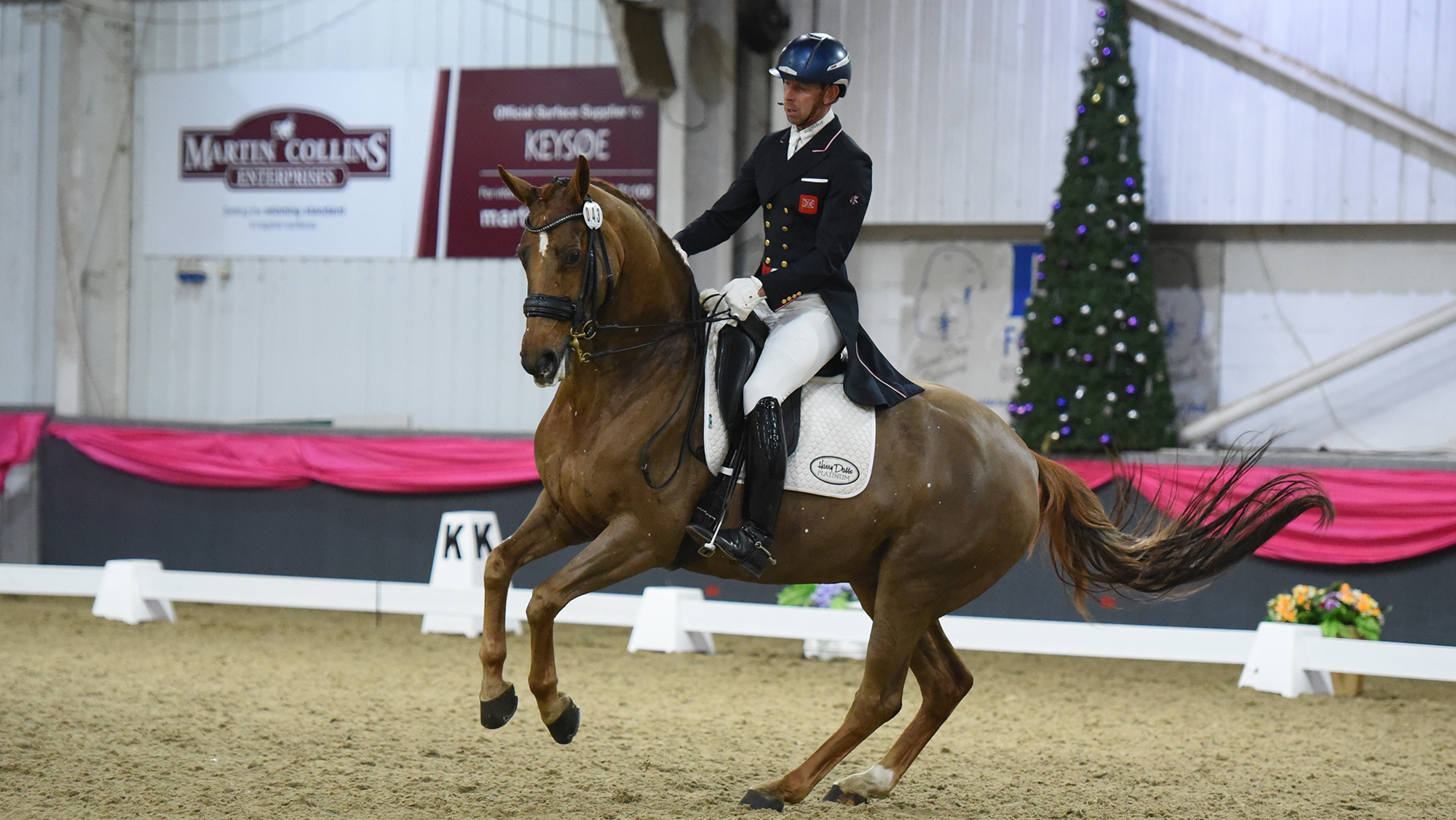
The expertise and dedication that Watson has shown throughout Butterfly IV’s career suggest that her retirement will be managed with the same level of care and attention. Her continued well-being, comfort, and happiness will undoubtedly be at the forefront of his considerations. The legacy of Butterfly IV will not only be measured by her competitive achievements but also by the enduring partnership she shared with Dan Watson and the profound impact she had on his life and career.
The Broader Context of Elite Equine Partnerships
The story of Dan Watson and Butterfly IV resonates within the wider equestrian community, highlighting the dedication, passion, and complex emotional landscape involved in elite equine sport. The relationship between a rider and their horse is often far more than a professional arrangement; it is a partnership built on trust, mutual respect, and shared ambition.
The financial investment required to campaign a horse at the top level of dressage is substantial. It includes not only the purchase or breeding of a talented horse but also ongoing costs for specialized training, stabling, veterinary care, farriery, competition fees, and travel. This underscores the commitment from owners, riders, and support teams who are dedicated to achieving success in the sport.
Furthermore, the role of breeders in producing world-class equine athletes is increasingly recognized. Watson’s dual role as breeder and rider of Butterfly IV exemplifies the potential for success when a rider has a deep understanding of equine genetics and development from the outset. This allows for a tailored approach to training, capitalizing on the horse’s inherent strengths and mitigating potential weaknesses.
The retirement of a horse like Butterfly IV also prompts reflection on the cyclical nature of equestrian sport. While one career ends, the pursuit of new talent and the development of future equine stars continues. For Watson, the experience gained with Butterfly IV will undoubtedly inform his future endeavors, whether in breeding, training, or competing with other horses.
The tribute paid by Dan Watson to Butterfly IV is a testament to the profound impact these animals have on our lives, particularly within the demanding and rewarding world of elite equestrian sport. It is a story of dedication, partnership, and the deep emotional bonds that can be forged between humans and horses. As Butterfly IV embarks on her well-deserved retirement, her legacy as a "one in a million" mare will undoubtedly continue to inspire.







