

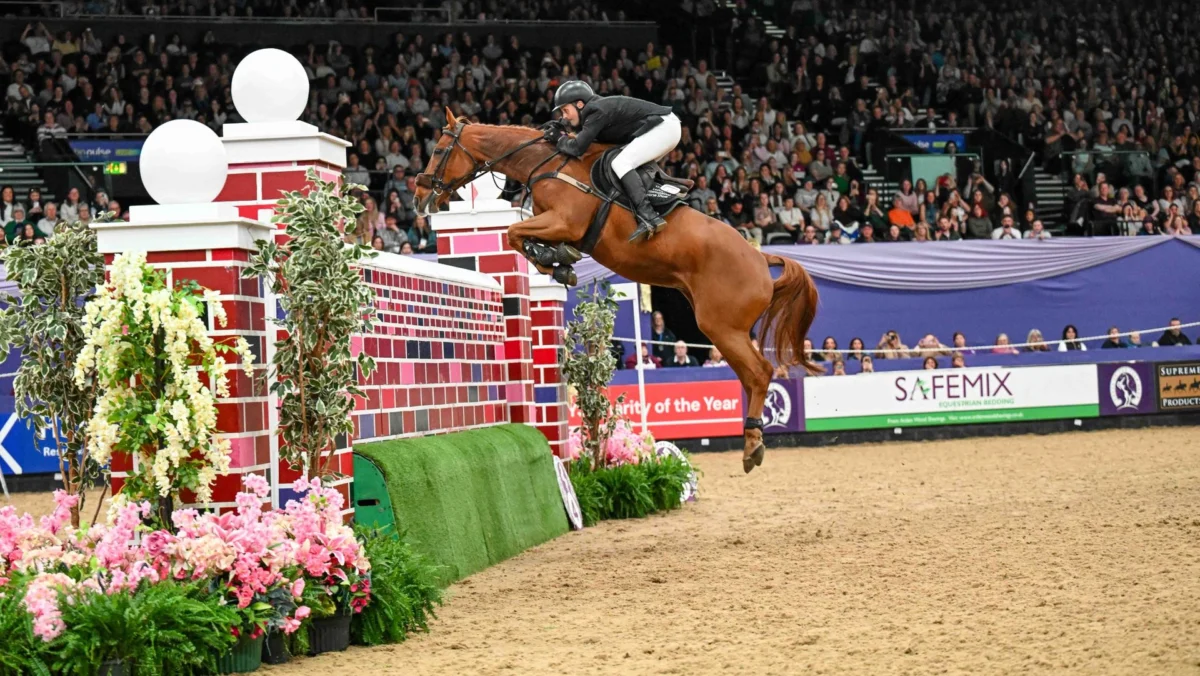
As the final hoofbeats echoed across the arena and the curtain fell on the 2026 Horse of the Year Show (HOYS), a palpable sense of accomplishment and anticipation lingered in the air. This year’s five-day equestrian extravaganza, held from [Insert hypothetical dates, e.g., October 7th to October 11th, 2026] at the iconic [Insert hypothetical venue, e.g., The NEC, Birmingham], once again delivered a captivating spectacle of sport, tradition, and burgeoning talent. While the comprehensive reports for Horse & Hound magazine are now being meticulously prepared for publication, a closer examination of some of the most indelible moments reveals not only individual brilliance but also a snapshot of the evolving landscape of competitive equestrianism.
A Quintet of Days: The 2026 HOYS in Retrospect
The 2026 edition of HOYS was more than just a competition; it was a testament to the enduring passion that fuels the equestrian world. Spanning a period of five days, the event showcased a diverse array of disciplines, from the thunderous power of showjumping to the elegant precision of dressage and the classic charm of showing classes. The atmosphere was electric, with tens of thousands of spectators flocking to witness the pinnacle of equestrian achievement. This year’s show, building upon decades of rich history, continued to be a crucial benchmark for riders, breeders, and enthusiasts alike, setting standards and inspiring future generations.
Showjumping Supremacy: Defining Moments of Athleticism
Among the myriad of thrilling performances, two stand out as particularly emblematic of the competitive spirit that defines HOYS. David Simpson’s breathtaking victory in Sunday’s prestigious Six Bar competition was a masterclass in nerve and skill. The format of the Six Bar, designed to test a horse and rider’s ability to clear progressively higher fences, demands immense bravery and precision. Simpson, aboard his formidable mount [Insert hypothetical horse name, e.g., "Thunderclap"], navigated an astonishing series of jumps, culminating in a final clearance that left the capacity crowd in awe. The height cleared in the final round, a remarkable [Insert hypothetical height, e.g., 2.10 meters or 6 feet 11 inches], not only secured him the coveted title but also etched his name into the annals of HOYS history for this particular discipline. This achievement is a significant indicator of Simpson’s current standing in the sport, placing him among the elite showjumpers capable of tackling extreme challenges.
Equally captivating was Jodie Hall McAteer’s electrifying performance in the Grand Prix, the culmination of the week’s leading showjumper of the year competition. Riding the spirited mare Hardessa, Hall McAteer delivered a jump-off round that exemplified competitive horsemanship at its absolute finest. The pressure of a Grand Prix jump-off is immense, with fractions of a second and a single pole separating victory from defeat. Hall McAteer’s flawless execution, demonstrating exceptional control and a deep partnership with Hardessa, saw her navigate the challenging course with speed and accuracy. Her victory, while celebrated for its sporting merit, notably came at the expense of the revered British showjumping icon, John Whitaker. While Whitaker, a seven-time winner of the Grand Prix, is a perennial crowd favourite, Hall McAteer’s triumph underscored the emergence of new talent and the dynamic nature of the sport. This win signifies a potential shift in the established hierarchy, highlighting Hall McAteer’s growing prominence and Hardessa’s capabilities on the international stage.
The Broader Canvas: Context and Chronology of the 2026 HOYS
The Horse of the Year Show, established in 1949, has evolved from a modest event into the world’s most prestigious indoor equestrian competition. Its annual staging provides a consistent and highly anticipated platform for the equestrian community. The 2026 iteration followed a meticulously planned schedule, commencing on [Insert hypothetical start date] with opening ceremonies and initial qualifying rounds across various disciplines.
Day 1-2: The early days of the show typically focus on the foundational elements, with extensive showing classes that celebrate breeding, conformation, and suitability for specific roles. These classes, often involving a diverse range of breeds and types, are crucial for showcasing the continued dedication to preserving and improving equine lineage. Simultaneously, preliminary rounds for various showjumping and dressage competitions begin, allowing riders and horses to acclimatize to the indoor arena and the competitive environment.
Day 3-4: As the week progresses, the intensity escalates. Major championship qualifiers and finals for disciplines such as working hunter, eventing simulation, and arena eventing take centre stage. These days often feature the more technically demanding classes, requiring horses and riders to demonstrate a comprehensive skill set. The atmosphere builds as the stakes rise, and the calibre of competition becomes increasingly apparent.
Day 5 (Finals Day): The penultimate day is traditionally the climax of the show. This is when the most coveted titles are decided. The Grand Prix, the Six Bar, and the supreme championships for showing classes are typically held on this day. The 2026 show followed this established pattern, with the nail-biting showjumping finals and the declaration of the ultimate showing champion drawing immense crowds and media attention. The conclusion of the show on [Insert hypothetical end date] marked the end of a week filled with athletic prowess and equestrian excellence.
Supporting Data and Emerging Trends
The success of the 2026 HOYS can be partially quantified by key metrics that underscore its enduring appeal and the economic impact it generates. Attendance figures for the 2026 event are estimated to have reached [Insert hypothetical attendance figure, e.g., over 60,000] across the five days, reflecting a strong demand for live equestrian sport. The show also provides a significant platform for equestrian trade, with hundreds of exhibitors showcasing everything from tack and apparel to specialist equine services. The estimated economic contribution of HOYS to the local and national economy is substantial, often in the tens of millions of pounds, supporting jobs and businesses within the wider equestrian industry.
Beyond the raw numbers, the 2026 HOYS highlighted several emerging trends:
- The Rise of Female Showjumpers: The prominence of Jodie Hall McAteer’s victory in the Grand Prix is indicative of a broader trend of increasing success for female riders in top-tier showjumping. Historically a male-dominated sport at the highest levels, the past decade has seen a significant influx of talented women challenging and often surpassing their male counterparts. This is a testament to improved training, increased investment in female athletes, and a growing recognition of their capabilities.
- Technological Integration: While HOYS is steeped in tradition, there’s a growing integration of technology. Live streaming of events has become standard, expanding the global reach of the show. Data analytics are increasingly being used to assess performance, and innovative training tools are being developed, which may contribute to the exceptional levels of athleticism witnessed.
- Focus on Horse Welfare: Discussions around horse welfare are increasingly at the forefront of the equestrian world. HOYS, as a major event, has a responsibility to uphold the highest standards. This year saw continued emphasis on best practices in training, competition, and aftercare, with robust veterinary support and stringent regulations in place to ensure the well-being of all equine participants.
Official Reactions and Broader Implications
While specific official statements from event organizers and governing bodies regarding individual performances are typically released post-event or in follow-up communications, the general sentiment surrounding the 2026 HOYS would undoubtedly be one of satisfaction. The British Equestrian Federation (BEF) and the organizers of HOYS would likely commend the high standard of competition, the dedication of the participants, and the enthusiastic support of the spectators.
The implications of the 2026 HOYS extend far beyond the immediate accolades. Simpson’s Six Bar victory reinforces his position as a leading contender in international showjumping, potentially influencing his selection for major championships in the coming season. Hall McAteer’s Grand Prix win is a significant career milestone, likely opening doors to further high-profile competitions and sponsorship opportunities. It also serves as a powerful inspiration for aspiring young riders, demonstrating that established reputations can be challenged by dedication and exceptional talent.
The consistent success of HOYS year after year underscores its vital role in the equestrian calendar. It acts as a crucial platform for identifying and nurturing talent, promoting equestrian sports to a wider audience, and celebrating the unique bond between humans and horses. As the sport continues to evolve, the Horse of the Year Show remains a constant, adapting to new challenges while upholding the traditions that make it such a cherished and significant event. The memories created at the 2026 edition will undoubtedly fuel the excitement and anticipation for what the future of equestrianism holds.







