 rifanmuazin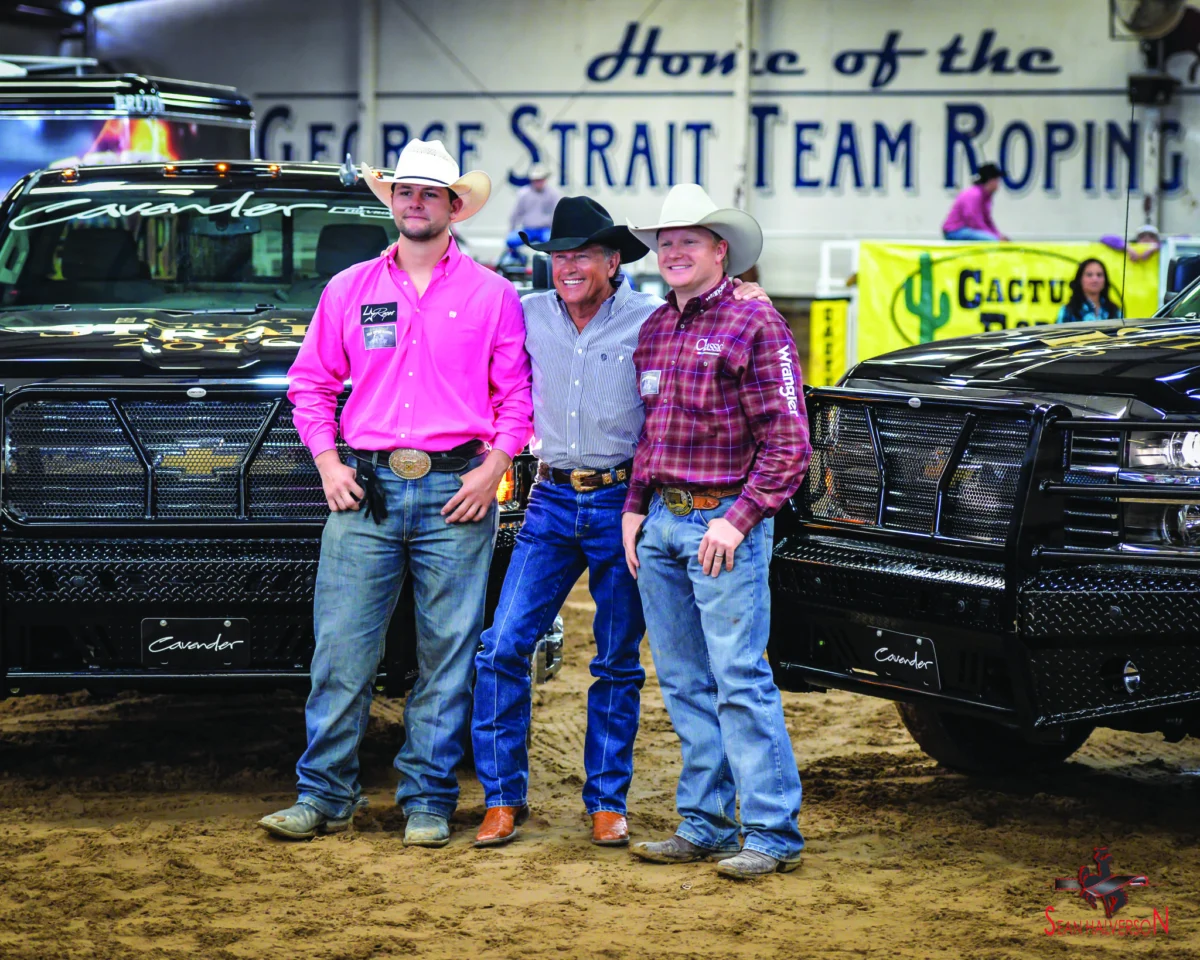
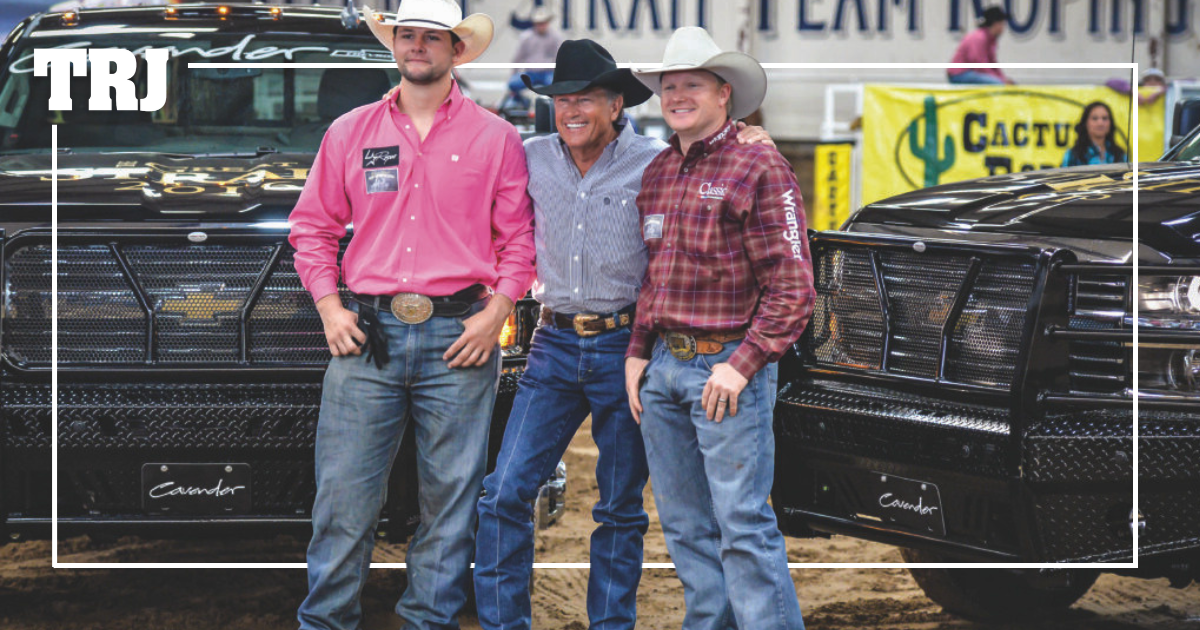
In 2016, the George Strait Team Roping Classic (GSTRC), one of professional rodeo’s most prestigious and lucrative events, witnessed a transformative moment for a then-unknown 20-year-old Floridian named Dustin Egusquiza. Arriving in Texas with borrowed equipment and a modest bankroll, Egusquiza defied expectations, clinching a victory that provided not only an astronomical payout but also the crucial financial bedrock and confidence needed to launch a storied career, forever altering his trajectory from aspiring amateur to an eight-time National Finals Rodeo (NFR) qualifier and multi-million dollar earner. His triumph at the GSTRC wasn’t merely a win; it was the definitive pivot point that unlocked his potential and reshaped his professional life.
The Genesis of a Champion: Egusquiza’s Humble Beginnings
Before his seismic win at the GSTRC, Dustin Egusquiza was far from the household name he is today within the rodeo community. At 20 years old, his life in Florida was a stark contrast to the glitz and glamour of professional rodeo. He juggled two demanding day jobs to make ends meet: working several days a week at a sale barn and riding colts for another trainer. This demanding schedule left him with limited time and resources to dedicate to his passion for team roping. Unlike established professionals who boast extensive stables of high-caliber horses, Egusquiza possessed a modest arsenal—just one head horse and one heel horse. His rodeo aspirations were constrained by his financial realities, allowing him to compete only when it was strategically viable and financially feasible. The dream of becoming a National Finals Rodeo regular seemed a distant and arduous path, paved with countless sacrifices and uncertain rewards.
The financial hurdles inherent in professional rodeo are significant, particularly for those without established sponsorships or family backing. Travel expenses, entry fees, and the costs of maintaining top-tier equine athletes can quickly deplete resources. For Egusquiza, every decision to enter a competition was a calculated risk, a gamble on his talent against the formidable odds of the sport. His journey to the 2016 GSTRC epitomized this struggle; his own truck broke down prior to the trip, forcing him to borrow a vehicle from a friend just to make the long drive from Florida to Texas. This circumstance, common among many young, ambitious ropers, highlighted his determination to seize any opportunity, however challenging the logistics. He arrived in Texas with a buddy, carrying the universal hope of every underdog: to compete, not necessarily to win, but to gain experience and perhaps make a small dent in the competitive landscape.
The Prestigious George Strait Team Roping Classic: A Gateway to Greatness
The George Strait Team Roping Classic holds a unique and revered position within the rodeo world. Conceived by country music legend George Strait, an avid roper himself, the event is celebrated for its substantial payouts and its distinctive format. Unlike many professional rodeos that are sanctioned by the Professional Rodeo Cowboys Association (PRCA), the GSTRC operates as a standalone event, which, paradoxically, enhances its allure. This independence allows for a structure that often rewards aggressive, fast-paced roping, a style that suited Egusquiza’s natural inclination and the competitive environment he was accustomed to from smaller IPRA (International Professional Rodeo Association) rodeos along the East Coast.
The GSTRC is renowned for attracting an elite field of competitors, including world champions and NFR veterans, all vying for one of the sport’s largest non-PRCA purses, often exceeding $500,000 in cash and substantial prizes like trucks and trailers. For many, winning the GSTRC is considered a career highlight, on par with or even surpassing some PRCA championship titles in terms of prestige and financial reward. Its format, which allows multiple entries and emphasizes consistent, fast runs over several rounds, creates an intense, high-stakes environment where precision and speed are paramount. For a young roper like Egusquiza, who had experienced the event once before in 2015 only to leave empty-handed, the GSTRC represented an accessible, albeit challenging, pathway where raw talent and a daring approach could, if everything aligned, lead to a breakthrough. He recognized that its structure rewarded the kind of aggressive roping he excelled at, making it a legitimate platform for an unknown to "get in the mix."
A Risky Venture: The Road to Texas
Egusquiza’s second attempt at the GSTRC in 2016 was not without its initial hurdles. The breakdown of his truck before the journey from Florida underscored the precariousness of his professional aspirations. Borrowing a vehicle, he and a friend embarked on the long drive to Texas, fueled by ambition rather than expectation. This journey mirrored the struggles of countless aspiring ropers who often rely on shared resources and sheer grit to chase their dreams.
His previous experience at the 2015 GSTRC, where he gained valuable insight into the event’s mechanics, proved crucial. Despite leaving without a prize, the format—which rewarded speed and allowed for an aggressive approach—resonated with his style. This understanding informed his strategy for 2016: to "take his chances and see what happened." It was a simple yet bold plan, reflecting his belief that the GSTRC’s fast-paced nature, reminiscent of the smaller rodeo circuits he was familiar with, offered a genuine opportunity for an underdog to contend.
Strategy and Execution: Navigating the GSTRC Arena
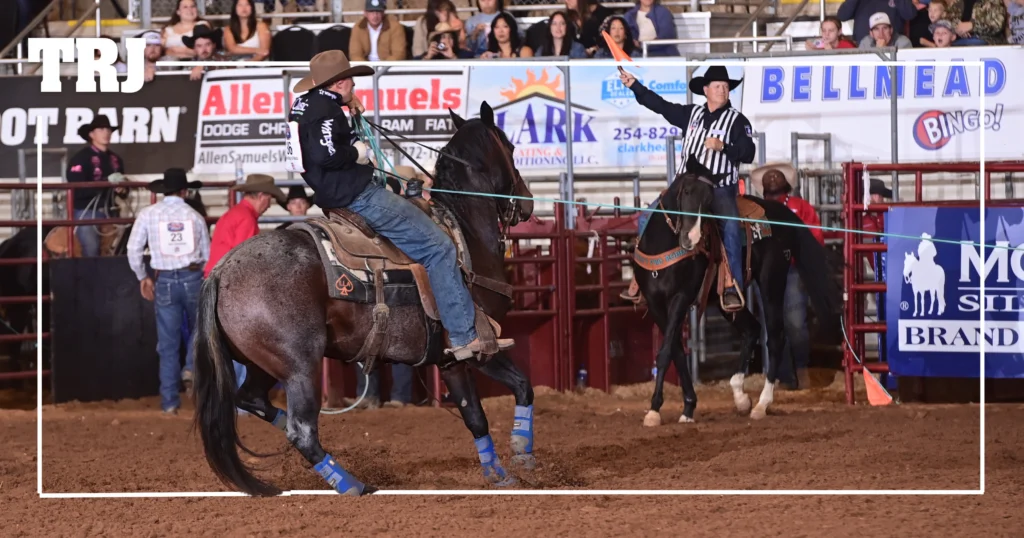
The 2016 GSTRC allowed competitors to enter three times, a structure that further amplified the potential for a breakout performance. Egusquiza strategically partnered with fellow Southeastern regulars: Kyle Lawrence, Caleb Anderson, and Brad Culpepper. What followed was a weekend that he later described as feeling "easy," where "everything was working." He and his partners executed ten consecutive steers without a single mistake, a testament to their skill and composure under pressure.
A pivotal piece of advice came from his partner, Brad Culpepper, who sagely advised, "win the first round, and everything gets easier." This counsel resonated deeply with Egusquiza, who understood the psychological and financial advantages of an early lead. The following morning, focused and determined, he set out to achieve precisely that.
Building Momentum: Round by Round Excellence
With Kyle Lawrence as his partner, Egusquiza capitalized on their shared focus. They stopped the clock at an impressive 4.0 seconds in the first round, securing a significant win. This initial triumph not only earned them $10,000 apiece but, more importantly, positioned them at the forefront of the competition, providing a crucial injection of momentum and confidence.
From that point, the pair continued to build on their success. Their second-round runs were consistently solid, both falling within the highly competitive 5-second range. These strong performances kept them near the top of the leaderboard, firmly establishing them as legitimate contenders for the coveted GSTRC title and setting the stage for a dramatic showdown in the short round. The consistency demonstrated across multiple runs highlighted Egusquiza’s ability to maintain focus and execute under increasing pressure, a hallmark of future champions.
The Short Round Drama: Nerves, Setbacks, and Resolve
The short round of the GSTRC is where legends are made, and it brought its own unique brand of drama for Egusquiza. Just moments before the final 25 teams were set to compete, an unexpected incident occurred: his horse, in an uncharacteristic move, pulled back and broke its reins. The horse briefly bolted, requiring someone to locate it and Egusquiza to hastily re-rig with a spare set of reins from his trailer. This kind of disruption, capable of rattling even the most seasoned veteran, could have easily derailed a 20-year-old facing the biggest moment of his burgeoning career.
Yet, in a peculiar way, the incident may have served as an unexpected advantage. It forced Egusquiza to channel his focus entirely on the immediate task of preparation, diverting his attention from the immense pressure that was rapidly building around him. With his horse re-rigged and his composure regained, he returned to the box, still with two chances at the title.
His first opportunity in the short round was with Caleb Anderson. They executed a blistering 3.8-second run, a time that was fast enough to win the entire event. However, in his aggressive pursuit of victory, Egusquiza broke the barrier, incurring a costly penalty. It was a mistake that he continues to reflect upon, acknowledging it as a "once-in-a-lifetime chance" that slipped away.
Despite the immediate sting of the penalty, there was no time for self-recrimination. He had to pivot instantly, preparing for his final run with Kyle Lawrence, with everything now riding on this single attempt. They were pitted against some of the sport’s most formidable teams, including future world champions Clay Tryan and Jade Corkill, making the stakes astronomically high. Second place was within reach with a safe run, but Egusquiza’s competitive spirit dictated a different approach. "I always go for first," he declared, a testament to his unwavering ambition.
A Defining Victory: Securing the Average Title
With his "go for first" mentality firmly intact, Egusquiza and Lawrence launched into their final short-round run. They delivered a phenomenal 4.2-second performance, a time that ultimately edged out the rest of the field by a decisive two-tenths of a second in the average. This stellar run secured them the biggest win of Egusquiza’s young career. The payout was nothing short of life-changing: over $120,000 per man, in addition to new trucks and trailers. For a young roper living paycheck-to-paycheck, this windfall represented an unprecedented level of financial security and opportunity.
The significance of the GSTRC win extended far beyond the monetary prize. It was a profound validation of his talent and aggressive strategy. It demonstrated his ability to perform under immense pressure and against the sport’s elite, confirming that his style, honed in smaller regional circuits, could indeed translate to the grandest stages. This victory wasn’t just about winning a competition; it was about winning the chance to redefine his future.
Beyond the Arena: The Life-Altering Aftermath
The immediate aftermath of the 2016 GSTRC win was a whirlwind of opportunity and pivotal decisions. Egusquiza succinctly articulated its profound impact, stating, "It gave me the opportunity to do what I’m doing now. I don’t know where I’d be if I didn’t win it." This sentiment perfectly encapsulates how the win removed the most significant barrier faced by many aspiring rodeo athletes: the lack of financial resources to pursue their dreams full-time.
Almost immediately, the win opened doors. Brad Culpepper, his GSTRC partner, extended an invitation for Egusquiza to join him on the rodeo trail in California. At this point, Egusquiza didn’t even possess his PRCA card, but he seized the opportunity. Competing on his PRCA permit out West, he won an additional $10,000, further bolstering his finances and experience. This success solidified his conviction that he could compete at the highest level.
The Path to Professionalism: Stephenville and the PRCA
On the drive back from California, Egusquiza made a decision that would define the next decade of his life. Instead of returning to Florida, he stopped in Stephenville, Texas—a renowned hub for rodeo athletes and a hotbed of talent and training opportunities. He stayed. This relocation was a strategic move, placing him in the heart of the rodeo world, surrounded by resources, mentors, and fierce competition.
With the financial cushion provided by the GSTRC win, Egusquiza bought his PRCA card, officially committing to a professional rodeo career. His ascent was remarkably swift. He secured his first PRCA rodeo win with Clint Summers in Huntsville, Texas. Despite starting his professional season late, he finished 2016 ranked 17th in the world standings. This incredible debut confirmed what the GSTRC win had only hinted at: his ability to consistently compete and excel over a full professional season. By December 2017, just over a year after his GSTRC triumph, Dustin Egusquiza was making his debut at the National Finals Rodeo in Las Vegas, roping alongside veteran Kory Koontz.
A Legacy Forged: Egusquiza’s Enduring Impact
Today, Dustin Egusquiza stands as one of team roping’s most accomplished and recognizable figures. He is a multi-million dollar header, with career earnings exceeding $1.7 million, and an eight-time qualifier for the National Finals Rodeo. His name is no longer an unknown in the draw; it is synonymous with speed, precision, and an aggressive, winning mentality. His career highlights include setting a PRCA world record with JC Flake, stopping the clock at an astonishing 2.9 seconds at Rodeo Austin, a testament to his continued pursuit of excellence and dominance in the sport.
Looking back, the 2016 George Strait Team Roping Classic win was not merely a stroke of luck or a fleeting success. It was, as he himself acknowledges, a definitive "pivot point." Its true significance lay not in definitively proving his ability—his talent was already evident—but in systematically removing the single largest barrier that prevents countless talented young ropers from realizing their full potential: the financial constraint.
Without that monumental win, there is a very real possibility that Dustin Egusquiza would have returned to Florida, continuing his day jobs, and piecing together limited rodeo opportunities as his finances allowed. The GSTRC victory provided the essential financial cushion, the network, and the profound confidence required to remain in Texas, enter competitions consistently, and ultimately, dedicate himself entirely to mastering the art of winning at the sport’s highest echelons. His story serves as a powerful testament to the transformative power of opportunity combined with unwavering talent and relentless determination in the unforgiving world of professional rodeo.