rifanmuazin
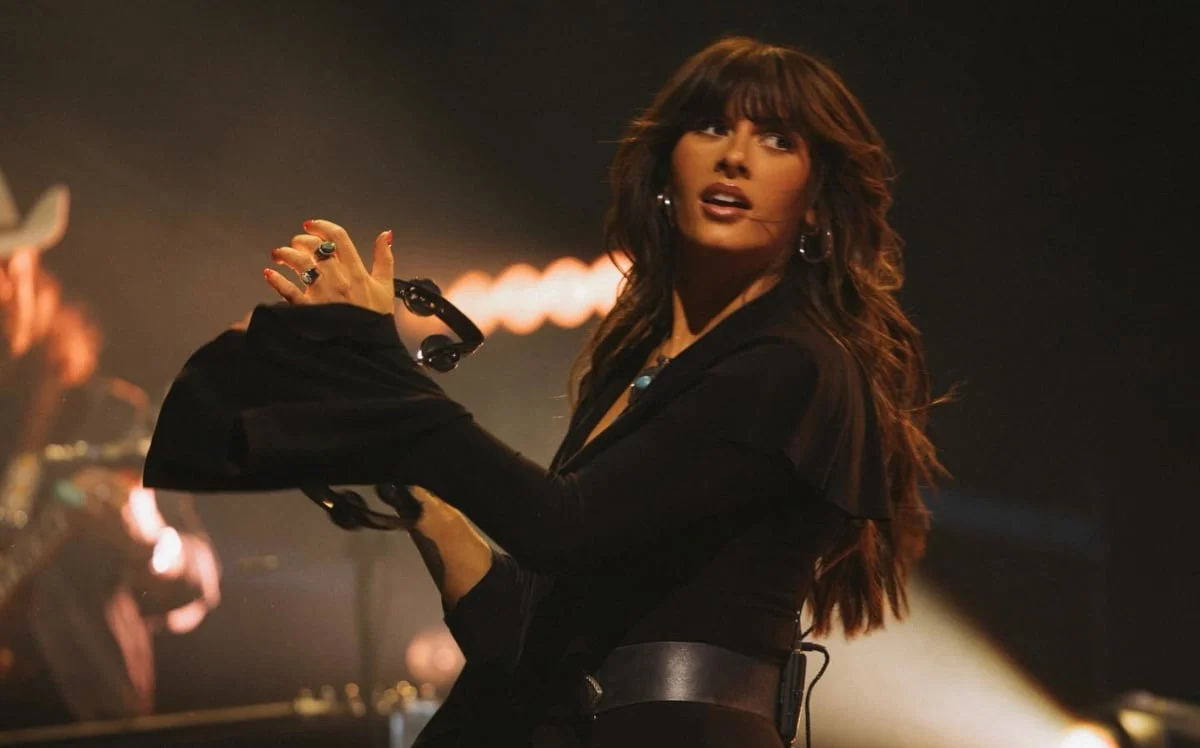
The rising country music star Ella Langley was forced to cancel her highly anticipated performance at the BOK Center in Tulsa, Oklahoma, on Friday, October 9, 2026, following a direct security threat that targeted the safety of attendees. The decision, made in the late afternoon just hours before the doors were set to open, has sparked a public disagreement between the artist’s management and the Tulsa Police Department regarding the severity of the risk and the necessity of the cancellation. While the artist’s camp maintains that the move was an essential "abundance of caution" to protect lives, local law enforcement has publicly clarified that they found no evidence of a credible threat after multiple sweeps of the arena.
The incident began when an anonymous caller contacted authorities, threatening to inflict "great harm" on the concertgoers through the use of firearms and explosive devices. The specificity of the threat—mentioning both "shots fired" and "bombs"—triggered an immediate response from the BOK Center’s security team and the Tulsa Police Department. Despite a second exhaustive search of the facility using specialized K-9 bomb-detection units, no suspicious items or individuals were located. Nevertheless, citing the safety and well-being of fans, staff, and the artist herself, Langley’s team officially called off the event at approximately 5:00 p.m. Central Time.
Detailed Chronology of the Security Incident
The timeline of events leading up to the cancellation reveals a rapid escalation of tension. According to standard operating procedures for high-capacity venues like the BOK Center, the Tulsa Police Department had already conducted a routine "pre-sweep" of the arena earlier in the day. This initial sweep is a standard preventative measure designed to ensure the venue is secure before staff and performers arrive.
Following this initial clearance, a phone call was received by authorities detailing a violent plot against the event. The caller claimed that an attack involving both explosives and active shooters was imminent. In response, the Tulsa Police Department’s K-9 units and bomb squad returned to the BOK Center to conduct a second, more intensive sweep. This secondary search covered the interior of the arena, backstage areas, and the perimeter of the building.
By 4:45 p.m., the police concluded their second search and reported that no credible evidence of a threat had been discovered. However, after a consultation between the venue’s management, the artist’s security team, and the tour promoter, the decision was made to terminate the event. A public notice was disseminated via social media at 5:00 p.m., informing thousands of fans—many of whom were already lining up outside the venue or traveling from out of state—that the show would not proceed.
The Public Disconnect: Artist Management vs. Law Enforcement
In the wake of the cancellation, a rare public friction emerged between the performer and local authorities. Shortly after the announcement, Tulsa Police Captain Richard Mulenberg released a video statement to clarify the department’s position. In the statement, Mulenberg emphasized that the police did not order the cancellation and believed the venue was safe for the public.
"I want to first start off by saying that we did not cancel the event, and neither did the BOK Center," Mulenberg stated. He explained that the police had advised the performing group that they could not find a credible threat and that law enforcement would never advise a cancellation unless a tangible risk was identified. Mulenberg expressed disappointment for the thousands of fans who had purchased tickets for the sold-out show, noting that the entire event was disrupted by a single phone call that investigators believe was a hoax.
This public stance by the Tulsa Police Department has created a complex narrative. While the police focused on the lack of physical evidence, Langley’s management focused on the psychological and liability-driven aspects of modern security. For an artist’s team, the risk of ignoring a specific threat—even one deemed "not credible" by police—can carry catastrophic legal, moral, and professional consequences should an incident actually occur.
Security Protocols and the "Abundance of Caution" Standard
The cancellation of the Tulsa show highlights a growing trend in the live entertainment industry where "abundance of caution" has become the primary operational standard. In a post-9/11 and post-Route 91 Harvest Festival era, the threshold for canceling a mass gathering has lowered significantly. Security experts argue that law enforcement and private security often operate under different mandates; while police look for actionable evidence to make arrests or secure a perimeter, private security and artist management must manage the "duty of care" owed to their patrons.
In many cases, the decision to cancel is not solely up to the artist. Large-scale tours are governed by complex insurance policies and performance contracts. If a specific threat of a bomb or mass shooting is made, insurance providers may refuse to cover the event if it proceeds, or the venue’s private security contractors may decline to staff the event. Furthermore, the potential for a "stampede" or crowd crush caused by a panic—even if no shots are fired—is a significant concern for promoters when a threat has been made public or leaked.

The Artist’s Rise and the Stakes of the Performance
Ella Langley has rapidly ascended the ranks of country music, transitioning from a songwriter to a major headlining act. Her 2026 tour was intended to capitalize on her recent chart-topping success and her reputation for high-energy, authentic live performances. A sold-out show at a venue as large as the BOK Center—which has a capacity of nearly 19,000 for certain configurations—represented a significant milestone in her career.
The cancellation of such a high-profile date results in substantial financial losses, not just in ticket sales, but in merchandise revenue, venue concessions, and the local hospitality economy. For an artist at Langley’s level, the decision to cancel is never made lightly, as it involves navigating the disappointment of a dedicated fanbase and the logistical nightmare of rescheduling a tour stop in a major market.
Economic and Social Impact on the Tulsa Community
The cancellation of a sold-out arena concert has immediate ripple effects on the local economy. Downtown Tulsa businesses, including restaurants, bars, and hotels, often rely on BOK Center events for significant weekend revenue. Many fans reported traveling from neighboring states like Kansas, Arkansas, and Texas, booking hotel rooms and making dinner reservations that were ultimately rendered moot by the 5:00 p.m. announcement.
Beyond the financial impact, the incident has raised concerns about the "swatting" or hoax-threat phenomenon that has increasingly targeted schools, government buildings, and now, entertainment venues. These hoaxes are designed to cause maximum disruption and fear with minimal effort from the perpetrator. The Tulsa Police Department has confirmed that an investigation into the source of the call is ongoing, but the anonymous nature of such threats often makes prosecution difficult.
The Growing Trend of Hoax Threats in Live Entertainment
Industry analysts note that the live music sector is facing a new challenge: the weaponization of security protocols by bad actors. By making a single phone call, an individual can effectively shut down a multi-million dollar production. This has led to calls for more robust federal investigations into "theatrical terrorism," where the goal is not physical harm but the disruption of civil society and the infliction of economic damage.
The friction between the Tulsa Police and Langley’s camp underscores the difficulty in responding to these threats. If law enforcement appears too dismissive, they risk being blamed if a tragedy occurs. Conversely, if they are seen as too eager to shut down events, they empower hoaxers to continue their activities. The Tulsa Police Department’s decision to distance themselves from the cancellation appears to be an attempt to reassure the public that the city remains a safe destination for tourism, despite the artist’s decision to withdraw.
Legal and Insurance Considerations for Large-Scale Events
The legal fallout from a canceled concert can be extensive. Ticket holders are generally entitled to refunds, but the costs associated with travel and lodging are rarely reimbursed. For the artist and the promoter, the focus now shifts to "force majeure" clauses in their contracts—legal provisions that excuse a party from performing their obligations due to extraordinary and unforeseen circumstances.
Whether a "non-credible" threat qualifies as a force majeure event is a matter of intense debate in entertainment law. If the venue was deemed safe by police, the promoter might argue that the artist’s decision to cancel was voluntary, potentially leading to disputes over who covers the costs of the venue rental and the wages of the hundreds of local workers who were scheduled to staff the event.
Looking Forward: Refunds and Investigation
As of Saturday morning, the Tulsa Police Department has not announced any arrests related to the threatening call. They have urged anyone with information to contact the Tulsa Crime Stoppers. In her official statement, Langley promised that "additional information and details regarding ticket refunds will be shared as soon as possible," and thanked her fans for their patience and understanding.
The incident serves as a stark reminder of the fragile nature of public gatherings in the modern age. While the BOK Center remains a cornerstone of Tulsa’s cultural landscape, the shadow of Friday’s threat and the subsequent cancellation will likely prompt a review of communication protocols between artists, venues, and law enforcement to ensure that future threats are handled with a unified front. For now, Ella Langley’s fans are left waiting for a rescheduled date, while the industry at large grapples with how to balance the necessity of safety with the resilience required to keep the music playing.