Developing a safe and efficient equine farm necessitates a critical examination of pasture and paddock gate selection and installation. This comprehensive approach prioritizes safety, durability, and cost-effectiveness, ensuring the well-being of horses and the longevity of farm infrastructure. Experts in equine facility management emphasize that gate specifications are not merely an afterthought but a fundamental component of responsible farm development, directly impacting daily operations, horse welfare, and overall economic viability.
Gate Sizing: Balancing Accessibility and Structural Integrity
A primary consideration in gate selection is its size. While a 12-foot gate might seem adequate for general use, farm management practices and equipment requirements often necessitate a larger opening. Industry recommendations generally point towards a 14-foot gate as an optimal size. This width provides sufficient clearance for a wide array of essential farm equipment, including tractors equipped with mowers, fertilizer spreaders, aerators, and chain drags. The need for such equipment access is crucial for maintaining pasture health and productivity. Neglecting this aspect can lead to significant operational inefficiencies, requiring horses to be moved or gates to be temporarily removed for routine maintenance, increasing labor costs and potential stress for the animals.
Conversely, gates exceeding 16 feet in width present their own set of challenges. Such expansive gates are inherently heavier, placing considerable stress on hinges and support posts. This increased weight can lead to premature sagging, compromising the gate’s functionality and security. The structural integrity of the gate and its supporting posts becomes a critical factor in preventing accidents and ensuring long-term usability. The cost of fabricating and installing larger, heavier gates also escalates, further underscoring the importance of finding a balanced solution. For instance, a study by the American Society of Agricultural and Biological Engineers (ASABE) on farm gate loads indicated that gate weight significantly influences hinge wear and post stability, especially under dynamic conditions like wind or impact.

Strategic Gate Placement: Optimizing Flow and Minimizing Risk
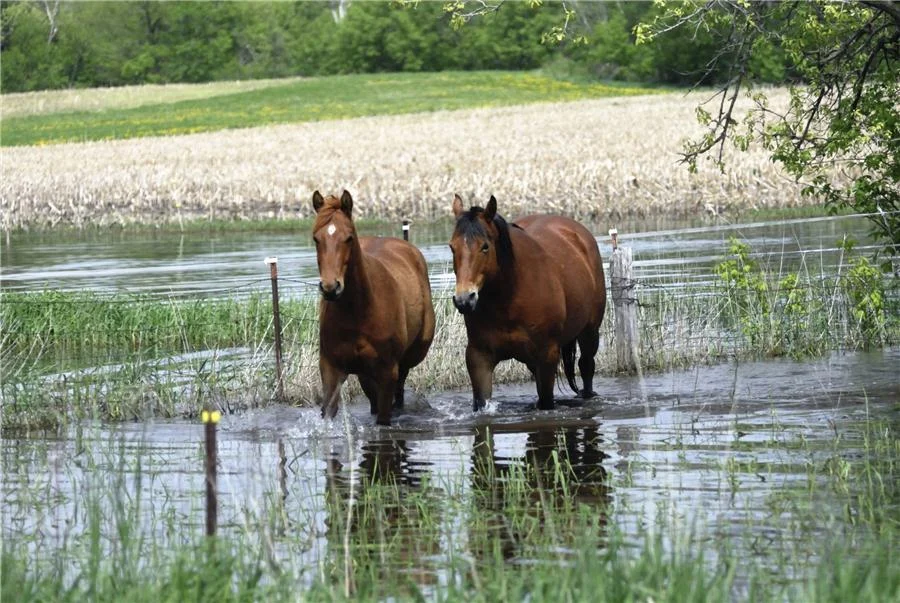
The location of pasture gates is as vital as their physical dimensions. Proximity to the barn is a key factor, as it streamlines the process of bringing horses in from pasture or turning them out. This direct access reduces the time and physical effort required by farm staff, especially during inclement weather or when dealing with large groups of horses. However, this convenience must be balanced with environmental considerations. As highlighted in previous discussions on mud management, gates should never be situated in areas prone to standing water or where drainage is poor. Muddy conditions around gates can lead to hoof issues, increased wear on gate hardware, and difficulties in maneuvering equipment.
Furthermore, placing gates in corners of pastures is strongly discouraged by experienced farm managers. Horses moving at speed along fence lines may not perceive a corner gate until it is too late, leading to collisions or attempts to jump the gate, which can result in injury. Corner placements also tend to reduce the effective handling area within the pasture. When horses are brought in, especially for feeding or other routines, competition for space at a corner gate can escalate. This social dynamic can lead to aggressive behavior, biting, and kicking as horses vie for their perceived "place in line," increasing the risk of injuries to both horses and handlers. A 2018 survey by the Horse Welfare Board indicated that approximately 15% of reported equine injuries on farms were linked to gate-related incidents, with a disproportionate number occurring at poorly located or designed gates.
Material Selection: Prioritizing Durability and Horse Safety
The choice of gate material is a critical decision influenced by factors such as climate, horse temperament, and budget. In regions like Central Kentucky, metal gates are prevalent, ranging from lightweight aluminum to robust steel. While simple wire gates with basic latches might suffice for cattle pastures, they are generally not recommended for horse facilities, particularly those housing high-value animals. The primary concern with wire gates is the potential for horses to get a leg caught in the mesh or between wires, leading to severe injuries.
For horse pastures, square steel-framed gates with mesh interiors are often the preferred option, despite their higher cost and weight. The mesh filling prevents horses from putting legs through the gate, significantly reducing the risk of entanglement and accidents. This design element directly addresses a common safety concern in equine management. If mesh gates are not feasible, rounded tubular stock gates are a viable alternative. A configuration with five or six horizontal bars offers good containment. For enhanced safety, adding mesh to the lower half of these tubular gates is highly advisable, creating a barrier that further minimizes the risk of a horse getting a leg stuck. The economic argument for investing in these safer gate types is often supported by reduced veterinary costs and insurance claims related to pasture accidents. A cost-benefit analysis conducted by the University of Illinois Extension noted that the upfront investment in safer fencing and gate systems can lead to substantial long-term savings by preventing costly injuries and downtime.

Installation Best Practices: Ensuring Structural Soundness and Security
Proper installation is paramount to the longevity and safety of any gate. The gate posts should be substantial and securely set in concrete. This ensures they can withstand the weight of the gate and resist the forces exerted by horses leaning on or pushing against it. Inadequate post installation is a primary cause of gate failure, leading to sagging and compromised security.
Particular attention must be paid to the gaps between the gate and its posts. On the hinge side, this gap should be minimized. Horses often gather at gates, anticipating entry or exit, and may begin to paw at the gate. If the gap is too wide, a horse could potentially get a hoof caught and be unable to retract it, leading to a distressing and potentially severe injury. This situation, often referred to as a "pawing incident," is a preventable hazard with careful installation.
A practical installation trick involves orienting the hinges so the gate rests on the bottom hinge while the top hinge points downwards. While this method might present a slightly greater challenge during installation and places more weight on the bottom hinge, it effectively prevents the gate from being lifted off its hinges by a determined or playful horse. The potential for horses to become injured by getting their heads caught on exposed hinges or latches, or by running into and over gates, is a significant concern for equine facility managers. While not all accidents can be prevented, meticulous installation practices can mitigate a substantial portion of these risks.
Latch Mechanisms: Prioritizing Ease of Use and Security
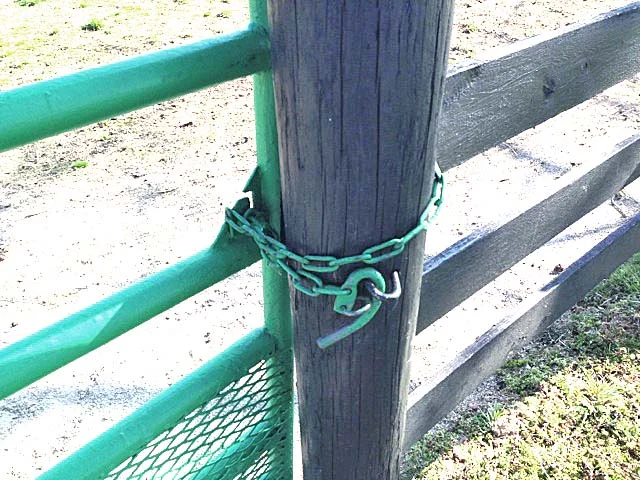
The choice of latch mechanism is the final, yet crucial, piece of the gate puzzle. A simple and secure latch is essential for efficient daily operations and the safety of both horses and handlers. The Kiwi Latch, as depicted in accompanying visuals, is frequently recommended by experts due to its one-handed operation. This feature is invaluable when handling horses, as it allows handlers to secure the gate quickly and efficiently without needing to put down leads or other equipment. Adding a safety chain to the latch provides an extra layer of security, preventing accidental openings. While numerous latch designs are available, the emphasis remains on simplicity, reliability, and the ability to operate with one hand. The goal is to minimize the time and complexity of securing a gate, thereby reducing the opportunity for horses to escape or for handlers to be put in vulnerable positions.

Broader Implications and Future Trends
The careful selection and installation of pasture gates are not isolated decisions but integral components of a holistic approach to equine farm management. They directly influence animal welfare, operational efficiency, and the economic sustainability of the enterprise. As the equine industry continues to evolve, with increasing emphasis on professional management and animal welfare standards, the attention to detail in infrastructure such as gates will only grow in importance.
Emerging trends in farm infrastructure development include the integration of smart technology for gate monitoring and automated opening systems, particularly for large commercial operations. However, the fundamental principles of safety, durability, and ease of use remain constant. Research into new materials and design innovations continues, aiming to further enhance the safety and longevity of farm gates. For instance, advanced polymer composites are being explored for their strength-to-weight ratio and resistance to corrosion, potentially offering lighter and more durable alternatives to traditional metal gates.
The ongoing dialogue among equine facility designers, veterinarians, and experienced farm managers continually refines best practices. This collaborative effort ensures that advancements in knowledge and technology are translated into practical solutions that benefit the health and safety of horses and the efficiency of farm operations. The investment in high-quality, well-designed, and properly installed gates represents a commitment to the long-term success and responsible stewardship of equine facilities.
For those seeking further consultation or information on specific gate solutions, direct engagement with equine facility management experts or agricultural extension services is recommended. The exchange of knowledge and experience is vital in navigating the complexities of farm development and ensuring that every aspect of the facility contributes to a safe and productive environment for horses.