Establishing a thriving equine boarding business hinges on meticulous planning and a deep understanding of the unique needs of both horses and their owners. While the allure of working with horses is powerful, the practicalities of creating a safe, comfortable, and efficient facility are paramount. From the initial architectural choices to the fine details of daily operations, every decision contributes to the overall success and reputation of the boarding enterprise. This comprehensive guide delves into the critical elements that business owners must consider when developing or enhancing their equine boarding premises, ensuring a foundation built for longevity and excellence.
Foundational Elements: Building the Right Structure
The very architecture of an equine boarding facility sets the stage for its functionality and the well-being of its inhabitants. The selection of building types is not merely an aesthetic choice but a strategic decision with long-term implications.
Architectural Choices: Barns, Stables, and Modern Prefabs
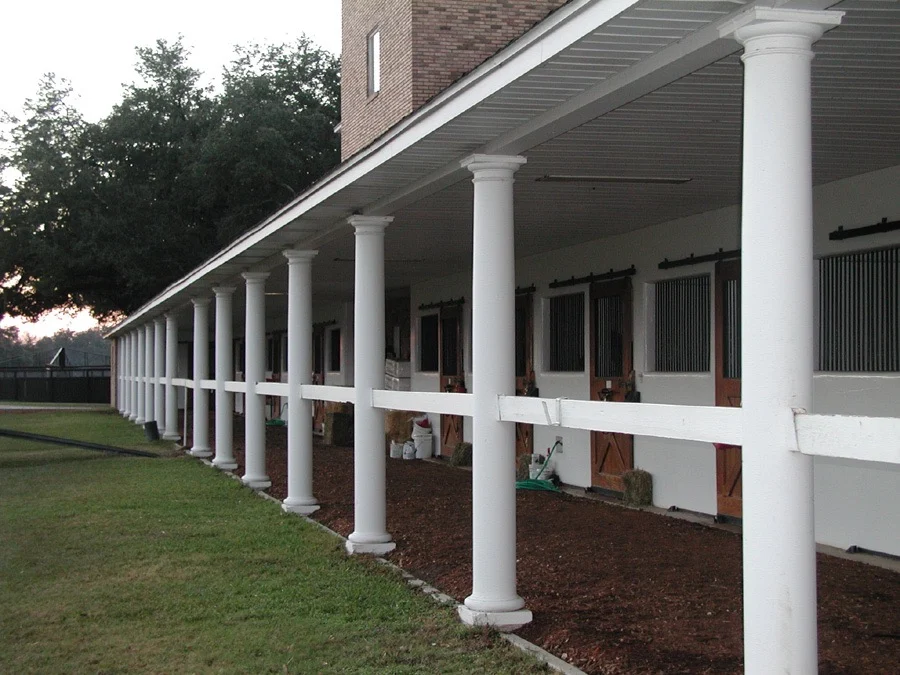
Traditional barns, often constructed from robust timber or resilient metal, offer a time-tested solution. These structures are known for their durability and capacity to house multiple horses, providing a sense of permanence and solidity. Their design can often be adapted to incorporate a range of amenities, from individual stalls to communal working areas.
Timber stables, while sharing the aesthetic appeal of traditional barns, often emphasize a more natural and potentially serene environment. Their construction can blend harmoniously with rural landscapes, potentially contributing to the psychological well-being of horses accustomed to pastoral settings. The natural materials can also offer certain insulation properties, though this is highly dependent on the specific timber used and construction techniques.
In contrast, modern prefabricated structures present a compelling option for their speed of erection and adaptability. These modular units can be customized to meet specific operational requirements, offering flexibility in layout and functionality. Their efficiency in construction can be a significant advantage for businesses looking to scale up or establish operations relatively quickly. The initial investment for prefabricated options can vary, but their modular nature often allows for phased expansion as the business grows.
The ultimate choice between these building types will invariably be influenced by a confluence of factors. Budgetary constraints will play a significant role, with prefabricated options sometimes offering a more predictable cost structure. Climate considerations are also crucial; a facility in a region with harsh winters will require different insulation and heating strategies than one in a temperate zone. Furthermore, the specific needs of the horses to be boarded – whether they are elite performance animals requiring specialized care or companion animals seeking a peaceful retirement – will dictate the optimal design and amenities. For instance, breeds with particular sensitivities to temperature or humidity may necessitate specialized climate control systems, which can be more readily integrated into certain modern designs.
Spatial Planning: The Cornerstone of Horse Welfare and Operational Efficiency
Adequate space is not a luxury but a fundamental requirement for the health, safety, and happiness of boarded horses. Underestimating spatial needs can lead to a cascade of problems, impacting both the animals and the business’s reputation.
Stall Dimensions and Beyond: Ensuring Ample Room
The primary determinant of required space is, predictably, the number of horses the facility intends to accommodate. Industry best practices generally recommend a minimum stall size of 12 feet by 12 feet. This dimension provides sufficient room for a horse to turn around comfortably, lie down without obstruction, and avoid feeling confined, which can be a significant source of stress. For larger breeds or horses with specific needs, larger stalls may be advisable, potentially reaching 14 feet by 14 feet or even larger.
However, the calculation extends far beyond individual stalls. A well-designed facility must incorporate ample common areas. This includes dedicated grooming spaces where horses can be safely tended to, wash stalls equipped with appropriate drainage and hot/cold water access, and secure tack rooms for the organized storage of essential equipment. The size and layout of these areas directly impact the efficiency of daily routines.
Outdoor space is equally vital. Horses are naturally inclined to move and require regular opportunities for exercise and natural grazing. Paddocks and pastures must be of a sufficient size to allow for safe and unrestricted movement, reducing the risk of injuries that can arise from overcrowding or confined spaces. The quality of the turnout space, including fencing integrity and available forage, also contributes to the overall well-being of the horses. A study published in the Journal of Equine Veterinary Science highlighted that horses with consistent access to adequate turnout exhibit lower stress hormone levels and improved social interactions. Overcrowding, conversely, has been scientifically linked to increased aggression, higher incidence of respiratory ailments due to concentrated ammonia levels, and a greater susceptibility to injuries.
Environmental Control: The Importance of Air and Comfort
The internal environment of a horse barn profoundly impacts their health, particularly their respiratory systems. Prioritizing ventilation and appropriate flooring are critical for creating a healthy and comfortable living space.
Ventilation Strategies: Promoting Respiratory Health
Proper ventilation is not merely about air circulation; it is a critical factor in preventing a range of respiratory diseases in horses, such as recurrent airway obstruction (RAO), often referred to as heaves. Barns can accumulate significant levels of moisture from horse respiration and manure, as well as ammonia released from urine. Dust from bedding and feed also contributes to airborne contaminants. Inadequate ventilation traps these irritants, creating an unhealthy atmosphere.
Effective ventilation strategies involve a multi-pronged approach. Strategically placed windows and vents allow for natural airflow, while exhaust fans can be employed to actively remove stale air and introduce fresh air. Ridge vents, installed along the peak of the roof, are particularly effective at allowing warm, moist air to escape. During colder months, the challenge lies in maintaining adequate ventilation without creating drafts that can chill the horses. This often involves a balance of opening and closing vents, potentially utilizing fan systems that can be adjusted for speed and direction. Studies from agricultural engineering departments have demonstrated that well-ventilated barns can reduce the incidence of respiratory infections by as much as 50% compared to poorly ventilated facilities. Achieving this balance promotes a healthier environment, significantly reducing the likelihood of respiratory problems and enhancing overall horse comfort and performance.
The Right Flooring: Comfort, Safety, and Hygiene
The material underfoot in a horse’s stall or living area has a direct impact on their physical well-being. Rubber strip mats have emerged as a popular and highly effective choice for several compelling reasons. Their inherent durability ensures longevity, and their ease of cleaning simplifies daily maintenance routines. Crucially, their shock-absorbing properties provide a cushioned surface that significantly reduces the strain on a horse’s joints and hooves, particularly during extended periods of standing or lying down. This can be especially beneficial for older horses or those with pre-existing orthopedic conditions.

Beyond comfort, rubber mats offer excellent traction, minimizing the risk of slips and falls, which can lead to serious injuries. Beneath the rubber mats, a well-draining base is essential. This typically consists of compacted gravel or crushed stone, which facilitates the removal of moisture from urine and washdowns, thereby maintaining a dry and hygienic environment. This combination of a stable, draining base topped with supportive rubber matting creates a floor that is not only comfortable and safe but also contributes to a healthier living space by reducing moisture buildup and the associated proliferation of bacteria and odors. Research in equine biomechanics consistently points to the benefits of cushioned flooring in reducing impact forces on equine skeletal and muscular systems.
Safety and Security: Protecting Your Valuable Assets
The safety and security of both the horses and the facility itself are non-negotiable aspects of equine boarding. Proactive measures in stall design, fire prevention, and secure storage are essential.
Secure Stalls: Preventing Injury and Escape
The design of secure stalls is fundamental to preventing injuries and escapes. Each stall must be constructed with sturdy walls and doors capable of withstanding the inherent strength of a horse. Solid or grilled partitions between stalls can be instrumental in preventing aggressive interactions, such as biting and kicking, thereby reducing the risk of injuries sustained between horses.
Stall doors are a critical component. They must be secure enough to contain the horse but also easy for handlers to operate efficiently. Sliding doors are often favored over swinging doors, as they save space and eliminate the hazard of a swinging door striking a handler or horse. Furthermore, all hardware should be robust, smooth, and free from sharp edges or protruding elements that could cause cuts or scrapes. Regular and thorough maintenance of stalls, including checks for wear and tear on latches, hinges, and structural integrity, is vital to ensure they remain safe and secure over time. A comprehensive stall inspection checklist, performed at least monthly, can help identify potential issues before they become critical.
Fire Safety: A Paramount Concern
Given the highly flammable nature of common equine boarding materials such as hay, straw, and wood shavings, fire safety is a paramount concern. A robust fire safety plan is essential to protect both the horses and the substantial investment in the facility.
Key measures include the installation of smoke detectors and fire alarms throughout the barn, linked to a monitoring system if possible. Sprinkler systems designed for agricultural use can provide an invaluable layer of protection. Ensuring that exits are clearly marked and easily accessible is crucial for facilitating rapid evacuation in the event of an emergency. Fire extinguishers, appropriately rated for potential barn fires, should be strategically placed in accessible locations and regularly inspected to ensure they are in working order and fully charged.
Implementing and strictly enforcing no-smoking policies in and around the barn is a critical preventative measure. Beyond structural safety, staff training in emergency response plans is vital. Regular fire drills can prepare staff to act swiftly and efficiently, potentially saving lives and minimizing damage in a crisis. Industry reports indicate that a significant percentage of barn fires are preventable through diligent safety practices.
Strategic Storage: Organization for Efficiency and Biosecurity
Adequate and well-organized storage is the backbone of an efficient equine boarding operation. Tack rooms should be designed with ample space and equipped with appropriate racks and hooks for the neat and safe storage of saddles, bridles, blankets, and other equipment. This not only keeps the facility tidy but also protects valuable tack from damage and deterioration.
Feed storage areas demand specific attention. They must be dry, cool, and rodent-proof to prevent contamination and spoilage of grains and supplements. Rodent infestations can lead to significant financial losses and pose health risks to horses through contaminated feed. Hay storage should ideally be in a separate, well-ventilated area, away from the main barn structure, to minimize dust and, critically, to reduce fire hazards. Hay, when improperly stored, can generate heat through spontaneous combustion.
Proper organization of storage areas also enhances biosecurity. By ensuring feed and equipment are kept clean, dry, and separated, the risk of disease transmission between horses can be significantly reduced. This organized approach contributes to a smooth and efficient workflow, allowing staff to access necessary supplies quickly and effectively.
Broader Implications and Future Outlook
The meticulous planning and execution of an equine boarding facility’s premises have far-reaching implications. Beyond the immediate comfort and safety of the horses, a well-designed and maintained facility directly impacts the business’s reputation, its ability to attract and retain clients, and its overall profitability.
A facility that prioritizes excellent ventilation, secure stalls, and comfortable flooring will naturally attract discerning horse owners who are invested in their animals’ well-being. Positive word-of-mouth and online reviews, driven by satisfied clients who observe the high standard of care afforded by the premises, become powerful marketing tools. Conversely, a facility with inadequate facilities can quickly develop a negative reputation, leading to client attrition and difficulty in attracting new business.
The financial implications are also significant. Investing in quality construction, durable materials, and effective safety measures may represent a higher upfront cost, but it often leads to lower long-term maintenance expenses, reduced risk of costly accidents or injuries, and increased client retention. The potential for reduced veterinary bills due to a healthier environment is another tangible benefit.
Looking ahead, the equine boarding industry is likely to see continued emphasis on sustainability and advanced technology. This could include solar power integration for energy efficiency, advanced climate control systems that optimize energy usage, and sophisticated waste management solutions. Furthermore, the demand for specialized boarding services, catering to specific disciplines or age groups, will likely drive further innovation in facility design and amenities.
In conclusion, the creation of an exceptional equine boarding facility is a multifaceted endeavor that demands a holistic approach. By carefully considering every aspect, from the fundamental architectural choices to the granular details of daily operations and safety protocols, business owners can lay the groundwork for a successful, reputable, and enduring enterprise that truly serves the best interests of the horses under its care and the owners who entrust them.