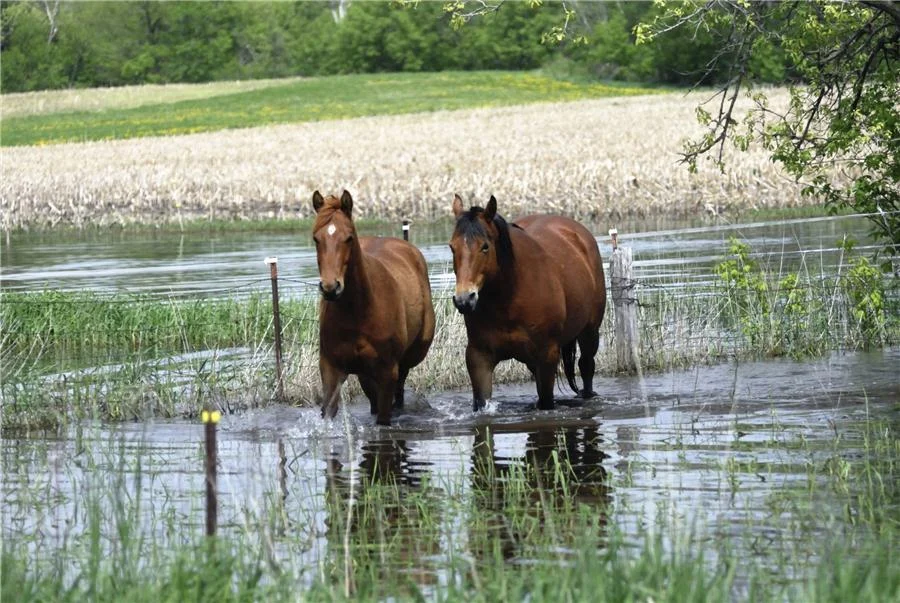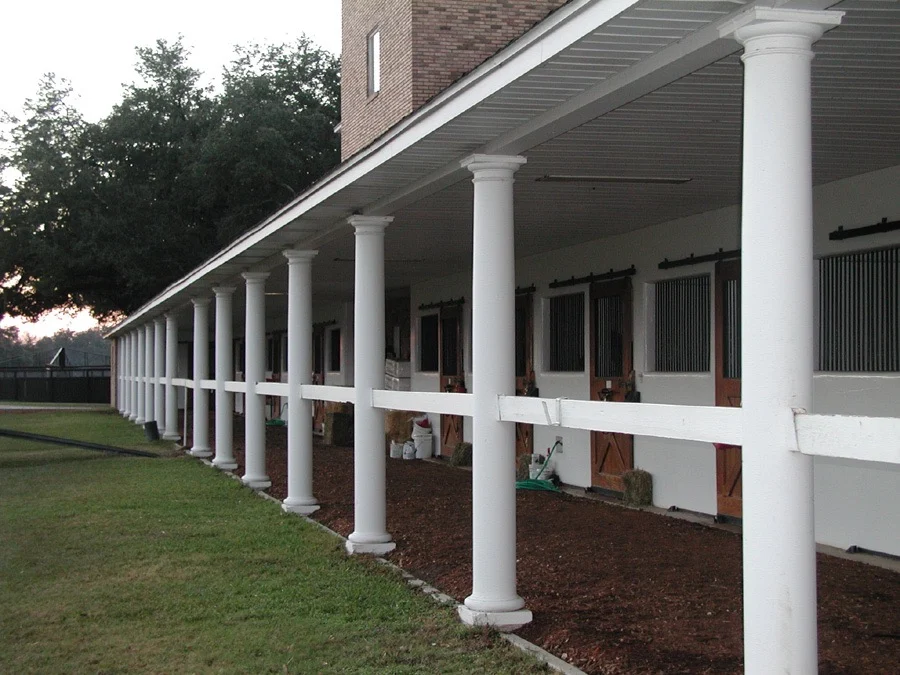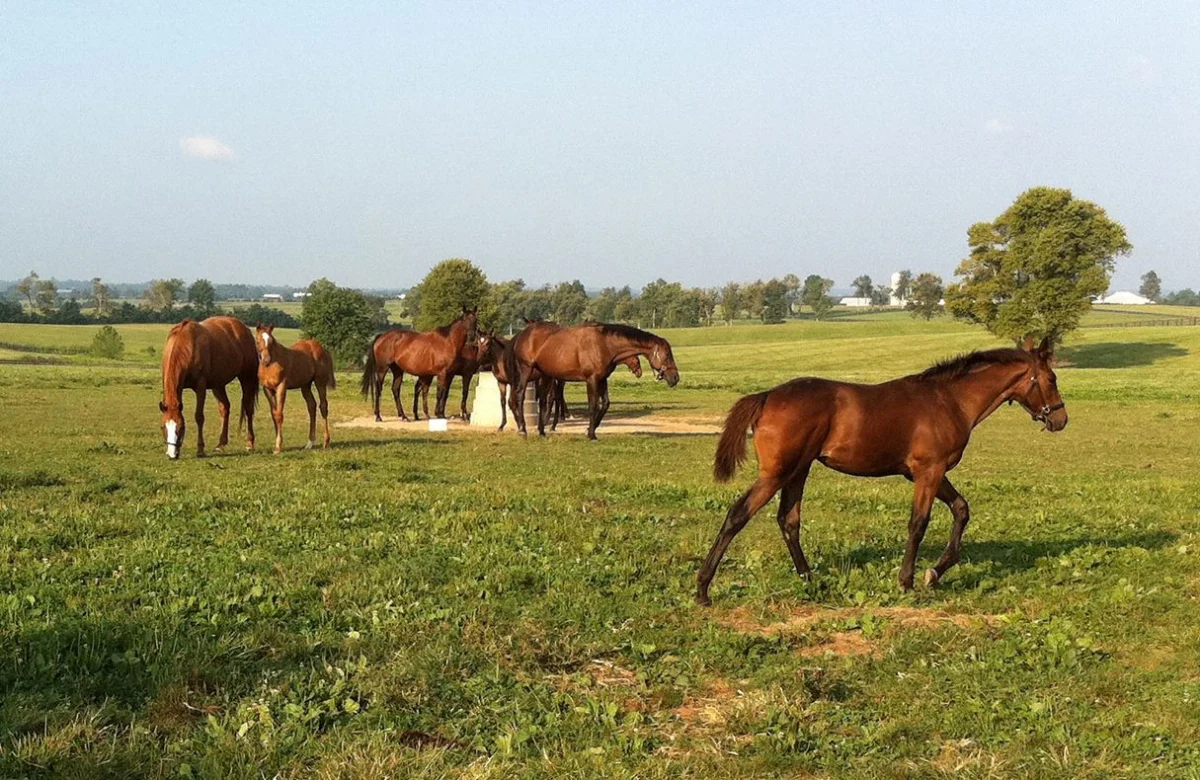
The foundation of a thriving equine operation is intrinsically linked to the quality of its pastures. While often overlooked in favor of more visible aspects of horse care, the nutritional content, palatability, productivity, and safety of grazing land are paramount to the health and well-being of horses. This principle is being increasingly emphasized by equine management experts, who are advocating for a more scientific and dedicated approach to pasture maintenance.
For years, horse farm managers have sought specialized expertise to optimize various facets of their operations, from veterinary care and nutritional planning to construction and architectural design. A critical, yet often underestimated, area of specialization is pasture management. Recognizing this need, professionals like Roger Allman and Elise Wyer of The Farm Clinic have emerged as leading authorities, providing invaluable guidance on pasture testing and tailored advice for horse farms. Their insights underscore a fundamental shift in understanding what constitutes an ideal pasture for equines, moving beyond the traditional agricultural focus on sheer biomass production.
Redefining Pasture Quality for Equine Health
Unlike conventional livestock farming, where the primary objective is to maximize weight gain per acre, horse breeding and management demand a different set of criteria for pasture evaluation. Allman and Wyer highlight four key qualities that define superior horse pastures: nutritional balance, palatability, productivity, and safety.
Nutritional balance is critical. Horses have specific dietary requirements that differ from other grazing animals. A well-balanced pasture should provide an appropriate mix of essential vitamins, minerals, and energy sources without leading to excesses or deficiencies. For instance, a pasture rich in carbohydrates but lacking in crucial trace minerals can contribute to metabolic disorders. Conversely, a deficiency in certain vitamins can impact immune function and overall vitality. The Farm Clinic emphasizes that understanding the soil composition and the specific plant species present is the first step in achieving this balance. Soil testing, a service offered by organizations like The Farm Clinic, reveals nutrient levels, pH, and the presence of essential elements, guiding decisions on fertilization and seeding.
Palatability refers to how readily horses will consume the available forage. Horses are selective grazers, and if a pasture is unpalatable due to the presence of certain less desirable plant species or an imbalanced nutrient profile, they may overgraze preferred areas, leading to soil erosion and the proliferation of weeds. Furthermore, a lack of palatability can force horses to ingest more soil, increasing the risk of impaction colic. Expert advice often focuses on encouraging the growth of highly digestible and palatable grasses and legumes that horses naturally favor.
Productivity, while not the sole objective, remains important. A productive pasture can support a greater number of horses or provide adequate forage for longer periods, reducing the reliance on expensive supplemental feed. This involves understanding the growth cycles of various forage species and managing grazing patterns to optimize yield. Techniques such as rotational grazing, where pastures are divided into smaller paddocks and horses are moved systematically, allow for rest periods, enabling grasses to recover and grow more robustly.
Safety is arguably the most critical factor. Horse pastures can harbor hazards that pose serious risks to equine health. These include toxic plants, sharp objects, overgrown fences, and uneven terrain that can lead to injuries. A thorough assessment of the pasture environment is crucial to identify and mitigate these dangers. This includes regular weed control, meticulous fencing maintenance, and ensuring the absence of any poisonous flora.
The Role of Expert Consultation in Pasture Management
The emphasis on specialized knowledge in horse farm management is not a new phenomenon, but the depth and breadth of expertise now available are expanding. Roger Allman and Elise Wyer of The Farm Clinic exemplify this trend. Their approach to pasture management is rooted in a scientific understanding of soil science, plant biology, and equine physiology. By granting permission to share their insights, they aim to elevate the standard of care for horses across the industry.
"We often see farm managers treating pastures like a generic field," noted a spokesperson for a prominent equine veterinary association, who preferred to remain anonymous due to internal policy. "But horses have unique metabolic and digestive systems. A pasture that’s perfect for cattle might be detrimental to horses. It requires a nuanced understanding."
The Farm Clinic’s methodology typically begins with a comprehensive soil analysis. This diagnostic tool provides a baseline understanding of the pasture’s existing conditions, including nutrient deficiencies or excesses, pH levels, and organic matter content. Based on these results, Allman and Wyer can formulate a targeted plan. This might involve recommending specific fertilizers, suggesting amendments like lime or sulfur to adjust pH, or advising on the introduction of complementary forage species.
For example, if a soil test reveals a deficiency in phosphorus, a crucial mineral for bone health and energy metabolism in horses, the recommendation might be to introduce a legume like clover, which is naturally higher in phosphorus and can also fix nitrogen in the soil, improving overall fertility. Conversely, if a pasture is found to be excessively high in sugars, potentially leading to conditions like laminitis in susceptible horses, strategies to manage grass growth and grazing times become paramount.
Historical Context and Evolving Practices
The history of horse farming has seen a gradual evolution in pasture management practices. Early horse keeping often involved large, unfenced areas where horses grazed freely. As land became more valuable and land fragmentation increased, more managed pastures became necessary. However, the focus remained largely on providing sustenance rather than optimizing for specific equine health outcomes.
The mid-to-late 20th century saw the rise of specialized equine veterinary care and nutrition science. This period marked a growing awareness of the impact of diet on horse health, leading to more sophisticated feed formulations and a deeper understanding of the nutritional requirements of different horse breeds and disciplines. Pasture management, however, often lagged behind, viewed as a less controllable variable compared to the precise measurements of grain and supplements.
The emergence of organizations like The Farm Clinic, and the dissemination of their knowledge through platforms like this article, represents a crucial step in bridging this gap. By advocating for the application of scientific principles to pasture management, they are empowering horse owners and managers to view their grazing lands not just as a space for horses to roam, but as a vital component of their dietary and health management strategy.
Data and Supporting Evidence
While specific quantitative data from The Farm Clinic’s proprietary research is not publicly available, the principles they advocate are well-supported by broader scientific literature in equine nutrition and pasture science. Studies consistently show the correlation between pasture quality and equine health outcomes:
- Nutrient Deficiencies and Toxicities: Research published in journals like the Journal of Equine Veterinary Science has documented cases where pasture management directly contributed to health issues. For instance, pastures deficient in selenium have been linked to poor immune function and muscle disorders. Conversely, pastures with excessively high levels of certain minerals can interfere with the absorption of other essential nutrients.
- Impact of Forage Type: The nutritional composition of different grasses and legumes varies significantly. For example, perennial ryegrass, a common pasture grass, can be high in fructans, which are a concern for horses prone to laminitis. Introducing a diverse mix of grasses and legumes, such as fescue, orchardgrass, and various clovers, can create a more balanced and resilient pasture system.
- Pasture Management and Laminitis: A significant body of research connects pasture management practices to the incidence of laminitis, a painful and potentially debilitating condition of the horse’s hoof. High-sugar grasses, particularly during periods of rapid growth (spring and autumn), are a major contributing factor. Expert advice often includes strategies like grazing horses during cooler parts of the day (early morning or late evening) when sugar levels are typically lower, or utilizing grazing muzzles to limit intake.
- Soil Health and Plant Diversity: The health of the soil directly influences the quality and diversity of the forage. A study published in Agroecology and Sustainable Food Systems highlighted how improved soil health through practices like reduced tillage and organic matter incorporation can lead to more nutrient-dense forage and a greater resilience to drought and disease.
Broader Impact and Implications for the Equine Industry
The implications of prioritizing high-quality horse pastures extend beyond individual farm management. A more informed and scientifically driven approach to pasture care can lead to:
- Reduced Veterinary Costs: Healthier horses require less veterinary intervention, leading to significant cost savings for owners and a reduced burden on veterinary practices.
- Improved Animal Welfare: Ensuring horses have access to nutritious, safe, and palatable forage directly contributes to their overall well-being, reducing stress and improving their quality of life.
- Enhanced Breeding Outcomes: For breeding operations, optimal nutrition from pasture is crucial for mare fertility, foal development, and the health of young stock.
- Sustainable Land Management: Well-managed pastures can contribute to soil health, water retention, and biodiversity, promoting more sustainable land use practices within the equine industry.
- Industry Reputation: A commitment to the highest standards of equine care, including pasture management, enhances the reputation of the industry as a whole.
The message from experts like Roger Allman and Elise Wyer is clear: horse pastures are not merely amenities; they are integral components of a comprehensive equine health and management program. By taking a more informed, scientific, and dedicated approach to their care and maintenance, horse farm managers can cultivate healthier, happier, and more productive horses. This shift in perspective is crucial for the continued advancement of equine welfare and the sustainability of the equine industry.
For those seeking further guidance, direct engagement with pasture management specialists or equine nutritionists is highly recommended. The ongoing exchange of knowledge and best practices is essential for ensuring that the foundation of our equine partnerships – the land they graze upon – is as robust and healthy as the animals themselves.