

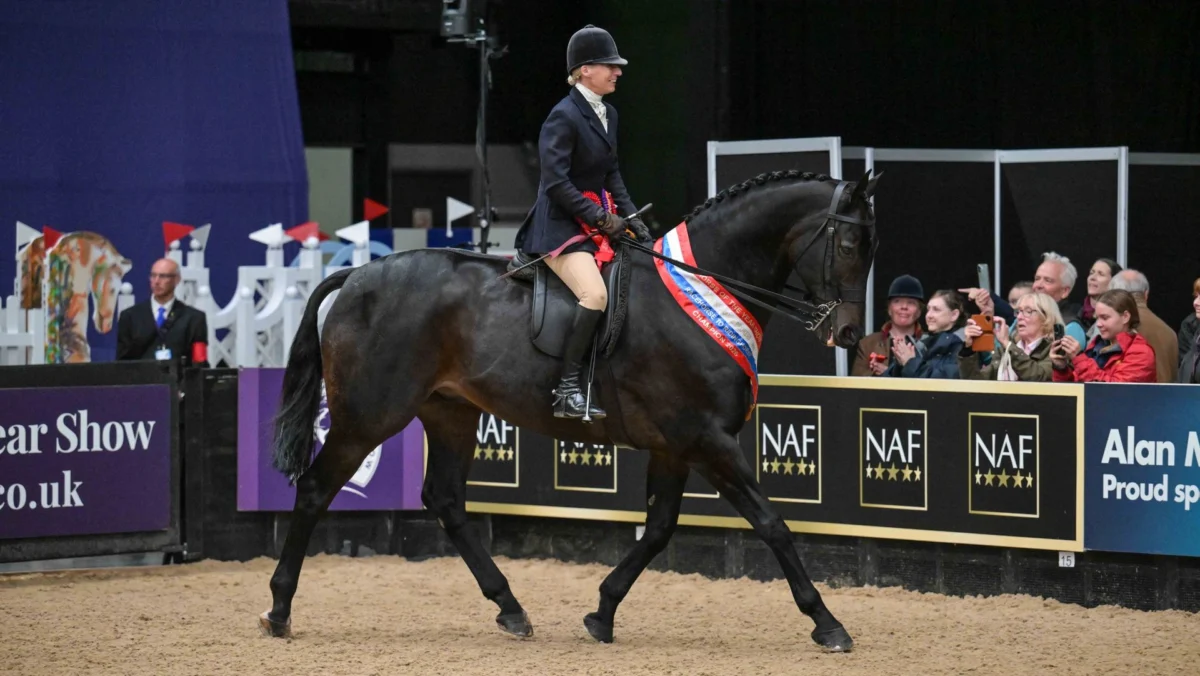
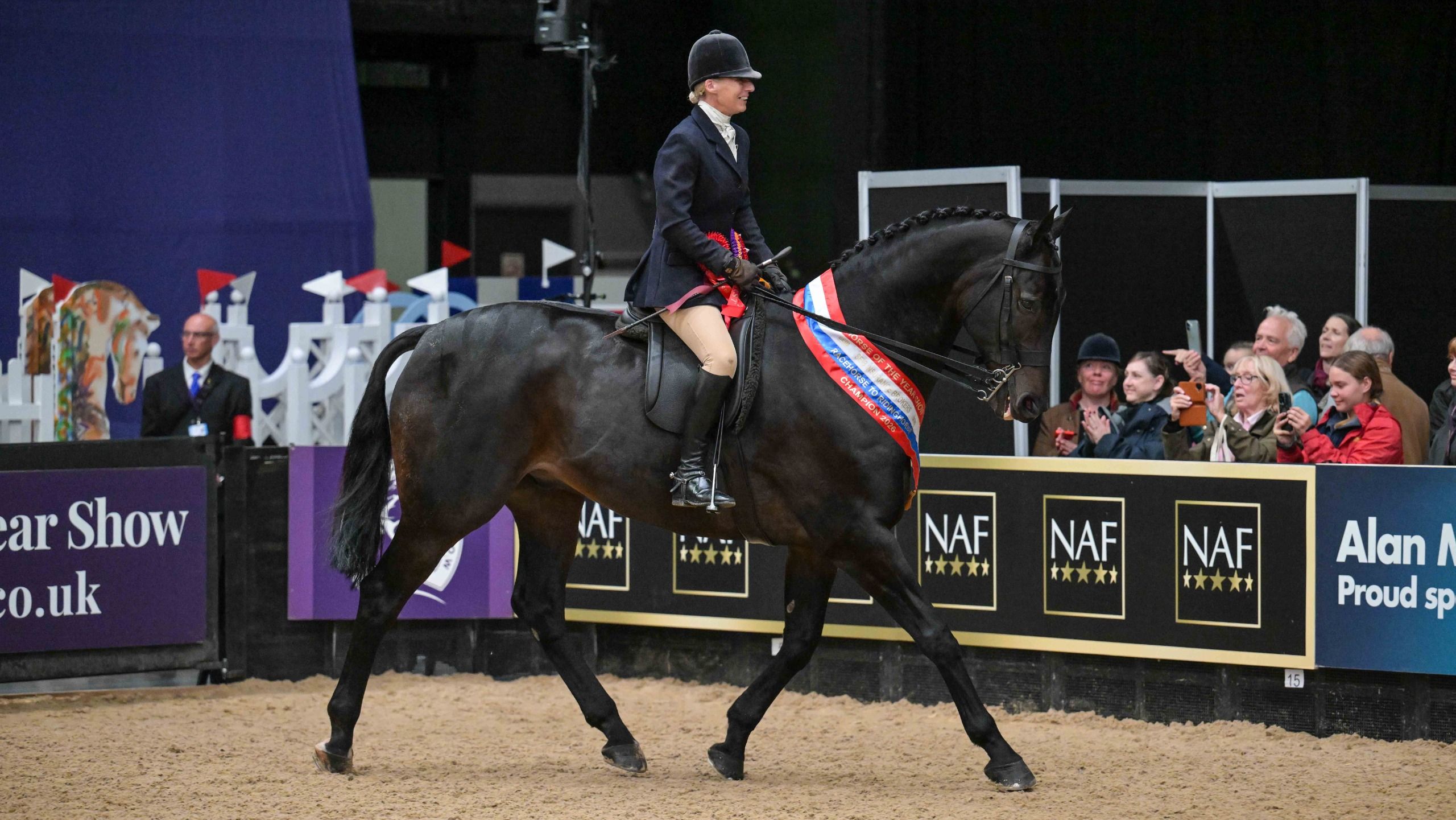
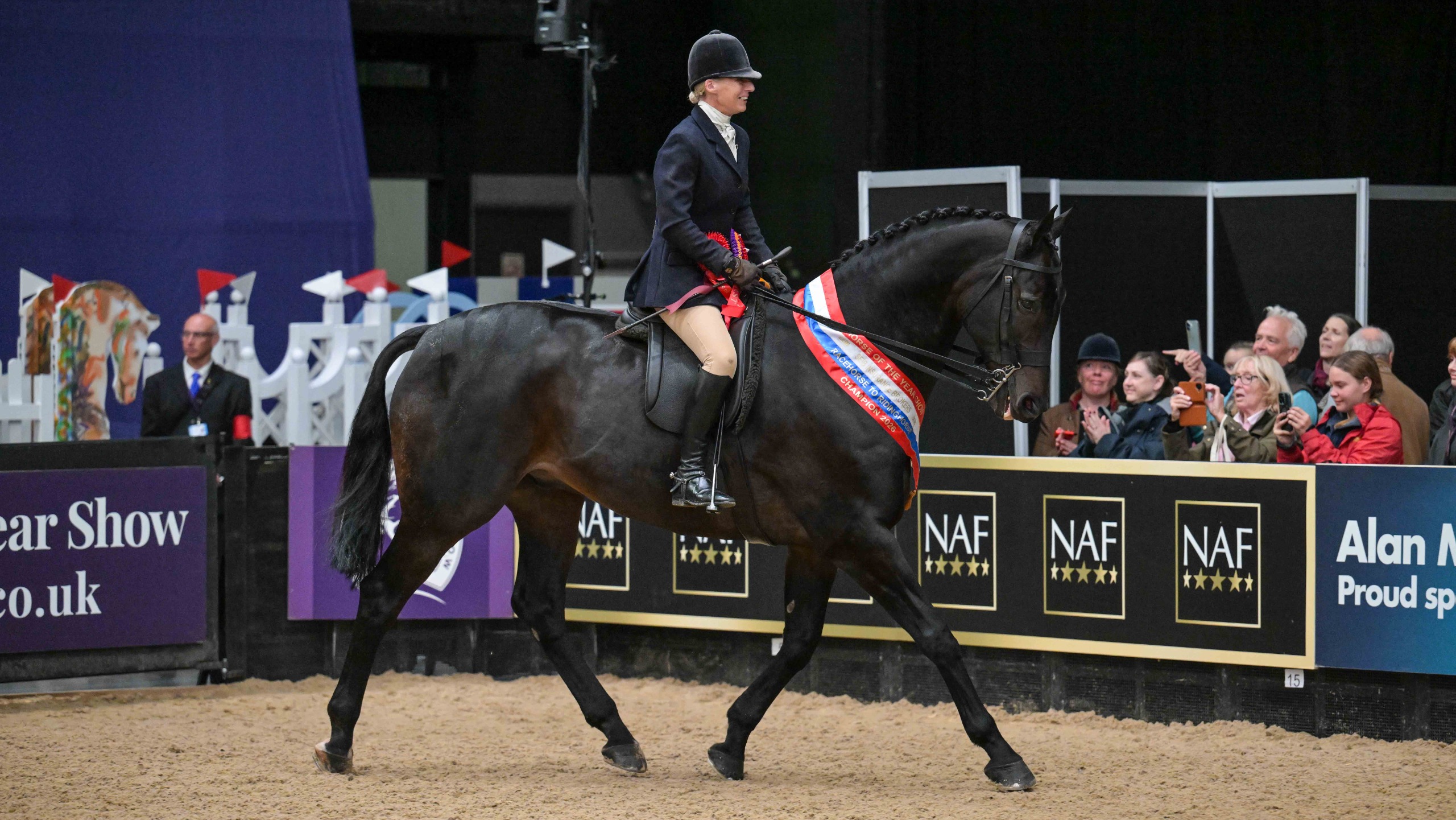
The atmosphere at the National Exhibition Centre (NEC) in Birmingham was electric as Rich Man Poor Man, affectionately known as Robbie, stepped into the hallowed HOYS arena for his fifth appearance in this highly competitive final. Under the skilled guidance of his producer, Kirstine Douglas, and owned by Morean Hamilton, Robbie delivered a performance that captivated judges and spectators alike, culminating in a well-deserved victory. This win was not merely a single event triumph but the culmination of years of dedicated effort, patience, and a testament to the versatility and enduring spirit of thoroughbreds post-racing careers. His previous four appearances had showcased his steady development, but 2024 proved to be his moment to seize the ultimate accolade in the sphere of racehorse to riding horse showing.
The Road to Glory: A Journey of Persistence
Rich Man Poor Man’s journey to the pinnacle of the SEIB Racehorse to Riding Horse final is a compelling narrative of transformation and dedication. Born in 2011, Robbie began his career on the racecourse, a path common for thoroughbreds bred for speed and stamina. While specific details of his racing career, such as his number of starts or wins, are not immediately available, his transition from the demanding world of competitive racing to the nuanced discipline of showing highlights a remarkable adaptability inherent in many ex-racehorses. The average age for racehorse retirement varies, but many thoroughbreds, particularly those who may not have reached elite racing status, often retire between the ages of four and eight, making Robbie’s continued success at 13 years old a testament to his longevity and robust constitution.
Upon his retirement from racing, Robbie embarked on his retraining journey, a critical phase that molds former athletes into new equine partners. This process typically involves extensive groundwork, re-education under saddle to adapt to different riding aids and paces, and desensitization to new environments and equipment. Kirstine Douglas, a renowned producer in the equestrian world, took on the responsibility of shaping Robbie into a top-tier show horse. Her expertise in understanding the thoroughbred temperament and channeling their athleticism into refined performance was instrumental in his development.
Robbie’s consistent qualification for the SEIB Racehorse to Riding Horse final at HOYS for five consecutive years speaks volumes about his consistency and the high standard of his production. Each appearance at HOYS represents not just a qualification, but a year of preparation, competitive outings, and meticulous schooling. While his exact placings in previous years are not detailed, the fact that he consistently returned to the final indicates he was always a strong contender, steadily climbing the ranks and refining his performance year after year. This narrative of perseverance resonates deeply within the equestrian community, where long-term dedication often precedes ultimate success.
Understanding the SEIB Racehorse to Riding Horse Final
The SEIB Racehorse to Riding Horse final is one of the most prestigious and emotionally resonant classes held at the Horse of the Year Show. It serves as a powerful showcase for the Retraining of Racehorses (RoR) charity, which champions the welfare of former racehorses by promoting their versatility and suitability for second careers.
HOYS: A Pinnacle of Equestrian Sport
The Horse of the Year Show, established in 1949, holds an unparalleled position in the British equestrian calendar. Often referred to as "The World’s Most Famous Horse Show," it is the culmination of the showing season, bringing together champions from across various disciplines to compete for national titles. Held annually at the NEC in Birmingham, HOYS attracts tens of thousands of spectators and features a diverse program ranging from show jumping and dressage to an extensive array of showing classes for all types of horses and ponies. For any rider or owner, qualifying for and competing at HOYS is a significant achievement, and winning a title there places a horse and rider combination among the elite of British equestrianism. The atmosphere is unique, with large crowds, bright lights, and intense competition, demanding exceptional temperament and focus from the equine competitors.
The RoR Initiative: A Second Chance
The Retraining of Racehorses (RoR) charity, established in 2000, is British racing’s official charity for the welfare of horses who have retired from racing. Its mission is multifaceted: to raise funds for the retraining and rehoming of former racehorses, to promote their versatility across a wide range of equestrian disciplines, and to educate the public about the thoroughbred’s potential beyond the racecourse. The RoR program encompasses various activities, including a comprehensive competition schedule for retrained racehorses in disciplines such as dressage, show jumping, eventing, polo, and showing. The SEIB Racehorse to Riding Horse series is perhaps its most high-profile showing class, designed to highlight horses that have successfully transitioned into elegant and mannerly riding horses.
The importance of the RoR charity cannot be overstated. With approximately 15,000 horses retiring from racing each year in the UK, ensuring suitable second careers is a monumental task. RoR provides support, advice, and opportunities for these horses, mitigating welfare risks and demonstrating that thoroughbreds, often perceived solely as high-energy athletes, can adapt to calmer, more diverse roles. Since its inception, RoR has facilitated the retraining and rehoming of thousands of horses, with registered horses competing successfully across more than 40 different disciplines. This initiative not only provides a vital safety net for retired racehorses but also enriches the broader equestrian community with talented, athletic, and intelligent animals.
The Rigorous Qualification Process
Entry into the SEIB Racehorse to Riding Horse final at HOYS is a challenging feat, requiring consistent performance throughout the season. The qualification process typically involves a series of regional qualifiers held at major agricultural shows and equestrian events across the UK. In these qualifiers, horses are judged on their conformation, way of going, manners, and suitability as a riding horse. Judges look for an athletic yet elegant build, fluid paces, a calm and obedient temperament, and evidence of successful retraining. The competition is fierce, with only the top-placed horses in each qualifier earning a coveted ticket to the HOYS final. This rigorous selection ensures that only the most exemplary examples of retrained racehorses make it to the main arena, setting the stage for a truly high-caliber championship. For Robbie to have qualified five times underscores his consistent quality and the sustained effort from his team.
A Champion’s Performance: What the Judges Saw
The SEIB Racehorse to Riding Horse final at HOYS is a demanding class, testing every aspect of a retrained racehorse’s transformation. The judging criteria are comprehensive, focusing on three main areas: conformation, the individual show (ride), and overall suitability as a riding horse.
In the conformation phase, horses are presented in hand, allowing judges to assess their build, soundness, and athleticism. While a racehorse’s conformation is initially geared towards speed and endurance, in a riding horse class, judges look for a balanced frame, correct limb alignment, and an overall appearance that suggests comfort and capability under saddle for general riding purposes. Robbie, at 13 years old, would have presented a mature and well-developed physique, demonstrating how former racehorses can maintain excellent condition and soundness well into their second careers. His five appearances would suggest he consistently meets these physical standards.
The ridden phase, often referred to as the individual show, is where the partnership between horse and rider truly shines. Competitors are required to perform a set pattern of paces – walk, trot, and canter – showcasing the horse’s obedience, responsiveness to aids, and quality of movement. Judges pay close attention to the horse’s manners, ensuring they are calm, willing, and responsive. A key element is the gallop, where the horse must demonstrate a controlled yet powerful extension, reflecting its thoroughbred heritage while remaining balanced and collected. This is a delicate balance to strike, proving the horse can still use its natural athleticism without reverting to a racing mentality. For Robbie, his years of experience in the HOYS arena would have given him a significant advantage, allowing him to navigate the electric atmosphere with composure and deliver a polished performance.
The "suitability as a riding horse" aspect is perhaps the most crucial. Judges are looking for a horse that is not only well-schooled but also appears happy and comfortable in its new role. This involves assessing its temperament, willingness to work, and overall presence. A successful retrained racehorse should embody grace, elegance, and a genuine enjoyment of its new discipline. Robbie’s victory suggests he perfectly encapsulated these qualities, displaying impeccable manners, fluent paces, and an undeniable partnership with Kirstine Douglas. His ability to perform consistently at such a high level, year after year, undoubtedly contributed to the judges’ decision, highlighting his reliability and exemplary training. The cheers from the crowd as Kirstine and Robbie completed their final lap of honour would have been a testament to their popular and well-deserved win, an emotional moment for all involved.
Voices of Victory: Reactions from the Winners and Stakeholders
A win of this magnitude at HOYS, particularly in a class as significant as the SEIB Racehorse to Riding Horse final, elicits profound reactions from all parties involved, from the immediate winning team to the broader equestrian community and sponsoring organizations. While direct quotes are not provided in the original snippet, we can logically infer the sentiments and statements that would follow such a triumph.
Kirstine Douglas’s Dedication
For Kirstine Douglas, Robbie’s producer and rider, this victory represents the ultimate validation of years of hard work and dedication. It is widely understood that producing a former racehorse to this standard requires immense skill, patience, and an in-depth understanding of thoroughbred psychology. Douglas would undoubtedly express overwhelming pride in Robbie, acknowledging his incredible temperament and willingness to learn. She would likely highlight the journey they’ve shared, from his early retraining days to his consistent performances at HOYS. Her statements would probably reflect a deep bond with Robbie, emphasizing his character and the trust they have built together. A win like this is not just about the horse’s talent but the producer’s ability to unlock that potential and present it flawlessly on the grandest stage. She might speak of the meticulous preparation, the countless hours of schooling, and the belief she always held in Robbie’s ability to one day take the top spot.
Morean Hamilton’s Pride
Morean Hamilton, Robbie’s owner, would undoubtedly share Kirstine’s elation. Owning a horse that achieves such a prestigious title at HOYS is a dream for many in the equestrian world. Hamilton’s statements would likely convey immense gratitude to Kirstine for her exceptional production skills and unwavering commitment to Robbie. She would express joy and pride in Robbie’s achievement, acknowledging the significant investment of time, effort, and resources required to support a top-level show horse. This win would validate her decision to invest in Robbie’s second career and highlight the rewards of supporting the retraining of racehorses. Owners play a crucial role in providing the resources and stability necessary for these horses to thrive, and Hamilton’s commitment would be a key part of Robbie’s success story.
SEIB and RoR Perspectives
The sponsors, SEIB Insurance Brokers, and the charity, Retraining of Racehorses (RoR), would view Robbie’s victory as a resounding success for their respective missions. SEIB, as a long-standing supporter of equestrian sports and welfare, would likely issue statements praising the high standard of competition and reiterating their commitment to supporting initiatives that promote horse welfare and second careers. Their involvement underscores a dedication to the equestrian community beyond mere business.
For RoR, Robbie’s win would be a powerful endorsement of their entire program. Representatives from RoR would likely highlight Robbie as a prime example of a thoroughbred’s versatility and talent post-racing. They would use his story to inspire other racehorse owners and trainers to consider retraining and to encourage equestrians from other disciplines to consider thoroughbreds for their next equine partner. This victory provides tangible evidence that former racehorses can not only adapt but excel in new roles, challenging common misconceptions about their suitability for non-racing careers. RoR would likely emphasize that Robbie’s success story is a beacon of hope and a testament to the effectiveness of dedicated retraining efforts across the industry.
Beyond the Arena: The Broader Impact of Robbie’s Win
Rich Man Poor Man’s triumph at the SEIB Racehorse to Riding Horse final extends far beyond the immediate celebrations in the HOYS arena. This victory carries significant implications for the wider equestrian community, reinforcing key messages about equine welfare, versatility, and the enduring appeal of the sport.
Inspiring Future Transitions
Robbie’s success serves as a powerful inspiration for countless individuals involved in the retraining of racehorses. For owners of retired thoroughbreds, it offers tangible proof that dedication and professional guidance can lead to extraordinary achievements. It encourages them to invest in quality retraining programs rather than viewing retirement as an end to a horse’s useful life. For producers and trainers, Robbie’s journey, culminating in a HOYS championship on his fifth attempt, highlights the value of perseverance and the importance of allowing horses to develop at their own pace. It demonstrates that not every horse will be an instant superstar, but with consistent work and a deep understanding of their individual needs, thoroughbreds can blossom into champions in their new disciplines. This inspiration fuels the pipeline of future retrained racehorses entering the showing world and other equestrian sports.
Elevating Racehorse Welfare Awareness
One of the most profound impacts of Robbie’s win is its contribution to elevating awareness about racehorse welfare. In an era where scrutiny on animal welfare in sports is intensifying, the success of programs like RoR, showcased at a high-profile event like HOYS, sends a clear message. It demonstrates that the racing industry, through initiatives like RoR, is actively committed to ensuring a fulfilling life for its athletes beyond the track. Robbie’s story humanizes the racehorse, presenting them not just as a commodity for sport, but as intelligent, adaptable animals capable of forming strong partnerships and achieving new goals. This positive narrative helps to counter negative perceptions and builds public trust in the responsible management of equine athletes throughout their lives. It underscores the ethical imperative of providing second careers and showcases the success stories that emerge from such commitments.
The Economic and Community Ripple Effect
The success of the SEIB Racehorse to Riding Horse class, and Robbie’s win within it, also has a ripple effect on the equestrian economy and community. The demand for former racehorses for retraining grows, stimulating a specialized sector of the equine industry focused on their rehabilitation and re-education. This includes trainers, physiotherapists, farriers, and nutritionists who specialize in thoroughbreds. The showing circuit itself benefits from the increased participation of RoR horses, adding diversity and excitement to classes. Sponsorship from companies like SEIB highlights the commercial viability of supporting welfare-driven initiatives, potentially encouraging other businesses to invest in similar programs. Furthermore, the RoR community fosters a strong sense of camaraderie among owners and riders who share a passion for these incredible horses, creating a supportive network that benefits all involved. This builds a positive cycle, where success leads to more interest, more investment, and ultimately, better outcomes for more retired racehorses.
The Legacy of Rich Man Poor Man
Rich Man Poor Man’s victory at the 2024 SEIB Racehorse to Riding Horse final at HOYS is more than just a single win; it etches his name into the annals of RoR history and solidifies his legacy as an exemplary ambassador for the thoroughbred breed. At 13 years old, his sustained excellence over five HOYS appearances speaks volumes about his soundness, temperament, and the expert care he has received. His story will undoubtedly be recounted for years to come, inspiring a new generation of equestrians to embrace the challenges and rewards of retraining former racehorses. Robbie, Kirstine Douglas, and Morean Hamilton have not only achieved a personal triumph but have also contributed significantly to the ongoing narrative of equine welfare and the boundless potential of the versatile thoroughbred. His win reinforces the idea that true champions are not just born on the racetrack, but can be made anew in the show ring, demonstrating grace, athleticism, and a spirit that continues to shine long after their racing days are done.







