

The London International Horse Show (LIHS), a cornerstone of the festive equestrian calendar, has announced a significant restructuring of its event schedule for the upcoming 2024 edition. Set to take place at ExCeL London from December 17th to 21st, the show will feature a dramatically altered timetable, culminating in a single, extended afternoon performance on its final day. This departure from tradition marks a notable shift for the renowned event, which has historically concluded with a late-evening finale just days before Christmas.
A New Era for a Beloved Tradition
For many years, the London International Horse Show has captivated audiences with its jam-packed evening performances, often running until around 10 pm on the penultimate Monday before Christmas. This year’s revised schedule, however, signals a strategic move to consolidate the event’s climax into a more focused, yet potentially more impactful, afternoon slot on Saturday, December 21st. While the exact details of the extended afternoon performance are yet to be fully unveiled, the announcement has already generated considerable discussion within the equestrian community.
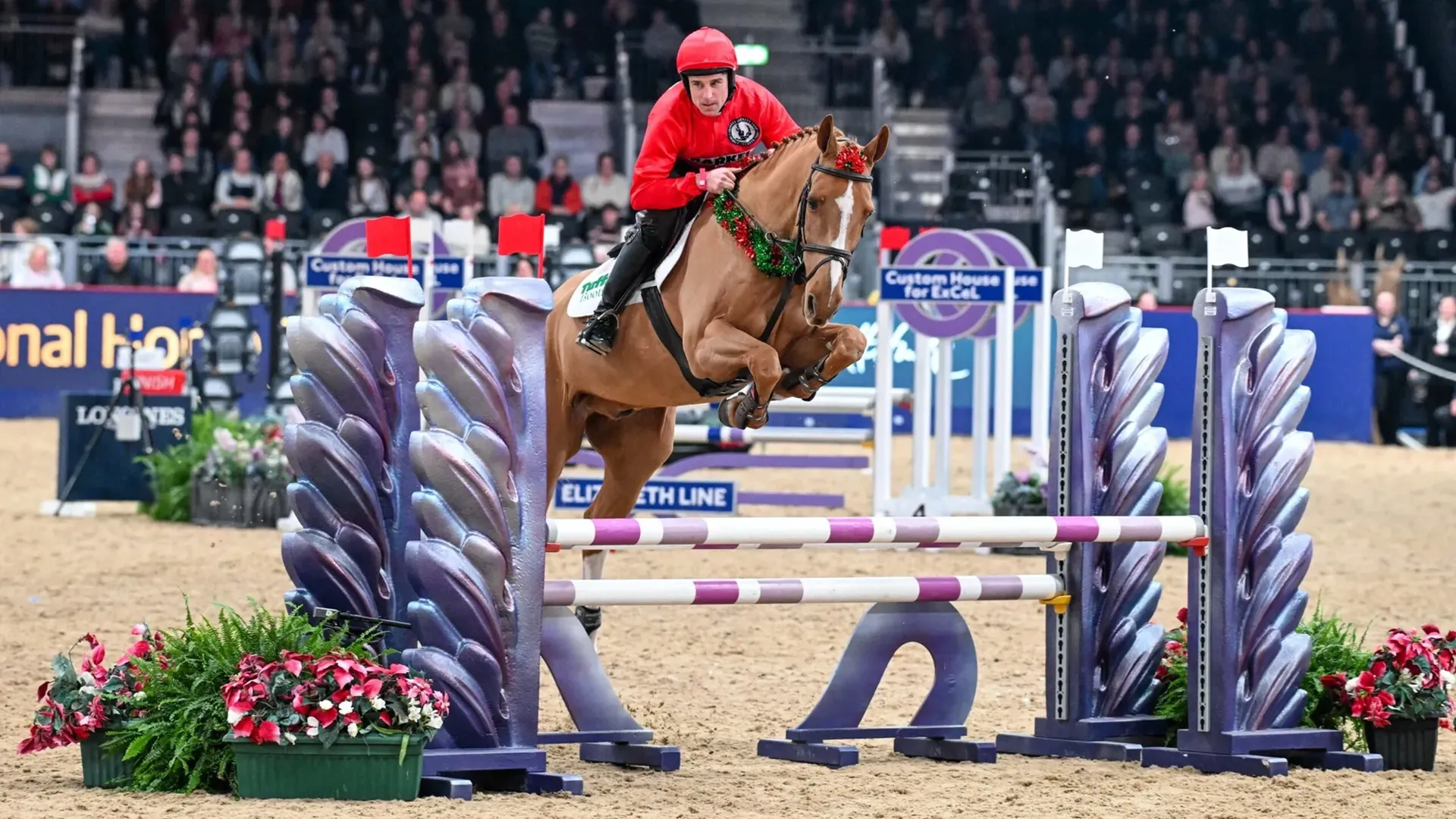
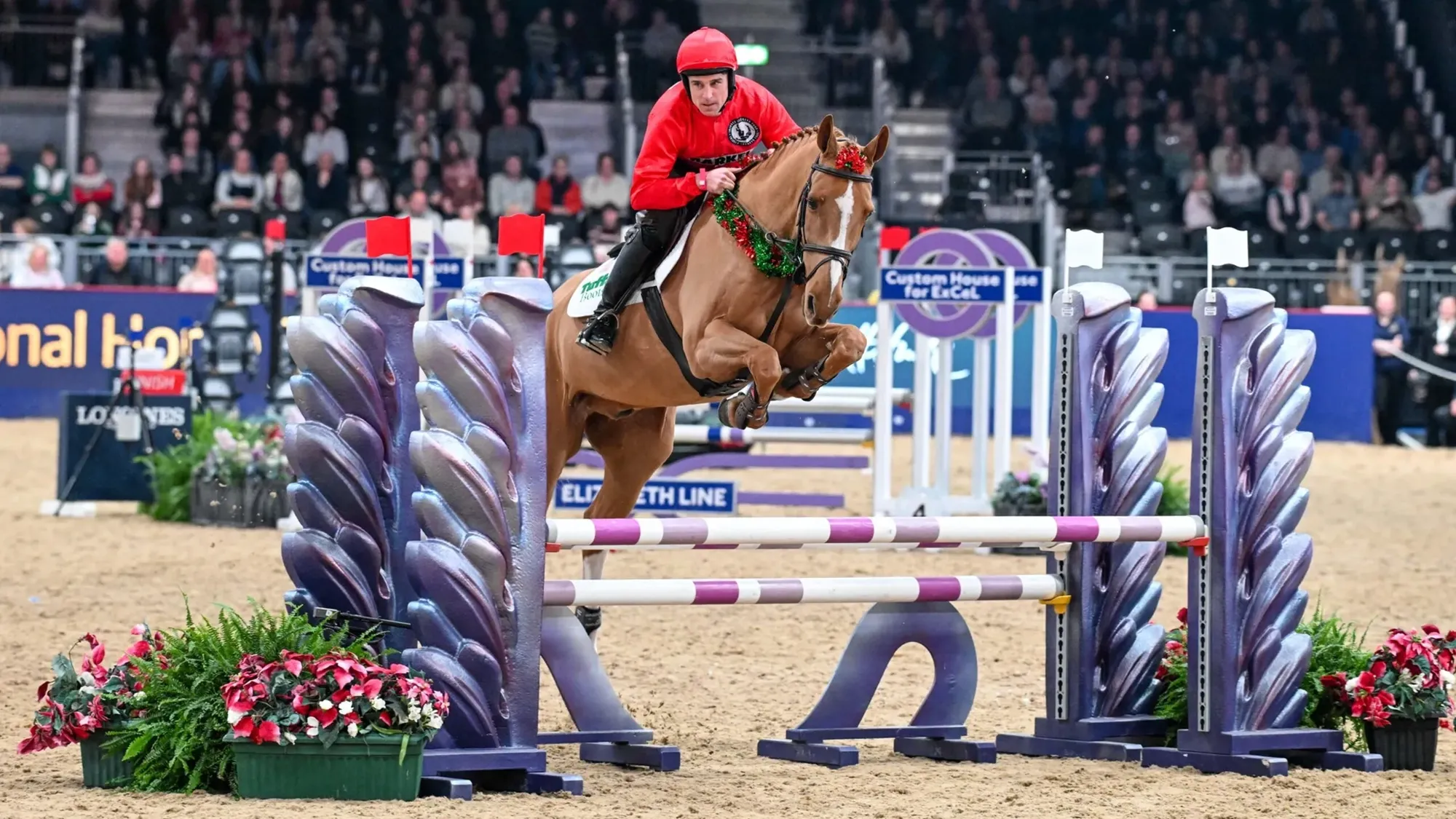
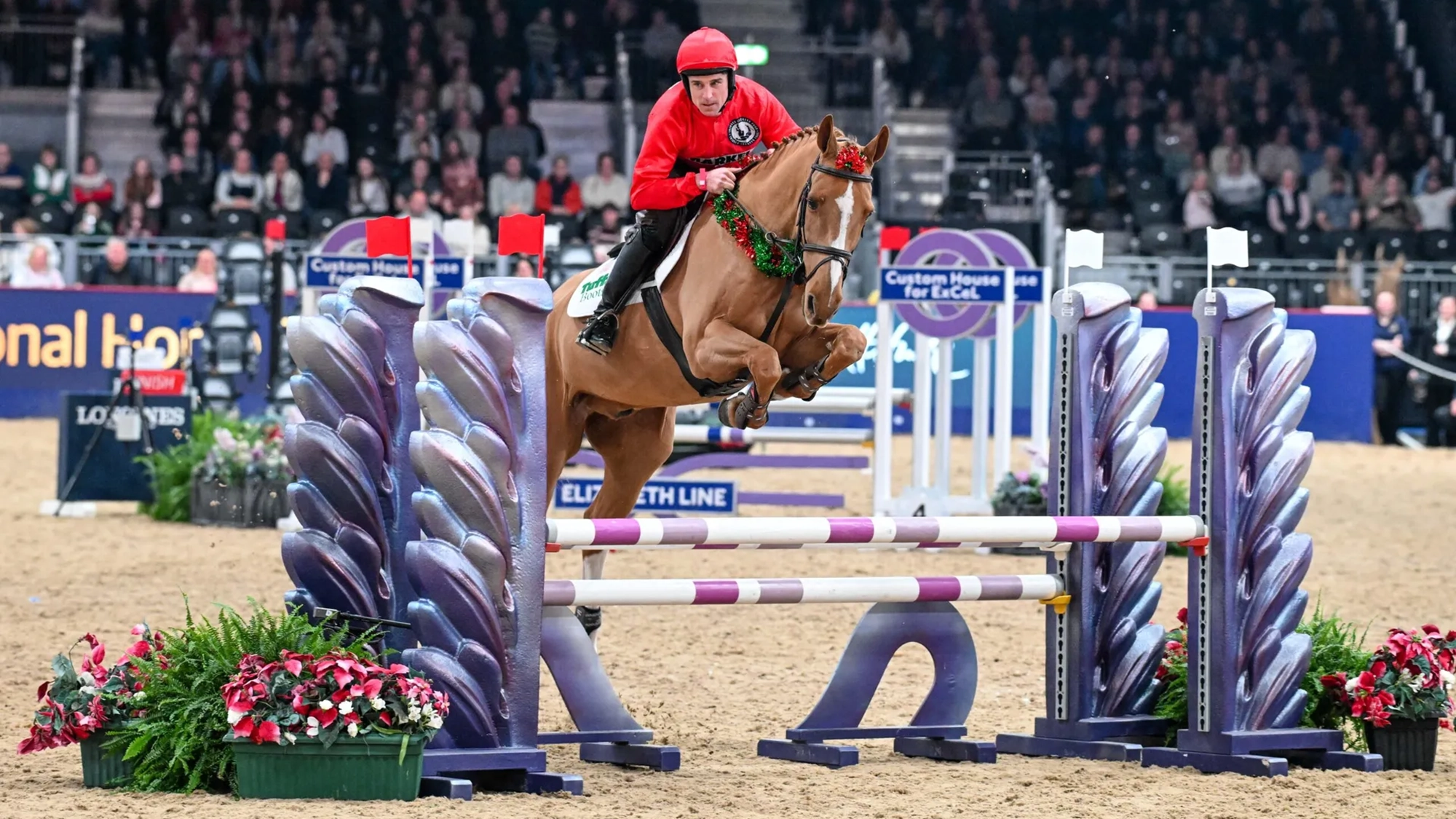
The LIHS, a fixture in London’s winter events landscape, typically draws thousands of spectators and participants from across the globe. Its blend of top-tier international show jumping, dressage, driving, and historical displays, coupled with unique competitions like the Markel Jockeys Jumping in aid of the Injured Jockeys Fund, has cemented its status as a premier equestrian gathering. The Injured Jockeys Fund, a vital charity supporting racing professionals who have suffered serious injuries, has historically been a significant beneficiary of the show’s goodwill. The image accompanying this announcement, featuring jockey Harry Skelton and horse Billy Angelo in the Markel Jockeys Jumping, serves as a poignant reminder of the event’s philanthropic endeavors and the caliber of talent it showcases. However, it is important to note that this particular exhibition, as depicted, may be subject to change or reformatting under the new schedule.
Rationale Behind the Timetable Shift
While the precise motivations behind this significant timetable overhaul have not been explicitly detailed by the organizers, several factors are likely to have influenced the decision. Industry experts suggest a combination of evolving audience preferences, operational efficiencies, and a desire to present a more concentrated and impactful closing event could be at play.
One potential driver could be a strategic effort to enhance the spectator experience. By consolidating the show’s finale into a single, extended afternoon performance, organizers may aim to create a more cohesive and emotionally resonant conclusion. This could allow for a more elaborate and uninterrupted program, potentially building to a crescendo of equestrian excellence and entertainment.
Furthermore, operational considerations often play a crucial role in large-scale event planning. Adjusting the final day’s schedule might offer benefits in terms of staffing, logistics, and post-event dismantling. A single, extended performance could streamline these processes, potentially leading to cost savings and a smoother wrap-up for the venue and organizing teams.
A Look Back at LIHS’s Rich History
The London International Horse Show boasts a long and illustrious history, tracing its origins back to 1907. Initially held at Olympia, the show relocated to ExCeL London in 2021, marking another significant chapter in its evolution. Throughout its existence, the LIHS has been at the forefront of equestrian sport, consistently attracting the world’s leading riders and horses. It has served as a platform for groundbreaking performances, the nurturing of young talent, and the celebration of the unique bond between humans and horses.
Historically, the show’s closing performances have been a highlight, featuring nail-biting show jumping finals, captivating displays of horsemanship, and often, a generous dose of festive cheer. The shift to an extended afternoon performance on the final day represents a departure from this established format, prompting questions about how the traditional atmosphere and key competitive elements will be adapted.
Impact on Competitions and Participants
The revised schedule raises questions about the format and timing of various competitions, including the highly anticipated international show jumping Grand Prix, the FEI World Cup™ legs, and other popular disciplines. Organizers have indicated that further details regarding the specific event timings and competitive structures will be released in due course.
For professional riders, trainers, and their support teams, schedule changes can necessitate adjustments to travel plans, training regimes, and overall event strategy. The move away from a late-evening finale might affect post-event activities, such as awards ceremonies or celebratory gatherings, that have traditionally followed the closing bell. However, the emphasis on an "extended afternoon performance" suggests an intention to pack the final day with a comprehensive program, ensuring that spectators and participants alike experience the full spectrum of the show’s offerings.
The Markel Jockeys Jumping, a popular charity event that often features prominent figures from both racing and show jumping, has been a consistent feature. Its inclusion and format within the new schedule will be of particular interest to fans of both disciplines. The Injured Jockeys Fund, which benefits immensely from such events, will undoubtedly be keen to see how its fundraising efforts are integrated into the revised programming.
Broader Implications for the Equestrian Calendar
This strategic decision by the London International Horse Show could have ripple effects across the broader equestrian calendar. As a major international event, its scheduling and format often influence other shows and championships. The move towards a more consolidated final day might inspire other organizers to re-evaluate their own event structures, potentially leading to a trend towards more focused and efficient programming.
The success of this new format will likely be closely watched by the industry. If the extended afternoon performance proves to be a hit with audiences and participants, it could set a precedent for future iterations of the LIHS and potentially influence the planning of other large-scale equestrian events. Factors such as ticket sales, audience engagement, and overall attendee satisfaction will be key indicators of the reform’s success.
Looking Ahead: What to Expect
While the full impact of this schedule change remains to be seen, the London International Horse Show’s commitment to delivering a world-class equestrian experience is undeniable. The organizers are expected to provide further updates in the coming months, offering detailed insights into the revised competition schedules, entertainment programs, and ticketing information.
The 2024 London International Horse Show, with its bold new timetable, promises to be a unique and memorable event. The equestrian community will be eagerly awaiting further announcements, keen to understand how this significant shift will shape the future of one of the world’s most prestigious horse shows. The core essence of the LIHS – its celebration of equestrian sport, its dedication to showcasing top talent, and its role as a vital platform for charitable causes – is expected to remain, albeit within a reimagined framework. The focus will now be on how this new structure enhances the overall attendee experience and reinforces the show’s enduring legacy.







