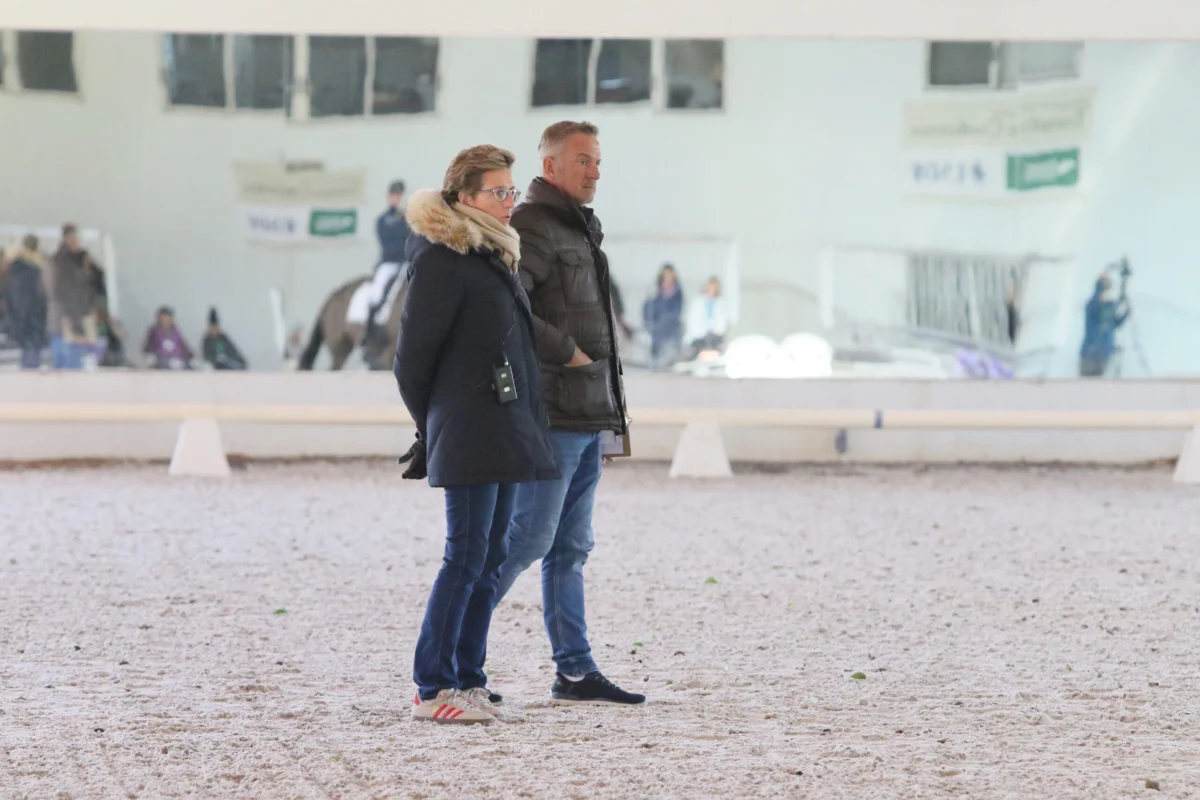
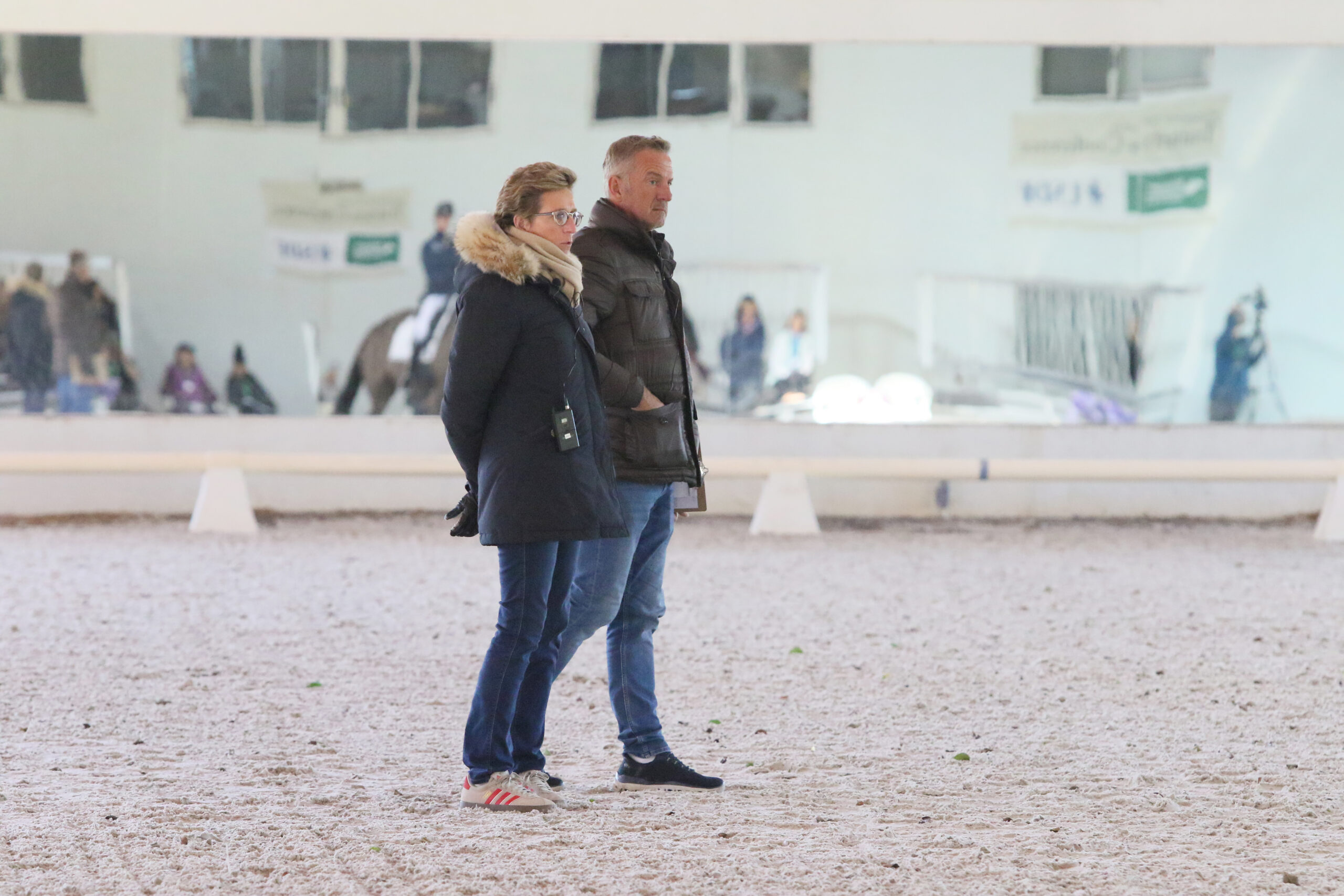
The quest for the perfect four-beat walk, a cornerstone of elegant dressage, was a central theme at the recent Adequan®/USDF FEI-Level Trainers Conference. Attendees, observing the horses presented, noted a consistent adherence to this ideal gait, prompting a crucial question: how can trainers effectively address and improve a horse exhibiting a more lateral, or pacing, walk? The conference, a premier educational event for dressage professionals, provided a platform for esteemed clinicians Christof Umbach and Heike Kemmer to offer their expert guidance on this common challenge.
Understanding the Lateral Walk: A Rhythm Fault
The editor’s note at the conference clarified the nature of a lateral walk, defining it as a gait where the hind and forelegs on the same side move in unison. This synchronization can manifest subtly, leading to a slightly uneven rhythm, or more overtly, resembling a pace. In the competitive arena of dressage, this deviation from the ideal four-beat rhythm is considered a significant fault, impacting the overall impression of harmony and athleticism. The characteristic diagonal or diagonal-lateral sequence of footfalls in a true walk is disrupted, leading to a loss of cadence and expressive quality.
The Root Cause: Beyond the Walk Itself
Clinician Christof Umbach, an L4/FEI 5* judge and President of the Ground Jury for the 2026 FEI World Cup Finals, asserted a fundamental principle: improving the walk is not achieved by simply riding more walk. "You don’t make a walk better with riding the walk," he stated definitively. "That’s my opinion." Instead, Umbach advocates for a holistic approach, focusing on enhancing the horse’s overall suppleness and engagement, particularly in the trot and canter.
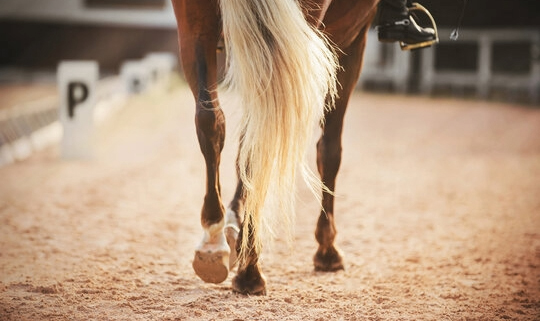
"I think the best way [to improve the walk] is to improve the suppleness of the back in trot and canter, because there you have the impulsion, and it’s easier to improve the suppleness of the back in a gait with impulsion," Umbach explained. The inherent energy and forward drive of the trot and canter provide a more fertile ground for developing the elasticity and freedom of the horse’s back, which directly influences the quality of the walk. A supple back allows for the proper diagonal movement of the legs, essential for a clear four-beat rhythm.
Medical Considerations and Individual Differences
Umbach also acknowledged that underlying medical conditions can significantly impede a horse’s ability to achieve a correct walk. "Some horses have medical issues, like kissing spines or some problems with the neck, and then it’s quite difficult to change that," he cautioned. These physical limitations can restrict the horse’s natural movement and make it challenging to address a lateral walk through training alone. Veterinarian consultation and a thorough physical assessment are crucial in such cases to rule out or manage any underlying health concerns that might be contributing to the gait fault.
The Power of Terrain: Hills and Outdoor Work
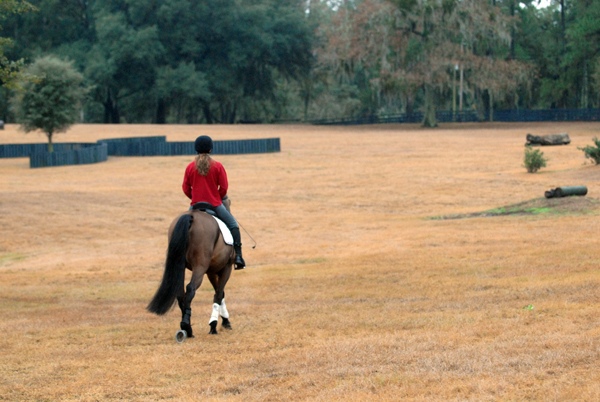
A particularly emphasized strategy for improving the walk involved leveraging the natural challenges and benefits of riding outside the confines of the arena. Umbach championed the use of varied terrain, specifically advocating for ascending and descending hills. "A good way to improve the walk is to go out in the fields, climbing hills and then also riding hills down," he recommended.
He elaborated on the biomechanical advantages of this approach. Riding downhill, in particular, forces the horse to engage its hindquarters more deeply and carry weight, thereby improving the bend and engagement of the haunches. This increased collection and engagement are crucial for developing the suppleness and impulsion necessary for a good walk. Umbach drew a historical parallel, recalling how George Theodorescu, father of renowned rider Monica Theodorescu, constructed a hill at his training facility in Warendorf, Germany, specifically to train horses to sit and carry weight for piaffe, a testament to the efficacy of hills in developing core engagement.
"It’s also a very good tool to improve the bend of the haunches," Umbach continued. "When you train a horse for piaffe, for example, they have no idea what they should do. To ride down the hill, they have to carry weight, and they have to bend their haunches." This controlled collection and engagement in the hindquarters are vital for developing the balance and coordination required for a correct four-beat walk.
Heike Kemmer, a celebrated dressage rider with multiple Olympic medals, echoed Umbach’s sentiment regarding the benefits of outdoor work. "If you have no hill, if you’re going out into the fields for one hour, after 45 minutes, the horses are more relaxed and working more [over their backs] in the canter. Then you get a better walk," she observed. The extended period of sustained work in a more relaxed environment allows the horse to loosen up, engage its back more effectively, and generate better impulsion, all of which contribute to a more expressive and correct walk. Kemmer’s advice suggests that simply removing the horse from the focused intensity of the dressage arena can be remarkably beneficial. "So, go out of the dressage ring. That is sometimes so helpful," she concluded.
The Adequan®/USDF FEI-Level Trainers Conference: A Hub for Education
The Adequan®/USDF FEI-Level Trainers Conference is a highly anticipated annual event in the dressage calendar, designed to provide advanced continuing education for dressage trainers and instructors. It offers a unique opportunity for participants to observe and learn from some of the world’s leading figures in the sport, gaining insights into the latest training methodologies and philosophies. The conference format typically involves top clinicians working with horses, demonstrating principles and responding to questions from attendees, fostering a dynamic and interactive learning environment.
This year’s event featured prominent figures in the dressage world. Heike Kemmer, a two-time Olympic team gold medalist (2004, 2008) and individual Olympic bronze medalist (2008), brought her extensive competitive experience and training expertise. Christof Umbach, with his distinguished career as an L4/FEI 5* judge and his recent role as President of the Ground Jury for the 2026 FEI World Cup Finals in Fort Worth, Texas, provided a judge’s perspective and deep understanding of the sport’s technical demands. Their combined knowledge base offered a comprehensive approach to addressing the complexities of dressage training.
Broader Implications for Dressage Training
The advice offered at the USDF Trainers Conference underscores a significant trend in modern dressage training: a move towards more holistic and biomechanically sound approaches. The emphasis on suppleness, engagement, and varied training environments, rather than solely focusing on the specific gait being corrected, reflects a deeper understanding of equine athleticism.
For trainers and riders, this means recognizing that a lateral walk may be a symptom of a larger issue concerning the horse’s overall balance, suppleness, and engagement of the hindquarters. Addressing these underlying factors, through targeted work in other gaits and varied training settings, is likely to yield more sustainable and effective improvements than solely drilling the walk.
The conference also highlighted the importance of considering individual horse characteristics and potential physical limitations. The reminder about medical issues serves as a crucial call for vigilance and collaboration with veterinary professionals, ensuring that training interventions are appropriate and beneficial for the horse’s well-being.
Ultimately, the insights shared at the 2026 Adequan®/USDF FEI-Level Trainers Conference provide a valuable roadmap for dressage enthusiasts seeking to cultivate a more harmonious and expressive four-beat walk in their equine partners. By prioritizing suppleness, engagement, and varied training experiences, trainers can unlock the full potential of their horses and achieve the elegance and athleticism that defines true dressage.