The familiar scenario plays out in arenas and fields worldwide: the crucial final jump-off, the demanding extended trot at the Grand Prix level, or the most challenging combination on a cross-country course. The equine athlete, having given its all, begins to show signs of fatigue – a shortened stride, less powerful push, slightly delayed reactions, and a diminished spark. While riders and trainers meticulously refine technique, build muscular strength, and cultivate suppleness, the fundamental question often overlooked is: how effectively are we training the horse’s cardiovascular system for profound, unflappable stamina? The answer, increasingly recognized by top equestrians and sports scientists, lies not in more intense intervals or heavier weights, but in adopting the controlled cardiovascular work principles long employed in endurance riding. This approach promises to transform a talented athlete into a consistently dependable and resilient competitor.
Understanding the Physiological Imperative: Sport vs. Endurance Metabolism
To appreciate the value of integrating endurance principles, it’s crucial to understand the fundamental differences in metabolic demands between traditional sport horse disciplines and endurance events. Sport horses, particularly in disciplines like show jumping, dressage, and eventing, frequently engage in short, intense bursts of activity. These efforts often push the horse into an anaerobic metabolic state, where energy is produced without sufficient oxygen. While effective for immediate, high-power output, anaerobic metabolism rapidly depletes glycogen stores and leads to the accumulation of lactic acid, causing swift fatigue and a need for extended recovery. For instance, a show jumper performing a complex course with multiple intense efforts, or a dressage horse executing a demanding Grand Prix test, will rely heavily on both aerobic and anaerobic pathways, with anaerobic contributions becoming significant during peak efforts.
In contrast, endurance horses are trained to perform efficiently for hours, operating predominantly within an aerobic metabolic state. Aerobic metabolism utilizes oxygen to burn fuel (primarily fat and glycogen) much more sustainably, producing significantly more energy per unit of fuel and generating far less lactic acid. This allows endurance horses to maintain a consistent pace over vast distances with minimal fatigue and rapid recovery. The objective of controlled cardio for sport horses is not to prepare them for a 50-mile race, but rather to expand their aerobic base dramatically. This expansion provides a vastly larger reservoir of readily available, efficient energy, delaying the onset of anaerobic metabolism and reserving the "emergency fund" for truly critical moments. The result is a horse that recovers faster between individual movements, between jumps in a combination, and between phases of an event, maintaining peak performance throughout a demanding competition.
The Endurance Mindset: Shifting Focus from Speed to Systemic Efficiency
The "endurance mindset" for sport horse training diverges from merely accumulating miles. It is a strategic approach focused on optimizing the horse’s entire physiological system for sustained, efficient work. This involves enhancing the cardiovascular system, improving thermoregulation, and teaching the horse’s metabolism to utilize fuel sources more sustainably. A robust cardiovascular system translates to a more efficient heart that can pump a greater volume of oxygenated blood with fewer beats, improving oxygen delivery to working muscles and expediting waste removal. This systemic efficiency is measurable: a well-conditioned endurance horse might maintain a heart rate of 60-80 beats per minute (bpm) during a steady trot, whereas an unconditioned horse might see its heart rate spike to 120-140 bpm for the same effort, indicating significantly less efficiency.
The benefits extend beyond raw power. By improving aerobic capacity, horses become more resilient to the stresses of competition, reducing the risk of injuries related to fatigue. Tendons, ligaments, and joints are better supported by stronger, more enduring muscles, and the horse’s overall recovery profile improves. This holistic approach ensures that the horse’s internal engine is as finely tuned and durable as its external musculature and technique.
Phase 1: Building the Aerobic Foundation – The Non-Negotiable Base Phase
Just as a skyscraper requires a deep, strong foundation, an equine athlete needs a solid aerobic base before intense sport-specific training can safely and effectively commence. This foundation phase is critical and, though often perceived as monotonous, is where the most profound physiological adaptations occur.
Duration and Methodology: This phase typically lasts 4-6 weeks, though for horses returning from injury or those with a very low fitness level, it might extend to 8-12 weeks. The primary focus is consistent, low-intensity work designed to keep the horse’s heart rate within a specific aerobic zone. For most horses, this translates to a heart rate between 130-150 bpm during trot work, or approximately 60-70% of their estimated maximum heart rate (typically 200-220 bpm for horses).
Monitoring Heart Rate: While a heart rate monitor is the gold standard for precision, experienced riders can use the "talk test" as a reliable proxy. During this work, the horse should be able to maintain a steady, rhythmic breathing pattern without puffing, snorting, or heaving flanks. If the breathing becomes labored, the intensity is too high, and the pace should be reduced. The goal is to build endurance, not to push the horse into anaerobic territory.
Typical Weekly Schedule:
- Week 1-2: Begin with 20-30 minutes of brisk, purposeful walking on varied terrain, gradually introducing 10-15 minutes of slow, steady trot. The emphasis is on maintaining a consistent, relaxed pace.
- Week 3-4: Gradually increase the duration of the trot work to 20-30 minutes, ensuring the pace remains steady and within the aerobic zone. Varied terrain, including gentle inclines, can be introduced to engage different muscle groups without significantly increasing heart rate.
- Week 5-6: Extend trot work to 30-40 minutes. Canter can be carefully introduced in short, controlled bursts (5-minute segments), again ensuring the heart rate remains within the lower end of the aerobic zone. The focus remains on duration and consistency over speed.
Physiological Adaptations: During this phase, the body undergoes several crucial changes:
- Capillary Network Expansion: New capillaries grow within muscle tissue, improving blood flow and oxygen delivery to muscle cells.
- Mitochondrial Biogenesis: The number and size of mitochondria (the "powerhouses" of the cell where aerobic energy production occurs) increase, enhancing the cell’s capacity for oxygen utilization.
- Increased Blood Plasma Volume: This improves the horse’s ability to cool itself and enhances overall circulatory efficiency.
- Fat Adaptation: The body becomes more efficient at burning fat as a primary fuel source, sparing glycogen stores for higher-intensity efforts. This is a key principle of endurance training.
This phase is foundational and should not be rushed. It builds the cellular and systemic infrastructure upon which all subsequent, more intense training will depend.
Phase 2: Progressive Integration and Specificity – Tools and Terrain
Once a solid aerobic base is established, the training can become more nuanced, gradually increasing duration and intensity while still prioritizing aerobic efficiency.
The Tools of the Trade:
- Heart Rate Monitors: Essential for precise monitoring, allowing trainers to identify specific heart rate zones for different types of work and track recovery rates. Recovery heart rate (how quickly the heart rate drops after work) is a key indicator of fitness.
- GPS Tracking Devices: Useful for monitoring distance, speed, and elevation changes, providing objective data to guide training progression and ensure consistency.
- Varied Terrain: Moving beyond the flat arena is crucial. Hacking on trails, hills, and varied footing (grass, sand, gravel) offers numerous benefits:
- Hill Work: Gentle inclines strengthen hindquarters, core muscles, and improve cardiovascular fitness without requiring high speeds. Downhill work, performed carefully, strengthens supporting structures.
- Uneven Ground: Enhances proprioception (body awareness), balance, and strengthens stabilizing muscles in the legs and core, reducing injury risk.
- Water Treadmills/Swimming: Provide low-impact cardiovascular and strength training, particularly beneficial for rehabilitation or cross-training.
Progressive Overload: As fitness improves, the duration of aerobic work can be extended (e.g., 60-90 minutes of steady trot/canter), or the intensity can be subtly increased within the aerobic zone (e.g., slightly faster trot uphill). The principle remains: maximize efficiency at a sustainable pace, rather than striving for maximum speed or anaerobic bursts. This methodical progression ensures continuous adaptation without overstressing the horse.
Integrating Controlled Cardio into a Sport-Specific Schedule
The beauty of controlled cardio is its adaptability. It doesn’t replace sport-specific training but enhances it, becoming a strategic component of a balanced weekly schedule. For many sport horses, these sessions can replace what would typically be a "light hack" or a less productive schooling day.
Weekly Schedule Integration:
- Sport-Specific Training (3-4 days): Intense arena work focusing on technique, gymnastics, lateral movements, or jumping.
- Controlled Cardio (1-2 days): Dedicated sessions of long, slow distance work, typically 45-90 minutes of steady trot and controlled canter on varied terrain, maintaining an aerobic heart rate.
- Rest/Active Recovery (1-2 days): True rest, turnout, or very light walking/stretching.
Discipline-Specific Benefits:
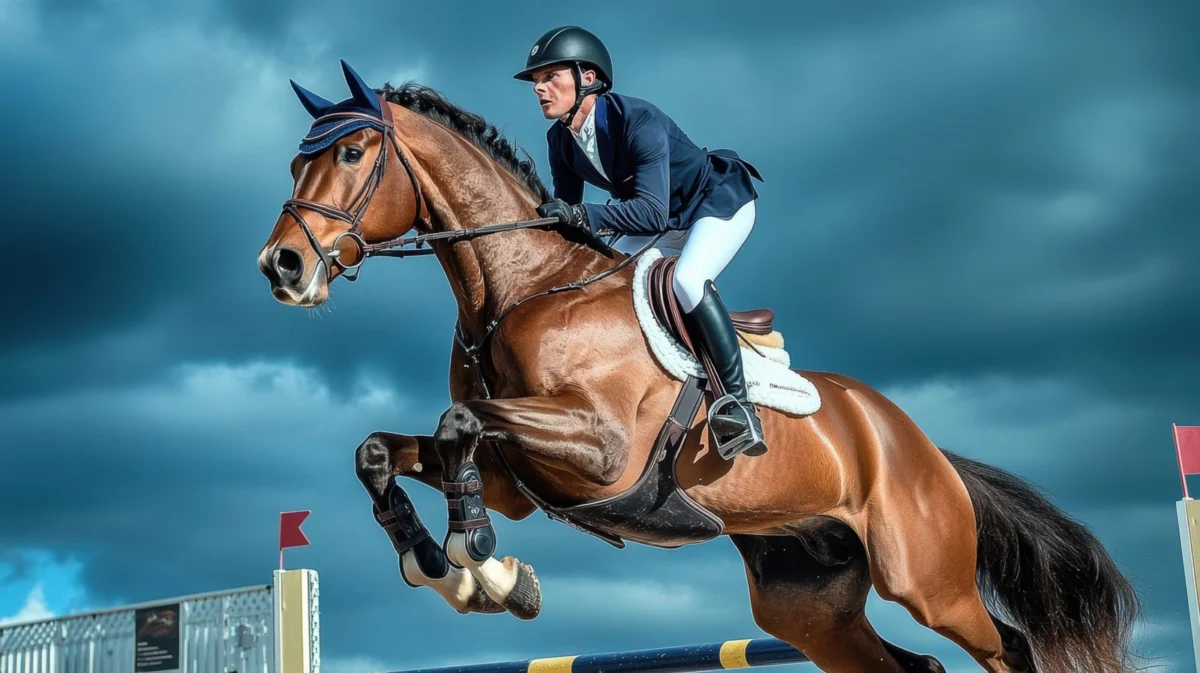
- Show Jumping: While jumping demands explosive power, a strong aerobic base allows horses to sustain that power throughout a challenging course and recover quickly between efforts in a jump-off. Fatigue-induced errors, such as knocking rails or refusing, are significantly reduced. The horse can maintain mental focus and physical precision from the first fence to the last.
- Dressage: A Grand Prix test, lasting several minutes, requires immense stamina, core strength, and mental focus. Aerobic fitness enables the dressage horse to maintain collection, engagement, and expression without succumbing to tension caused by fatigue. It allows for consistent power and lightness throughout complex sequences, from pirouettes to piaffe and passage.
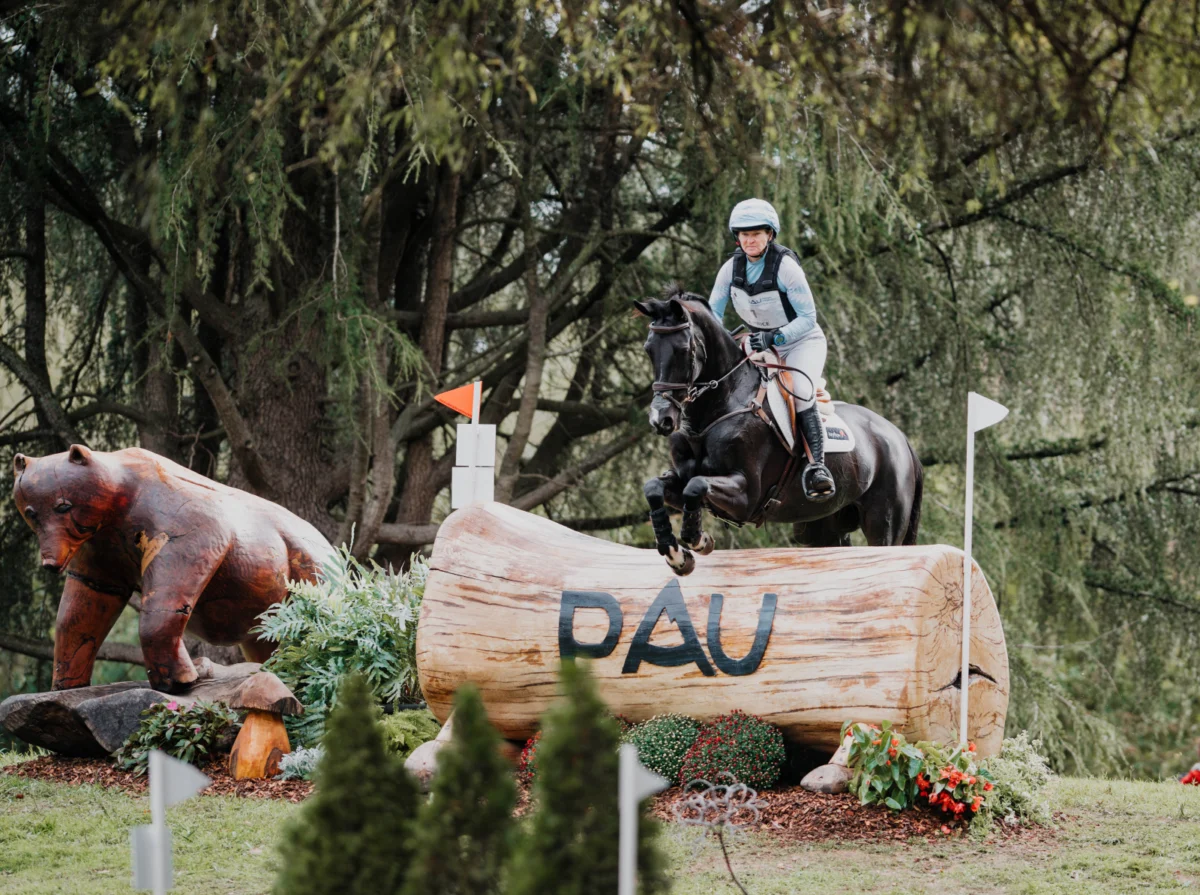
- Eventing: For eventers, controlled cardio is a long-standing cornerstone of fitness. Long, slow trot sets are vital for building the stamina required for the cross-country phase, ensuring the horse has enough "gas in the tank" to complete the course safely and efficiently, and crucially, to recover quickly for the show jumping phase the following day.
Mental and Physical Frame: During these cardio sessions, the horse should be encouraged to work in a long, low, relaxed frame, stretching over its topline. This is not the time for collection or intricate technique. It’s a mental break from the demands of precision, allowing the horse to relax, look at the scenery, and focus purely on physiological conditioning. This mental relaxation further aids in efficient breathing and overall comfort, making the training more effective and enjoyable for the horse. The principle is clear: the body builds strength during rest, not during work. Therefore, following a demanding cardio day with a true rest day or a very light technique day is paramount for optimal adaptation.
Monitoring and Avoiding Overtraining: The Crucial Safeguard
The line between building robust stamina and overtraining is fine, and careful monitoring is essential. The endurance world is exceptionally vigilant in this regard, and sport horse trainers should adopt similar practices.
Key Indicators of Overtraining:
- Behavioral Changes: Loss of appetite, dullness, lethargy, irritability, or reluctance to work. A normally eager horse becoming sluggish on a cardio day is a significant red flag.
- Physical Signs: A dull coat, weight loss, muscle soreness that doesn’t resolve, or subtle changes in gait.
- Physiological Markers:
- Elevated Resting Heart Rate (RHR): A spike of 10-15 bpm above the horse’s normal morning RHR can indicate incomplete recovery or impending illness. RHR should be taken consistently at the same time each morning before any activity.
- Poor Recovery Heart Rate: If the heart rate takes an unusually long time to return to normal after exercise, it suggests fatigue or overexertion.
- Leg Monitoring: Regularly feeling the legs for heat, swelling, or filling after work is crucial. Early detection of inflammation can prevent serious lameness.
- Blood Work: In some cases, veterinarians may recommend blood tests (e.g., muscle enzymes like CK and AST, or lactate levels) to assess muscle damage and metabolic stress, providing objective data on recovery and training load.
Controlled cardio is effective only if it is controlled in its execution and monitoring. The aim is to leave the horse feeling strong, healthy, and hungry, not drained, sore, or mentally dulled. Consistent, objective monitoring ensures that training adaptations are positive and sustainable, safeguarding the horse’s welfare and career longevity.
Long-Term Implications and Competitive Advantage
The ultimate payoff of integrating endurance principles into sport horse training extends far beyond mere physiological enhancements.
Enhanced Performance and Reliability: A horse with a superior aerobic base can maintain power, precision, and focus throughout the entirety of a competition. This translates to fewer errors due to fatigue, more consistent scores, and a greater ability to perform under pressure in high-stakes situations like jump-offs or demanding dressage tests. The horse becomes a more reliable partner, capable of delivering peak performance from start to finish.
Injury Prevention and Career Longevity: By building stronger cardiovascular and muscular systems without excessive anaerobic stress, the risk of fatigue-related injuries to joints, tendons, and ligaments is significantly reduced. Aerobic conditioning promotes healthier connective tissues and improves the horse’s overall resilience, contributing to a longer, healthier, and more productive competitive career. This is a critical factor in equine welfare and for protecting substantial investments in high-performance horses.
Improved Horse Welfare and Psychological Benefits: A horse that is supremely fit is also a happier horse. Reduced physical stress during work translates to less tension, improved rideability, and a greater willingness to perform. The profound benefit is psychological: when a horse intrinsically knows it possesses the stamina to perform, the anxiety born from anticipating fatigue melts away. This confidence makes the horse more rideable, more responsive to cues, and more relaxed in its work, further enhancing its efficiency and performance. It cultivates a "braver heart" – a horse that trusts its own capabilities and is willing to give its all, not just at the beginning, but through the most crucial final efforts.
In conclusion, the integration of controlled cardiovascular training, inspired by the principles of endurance riding, represents a paradigm shift in sport horse conditioning. It moves beyond traditional focus on strength and technique to cultivate a holistic athlete with an engine built for sustained excellence. By embracing steady, purposeful work, monitoring progress meticulously, and valuing physiological efficiency as much as flashy performance, trainers can unlock a new level of equine athleticism. This approach not only elevates competitive performance but also champions the long-term health, welfare, and confidence of the equine partner. It is a testament to the idea that sometimes, the most profound improvements come not from pushing harder, but from training smarter, down the quiet trails where true stamina is forged.