

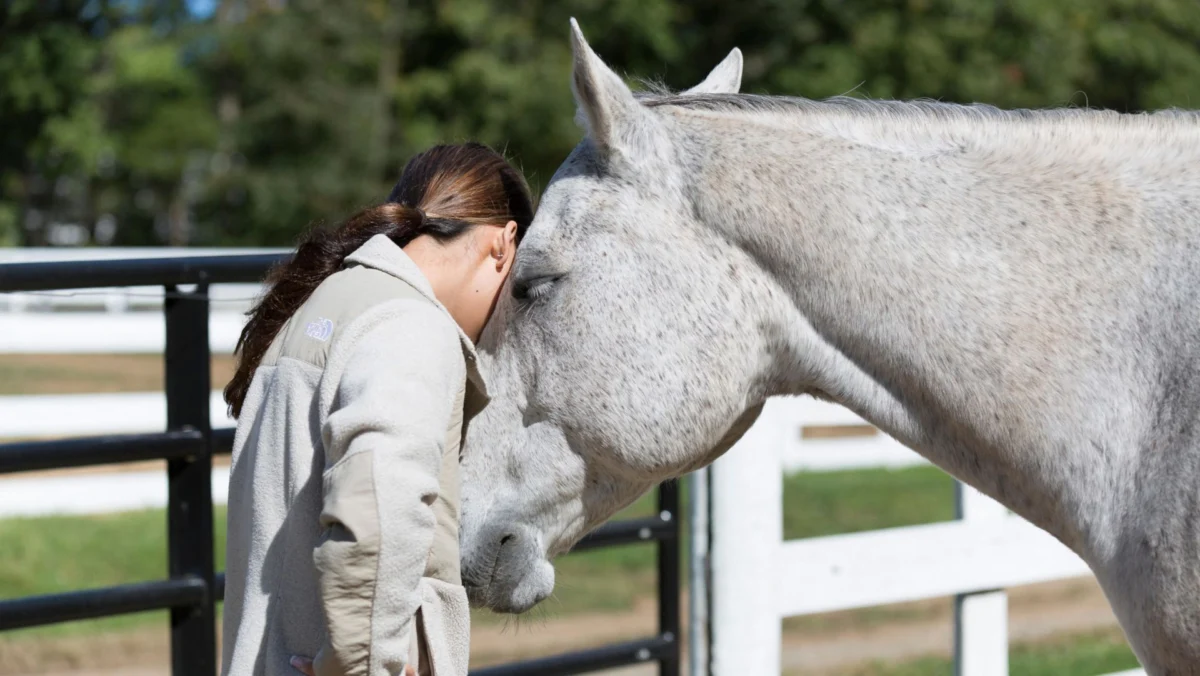
New research has cast a critical and illuminating light on the well-being of therapy horses, urging a fundamental paradigm shift in how these animals are perceived within therapeutic contexts. The findings emphatically remind practitioners, researchers, and the public alike that equines involved in therapeutic interventions should be regarded as "active participants" in the healing process, rather than mere "therapeutic tools." This re-evaluation, rooted in a comprehensive review of existing literature, underscores the ethical imperative to prioritize the welfare of these sentient beings, recognizing their complex emotional and cognitive capacities.
The pivotal paper, published in the esteemed journal Animals, meticulously reviewed a vast body of literature pertaining to the human-animal therapeutic relationship. The primary objective of the researchers was to gain a holistic understanding of "both sides of the interaction," moving beyond a human-centric view to fully encompass the experiences and responses of the equine partners. This systematic approach aimed to synthesize current knowledge, identify gaps in understanding, and ultimately advocate for best practices that ensure the highest standards of welfare for therapy horses globally. The implications of this research are profound, suggesting a need for revised guidelines, enhanced training protocols for both humans and horses, and a more nuanced appreciation of the symbiotic nature of equine-assisted interventions.
Understanding the Paradigm Shift: From Tool to Partner
For decades, the field of animal-assisted therapy has primarily focused on the demonstrable benefits for human clients. While these benefits are undeniable and well-documented across a spectrum of physical, psychological, and emotional conditions, the perspective on the animal’s role has often been utilitarian. Animals, including horses, have frequently been conceptualized as instruments or facilitators designed to elicit specific human responses. This viewpoint, while not inherently malicious, inadvertently risks overlooking the animals’ own needs, stress levels, and emotional states.
The call to view therapy horses as "active participants" represents a significant philosophical and practical evolution. It acknowledges that horses are not passive recipients of human interaction but rather sentient beings with their own unique personalities, preferences, and physiological responses to their environment and human partners. Their engagement in therapy is not merely a programmed reaction but an active choice, influenced by their past experiences, current well-being, and the quality of their relationship with the human handler. This shift necessitates a deeper understanding of equine ethology, behavior, and communication, ensuring that their participation is voluntary, comfortable, and ultimately enriching for them as well. Recognizing them as partners implies a reciprocal relationship, where the well-being of one party directly influences the success and ethical integrity of the interaction for the other.
The Science Behind the Sentience: Key Findings of the Review
The review in Animals synthesizes a wealth of scientific evidence supporting the notion of equine sentience and the complex nature of their involvement in therapy. Researchers delved into studies employing various methodologies, including behavioral observations, physiological monitoring (such as heart rate variability, cortisol levels, and eye temperature), and qualitative analyses of horse-human interactions. These studies collectively reveal several critical insights:
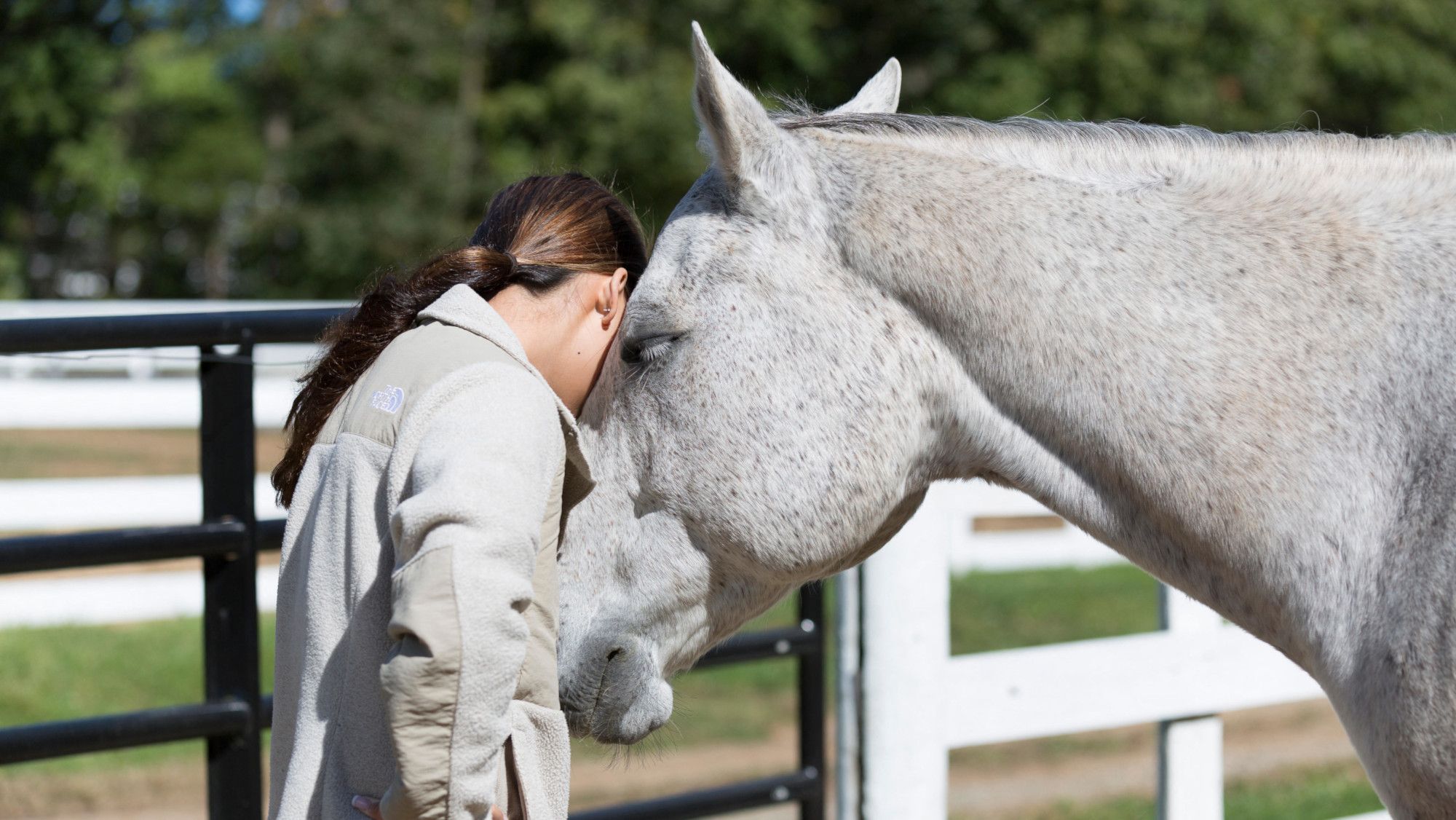
Firstly, horses exhibit clear behavioral indicators of stress, discomfort, or contentment. Subtle cues like ear position, tail swishing, muscle tension, head carriage, and eye expression can communicate their emotional state. A horse that is frequently yawning, lip-licking, or displaying a lowered head might be relaxed, while pinned ears, tense muscles, or excessive tail swishing could signal anxiety or discomfort. The research emphasizes that these signals must be meticulously observed and understood by practitioners to prevent burnout or negative experiences for the horse.
Secondly, physiological markers provide objective evidence of a horse’s internal state. Studies have shown that horses’ heart rate variability can change significantly in response to different human interactions or therapeutic activities. Elevated cortisol levels, a primary stress hormone, can indicate chronic stress if consistently high. These measures offer a scientific basis for assessing welfare beyond purely anecdotal observations, providing critical data for tailoring therapeutic sessions to the individual horse’s capacity and comfort.
Furthermore, the review highlighted how the quality of human interaction profoundly impacts a therapy horse’s well-being and performance. Gentle handling, consistent routines, clear communication, and an empathetic approach from human practitioners lead to more positive physiological and behavioral responses in horses. Conversely, inconsistent handling, impatient behavior, or a lack of understanding of equine communication can induce stress, reduce willingness to participate, and potentially undermine the therapeutic efficacy for the human client. The horse’s capacity to mirror human emotions, a cornerstone of equine-assisted therapy, is itself dependent on a secure and trusting relationship built on mutual respect.
A Brief History of Equine-Assisted Therapy
The concept of using horses for therapeutic purposes is not new, tracing its roots back to ancient Greece. Hippocrates, the "Father of Medicine," reportedly advocated for horse riding for individuals with physical ailments. However, modern equine-assisted therapy (EAT) began to take more structured forms in the mid-20th century.
- 1950s-1960s: Emergence of Hippotherapy: One of the earliest documented pioneers was Lis Hartel, a Danish equestrian who won a silver medal in dressage at the 1952 Helsinki Olympics despite having polio. Her personal experience demonstrated the physical and psychological benefits of riding. This period saw the formal development of "hippotherapy," primarily focusing on physical rehabilitation, using the horse’s movement to provide sensory and motor input for individuals with neurological or physical disabilities. Organizations like the North American Riding for the Handicapped Association (NARHA), now known as Professional Association of Therapeutic Horsemanship International (PATH Intl.), were founded to establish standards and promote the practice.
- 1980s-1990s: Expansion into Mental Health: The scope of EAT began to broaden significantly beyond physical therapy. Practitioners started recognizing the profound psychological and emotional benefits of interacting with horses. This led to the development of Equine-Assisted Psychotherapy (EAP) and other modalities focusing on mental health, trauma recovery, addiction, and social skill development. The unique non-judgmental nature of horses, their ability to mirror emotions, and their powerful presence made them ideal partners in addressing complex human psychological challenges.
- 2000s-Present: Professionalization and Research: The 21st century has witnessed a surge in the professionalization of EAT, with increasing emphasis on evidence-based practices and rigorous research. More universities and institutions began offering specialized training programs, and professional organizations continued to refine ethical guidelines and certification processes. Concurrently, there has been a growing scientific interest in the human-animal bond and the specific mechanisms through which horses contribute to therapeutic outcomes. This era also marked a critical turning point in recognizing the welfare of the animals themselves, moving beyond anecdotal observations to scientific inquiry into their experiences. The current research in Animals is a direct continuation of this progressive understanding, aiming to integrate equine welfare science into the very fabric of EAT practice.
Ensuring Equine Welfare: Best Practices and Ethical Considerations
The shift towards viewing therapy horses as active participants necessitates a robust framework of best practices and ethical considerations. Implementing these guidelines is paramount for the sustainability and integrity of EAT programs.
- Careful Selection and Training: Not every horse is suited to be a therapy horse. Selection involves assessing temperament, health, conformation, and past experiences. Ideal therapy horses are calm, patient, forgiving, and possess a naturally empathetic disposition. Their training should be grounded in positive reinforcement methods, ensuring they associate therapeutic activities with positive experiences. Forced or coercive training methods are antithetical to their role as willing partners.
- Monitoring Well-being: Regular, systematic monitoring of each therapy horse’s physical and mental well-being is crucial. This includes daily health checks, routine veterinary and farrier care, appropriate nutrition, and a stimulating environment with ample turnout and social interaction with other equines. Beyond physical health, behavioral observation is key. Practitioners should be trained to recognize subtle signs of stress, fatigue, or discomfort, allowing for timely intervention, such as providing breaks, altering activities, or allowing the horse to opt out.
- Allowing for Choice and Agency: A core tenet of treating horses as active participants is respecting their agency. This means providing opportunities for horses to express choice within safe boundaries. Simple acts like allowing a horse to choose which side to stand on for grooming, or offering a break during an activity, can significantly contribute to their sense of control and reduce stress. Recognizing when a horse needs a day off or prefers not to engage in a particular activity is an ethical imperative.
- Professional Development for Practitioners: The responsibility for equine welfare lies squarely with the human practitioners. This requires ongoing education not only in human psychology and therapeutic techniques but also in advanced equine behavior, ethology, and welfare science. Certification from reputable organizations like PATH Intl. often includes components on horse care and safety, but continuous learning about the latest welfare research is vital. Equine specialists, who are experts in horse behavior and management, are indispensable members of the therapeutic team.
- Appropriate Workload Management: Therapy horses should not be overworked. Their workload needs to be carefully managed, considering their age, physical condition, and individual stress thresholds. Adequate rest periods, varied activities, and a balanced schedule prevent physical strain and mental fatigue, ensuring they remain enthusiastic and engaged partners.
- Facility Design: The environment in which therapy takes place also plays a critical role. Facilities should be designed to promote equine well-being, offering safe pastures, comfortable stabling, and quiet areas for rest. The therapeutic arena itself should be a calm and predictable space, minimizing external stressors.
The Reciprocal Benefits: Human and Equine

The recognition of therapy horses as active participants profoundly enhances the therapeutic process for human clients. When horses are genuinely respected and their welfare is prioritized, they are more likely to be calm, present, and genuinely engaged, thereby maximizing the therapeutic potential of the interaction.
For humans, the benefits of EAT are extensive and well-documented. These include improvements in:
- Mental Health: Reducing symptoms of anxiety, depression, PTSD, and eating disorders.
- Emotional Regulation: Learning to manage emotions through interaction with a responsive animal.
- Social Skills: Developing empathy, communication, and trust, particularly beneficial for individuals with autism spectrum disorder or social anxiety.
- Physical Rehabilitation: Enhancing balance, coordination, strength, and motor skills (hippotherapy).
- Self-Esteem and Confidence: Achieving success in interacting with a large animal can build significant self-worth.
- Trauma Recovery: The non-judgmental presence of a horse can create a safe space for processing traumatic experiences.
Crucially, a stressed or unwilling horse cannot effectively facilitate these outcomes. A horse displaying signs of discomfort may inadvertently transfer its anxiety to the human client, hindering therapeutic progress. Conversely, a horse that feels safe, respected, and willing to participate offers a more authentic and profound therapeutic experience. This creates a truly bidirectional relationship: the human benefits from the horse’s presence, and the horse benefits from a relationship built on trust, respect, and careful attention to its needs. This symbiotic interaction fosters an environment where healing and growth can occur for both species.
Challenges and Future Directions in Therapy Horse Welfare
Despite the increasing awareness, several challenges remain in fully integrating robust welfare standards into all EAT practices.
- Lack of Standardized Assessment Tools: While research is progressing, there is still a need for universally accepted, objective, and easy-to-implement tools for assessing therapy horse welfare across diverse settings and cultures.
- Funding and Resources: Implementing high welfare standards often requires significant financial investment in facilities, veterinary care, qualified staff, and appropriate rest periods for horses. Smaller, non-profit organizations may struggle to meet these ideals without adequate funding.
- Varying Practitioner Understanding: The quality of EAT programs can vary widely, depending on the training and ethical commitment of individual practitioners. Ensuring consistent adherence to best practices requires ongoing education and certification enforcement.
- Research Gaps: While the Animals review provided a comprehensive synthesis, more specific research is needed. This includes long-term studies on the career lifespan and welfare of therapy horses, comparative studies on different EAT modalities’ impact on horses, and investigations into the psychological benefits for horses themselves from participating in well-managed programs.
- Policy and Advocacy: Stronger policies and advocacy are needed at national and international levels to establish minimum welfare standards for therapy animals, akin to those for laboratory or working animals.
Looking ahead, the future of equine-assisted therapy will likely see an even greater integration of welfare science and ethical considerations. Advances in wearable technology could provide real-time physiological data on horses, allowing practitioners to monitor stress levels with unprecedented accuracy. Increased interdisciplinary collaboration between equine veterinarians, ethologists, psychologists, and EAT practitioners will foster a deeper understanding of the complex dynamics at play. Ultimately, the goal is to create a sustainable model of EAT where the well-being of the horse is not merely an afterthought but a foundational principle, ensuring that these remarkable animals can continue to offer their profound gifts of healing in a manner that honors their inherent value as active, sentient partners.
The research published in Animals serves as a powerful reminder that the ethical responsibilities of humans extend to all beings involved in therapeutic interventions. By embracing the concept of therapy horses as active participants rather than mere tools, the field of equine-assisted therapy can evolve into a more ethical, effective, and truly reciprocal healing modality, benefiting both the humans seeking solace and the magnificent equines who provide it.







