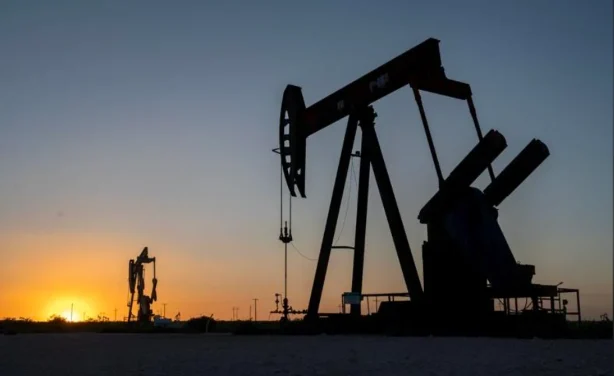
With fewer than three months remaining until the next U.S. presidential election, the nation’s energy landscape, particularly the vital Permian Basin, stands at a critical juncture. The outcome of this electoral contest and the energy policies championed by the victorious administration are poised to profoundly influence local economies, investment climates, and job markets across key oil and gas producing regions like West Texas and Southeastern New Mexico. This election cycle underscores a familiar tension between economic development fueled by traditional energy sources and the growing imperative for a transition to green energy, a debate that has become a recurring "political football" in American politics.
The Permian Basin: A Cornerstone of U.S. Energy Dominance
The Permian Basin, spanning parts of West Texas and Southeastern New Mexico, is not merely a regional economic engine; it is a global energy powerhouse. Responsible for approximately 40% of the total crude oil production and 15% of the natural gas production in the United States, its output is central to national energy security and international market stability. In 2023, the Permian’s average daily oil production exceeded 5.8 million barrels, a figure that continues to climb, demonstrating its critical role. This vast geological formation supports hundreds of thousands of direct and indirect jobs, from roughnecks and engineers to logistics specialists and service providers. The prosperity of communities like Odessa, Midland, and Carlsbad is inextricably linked to the health and regulatory environment of the oil and gas industry. Local tax revenues, funding schools, infrastructure, and public services, are heavily dependent on severance taxes and property taxes generated by energy companies.
Political Tides and Energy Policy: A Historical Overview
The interplay between national politics and the energy sector has a long and often contentious history. Since the 1980s, as Kirk Edwards, President and CEO of Latigo Petroleum in Odessa, notes, energy policy has become a highly politicized issue. Edwards, who has operated his company for decades, emphasizes that he is "no stranger to how politics nationally have affected how he conducts business," having witnessed policies swing in favor of and against fossil fuel development.
A Brief Chronology of U.S. Energy Policy Shifts:
- 1970s-1980s: Following the oil crises, there was a strong push for energy independence, leading to increased domestic exploration and the Strategic Petroleum Reserve’s creation.
- 1990s-Early 2000s: Environmental concerns began to gain more prominence, but domestic production remained a priority.
- Late 2000s-2010s (Shale Revolution): The widespread adoption of hydraulic fracturing (fracking) and horizontal drilling technologies dramatically transformed the U.S. energy landscape, unlocking vast reserves of shale oil and gas. This era saw a significant increase in domestic production, leading to discussions of "energy dominance."
- Obama Administration (2009-2017): While acknowledging the importance of natural gas as a "bridge fuel," the administration also invested heavily in renewable energy and implemented regulations aimed at reducing carbon emissions and methane leaks.
- Trump Administration (2017-2021): This period saw a concerted effort to roll back environmental regulations, promote fossil fuel production, and expedite permitting for energy infrastructure projects, aiming for maximum U.S. energy output and exports.
- Biden Administration (2021-Present): The current administration has prioritized climate change mitigation and a transition to green energy. While not banning fossil fuel production outright, it has imposed new regulations, paused new oil and gas leases on public lands and waters, and increased the costs associated with drilling permits and royalties.
The Biden Administration’s Green Energy Push and Regulatory Landscape
The current administration’s energy strategy is largely defined by its commitment to combating climate change and fostering a rapid transition to renewable energy sources. Key policies and actions include:
- Rejoining the Paris Agreement: Signaling a global commitment to climate action.
- Halting New Oil and Gas Leases on Public Lands: While existing leases and permits continued, the pause on new leases aimed to curb future expansion of fossil fuel extraction on federal territories.
- Increased Regulatory Scrutiny: The administration has imposed higher costs for drilling permits on public land and has explored increasing royalty rates. The Bureau of Land Management (BLM) introduced new rules in April 2024 to curb waste from oil and gas operations on public lands, including provisions for increased bonding requirements for wells.
- Investment in Renewables: Significant federal funding and incentives have been directed towards solar, wind, battery storage, and electric vehicle infrastructure through legislation like the Inflation Reduction Act. This includes tax credits and grants designed to accelerate the deployment of clean energy technologies.
- Emissions Reduction Targets: Setting ambitious goals to cut U.S. greenhouse gas emissions by 50-52% below 2005 levels by 2030 and achieve a net-zero economy by 2050.
For the Permian Basin, these policies have translated into increased operational costs and a degree of uncertainty regarding future federal land access. While much of the Permian’s production occurs on private lands, federal land regulations can still impact infrastructure, pipelines, and the broader investment climate.
The Trump Administration’s Deregulation and Production Focus
In stark contrast, the preceding Trump administration pursued a policy of "energy dominance" centered on maximizing domestic fossil fuel production and exports. Its approach was characterized by:
- Deregulation: A significant effort to reduce what it deemed "burdensome" environmental regulations, aiming to streamline permitting processes and lower compliance costs for energy companies.
- Promotion of Fossil Fuels: Actively encouraging oil, natural gas, and coal production, viewing it as essential for economic growth, job creation, and national security.
- Withdrawal from the Paris Agreement: A symbolic move to prioritize domestic economic interests over international climate accords.
- Expansion of Leasing and Drilling: Efforts to open up more federal lands and offshore areas for oil and gas exploration and development.
This approach was largely welcomed by the oil and gas industry, leading to increased investment and production, particularly in regions like the Permian. The reduction in regulatory hurdles and a supportive political climate fostered an environment where companies could expand operations with fewer governmental impediments.
The Shifting Landscape: Kamala Harris and the Evolution of Stance on Fracking
The dynamic nature of energy policy is perhaps best exemplified by the evolving positions of political figures. Democratic Presidential nominee Kamala Harris’s shifting stance on hydraulic fracturing (fracking) offers a compelling case study. While campaigning for president in 2020, Harris expressed support for a ban on fracking, aligning with a more progressive wing of her party concerned about its environmental impacts, including potential groundwater contamination and greenhouse gas emissions.

However, as the current election cycle progresses and with the geopolitical realities of energy supply and demand, her rhetoric has notably softened. Recently, while trying to sway voters in Pennsylvania – a state that is the second-largest producer of natural gas behind Texas, largely due to fracking in the Marcellus Shale – Harris has indicated a more pragmatic approach, acknowledging the role of natural gas in the current energy mix. This shift reflects the political necessity of appealing to voters in energy-producing states and the complex challenge of balancing climate goals with economic realities and energy security. The economic impact of a fracking ban in states like Pennsylvania and Texas would be immense, affecting thousands of jobs, billions in revenue, and consumer energy prices.
Economic Stakes in West Texas and Southeastern New Mexico
For the Permian Basin, the stakes of the upcoming election could not be higher. The region’s economy is highly sensitive to federal energy policies.
- Job Security: A shift towards more restrictive policies could lead to job losses in drilling, extraction, refining, and related service sectors. Conversely, a pro-fossil fuel stance could stimulate job growth. The oil and gas sector directly employs over 400,000 people nationally, with a significant concentration in Texas and New Mexico. Indirectly, millions more jobs are supported.
- Investment Climate: Regulatory certainty and a predictable policy environment are crucial for attracting long-term capital investment. Policies that increase costs or create uncertainty can deter investment, leading companies to scale back operations or relocate capital elsewhere.
- Tax Revenues: Local and state governments in Texas and New Mexico rely heavily on tax revenues from oil and gas production. A downturn in the industry directly impacts public services, education funding, and infrastructure projects. For example, Texas’s Rainy Day Fund, officially the Economic Stabilization Fund, is primarily fueled by oil and natural gas taxes.
- Local Businesses: Beyond the direct industry, a vast ecosystem of local businesses – restaurants, hotels, suppliers, real estate, and retail – thrives on the economic activity generated by oil and gas operations. Policy shifts can ripple through these sectors, affecting the entire community.
Kirk Edwards of Latigo Petroleum articulates the broad concern, stating, "This affects everybody in our population here, especially in Southeastern New Mexico and West Texas." His sentiment resonates across the region, where families and businesses plan their futures based on the stability of the energy sector.
Industry Perspectives and Broader Implications for U.S. Energy Security
From the industry’s vantage point, the upcoming election presents a choice between two distinct paths. Proponents of continued fossil fuel development emphasize energy independence, economic stability, and the global demand for reliable energy. They argue that prematurely curtailing domestic production would increase reliance on foreign oil, potentially from less stable regions, and could lead to higher energy costs for consumers. Industry groups often highlight the significant technological advancements that have made drilling more efficient and environmentally responsible, advocating for innovation over outright bans.
Conversely, environmental advocates and proponents of aggressive climate action argue that the long-term costs of climate change far outweigh the short-term economic benefits of fossil fuel production. They point to the urgency of transitioning to renewables to mitigate extreme weather events, sea-level rise, and public health impacts. They also argue that investments in green energy will create new jobs and drive future economic growth in sustainable sectors.
Implications for U.S. Energy Security:
- Global Influence: The U.S. has become a major energy producer and exporter, granting it significant geopolitical leverage. Policies that reduce domestic production could diminish this influence.
- Price Volatility: Reduced domestic supply, without sufficient renewable alternatives, could make the U.S. more vulnerable to global oil price shocks caused by international conflicts or supply disruptions.
- Grid Stability: The transition to renewables requires substantial investment in grid modernization and storage solutions to ensure reliability. Overly rapid or poorly managed transitions could compromise grid stability.
The Green Transition vs. Fossil Fuel Reliance: An Ongoing Debate
The core tension in U.S. energy policy remains the balance between existing fossil fuel infrastructure and the imperative of a green energy transition. The Permian Basin embodies this dilemma. While it is a powerhouse of traditional energy, it is also a region grappling with the future. Some energy companies in the Permian are beginning to invest in carbon capture technologies, renewable energy projects, and methane reduction efforts, recognizing the inevitability of a changing energy landscape.
However, the pace and scale of this transition are hotly debated. Advocates for a swift transition argue for aggressive government intervention, including subsidies for renewables and stringent regulations on fossil fuels. Those who favor a more gradual approach emphasize market-driven solutions, technological innovation, and the need to ensure energy affordability and reliability during the transition. The election will largely determine which philosophy guides national energy policy for the next four years.
Looking Ahead: Potential Outcomes and Their Ramifications
The outcome of the presidential election will send clear signals to the energy market and communities across the Permian Basin.
- A Second Trump Administration: Would likely signal a return to deregulation, an emphasis on maximizing domestic oil and gas production, and a potential reduction in green energy incentives. This would be largely favorable to the traditional energy sector in the Permian, potentially leading to increased investment and job growth, though it could face opposition from environmental groups and states with strong climate goals.
- A Second Biden Administration (or a Harris-led Administration): Would likely continue the push for green energy, with continued regulatory scrutiny on fossil fuels, further investment in renewables, and potentially more stringent emissions targets. This could create headwinds for new fossil fuel projects in the Permian, driving up costs and shifting investment towards alternative energy ventures. However, pragmatic considerations, as seen in Harris’s evolving stance on fracking, might temper the most aggressive policies, especially if energy prices rise significantly.
Regardless of who occupies the White House, the Permian Basin will remain a critical energy hub for the foreseeable future. The challenge for policymakers will be to navigate the complex interplay of economic necessity, environmental stewardship, and geopolitical realities to forge an energy strategy that serves both national interests and local communities. For residents and businesses in West Texas and Southeastern New Mexico, the upcoming election is not just about national politics; it is about the very foundation of their livelihoods and the future trajectory of their region.