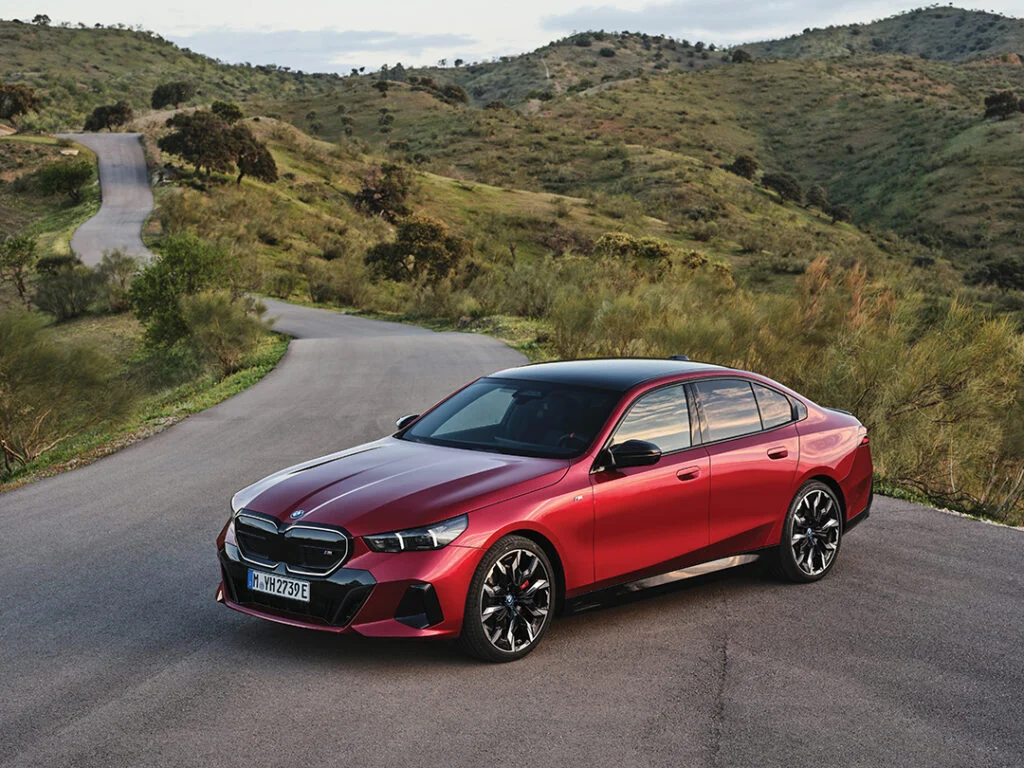
The 2026 BMW 550e xDrive represents a pivotal offering in the luxury sedan segment, deftly navigating the evolving landscape of automotive consumer preferences by delivering a compelling synthesis of exhilarating performance and remarkable fuel efficiency. As discerning buyers increasingly seek vehicles that transcend traditional compromises, the 550e emerges as a formidable contender, designed to cater to a broad spectrum of requirements without sacrificing the quintessential BMW driving experience. This latest iteration of the 5 Series, particularly in its plug-in hybrid electric vehicle (PHEV) guise, showcases BMW’s strategic commitment to electrification, providing a pragmatic yet thrilling solution for the modern motorist.
The Strategic Positioning of the 550e in the Luxury Market
In an era where automotive decisions are often multifaceted, encompassing budget, family dynamics, and specific operational needs—ranging from daily commutes to adventurous excursions—the BMW 550e is engineered to address a significant portion of these demands. While no single vehicle can universally satisfy every desire, such as navigating extreme off-road conditions, the 550e offers a distinctive combination that positions it as a ‘sweet spot’ in the market. It masterfully balances the instant torque and environmental benefits of electric propulsion with the long-range capabilities and robust power of a traditional internal combustion engine.
The luxury performance sedan market has long been dominated by vehicles that prioritize sheer power and speed, often at the expense of fuel economy. BMW’s M5, for instance, stands as an icon of this philosophy, boasting a turbocharged 4.4-liter V8 engine complemented by an electric motor, collectively generating an astounding 717 horsepower and 738 lb-ft of torque. This powertrain enables the M5 to catapult from 0 to 60 MPH in a blistering 3.4 seconds. However, such unparalleled performance comes with a premium price tag, with the M5’s base MSRP typically starting around $124,750, and a combined fuel economy rating often hovering around 13 MPG.
The 550e presents a compelling alternative for those who desire much of the M5’s performance pedigree but within a more accessible financial framework and with significantly enhanced operational efficiency. With a starting price of $73,400, the 550e is positioned as a substantially more attainable option. Yet, it does not compromise significantly on performance, achieving a 0-60 MPH acceleration time of four seconds flat. This marginal difference in acceleration, coupled with a substantial $51,350 reduction in MSRP, underscores the 550e’s value proposition.
During extensive testing, the 550e demonstrated an impressive average fuel consumption of 73.6 miles per gallon over a 200-mile journey. This remarkable efficiency was largely attributable to the vehicle’s 34 miles of all-electric battery range, which facilitated purely electric operation for routine local driving tasks when regularly charged overnight. The sophisticated turbo 3.0-liter inline-six engine, the core of its internal combustion powertrain, was observed to activate only once during a 104-mile round trip business excursion, highlighting the effectiveness of its electric-first operational strategy for many drivers.
Deep Dive into the 550e’s Advanced Powertrain
The heart of the 2026 BMW 550e xDrive is its advanced plug-in hybrid system, meticulously engineered to deliver both potent performance and exceptional efficiency. This system combines BMW’s renowned 3.0-liter twin-turbo inline-six engine with a highly integrated electric motor. The synergy between these two power sources results in a combined output of 483 horsepower at 5,000 RPM and a robust 516 lb-ft of torque, available from a remarkably low 1,750 RPM. This wide torque band ensures instantaneous responsiveness and strong acceleration across the rev range, characteristic of a true sports sedan.
The electric component of the 550e’s powertrain is powered by a high-voltage lithium-ion battery. While its specific capacity is not detailed in the provided information, its 34-mile all-electric range is a key indicator of its practical utility. This range is sufficient for many daily commutes and errands, allowing drivers to operate with zero tailpipe emissions in urban environments. The xDrive all-wheel-drive system ensures optimal traction and stability under varying road conditions, seamlessly distributing power between the front and rear axles, further enhancing both performance and safety.
Charging the 550e is designed for convenience, with the ability to replenish the battery overnight using a standard Level 2 (240V) home charger. This makes the daily "electric fill-up" a routine, cost-effective habit for owners. While public charging infrastructure continues to expand, the ability to rely on home charging for the majority of electric driving significantly contributes to the economic advantages of owning a PHEV. The inherent flexibility of a plug-in hybrid—the ability to utilize gasoline for longer journeys when the electric range is depleted—alleviates range anxiety, a common concern for drivers considering purely electric vehicles. This "best of both worlds" approach is a fundamental appeal of the 550e.
Comparing this to the M5’s PHEV setup, which also integrates an electric motor but primarily as a performance enhancer rather than an efficiency driver, reveals a fundamental philosophical difference. The M5, with its 29 miles of EV range and a combined fuel economy of 13 MPG, is unequivocally geared towards maximum performance. While a strategic motorist could potentially maximize its electric range for short trips, the inherent design and performance orientation of the M5 would necessitate a deliberate, "less fun light touch on the throttle" to achieve any meaningful fuel frugality. The 550e, by contrast, is engineered from the outset to offer a more balanced blend, making its impressive fuel economy a readily achievable outcome for its drivers.
Design Philosophy and Interior Innovation
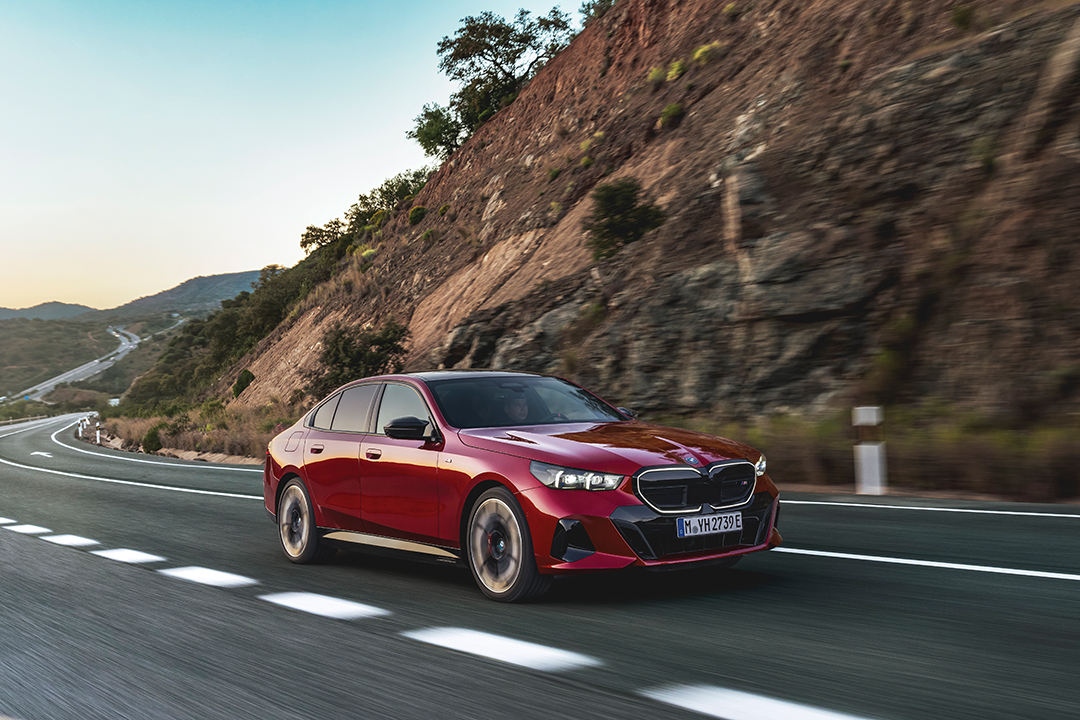
The 2026 BMW 550e projects a sophisticated and contemporary aesthetic, aligning with BMW’s latest design language for the 5 Series. Its "smart looking sedan" profile is enhanced by specific styling cues that hint at its advanced powertrain without overtly shouting "electric." The Vegas Red Metallic exterior, featured on the test vehicle, provided a dramatic visual contrast against the gloss black trim, which has largely replaced traditional chrome ornamentation. This modern touch contributes to a sleeker, more aggressive stance.
A prominent feature is BMW’s signature kidney grille, which on the 550e, particularly with the M Sport decoration package, incorporates an "Iconic Glow." This illuminated grille element adds a distinctive visual signature, especially at night, further differentiating it within the luxury segment. A subtle but significant design choice is the concealment of the exhaust pipes at the rear. This design decision, perhaps intended to subtly align the 550e with the visual identity of pure electric models, contributes to a cleaner, more futuristic rear fascia.
Inside, the 550e offers generous space, comfortably accommodating five adults, or four in enhanced comfort for extended journeys. This emphasis on passenger comfort underscores its dual role as a performance sedan and a practical family vehicle. The sweeping glass roof, while adding to the cabin’s airy feel, also presents a practical consideration regarding solar heat gain. BMW addresses this with intelligent climate control features, including the ability to pre-cool the interior remotely via the MY BMW app or automatically upon opening a door—a feature particularly appreciated by passengers.
The interior of the 550e is a testament to the digital revolution sweeping through the automotive industry. It is "resplendent with display screening," featuring BMW’s latest infotainment system, likely the iDrive 8.5 or iDrive 9, integrated into a curved display that seamlessly blends the instrument cluster and central touchscreen. While this digital real estate offers vast customization and information access, BMW has also judiciously retained a variety of physical knobs and controls on the steering wheel and center console. This blend aims to provide both tactile feedback for critical functions and the extensive capabilities of a touchscreen interface.
The complexity of modern automotive technology, however, can present a learning curve for users. The reviewer noted that a week might not be sufficient to fully grasp all the "access portals" and engage with BMW’s virtual assistant. This observation is echoed across the industry, with some consumers requiring multiple dealership visits for "switch and screen schooling," even those with extensive tech backgrounds. This highlights an ongoing challenge for automakers: balancing cutting-edge technology with intuitive user experience.
Dynamic Handling and Driving Experience
BMW’s engineering prowess in chassis dynamics is evident in the 550e, ensuring it remains "a perfectly fun sports sedan." The integration of the Dynamic Handling Package, a $2,200 option, further elevates the driving experience. This package includes adaptive suspension, which continuously adjusts damping forces to suit road conditions and driving style. This technology allows the 550e to seamlessly transition between a plush, comfortable ride for cruising and a firm, responsive setup for spirited driving, providing enhanced road control and passenger comfort.
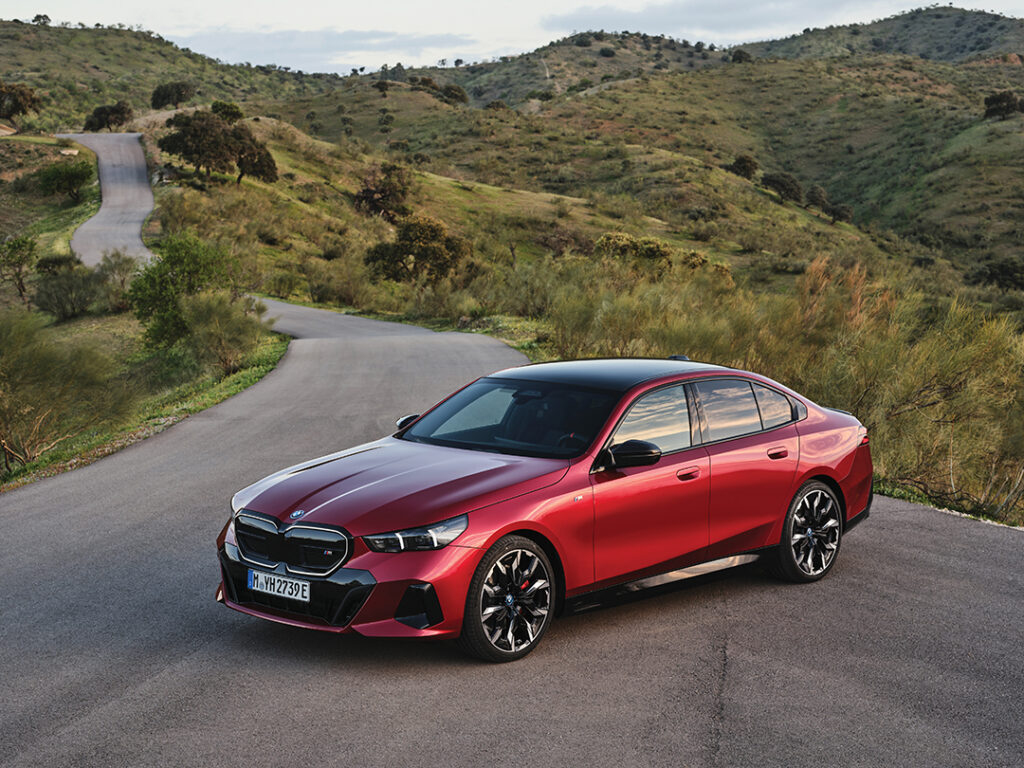
Complementing this is the $1,050 M Sport package, which enhances both aesthetics and performance. Beyond the distinctive M badging, this package often includes aerodynamic body elements, sport seats, and a sports steering wheel. Critically, it promises "superior braking" capabilities, essential for a vehicle capable of such rapid acceleration. The inclusion of staggered tires on 19-inch alloy wheels is another performance-oriented detail, providing optimized grip and handling characteristics, with wider tires at the rear for better power delivery and stability.
The harmonious balance between the powerful inline-six engine and the electric motor, coupled with the refined chassis and sophisticated suspension systems, delivers a driving experience that is both engaging and effortless. The electric motor provides instant torque for smooth, silent acceleration in urban settings, while the gasoline engine seamlessly engages when more power is required or when the battery charge is low. This seamless transition is a hallmark of well-engineered plug-in hybrids and a key factor in the 550e’s appeal. The xDrive all-wheel-drive system ensures that this substantial power is effectively translated to the road, providing confident handling and grip in diverse conditions.
Economic and Environmental Implications of PHEV Technology
The economic rationale for owning a plug-in hybrid like the 550e is robust. The observed average of 73.6 MPG for varied driving, combined with official ratings of 68 city/73 highway/68 combined MPGe (miles per gallon equivalent) for electric operation and 22 city/28 highway/25 combined MPG for gasoline, illustrates significant fuel savings potential. For drivers with access to home charging, the cost of "electric fill-ups" is typically substantially lower than purchasing gasoline, especially for daily commutes within the 34-mile EV range.
The review highlights a critical economic point: "electric fill-ups on the road are often more expensive than gasoline while plugging in at home is quite a value." This underscores the importance of home charging infrastructure for maximizing the financial benefits of a PHEV. Public charging networks, while convenient, often charge per kilowatt-hour at rates that can sometimes rival or even exceed the cost equivalent of gasoline, depending on regional electricity prices and network provider fees. Therefore, the 550e truly shines when its owner can consistently leverage low-cost home electricity for daily driving.
From an environmental perspective, the 550e contributes to reduced tailpipe emissions, particularly in urban areas where it can operate purely on electricity. This localized zero-emission driving helps improve air quality in densely populated regions. Over its lifetime, a PHEV generally has a lower carbon footprint than a comparable pure internal combustion engine vehicle, especially if the electricity used for charging comes from renewable sources. BMW’s broader electrification strategy, which includes offering a diverse portfolio of powertrains, acknowledges the transitional role of PHEVs in bridging the gap between conventional internal combustion engines and fully battery-electric vehicles.
BMW’s Broader Electrification Strategy
The introduction of models like the 550e is integral to BMW’s overarching electrification strategy. While the 550e is based on the current 5 Series architecture (G60), its advanced PHEV system demonstrates BMW’s ongoing commitment to developing flexible powertrain solutions. The company aims to offer customers the choice of internal combustion, plug-in hybrid, or full battery-electric powertrains across many of its model lines. This multi-pronged approach allows BMW to cater to varying global regulations, market demands, and consumer preferences during the transition to a fully electric future.
Industry analysts suggest that plug-in hybrids will continue to play a crucial role in the automotive market for the foreseeable future. They offer a practical stepping stone for consumers hesitant to fully commit to an EV due to range anxiety, charging infrastructure concerns, or simply a preference for the familiarity of gasoline engines for long trips. BMW officials have consistently emphasized their flexible architecture approach, stating that it allows them to adapt quickly to changing market dynamics and technological advancements. This strategy positions BMW to meet diverse consumer needs as the industry gradually shifts towards greater electrification.