

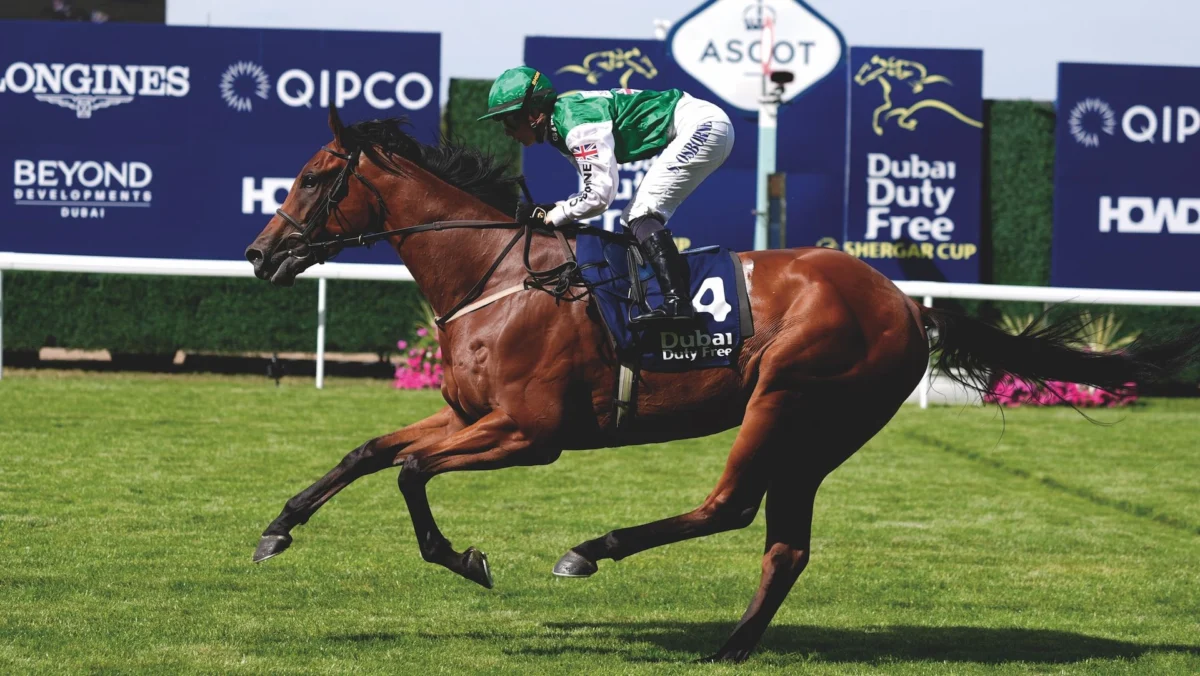
“This won’t change Joseph’s life, but it’s changed mine,” declared Saffie Osborne, her voice imbued with a mixture of elation and disbelief, moments after etching her name into the annals of British horseracing history. The 21-year-old jockey had just piloted the Joseph O’Brien-trained Highwayman to an astonishing victory in the St Leger Stakes at Doncaster, becoming the first woman ever to win a British Classic race. The monumental achievement, secured less than a week after she hadn’t even secured a ride for the prestigious event, marks a watershed moment for the sport, signaling a significant shift in a landscape traditionally dominated by male jockeys.
The Prestigious St Leger: A Pillar of British Racing
To fully appreciate the magnitude of Osborne’s triumph, one must understand the gravitas of the St Leger Stakes. Established in 1776 by Colonel Anthony St Leger, it is the oldest of Britain’s five Classic races, a quintet of contests that define the flat racing season. Alongside the 2,000 Guineas, 1,000 Guineas, Epsom Derby, and Epsom Oaks, the St Leger represents the pinnacle of three-year-old thoroughbred racing in the United Kingdom. Run over a distance of 1 mile, 6 furlongs, and 115 yards (approximately 2,921 meters) on Doncaster’s Town Moor, it is a demanding test of stamina, speed, and tactical acumen. The race often serves as the final leg of the Triple Crown, a rare and illustrious achievement requiring a horse to win the 2,000 Guineas, Epsom Derby, and St Leger in the same year. Its rich history is interwoven with royalty, iconic horses, and legendary jockeys, making a victory here a career-defining moment for any participant. For centuries, the winner’s enclosure at the St Leger has been almost exclusively populated by male jockeys, a testament to the historical gender imbalance within the highest echelons of the sport.
A Fortuitous Opportunity: From Spectator to Champion
The narrative surrounding Osborne’s victory is made all the more compelling by the serendipitous chain of events that led to her securing the ride on Highwayman. As late as the Monday preceding the Saturday race, Osborne was without an engagement for the St Leger, a testament to the intensely competitive nature of securing mounts in Classic races. The opportunity arose due to a late change in plans for the Joseph O’Brien stable. Details surrounding the exact circumstances remain largely private, but it is understood that the originally intended jockey became unavailable, opening the door for O’Brien to consider other options.
Joseph O’Brien, a former champion jockey himself and now a highly successful trainer, is known for his progressive approach and keen eye for talent. His decision to entrust the ride on Highwayman, a promising colt, to Saffie Osborne was a significant vote of confidence. Highwayman, owned by a syndicate, had shown consistent form throughout the season, hinting at untapped potential over longer distances. The call-up, which arrived mid-week, presented Osborne with a whirlwind of preparation. She would have immediately immersed herself in studying Highwayman’s previous races, understanding his running style, and discussing race tactics with O’Brien and his team. This compressed timeline added an extra layer of pressure and excitement to what was already the biggest opportunity of her burgeoning career.
Saffie Osborne: A Rising Star’s Journey
Saffie Osborne is no stranger to the world of horseracing. The daughter of prominent trainer Jamie Osborne and former international event rider Katie Osborne, she was immersed in equestrianism from a young age. Her early career saw her excel in eventing, representing Great Britain at junior level, before fully committing to flat racing. This diverse background in horsemanship undoubtedly contributed to her exceptional riding skills and deep understanding of equine psychology.
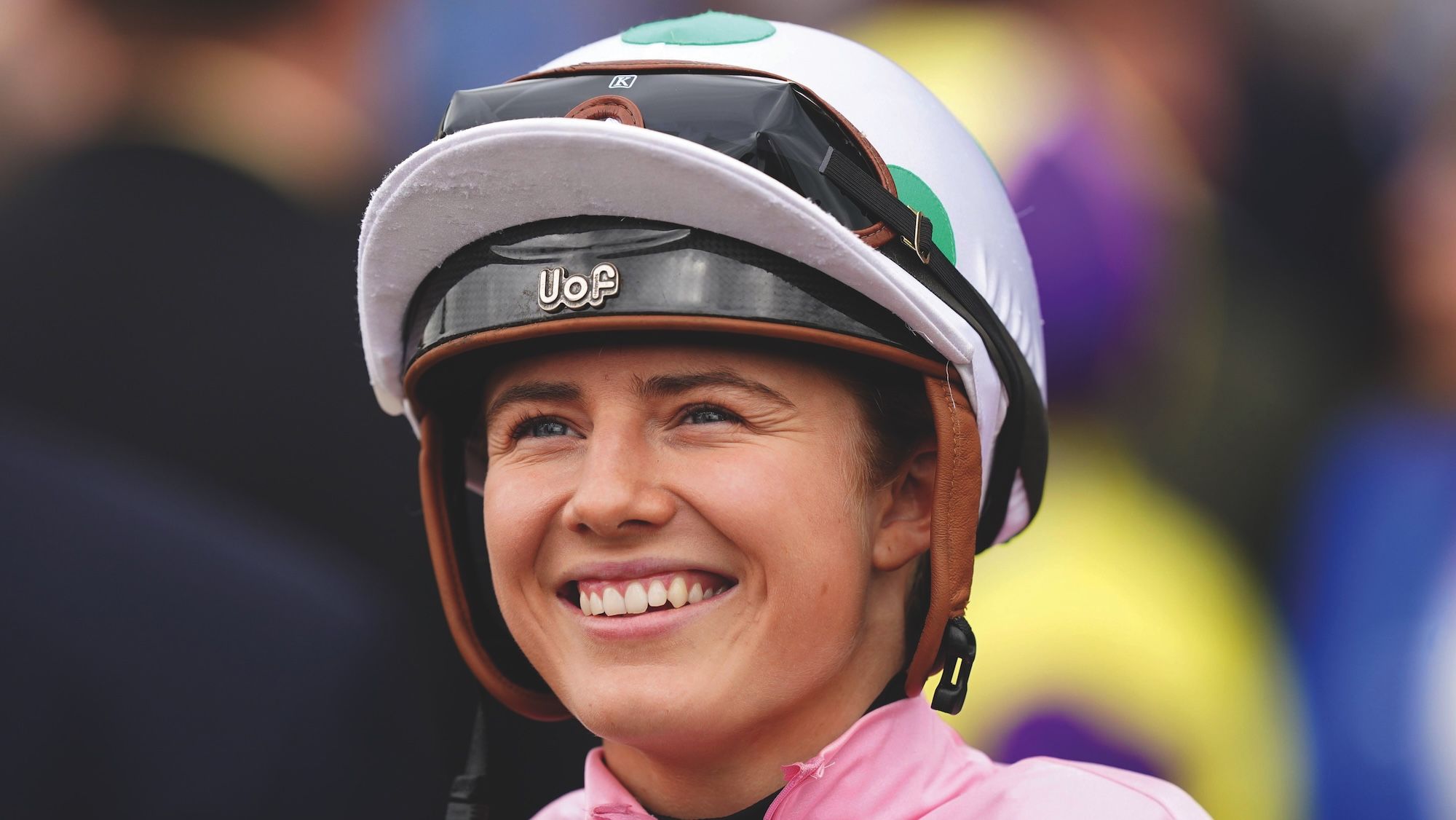
Her transition to professional jockeying has been marked by a rapid ascent through the ranks. Osborne quickly established herself as a formidable talent, showcasing a natural affinity for race riding, a strong tactical mind, and an unwavering determination. She has achieved considerable success, including notable wins at Royal Ascot and on the international stage, consistently demonstrating her ability to compete at the highest level. Her progression has been closely watched by industry insiders who recognized her potential to break barriers. However, a British Classic had remained an elusive goal for any female jockey, highlighting the sheer difficulty of not only securing a ride but also converting it into a victory against the sport’s elite.
The Historic Race at Doncaster
Saturday at Doncaster dawned with an air of anticipation, a vibrant crowd filling the stands, unaware that they were about to witness history. The St Leger field comprised a selection of the best three-year-old stayers, each horse and jockey vying for a place in racing folklore. As the horses paraded, Saffie Osborne cut a focused figure, her concentration unwavering despite the enormity of the occasion.
From the moment the stalls opened, Osborne demonstrated a masterful display of race riding. She settled Highwayman into a comfortable rhythm, conserving his energy in the early stages of the demanding long-distance contest. As the race progressed and the pace quickened, she expertly navigated through the field, positioning her mount optimally for the crucial run-in. With approximately two furlongs left to run, Osborne asked Highwayman for his effort. The colt responded gamely, finding an extra gear as he surged forward, eating into the lead of the front-runners. In a thrilling final furlong, Highwayman, under Osborne’s powerful and perfectly timed drive, found the necessary reserves to edge ahead, crossing the finish line a clear winner. The roar from the crowd was immense, initially one of excitement at a competitive finish, quickly transforming into an outpouring of recognition and applause as the significance of the victory became apparent.
Reactions from the Racing World
The immediate aftermath of the race was electric. Osborne’s raw emotion was palpable as she dismounted, her quote encapsulating the personal seismic shift her career had just undergone. "This won’t change Joseph’s life, but it’s changed mine," she reiterated to reporters, acknowledging O’Brien’s already stellar career while emphasizing the profound, life-altering impact of this win on her own trajectory. She spoke of her gratitude to Joseph O’Brien for the opportunity and to Highwayman for his incredible effort.
Joseph O’Brien, ever the composed professional, was effusive in his praise for Osborne. "Saffie gave Highwayman a magnificent ride. She’s a supremely talented jockey, and we had no hesitation in putting her on. She deserves all the accolades," he stated, highlighting the trust he placed in her abilities. His endorsement from a trainer of his caliber, a man who has won the St Leger as both a jockey and a trainer, carries significant weight within the industry.
The broader racing community erupted in congratulations. Fellow jockeys, including pioneers like Hollie Doyle and Hayley Turner who have also broken significant barriers in Flat racing, were quick to offer their well wishes, recognizing the collective stride forward for women in the sport. Leading trainers, racing pundits, and countless fans took to social media and traditional outlets to celebrate the historic achievement, emphasizing its importance beyond just the race itself. The British Horseracing Authority (BHA) and the Jockey Club issued statements acknowledging the landmark victory, underscoring its positive impact on the sport’s image and its commitment to diversity and inclusion. The sentiment was clear: this was not merely a win, but a moment of profound sporting and social significance.
Broader Impact and Implications for Women in Sport
Saffie Osborne’s St Leger victory transcends the confines of the racetrack, resonating deeply within the broader context of women in sport. For decades, female jockeys have faced significant hurdles in gaining access to top-tier rides and achieving mainstream recognition in Flat racing. While National Hunt racing has seen trailblazers like Rachael Blackmore conquer Grand Nationals and Gold Cups, Flat racing’s Classics had remained an unconquered frontier for women.
Osborne’s triumph dismantles a significant psychological and professional barrier. It sends an unequivocal message that talent, skill, and determination are paramount, regardless of gender. This victory is likely to have several far-reaching implications:
- Inspiration and Role Model: Osborne immediately becomes a powerful role model for aspiring female jockeys and young girls interested in equestrianism. Her journey from a late call-up to Classic glory will inspire countless individuals to pursue their dreams against traditional odds.
- Increased Opportunities: While progress has been made, female jockeys still receive a disproportionately smaller share of top rides compared to their male counterparts. This win will undoubtedly encourage more owners and trainers to consider female riders for high-profile races, leading to increased opportunities and a more equitable distribution of mounts.
- Shifting Perceptions: The win challenges outdated perceptions and biases that may still exist within parts of the racing community and among the public regarding female jockeys’ strength, stamina, or tactical prowess. It provides irrefutable evidence of their capability at the highest level.
- Media Attention and Sponsorship: The historic nature of the win will attract unprecedented media attention to Saffie Osborne and, by extension, to women’s racing. This increased visibility can lead to lucrative sponsorship opportunities, further professionalizing the careers of female jockeys.
- Enhanced Diversity and Inclusivity: The St Leger victory aligns with broader efforts within sports globally to promote diversity and inclusivity. It positions British racing as a forward-thinking sport, capable of evolving and embracing talent from all backgrounds.
From a statistical perspective, while the number of licensed female jockeys has steadily increased over the past decade, they still represent a minority of the professional riding ranks. Their percentage of total rides and wins, particularly in Group 1 races, has historically lagged significantly behind their male counterparts. Osborne’s victory is a powerful data point that will contribute to closing this gap, demonstrating that given the right opportunities, female jockeys can achieve the ultimate success. The St Leger, with its substantial prize money, also represents a significant financial boost, further cementing the professional standing of the jockey and the stable.
A New Chapter in Racing History
Saffie Osborne’s St Leger win aboard Highwayman is more than just a single race victory; it is a profound historical milestone. It represents the culmination of years of dedication, talent, and perseverance, not only for Osborne herself but for generations of female jockeys who paved the way. Her name will forever be etched alongside the greats in the record books, not just as a St Leger winner, but as the woman who broke one of British racing’s most enduring glass ceilings. As the dust settles at Doncaster, the racing world looks on with anticipation, eager to witness the next chapters in Saffie Osborne’s extraordinary career and the continued evolution of a sport that, thanks to her, has become undeniably more inclusive and inspiring.







