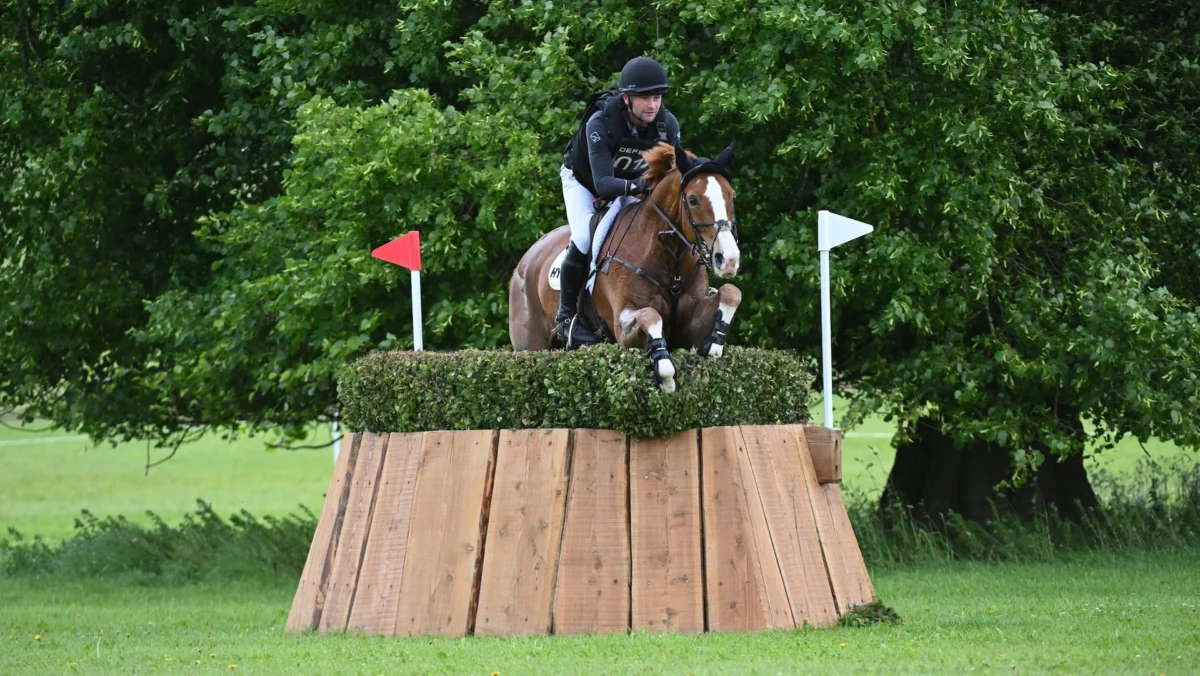
The equestrian community is in mourning following the untimely death of Night Prowler, a beloved event horse whose indomitable spirit and charismatic performances captured the hearts of legions of fans. The 11-year-old chestnut gelding, renowned for his "huge character" and a distinctive habit of competing with "a mouth full of flowers," succumbed to a severe bout of colic last week, leaving his heartbroken connections, owner Yvette Wheeler and rider Jack Mantel, to pay tribute to a truly exceptional athlete. Night Prowler had only recently stepped up to the challenging CCI4*-L level this season, demonstrating immense promise and a burgeoning career that was tragically cut short. His passing represents a profound loss, not only for his immediate team but for the broader sport of eventing, where his underdog story and vibrant personality made him a standout figure.
A Star Forged in Spirit: Night Prowler’s Rise Through Eventing Ranks
Night Prowler, often affectionately referred to by those who knew him as "Prowler," embodied the essence of an overachiever. Despite his modest stature, he possessed an extraordinary will to win and a flair for the dramatic that endeared him to spectators and judges alike. His unique quirk of picking and holding flowers in his mouth during competitions became a signature trait, transforming a potentially distracting habit into a charming display of his playful yet determined nature. This characteristic, coupled with his consistent performances against larger, more conventionally built horses, solidified his reputation as a horse of immense character and spirit.
The journey to the elite levels of eventing is a testament to years of dedicated training, meticulous care, and an unbreakable partnership between horse and rider. Night Prowler’s career trajectory reflected a careful and progressive development, typical of horses destined for the sport’s highest echelons. Starting in the lower levels of British Eventing, he steadily climbed the ranks, demonstrating consistent improvement across all three phases: dressage, cross-country, and show jumping. Each step up in difficulty, from Novice to Intermediate, then to Advanced and ultimately the prestigious four-star level, saw Night Prowler rise to the occasion, often exceeding expectations and proving that heart and talent can overcome physical disadvantages.
The Demands of CCI4*-L: A New Frontier
The 2024 season marked a significant milestone for Night Prowler and his team as he made his debut at the CCI4-L level. This designation, meaning a "Concours Complet International" (International Eventing Competition) at a four-star long format, signifies one of the most demanding tests in equestrian sport. A CCI4-L event spans several days and comprises three distinct phases, each designed to test different aspects of a horse’s athleticism, training, and temperament, as well as the rider’s skill and strategic acumen.
The competition typically begins with dressage, where horse and rider perform a pre-set sequence of movements in an arena. This phase judges the horse’s obedience, suppleness, rhythm, and the rider’s ability to communicate subtly and effectively. For a horse like Night Prowler, whose strength lay in his jumping prowess, achieving competitive dressage scores required immense discipline and refinement.
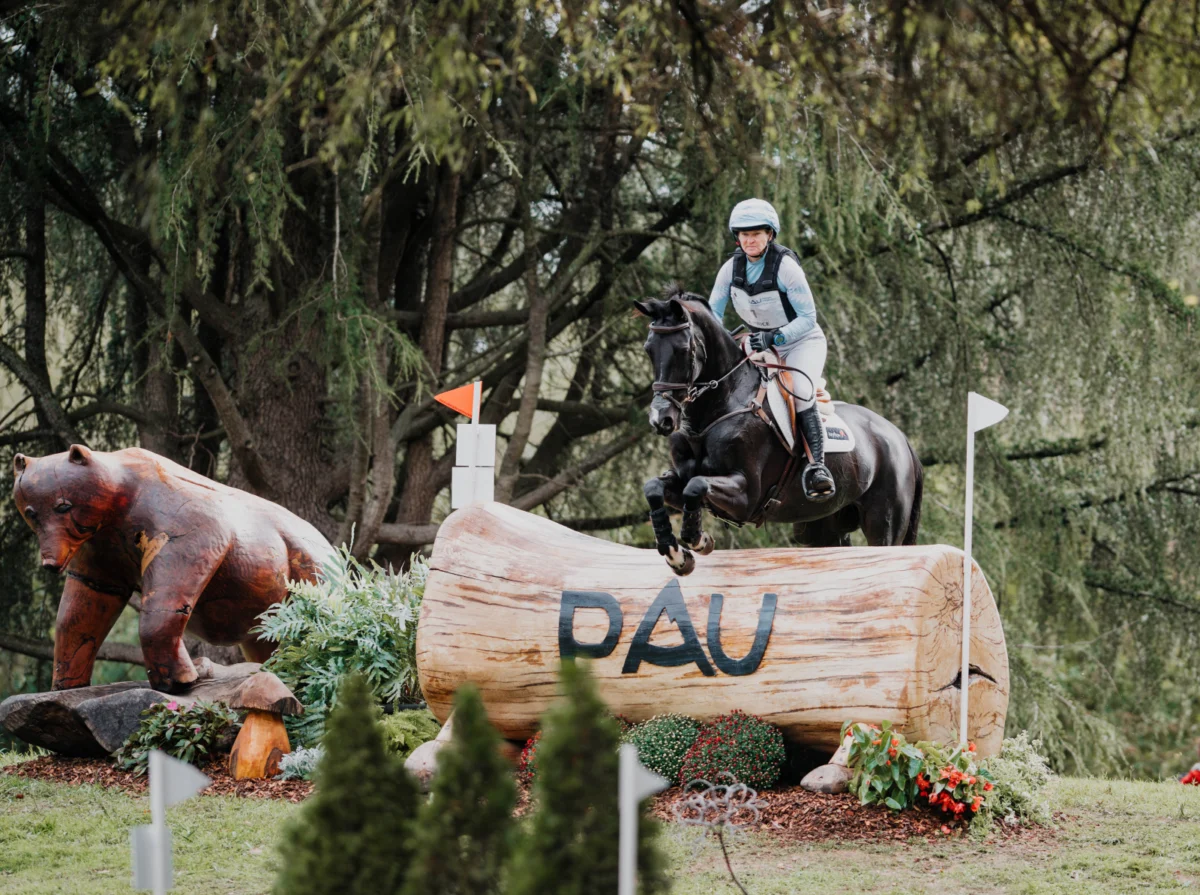
The most iconic and physically demanding phase is the cross-country. This involves navigating a course of fixed obstacles, often incorporating natural features such as ditches, water complexes, banks, and logs, designed to mimic challenges encountered in a natural hunting environment. The course is ridden against the clock, with penalties incurred for refusals, run-outs, falls, and exceeding the optimum time. The cross-country phase at a CCI4*-L event is renowned for its length and technicality, demanding exceptional fitness, bravery, and trust between horse and rider. Night Prowler’s "overachieving" spirit shone brightly in this phase, where his courage and agility allowed him to tackle formidable obstacles that might daunt a less determined horse.
Finally, the show jumping phase tests the horse’s agility, precision, and stamina after the exertions of cross-country. Riders must guide their horses over a course of knock-down fences within a time limit, with penalties for dislodging rails or exceeding the time. This phase is often decisive, as even a single rail down can significantly alter the final standings. Excelling in all three phases at the CCI4*-L level requires a truly versatile and exceptional athlete. Night Prowler’s successful progression to this level was a testament to his innate ability and the expert guidance provided by Jack Mantel and Yvette Wheeler.
Bramham Horse Trials: A Prestigious Stage
The mention of Bramham Horse Trials in connection with Night Prowler’s career provides crucial context to the significance of his achievements. Bramham International Horse Trials, held annually in Wetherby, West Yorkshire, England, is one of the most prestigious and challenging three-day eventing competitions in the world. It is a key fixture on the international eventing calendar, often serving as a proving ground for future champions and a vital preparation event for major championships like the European Championships, World Equestrian Games, and the Olympic Games.
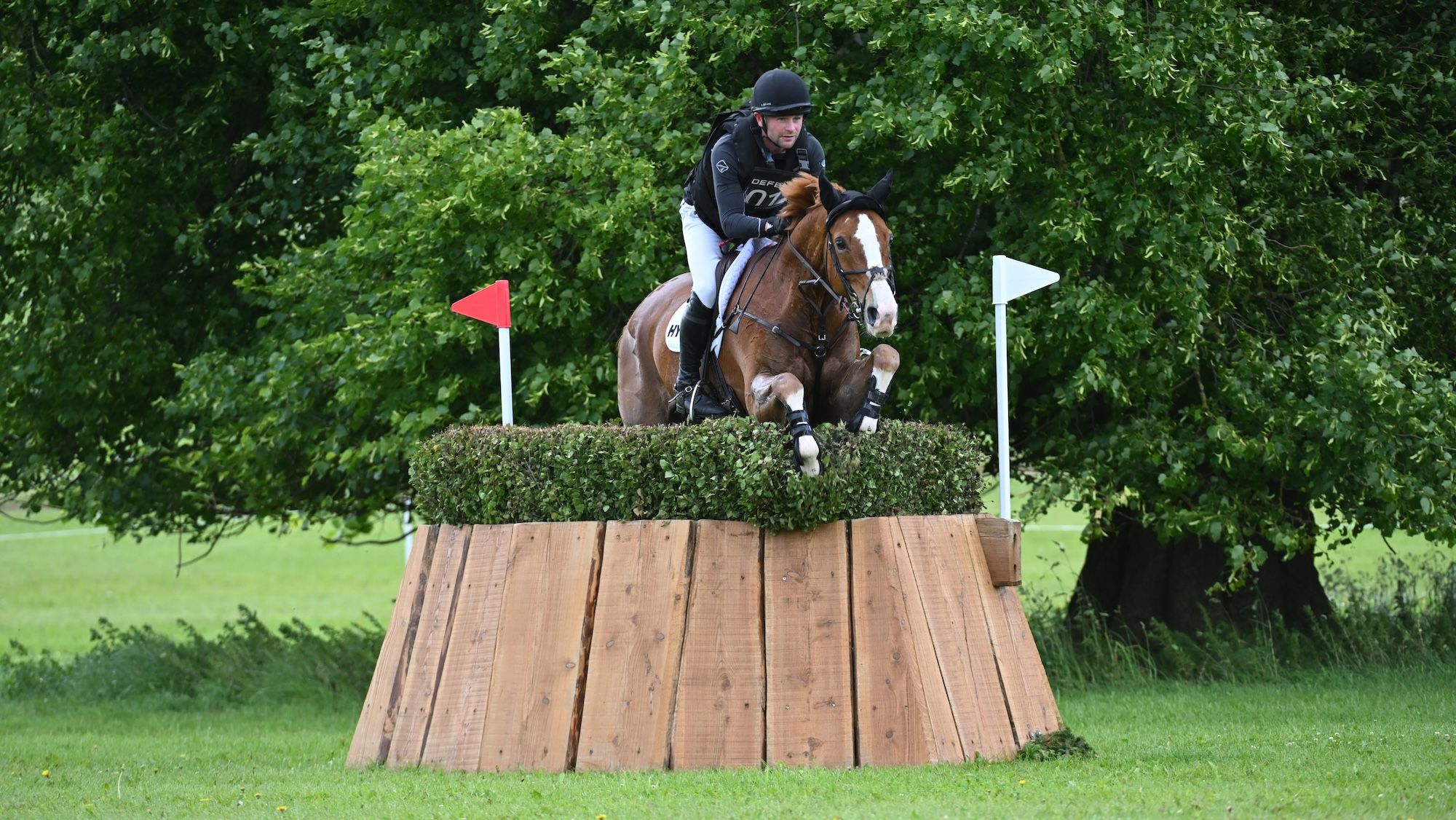
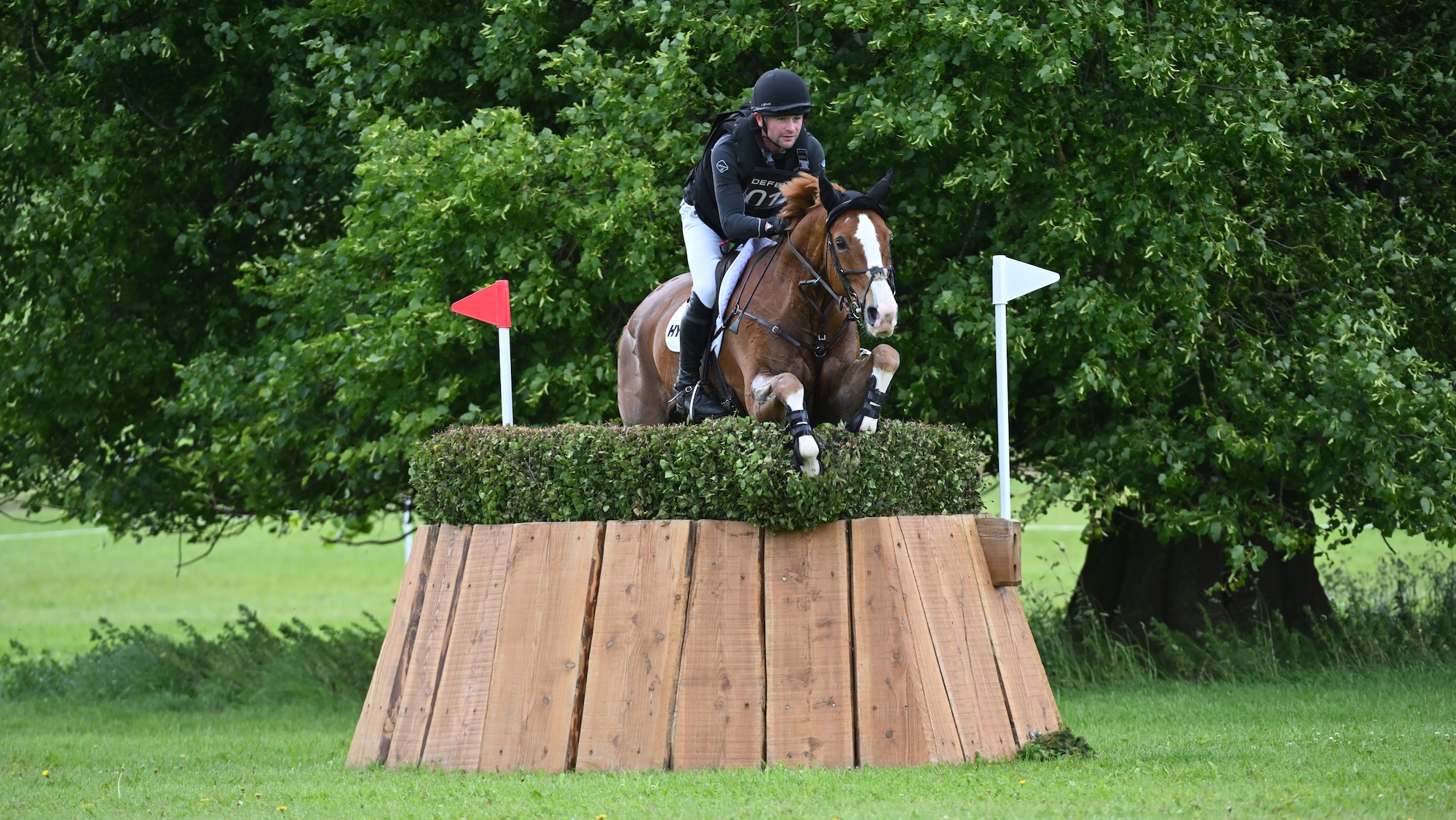
Bramham offers various classes, including CCI4-L and CCI4-S (short format), attracting top riders and horses from across the globe. The cross-country course at Bramham is particularly renowned for its demanding terrain and complex, beautifully designed fences that require immense scope, power, and intelligent riding. To perform well at Bramham is an accolade in itself, and Night Prowler’s presence and performances there underscored his quality and potential at the highest levels of the sport. The image of him jumping a corner at Bramham, a chestnut horse in full flight, encapsulates the energy and dedication he brought to his competitive life.
The Onset of Colic: A Sudden and Devastating Illness
The news of Night Prowler’s death due to severe colic sent shockwaves through the eventing community. Colic is a broad term describing abdominal pain in horses, and it is one of the most common and feared emergencies in equine veterinary medicine. It can manifest in various forms, ranging from mild discomfort to life-threatening conditions. While many cases of colic are mild and resolve with conservative medical treatment, severe forms can indicate serious underlying issues such as impactions, displacements, or twisting of the intestines, known as a volvulus or torsion.
When a horse develops severe colic, rapid diagnosis and intervention are critical. Veterinary teams often employ a range of diagnostic tools, including physical examinations, rectal palpation, nasogastric intubation, ultrasound, and blood tests, to pinpoint the cause and severity. In many severe cases, surgical intervention is the only option to save the horse’s life. However, even with surgery, the prognosis can be guarded, and the recovery process is often long and arduous, fraught with potential complications.
The decision to "let him go" is the most agonizing one an owner and veterinary team can face. It signifies that all possible medical and surgical avenues have been exhausted or deemed futile, and that the kindest course of action is to prevent further suffering. This difficult choice underscores the gravity of Night Prowler’s condition and the comprehensive efforts made by his connections and veterinary professionals to save him. The suddenness of such an illness, particularly in an apparently fit and healthy athlete, highlights the fragility of equine health and the ever-present risks associated with their delicate digestive systems.
Tributes and Shared Grief: The Emotional Toll
The outpouring of grief and tribute from Yvette Wheeler, Jack Mantel, and the wider equestrian community reflects the deep bond that forms between horses and their human partners. For Yvette Wheeler, Night Prowler was more than just a competition animal; he was a cherished companion and a source of immense joy and pride. Her role as an owner extends far beyond financial support, encompassing emotional investment, daily care decisions, and unwavering belief in her horse’s potential. The loss of such a unique and promising horse is akin to losing a family member, leaving an irreplaceable void.
Jack Mantel, as Night Prowler’s rider, shared an incredibly intimate partnership forged through countless hours of training, competition, and mutual trust. The rider-horse relationship in eventing is one of the most profound in sport, demanding perfect synergy, understanding, and courage from both parties. Mantel’s connection with Night Prowler would have been particularly special given the horse’s "huge character" and his tendency to "overachieve." Losing a partner of this caliber, especially one with whom he was just beginning to explore the highest levels of the sport, represents a devastating personal and professional blow. The shared dream of future successes at major championships, perhaps even representing their country, has now been extinguished.
Statements from both Yvette and Jack, though not explicitly provided in the original text, can be inferred to convey a mixture of profound sadness, gratitude for the time they had, and pride in Night Prowler’s accomplishments. They would undoubtedly speak of his spirited nature, his generosity, and the joy he brought to their lives and to all who watched him compete. Their tributes would likely emphasize his unique personality, particularly the endearing "mouth full of flowers" habit, which became a symbol of his individuality and zest for life. These personal reflections serve as a poignant reminder of the emotional depth inherent in equestrian sports.
Broader Implications and Horse Welfare in Sport
Night Prowler’s passing, while a personal tragedy for his team, also carries broader implications for the equestrian world. It serves as a somber reminder of the inherent risks in keeping and competing horses, even those in peak physical condition. Despite advancements in veterinary science and animal husbandry, horses remain susceptible to a range of acute conditions, with colic being a leading cause of mortality. This event highlights the constant vigilance required in equine care and the often-unpredictable nature of their health.
For the sport of eventing, such losses underscore the fragility of careers and the significant emotional investment made by all involved. Eventing, by its very nature, demands extreme athleticism and places horses under considerable physical stress, particularly during the cross-country phase. While Night Prowler’s death was attributed to colic, not a competition injury, it reinforces the ongoing dialogue within the sport about horse welfare, ethical training practices, and the balance between competitive ambition and the well-being of the equine athlete. Organizations like the FEI (Fédération Équestre Internationale) and national governing bodies continually review rules and guidelines to ensure horse safety, but incidents like this demonstrate that some risks are intrinsic to horse ownership.
Night Prowler’s story, from his humble beginnings to his rise as a four-star eventer, resonated deeply with fans. His "small horse, huge character" narrative championed the underdog spirit, inspiring many to believe that passion and determination can triumph over perceived limitations. His legacy will undoubtedly live on, not just in the memories of those who knew and loved him, but as an enduring symbol of courage, charm, and the profound connection between humans and horses in the demanding yet rewarding world of eventing. The equestrian community will remember Night Prowler not just for his competitive achievements, but for the indelible mark he left on their hearts, a spirited chestnut with flowers in his mouth, forever galloping across the fields of their memories.