The selection of appropriate pasture and paddock gates is a critical, yet often underestimated, component in the comprehensive development and management of equine farms. Far beyond mere barriers, these structures directly impact the safety of valuable livestock, the longevity of farm infrastructure, and the overall efficiency of daily operations. A thorough consideration of gate size, placement, material, and latching mechanisms is paramount for any horse farm owner aiming to establish a secure, functional, and cost-effective environment. This in-depth analysis explores the key factors that should guide these crucial decisions, drawing upon best practices and expert recommendations in equine facility design.
The Importance of Gate Size: Balancing Access and Structural Integrity
The dimensions of a pasture gate are not solely dictated by the immediate needs of horse containment. A vital, often overlooked, aspect is the requirement for access by essential farm machinery. Maintaining healthy pastures necessitates the regular use of equipment such as mowers, fertilizer trucks, aerators, and chain drags. To accommodate the passage of these vehicles and implements without undue strain or potential damage, a gate width of 14 feet is strongly recommended.
Standard gate widths of 12 feet often prove insufficient for the maneuverability of most trucks, leading to difficult and potentially hazardous entry and exit. Conversely, gates measuring 16 feet or greater introduce a new set of challenges. Their increased weight can lead to significant structural stress on hinges and posts, increasing the likelihood of sagging over time. This sagging not only affects gate functionality but can also create undesirable gaps that pose a safety risk to horses. The financial implications are also considerable, as wider and heavier gates typically carry a higher upfront cost and may require more robust, and thus more expensive, support structures. Therefore, the 14-foot standard represents a pragmatic compromise, ensuring adequate clearance for essential machinery while mitigating the structural and financial drawbacks of excessively wide or narrow gates.
Strategic Gate Placement: Optimizing Workflow and Minimizing Risk
The physical location of pasture gates plays a pivotal role in the daily management of horses and the overall flow of farm operations. Proximity to the barn is a primary consideration, as strategically placed gates reduce the time and effort required for bringing horses in from pasture or turning them out. This efficiency is particularly valuable during inclement weather or when adhering to strict feeding and exercise schedules.

However, the optimal placement extends beyond mere convenience. Understanding herd dynamics and environmental factors is crucial. As previously discussed in the context of mud management, gates should be situated in areas that do not collect standing water or serve as natural drainage channels. Waterlogged areas can lead to hoof ailments and create muddy, hazardous conditions around the gate, increasing the risk of slips and falls.
Furthermore, avoiding corner placements for gates is a key safety recommendation. Horses, especially when moving in groups or at speed along fence lines, can be startled or become disoriented. If a gate is located in a corner, a horse running towards it might perceive it as an unexpected obstacle, potentially leading to collisions or attempts to jump the fence. This can result in injury to the horse and damage to the fencing. Corner gates also tend to constrict the handling area, creating a bottleneck. When horses are vying for access, particularly if food is involved, this confined space can escalate into aggressive behavior, leading to injuries as horses jostle for position. Optimal placement, therefore, prioritizes accessibility, good drainage, and open, unobstructed access points away from fence line junctures.
Material Selection: Prioritizing Safety and Longevity
The choice of gate material is intrinsically linked to safety, durability, and cost-effectiveness, particularly for facilities housing high-value equine athletes. While simple wire construction with chain or wire latches may suffice for cattle pastures, it presents significant risks for horses. Horses can inadvertently get legs caught in wire openings, leading to severe injuries.
In regions like Central Kentucky, where equine operations are prevalent, metal gates are the prevailing standard. These range from lightweight aluminum to robust steel. For most horse pastures, particularly those housing valuable horses, a preference for sturdy construction that prevents limbs from passing through is paramount.
Square Steel-Framed Gates with Mesh Interiors: These gates are frequently cited as the preferred choice by equine facility experts. While they represent a significant upfront investment and can be heavier than other options, their design offers unparalleled safety. The mesh interior effectively prevents horses from getting legs caught in the gate structure, thereby mitigating a common source of serious accidents. The solid construction also contributes to their durability and longevity.

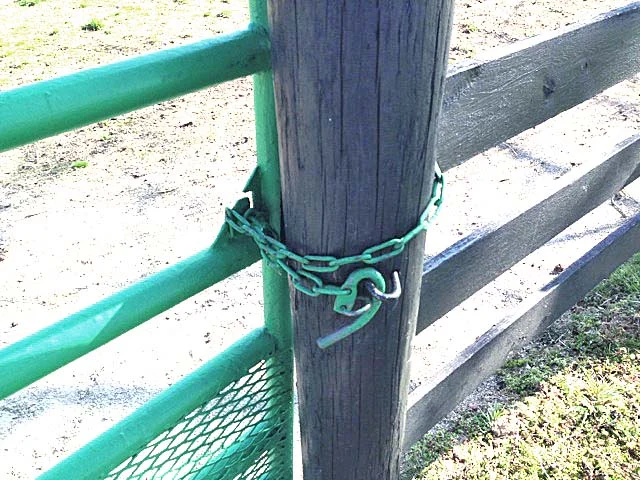
Rounded Tubular Stock Gates: For those unable to opt for mesh-filled gates, rounded tubular stock gates are a viable alternative. A configuration featuring five or six horizontal bars is generally recommended. To enhance safety further, adding mesh to the lower half of these gates is a highly beneficial modification. This dual approach combines the strength of tubular construction with the protective benefits of mesh, significantly reducing the risk of leg entanglement.
Considerations for Hinges and Posts: The structural integrity of the gate’s support system is as critical as the gate itself. The gate posts must be substantial, preferably heavier than standard fence posts, and securely set in concrete. This robust anchoring prevents the gate from sagging over time due to its weight and the forces exerted by horses.
Gap Management: The spacing between the gate and its posts, particularly on the hinge side, requires meticulous attention. Horses often exhibit anxious behavior around gates, especially when anticipating entry into the barn or pasture. Pawing at gates is common, and if the gap between the gate and the post is too wide, a horse can inadvertently insert a hoof, becoming trapped and unable to retract it. This scenario can lead to severe injuries. Therefore, minimizing this gap to the smallest practical dimension is a crucial safety measure.
Advanced Hinge Installation: A nuanced technique involves orienting the hinges to allow the gate to rest on the bottom hinge while the top hinge points downward. While this installation may present initial challenges and places greater stress on the bottom hinge, it significantly deters horses from lifting the gate off its hinges. This preventative measure addresses another common source of gate-related accidents, such as horses becoming entangled with protruding hinges.
The prevalence of serious accidents at gates—horses getting heads caught on hinges or latches, running into gates, or sustaining leg injuries from entrapment—underscores the importance of these detailed considerations. While not all incidents can be prevented, diligent design and installation practices can substantially mitigate risks.

Latches: Security and Ease of Operation
The latch mechanism on a pasture gate is the final point of interaction and therefore requires careful selection for both security and user convenience. A simple yet effective option is the Kiwi Latch. This type of latch is designed for one-handed operation, allowing for quick and easy opening and closing, which is invaluable in busy farm environments.
For enhanced security, the addition of a safety chain to the latch is a recommended practice. This provides an additional layer of containment, ensuring the gate remains securely fastened. While numerous latch designs are available, the Kiwi Latch, coupled with a safety chain, offers a practical and reliable solution that balances ease of use with robust security.
The selection and implementation of pasture gates are not merely logistical decisions; they are integral to creating a safe, efficient, and enduring equine facility. By prioritizing appropriate sizing, strategic placement, durable materials, and secure latching systems, farm managers can significantly enhance the well-being of their horses and the operational effectiveness of their operations. These considerations, when integrated into the initial farm development or renovation plans, contribute to a more secure and productive environment for both horses and their caretakers.