

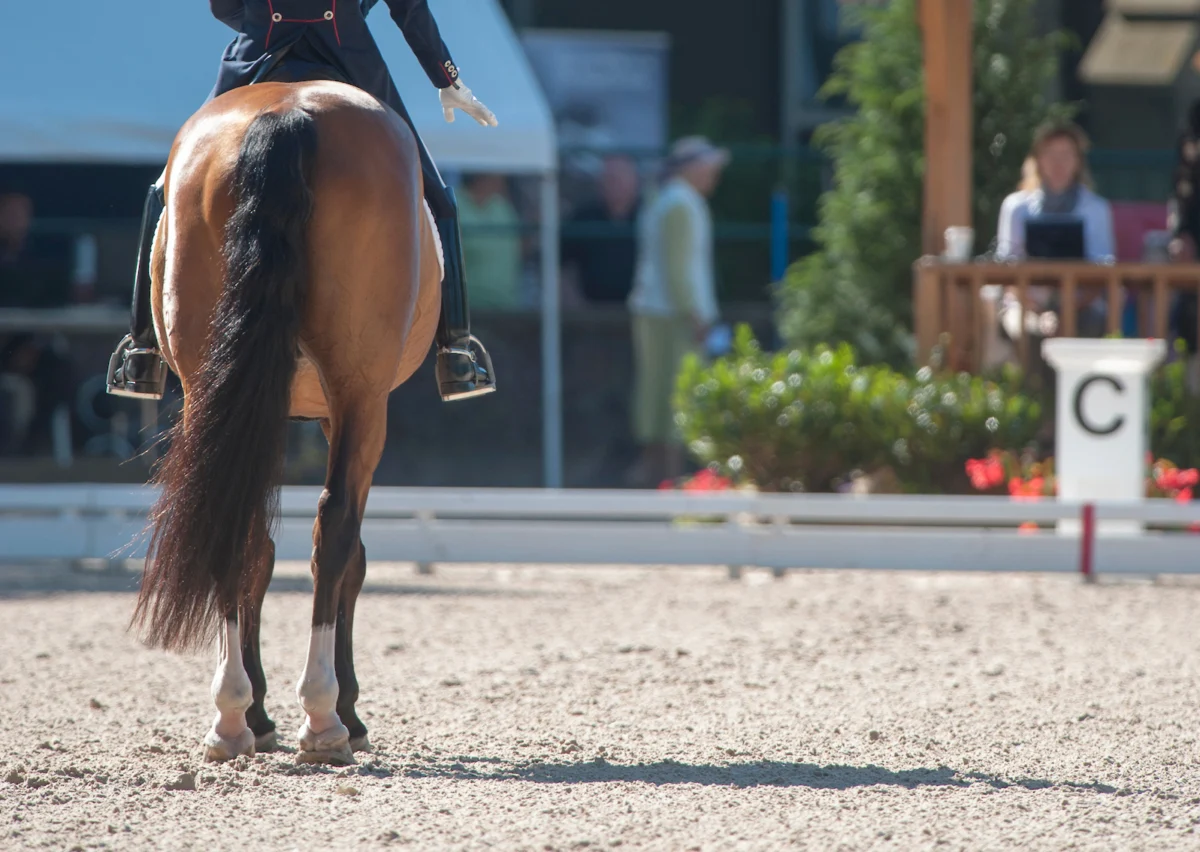
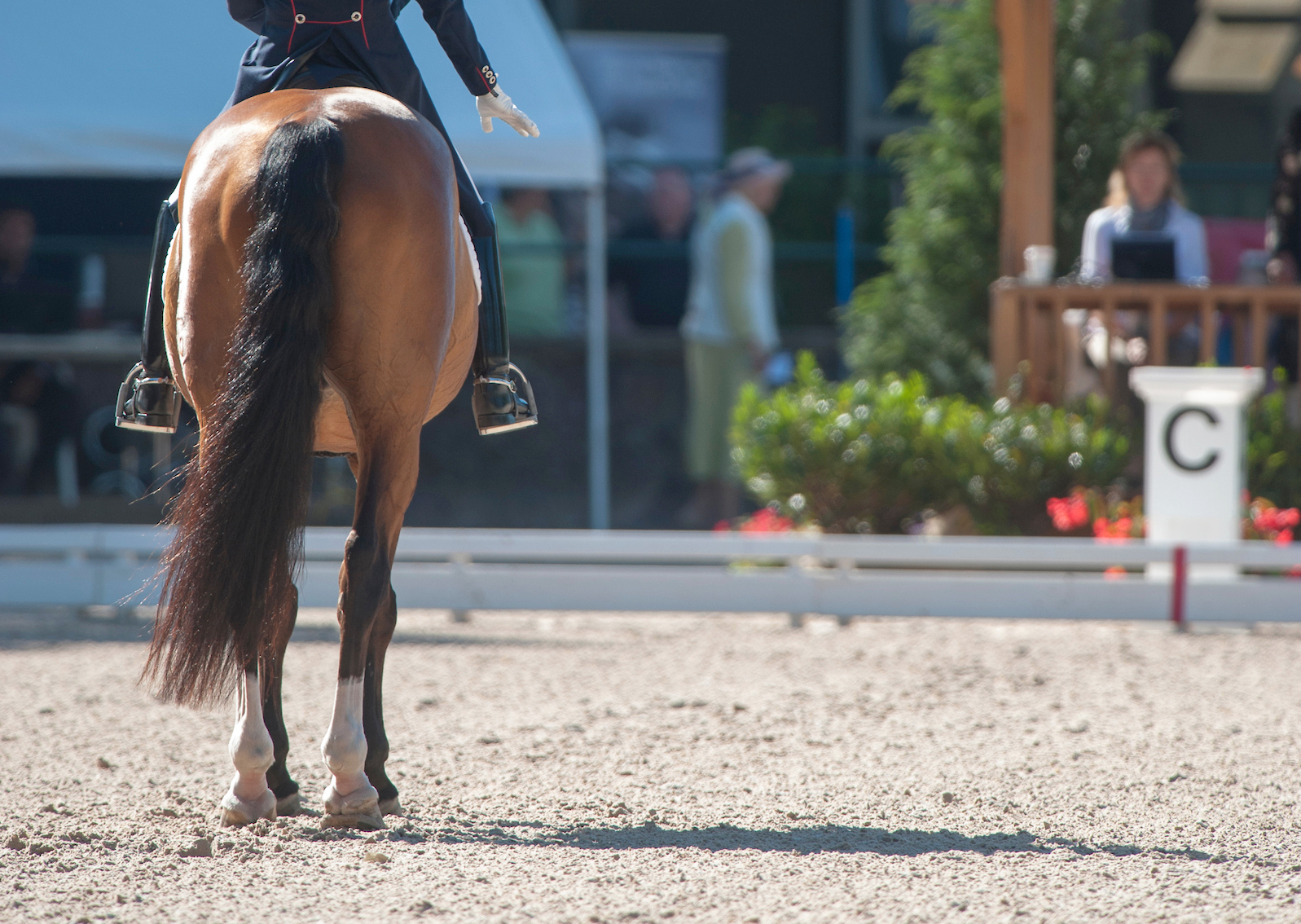
A common challenge for dressage riders at the First Level, and indeed across various levels of competition, is achieving a consistently straight and accurate centerline. This crucial element of a dressage test, often the first and last impression a judge receives, can significantly impact scores if not executed flawlessly. Debbie N. from Colorado highlights a prevalent issue: a tendency for her gelding to drift upon entering the centerline and to anticipate the halt, compromising the desired impression of partnership and gait quality. This article delves into the intricacies of training for a superior centerline, exploring the underlying reasons for common errors and offering expert strategies for practice and refinement.
The Root of the Centerline Challenge: Beyond Drilling Straightness
The pursuit of a perfect centerline is often misunderstood as a simple matter of repeatedly riding straight lines. However, experienced dressage trainers emphasize that true straightness is a byproduct of a horse’s responsiveness to aids and balanced physical development. "You definitely don’t get better at riding straight by drilling straight, straight, straight all the time," explains renowned dressage rider and trainer JJ Tate, a member of the esteemed Team Prac. "Instead, we get better at going straight by teaching our horses to properly bend and respond to the aids." This fundamental principle underscores the importance of developing a horse’s overall suppleness, strength, and understanding of subtle cues.
The core of the issue often lies in the horse’s education and physical condition. A horse that drifts or rushes through its tempo may be lacking in hindquarter strength and equal development. This imbalance can manifest as an uneven response to leg pressure, leading to deviations from the intended line. "You need to make sure you educate your horse, so he knows the correct response to the degree of leg pressure you apply," Tate advises. "Additionally, you need to make sure your receiving aids are there to collect your horse’s forward energy." This dual approach—ensuring the horse understands and responds to forward-driving aids while also being able to absorb and contain that energy—is paramount.
Effective Training Exercises for Enhanced Centerline Performance
To cultivate the necessary responsiveness and balance, Tate recommends a suite of exercises that build core strength and suppleness. Leg-yielding, leg-yield zigzags, and turns on the forehand are highlighted as essential tools. These exercises not only improve the horse’s ability to move laterally away from the leg but also encourage a more engaged hind end and a greater sensitivity to the rider’s aids.
The incorporation of shoulder-in on the centerline is also a powerful technique. Tate recalls her mentor, Charles de Kunffy, who consistently emphasized this exercise, even with young, less experienced horses. "Charles taught me that you have to get to the heart of the problem as to why your horse isn’t straight, and a lot of times it’s simply because he’s not equally strong and educated in his hind legs," she states. Shoulder-in demands that the horse be supple through its spine and engaged from behind, making it an excellent diagnostic and corrective exercise for centerline inaccuracies. The exercise forces the horse to step under its body with the hind legs, which is essential for maintaining straightness and balance.
The rider’s own position and aids play a critical role. A common pitfall is an uneven seat or imbalanced leg pressure, which can inadvertently cue the horse to drift. "The first two things I focus on in preparation for riding the centerline is making sure I’m sitting equally on both of my seat bones and that my horse is connected from his hind legs to the bit," Tate explains. Visualizing the centerline as a corridor, with the rider’s femurs as the roofline and calves as the walls, can help riders maintain a stable and centered position, guiding their horse within this defined space.
Addressing the Drift: The Impact of the Arena Rail
One of the primary reasons horses drift on the centerline is the reliance on the arena wall during their training. While the rail provides a natural boundary and can assist in maintaining straightness, it can also mask underlying issues with the rider’s outside aids. "When riding on the rail, horses will be responsive off the inside leg, but because the wall prevents them from swinging their hind ends to the outside, it’s easier to neglect making sure your horse is responsive off your outside leg," Tate observes.
When transitioning from the security of the rail to the open space of the centerline, this deficit in outside leg responsiveness becomes apparent. The horse, accustomed to the wall’s guidance, begins to drift. This is a clear indication that the rider has not effectively developed the horse’s ability to maintain straightness independently, potentially relying on the wall as a crutch.
To counteract this, Tate advocates for incorporating more centerline work off the rail during practice sessions. This forces the rider to engage both legs more evenly and heightens their awareness of the precise moment the horse begins to deviate. The exercise of practicing centerlines in open space not only highlights the need for balanced aids but also encourages the horse to develop a more independent balance and responsiveness.
Furthermore, an uneven distribution of strength between the rider’s legs or an imbalanced rein contact can contribute to drifting. If a rider consistently pulls more on one rein or has one leg that is less active, the horse may lean or drift towards the side of least resistance. Developing a nuanced understanding and application of both active aids (leg, seat, hands) and receiving aids (to channel energy) is crucial. Tate suggests testing active aids by ensuring the horse responds with an ear flick to a subtle inside leg cue, indicating attentiveness. Simultaneously, the horse should exhibit suppleness in its rib cage and engage its hindquarters. The receiving aids, channeled through the outside thigh, elbow, and ring finger, are vital for capturing and containing the horse’s energy, preventing it from "leaking" to the outside.
Preventing Anticipation: The Key to a Present Partner
Another common hurdle on the centerline is the horse’s tendency to anticipate the halt. This premature understanding of the test’s progression can detract from the overall impression of partnership and responsiveness. The solution lies in practicing transitions extensively and strategically, not just at the end of the centerline, but throughout.
Tate draws inspiration from her training experiences in Budapest, where extensive centerline work with frequent transitions was a cornerstone. "Before I trained with Gyula, I think I was almost saving the centerline for special events, my tests, and that didn’t work out very well," she admits. The principle is to desensitize the horse to the specific location of the halt and instead teach it to respond to the rider’s cues.
By incorporating numerous trot-walk-trot-halt transitions on centerlines and quarterlines during practice, riders train their horses to be attentive to the aids rather than the memorized pattern of the test. This cultivates a more engaged and responsive partnership, where the horse anticipates the rider’s cues, not the predetermined sequence of movements. Exercises like the leg-yield zigzag are also valuable for keeping the horse "on the aids" and preventing it from anticipating specific points in the test.
The strategic use of transitions on the centerline can also enhance the quality of the horse’s gaits. As a horse becomes more educated and stronger in its hindquarters, it can more readily transition between gaits with impulsion and balance. This allows for a more dynamic and expressive trot, which naturally aids in maintaining straightness and balance. The ability to transition smoothly between working trot and lengthened trot, for instance, demonstrates suppleness, engagement, and rider control, all of which contribute to a higher score. Ultimately, a stronger hind end and a horse that is truly "on the aids" will allow for more impulsion, suspension, and swing, leading to a more committed and accurate performance.
The Broader Implications for Dressage Training
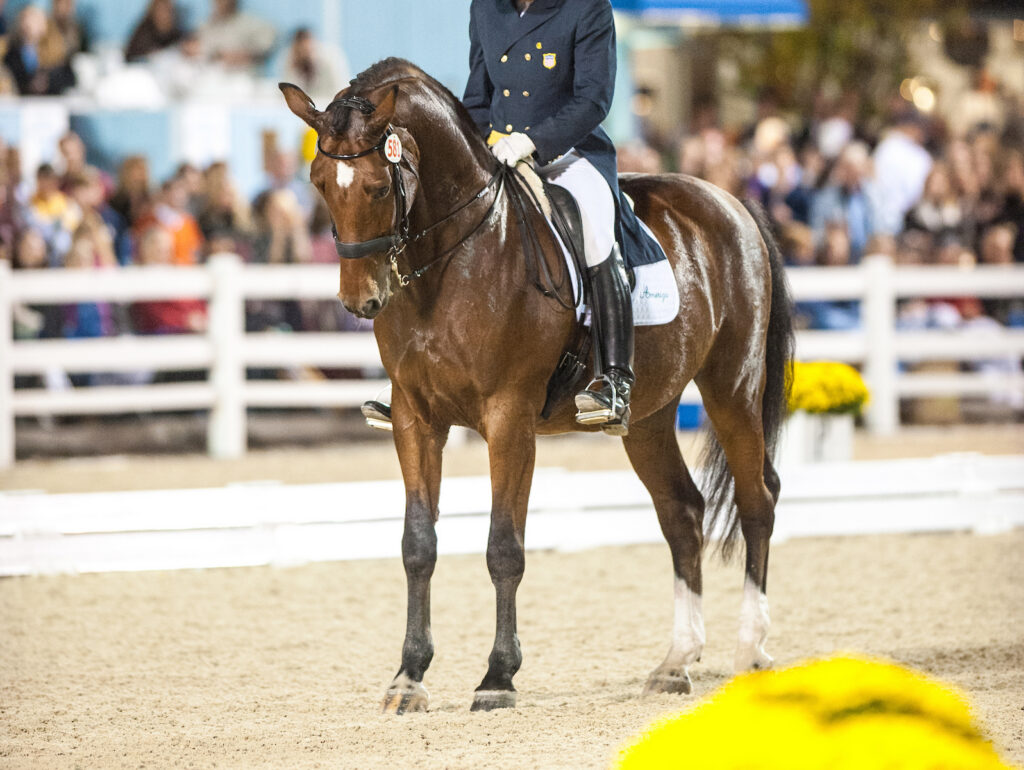
The challenges Debbie N. faces with her gelding are indicative of broader trends in dressage training. The emphasis on the centerline highlights the interconnectedness of various aspects of horsemanship. A horse’s ability to perform a straight centerline is not an isolated skill but a reflection of its overall training, physical condition, and the rider’s ability to communicate effectively.
The insights provided by JJ Tate and her mentors underscore a classical approach to dressage, prioritizing the horse’s well-being and understanding. The focus on developing hindquarter strength, suppleness, and responsiveness to aids is fundamental to producing a balanced and harmonious equine athlete. This approach not only leads to improved performance in the test but also fosters a deeper and more trusting partnership between horse and rider.
The data from competitive dressage consistently shows that accuracy, straightness, and clarity of aids are heavily weighted in scoring. Even minor deviations on the centerline can result in significant point deductions. For example, a First Level test typically includes a centerline that requires a halt and salute. Judges are looking for a horse that enters the centerline with balance and straightness, halts squarely and immovably, and salutes with attentiveness. Any drift or anticipation can lead to a score of 5 or 6, whereas a well-executed centerline might earn an 8 or higher. This difference can be pivotal in the overall outcome of a competition.
The strategies discussed—leg-yielding, turns on the forehand, shoulder-in, and varied transitions—are not merely test-specific drills but foundational exercises that build a solid dressage foundation. By consistently applying these techniques, riders can improve their horse’s suppleness, strength, and attentiveness, leading to more accurate and impressive performances across all levels of dressage. The pursuit of a perfect centerline, therefore, becomes a journey towards a more educated, responsive, and harmonious partnership, showcasing the true essence of classical dressage.
The Team Prac initiative, to which JJ Tate contributes, aims to disseminate such expert knowledge to a wider audience. By offering advice on common training dilemmas, Team Prac seeks to empower riders to overcome obstacles and achieve their full potential with their equine partners. The platform serves as a valuable resource for riders like Debbie N., providing actionable strategies rooted in decades of experience and a deep understanding of horse physiology and psychology. The long-term implication of such focused training is the elevation of the sport, producing horses that are not only technically proficient but also willing and happy partners in their equestrian endeavors.







