

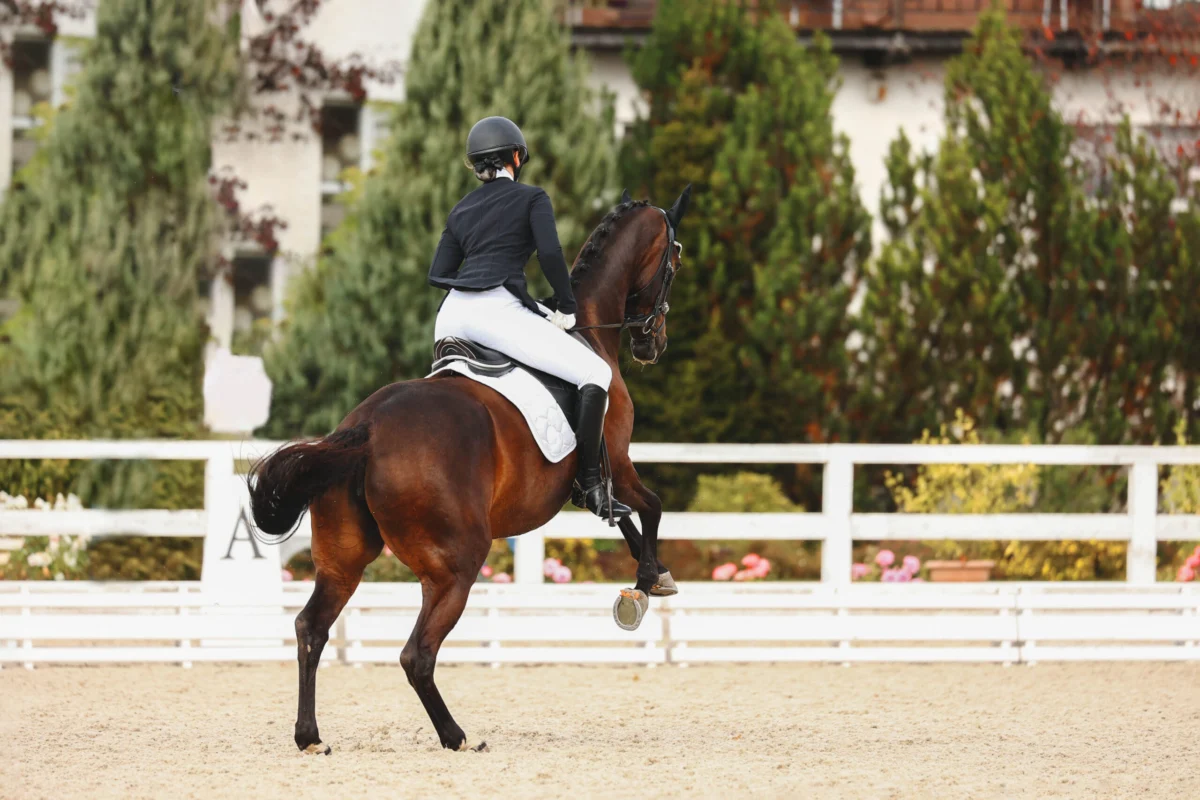
The question of whether and how to discipline a horse for perceived misbehavior, such as bucking, spooking, or ignoring rider aids, is a persistent concern for many equestrians. This issue, highlighted by rider Lisa C. from New York, touches upon a fundamental misunderstanding of equine psychology and learning principles. Rather than punishment, the focus in effective horse training should be on clear, timely, and consistent correction, a distinction that is crucial for building a strong and trusting relationship between horse and rider.
The core of the matter lies in the fundamental difference between human and equine cognition. Horses, unlike humans, do not possess the capacity for abstract reasoning or the understanding of concepts like "bad behavior" or "wrongdoing" in a moral or retrospective sense. Therefore, applying the human construct of punishment, which often involves retribution for past actions, is not only ineffective but detrimental to the learning process and the horse-human bond. As experienced equestrian and USDF gold medalist Jaime Amain explains, "The most important thing to understand is that the concept of punishment does not apply to horses and riding. You cannot punish a horse when you have a bad ride or something goes wrong. Instead, you correct the behavior." This assertion forms the bedrock of modern, science-based equine training methodologies.
Understanding the Horse’s Perspective: Pain, Discomfort, and Communication Breakdowns
Before any corrective action is considered, a thorough evaluation of the horse’s well-being is paramount. A horse’s refusal to comply with aids or a sudden display of unwanted behavior, such as bucking or bolting, can often be a direct manifestation of pain or discomfort. Equine physiology is complex, and subtle issues in the musculoskeletal system, particularly the back or legs, can lead to significant behavioral changes. A horse experiencing soreness in its back, for instance, might resist collection or respond negatively to leg aids that increase pressure in that area. Similarly, a subtle lameness or stiffness in a limb can cause a horse to balk or refuse to move forward as requested.
This self-preservation instinct is a natural response. When a horse is experiencing physical distress, its primary objective is to alleviate that discomfort. Ignoring these potential underlying issues and proceeding with corrective measures can exacerbate the problem, both physically and psychologically. For instance, a horse repeatedly being corrected for not moving forward when it has an undiagnosed stifle issue might develop a deeper aversion to aids and a heightened sense of frustration.
Data from veterinary studies consistently show a strong correlation between physical ailments and behavioral problems in horses. A study published in the Journal of Equine Veterinary Science in 2018 found that over 60% of horses exhibiting common behavioral issues like bucking, rearing, and disobedience had identifiable underlying pain conditions. This underscores the critical need for a veterinarian to examine any horse exhibiting persistent or sudden behavioral changes before attributing them solely to training or rider error.
The Chronology of Correction: The Three-Second Rule
Effective correction hinges on precise timing. For a horse to understand the connection between its action and the rider’s response, the correction must be immediate. This is often referred to as the "three-second rule." If a correction is delivered more than three seconds after the undesirable behavior occurs, the horse will likely not associate it with its previous action. Instead, it will perceive the rider’s response as arbitrary and without cause. This disconnect can lead to confusion, fear, and a breakdown in trust, ultimately damaging the relationship.
Imagine a scenario where a rider is displeased with their horse’s lack of responsiveness during a ride. If they wait until after the ride to express their frustration through a harsh correction, the horse will have no context for this punishment. From the horse’s perspective, the rider is simply becoming agitated for no apparent reason, which can create anxiety and a reluctance to engage with the rider in future interactions. This principle aligns with operant conditioning, where reinforcement or punishment must be contiguous with the behavior to be effective.
The Nature of the Correction: Clarity and Consistency
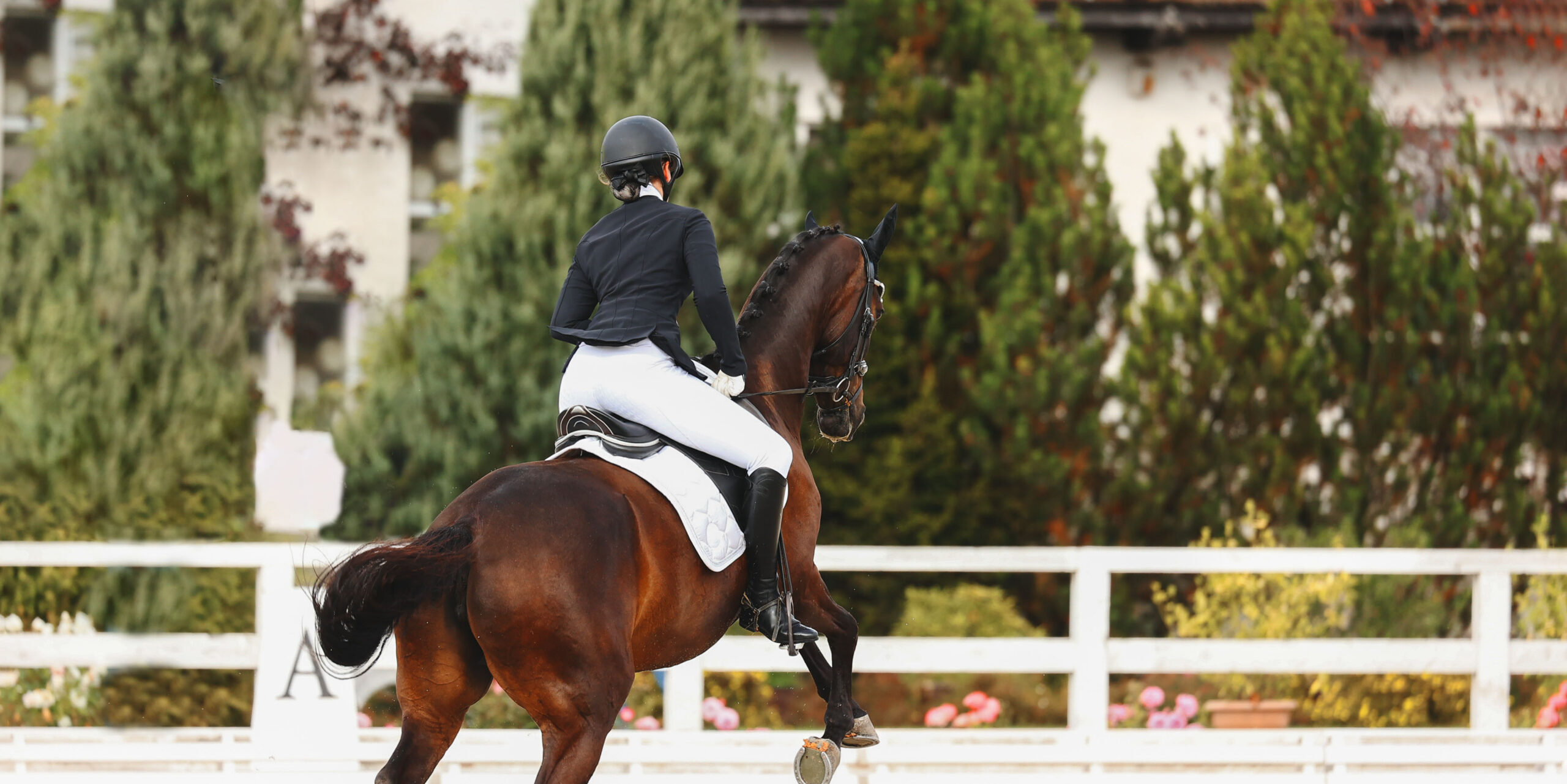
The form of correction should be tailored to the specific behavior and the horse’s reaction. It is not about inflicting pain or dominance, but about clarifying the rider’s aids and re-establishing communication.
H2: Clarifying Rider Aids: The Foundation of Effective Correction
The initial step in addressing a horse’s non-responsiveness is to examine the rider’s own aids. Are they clear, consistent, and correctly applied? A horse’s failure to respond might stem from the rider’s signals being ambiguous or improperly timed. For example, a rider might believe they are applying a clear leg aid, but it could be too subtle, too late, or incorrectly positioned for the horse to interpret.
"The first thing to do is to understand and try correcting the aids and signals you physically gave to your horse," advises Amain. "Once you correct this rider-to-horse translation, your continuous conversation will become easier." This emphasizes that the dialogue between horse and rider is a two-way street. If the horse isn’t understanding, the rider must first reassess their own communication. This might involve going back to basic exercises, such as upward and downward transitions, to ensure the horse is attentive and responsive to the leg aids. A consistent, forward-moving response to the leg is the fundamental building block for all further training.
H2: The Spectrum of Correction: From Half-Halt to Leg Aids
The appropriate correction can range from subtle to more assertive, depending on the situation:
-
The Half-Halt: A well-executed half-halt is a powerful tool for regaining a horse’s attention and rebalancing. It involves a momentary, coordinated application of the rider’s seat, legs, and hands, which encourages the horse to engage its hindquarters and lighten its forehand. In many cases, a sharp but correct half-halt can effectively interrupt unwanted behavior and bring the horse back to the rider’s aids without any harshness. This is particularly useful for a horse that is becoming unfocused or drifting in its gait.
-
Leg Aids: When a horse is not moving forward or is ignoring the leg, a more direct leg aid might be necessary. This could involve a firmer squeeze or a tap with the heel. The key is that this aid should be applied with the intention of encouraging forward movement, not as a punishment for not moving. It’s about reinforcing the expectation that the leg aids mean "go forward."
-
The Whip: The riding whip, when used correctly, is an extension of the rider’s leg. A light tap on the horse’s flank can serve as a stronger signal when the leg aid alone is insufficient. It is crucial that the whip is used as an aid to encourage, not to intimidate or punish. A harsh smack or a lashing motion can easily be misinterpreted as aggression and create fear. The goal is to add emphasis to the rider’s intended message.
H3: Addressing Spooking: Focus and Confidence Building
Spooking, a common behavior, is often rooted in fear or surprise. A horse reacting to an inanimate object, like a plastic bag or a shadowy corner, is not being defiant; it is genuinely startled. In such instances, punishing the horse for being scared is counterproductive. It can escalate the fear and lead to a horse that is not only spooky but also afraid of its rider.
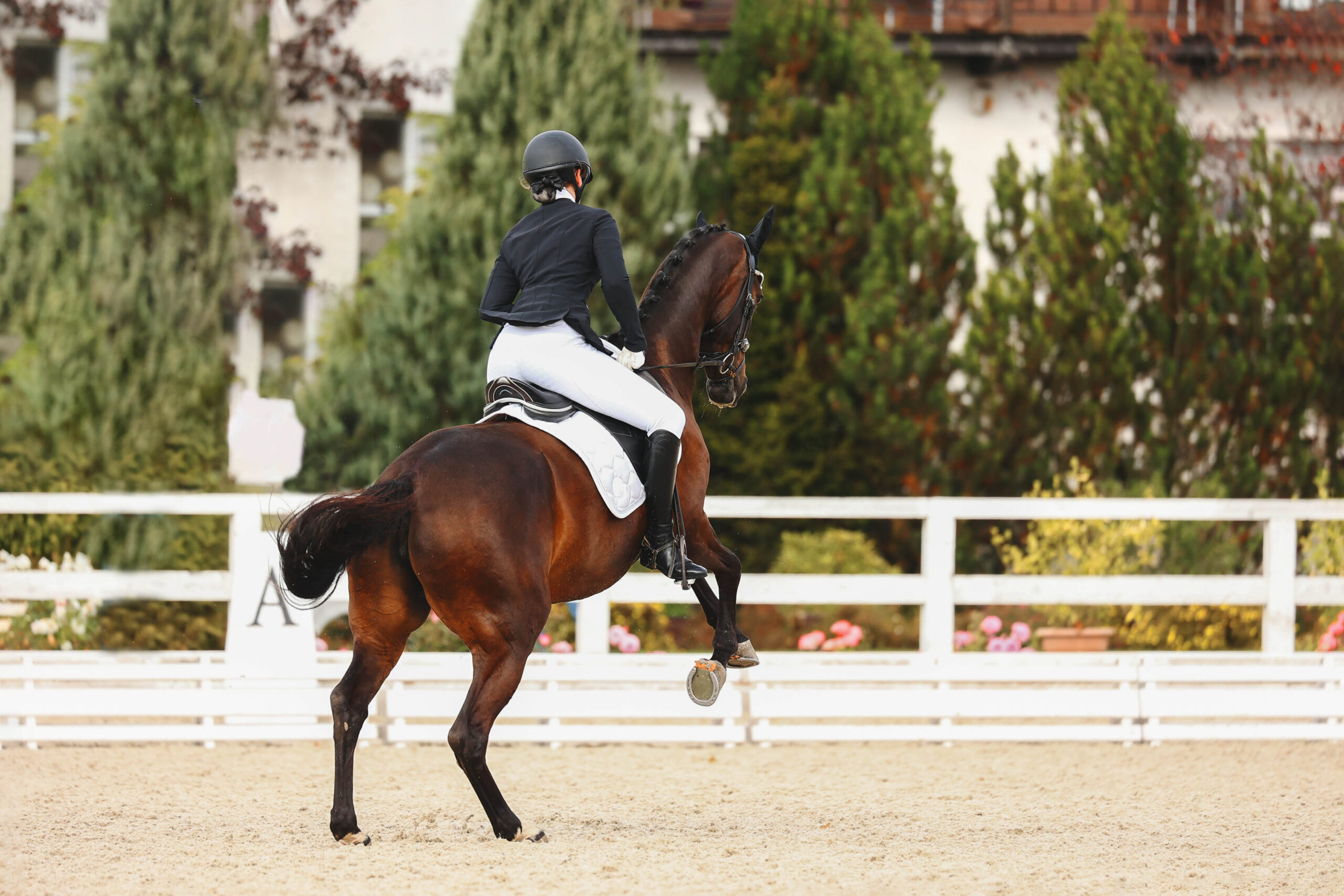
The correct approach involves redirecting the horse’s attention and building its confidence. "For example, with a spooky horse your goal should be to have his focus entirely on you and not on the scary flowers next to him," states Amain. This is achieved through clear aids that demand the horse’s attention and a change in routine. Instead of punishing the spook, the rider should use their aids to bring the horse’s focus back to the task at hand, perhaps asking for a simple maneuver like a turn or a halt. This process teaches the horse that it can rely on the rider for guidance and that the rider will help it navigate its fears.
H3: The Implication of Misguided Punishment
The consequences of applying punitive measures instead of corrective ones can be severe and long-lasting. A horse that is consistently punished for behaviors it doesn’t understand can develop:
- Learned Helplessness: The horse may become apathetic and unresponsive, having learned that its efforts to comply or understand are met with negative consequences.
- Increased Fear and Anxiety: Repeated harsh corrections can lead to a horse that is constantly on edge, fearful of the rider and the riding environment.
- Aggression: In some cases, a horse pushed to its limits by perceived mistreatment might resort to defensive aggression, such as biting or striking, to protect itself.
- Loss of Trust: The foundation of any successful equestrian partnership is trust. Punishment erodes this trust, making the horse reluctant to engage with the rider and increasing the likelihood of future behavioral issues.
H2: The Power of Positive Reinforcement and Ending on a Good Note
Beyond timely and appropriate correction, modern training philosophies increasingly emphasize the role of positive reinforcement. This involves rewarding desired behaviors, making them more likely to be repeated. While not explicitly detailed in the original query, it’s a crucial component of a well-rounded training program.
Even within a corrective session, it’s vital to end on a positive note. If a horse has struggled with a particular exercise, but then demonstrates even a small improvement, the rider should acknowledge and reward that improvement. "Correcting the behavior can be done with small steps, too, such as ending on a good note, even if it is a small one," Amain suggests. This reinforces the learning process and maintains the horse’s motivation and confidence. Ending a ride with a successful maneuver, however small, leaves the horse with a positive impression of the interaction.
"In order to improve as a rider and gain confidence in both yourself and your horse, always end on a positive note," concludes Amain. This philosophy not only benefits the horse but also significantly contributes to the rider’s own confidence and skill development. By shifting the paradigm from punishment to clear communication and understanding, equestrians can foster stronger, more harmonious partnerships with their equine partners, leading to more enjoyable and successful riding experiences for all involved.
H2: About Jaime Amain: A Legacy of Expertise
Jaime Amain, the expert offering guidance on this matter, is a distinguished figure in the world of dressage. His impressive career is marked by a USDF gold medal, signifying a high level of achievement and mastery in the discipline. Amain’s foundational training began in Spain under the tutelage of Juan Manuel Munoz Diaz, a respected figure in dressage. He furthered his education in Germany, a country renowned for its rigorous equestrian training standards. Upon receiving his German FN Bereiter’s license, a testament to his professional qualifications, Amain spent nearly three years riding for Klaus Balkenhol, an Olympic gold medalist and highly influential trainer. This extensive background provides him with a deep and nuanced understanding of equine behavior, training, and the rider-horse relationship, lending significant weight to his advice on these sensitive topics.







