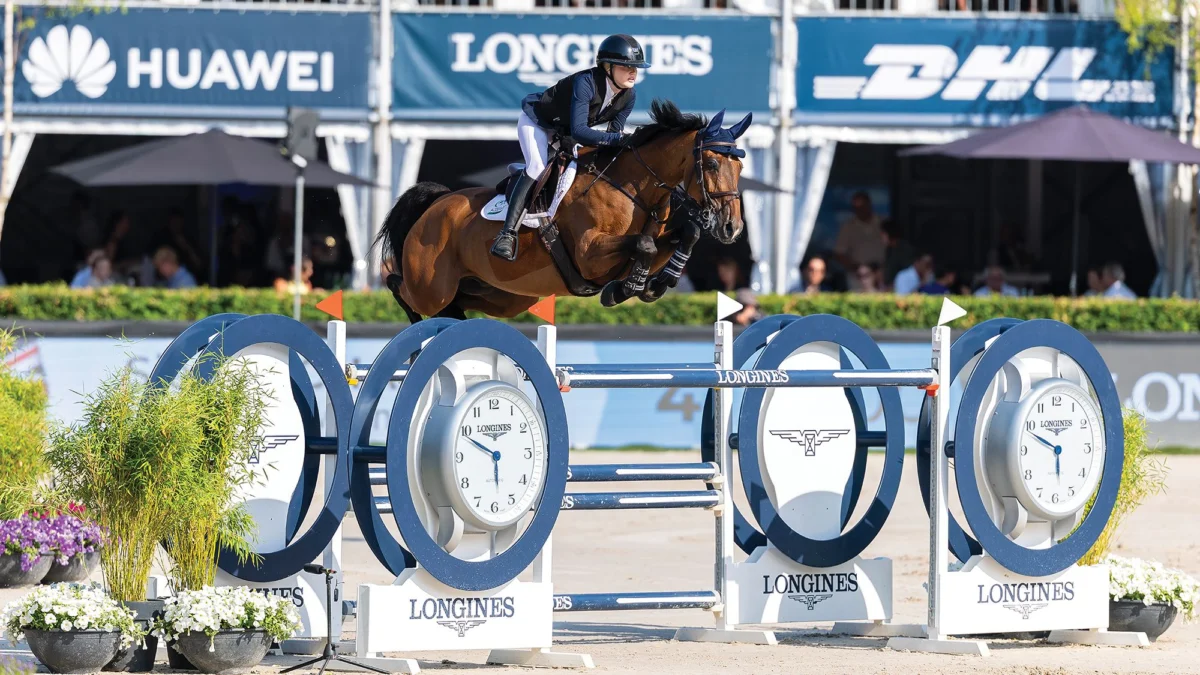
The relentless march of time, a sensation often amplified by the cyclical nature of major sporting events, has once again brought the equestrian calendar to its familiar conclusion. As the European Equestrian Federation (EEF) Nations Cup series wrapped up its 2023 season with a captivating final in Avenches, Switzerland, the sentiment of seasons flying by was palpable. While Great Britain narrowly missed a podium finish, the event underscored the evolving landscape of international showjumping and provided a compelling glimpse into the sport’s future. The final, held in early September, resonated with the gravitas of a championship, offering a fitting crescendo to months of intense competition across the continent.
Background: The Significance of the EEF Nations Cup Series
The EEF Nations Cup series, a cornerstone of the international showjumping calendar, serves as a vital platform for national teams to compete, gain valuable experience, and hone their skills on a global stage. Established to foster greater international competition and provide a structured pathway for nations, the series has grown in prestige and importance over the years. It represents a crucial opportunity for riders and horses to test themselves against the best, accumulate ranking points, and build momentum towards major championships such as the European Championships, World Equestrian Games, and Olympic Games.
The series typically comprises a series of qualifying legs held throughout the spring and summer months, culminating in a grand final where the top-performing nations battle for supremacy. This structure not only encourages consistent performance throughout the season but also allows for strategic planning and development of national squads. The Nations Cup format, often a two-round competition with a jump-off if necessary, demands exceptional teamwork, clear communication between rider and horse, and unwavering composure under pressure. Each nation fields a team, typically comprising four horse-and-rider combinations, with the best three scores counting towards the team total in each round.
Chronology of the 2023 EEF Nations Cup Series
The 2023 EEF Nations Cup series commenced in April, with a series of demanding legs held in various prestigious venues across Europe. These early competitions served as crucial indicators of form and provided early opportunities for nations to establish themselves in the standings. Riders and their mounts navigated diverse courses, designed to test their prowess over a variety of challenging fences and technical lines.
Throughout May and June, the series continued with further legs, each contributing to the overall points tally. Nations began to solidify their positions, with some emerging as strong contenders for the final. The competitive intensity gradually escalated as the season progressed, with teams strategizing and adapting their approaches based on performance and emerging talent.
July and August marked the final qualifying events, where the pressure intensified as nations vied for a coveted spot in the championship final. Performances in these latter stages often determined which teams would advance and offered a final chance to fine-tune strategies and partnerships.
The culmination of the 2023 series took place in Avenches, Switzerland, on the first weekend of September. This picturesque location provided a fitting backdrop for the season’s climax, drawing together the elite of European equestrianism. The atmosphere in Avenches was described as charged with anticipation, mirroring the excitement of a major championship event.
The Avenches Final: A Championship Atmosphere
The Avenches final was a testament to the growing stature of the EEF Nations Cup. The event was meticulously organized, offering a challenging yet fair course that tested the skills of the world’s leading showjumpers. The arena buzzed with energy as teams from across Europe prepared to deliver their final performances of the season. Spectators, a mix of dedicated equestrian enthusiasts and local supporters, filled the stands, creating a vibrant and supportive environment.
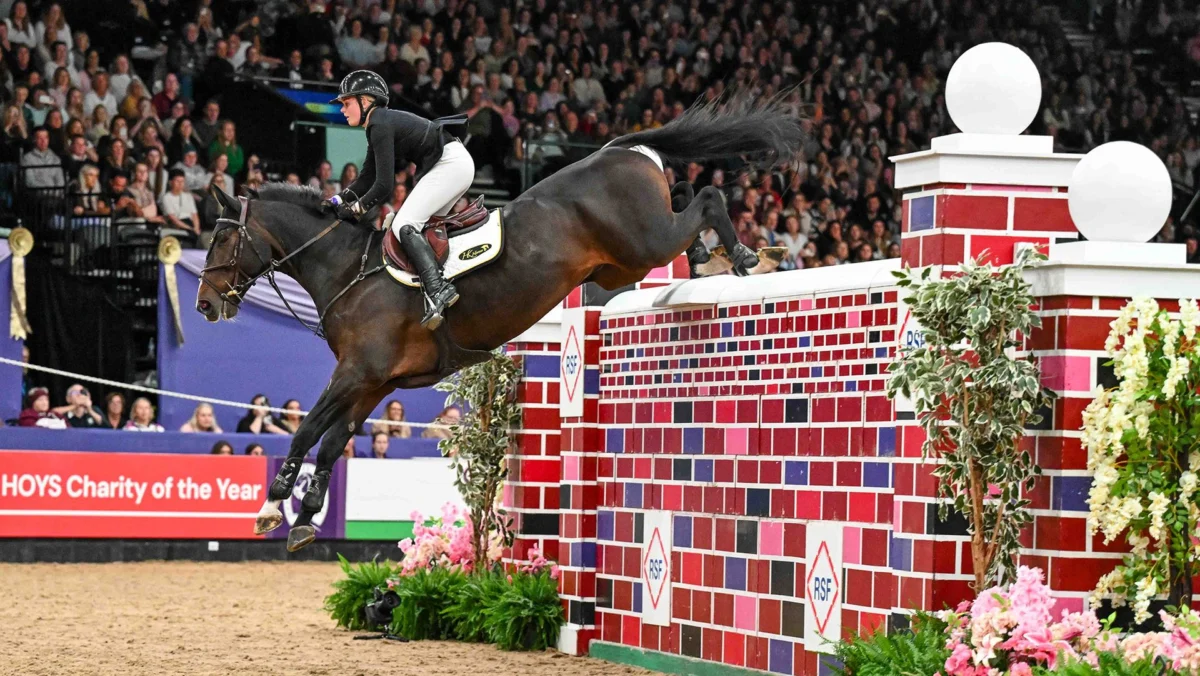
The competition itself was a captivating display of equestrian excellence. The courses, designed by renowned course designers, featured a variety of demanding obstacles, including substantial verticals, wide oxers, and intricate combinations. The technicality of the tracks required horses to demonstrate not only power and athleticism but also agility, intelligence, and responsiveness to their riders’ aids.
For the British contingent, the final was a mix of promising performances and a touch of disappointment. While the team showcased considerable talent and fought valiantly, they ultimately fell short of securing a podium position. However, the performances of individual riders and the team’s overall effort provided significant positives and insights for future development.
Supporting Data and Performance Metrics
While specific detailed statistics for every rider and horse in the final are extensive, the overall performance trends in the Nations Cup series offer valuable insights. Historically, nations such as Germany, France, Sweden, and the Netherlands have consistently featured at the top of the Nations Cup standings, reflecting their strong equestrian traditions and robust national development programs. These nations often possess a deep pool of talented riders and horses, allowing them to field competitive teams year after year.
The EEF Nations Cup series, in its modern iteration, aims to democratize international showjumping, offering a more equitable playing field for a wider range of European nations. Data from previous seasons indicates a growing number of nations consistently featuring in the top ranks, suggesting the series is achieving its objective of fostering broader international engagement.
In the Avenches final, the winning nation displayed remarkable consistency and precision. Their team achieved the lowest number of faults over the two rounds, a testament to their collective skill and the quality of their equine partnerships. The second and third-placed teams also demonstrated exceptional performances, highlighting the tight margins that often define top-level showjumping.
The number of clear rounds in each competition serves as a key performance indicator. In a championship-level final, achieving a clear round is a significant accomplishment, and the teams that produced the most clear rounds were invariably those that finished at the top of the leaderboard. The jump-off, if required, further separates the elite, showcasing riders’ ability to maintain speed and accuracy under extreme pressure.
Official Responses and Reactions
Following the conclusion of the final, official statements from the EEF and national federations typically highlight the success of the series and acknowledge the efforts of participating nations. While specific quotes from the Avenches final are not provided in the initial content, it is common for governing bodies to express satisfaction with the competitive standard and the positive atmosphere generated.
National federations often use such events as opportunities to assess their programs and identify areas for improvement. Following the Avenches final, it is highly probable that the British Equestrian Federation, for instance, would have conducted an internal review of the team’s performance. This would likely involve analyzing the individual contributions of riders, the effectiveness of training regimes, and the overall strategic approach.
Statements from team managers and riders themselves, when available, usually reflect a blend of pride in their efforts and a determination to learn from the experience. A common sentiment expressed by athletes who narrowly miss out on podium finishes is a renewed commitment to hard work and a focus on future competitions. The focus often shifts from immediate disappointment to the strategic planning required for the next season and upcoming major championships.
Broader Impact and Implications for the Sport
The EEF Nations Cup series, and its culminating final in Avenches, holds significant implications for the broader landscape of equestrian sport. Firstly, it serves as a critical development tool for emerging talent. The competitive environment of the Nations Cup allows less experienced riders and horses to gain invaluable experience at the highest level, nurturing the next generation of champions.
Secondly, the series contributes to the commercial viability and public profile of showjumping. The consistent staging of high-quality events across Europe, culminating in a well-attended final, attracts media attention, sponsorship opportunities, and a dedicated fan base. This increased visibility is crucial for the sport’s continued growth and investment.
Furthermore, the EEF Nations Cup plays a role in fostering international camaraderie and sportsmanship. The spirit of competition, while intense, is underpinned by mutual respect among athletes and nations. The series provides a common ground for equestrian communities across Europe to connect, share knowledge, and celebrate their shared passion.
The performance of nations like Great Britain, even without a podium finish, provides valuable data points for future strategic planning. Identifying areas of strength and weakness allows for targeted development initiatives, whether in rider training, horse breeding, or logistical support. The objective analysis of such performances is crucial for sustained success on the international stage.
The Avenches final, with its championship atmosphere, reinforces the importance of structured, season-long competitions. It highlights that success in equestrianism is not merely about individual brilliance but also about consistent team performance, strategic planning, and the ability to perform under pressure on multiple occasions. As the equestrian world looks towards future seasons and major events, the lessons learned and the performances showcased at the EEF Nations Cup final in Avenches will undoubtedly inform and inspire the sport’s continued evolution. The relentless passage of time may be a constant, but the enduring pursuit of excellence within the framework of competitions like the Nations Cup series ensures that the sport of showjumping remains dynamic and captivating for all involved.