 rifanmuazin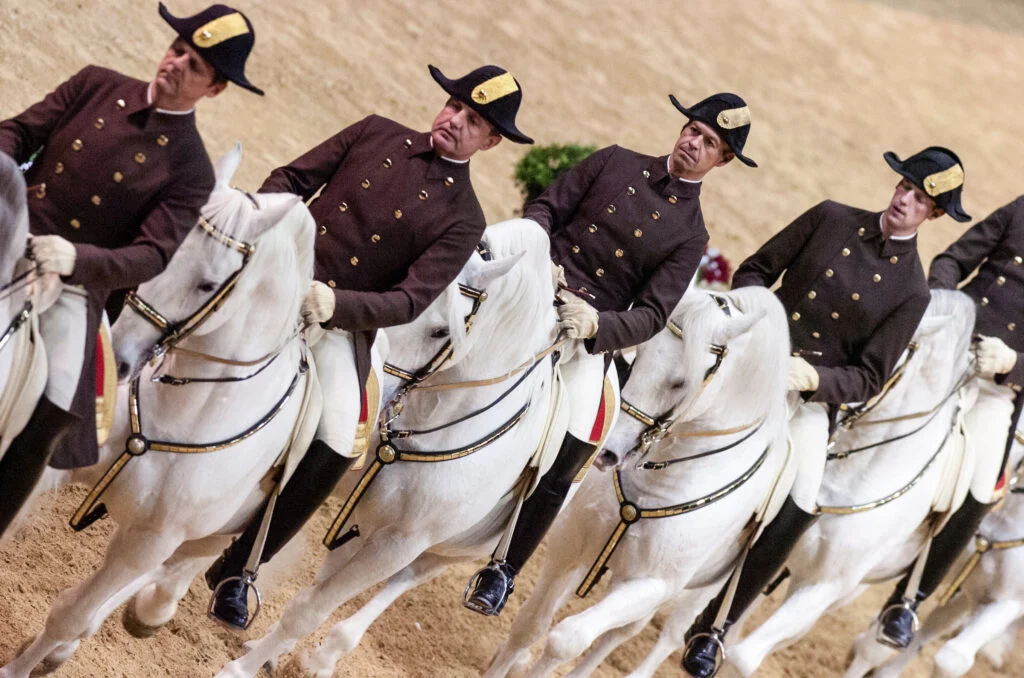
In a dramatic transformation that marries centuries of tradition with cutting-edge innovation, dressage apparel has undergone a profound evolution, shedding its restrictive past to embrace the demands of modern equestrian athleticism. Historically, riders were confined to garments crafted from materials like cotton, nylon, and polyester – fabrics notoriously ill-fitting, lacking stretch, and offering minimal breathability, leading to discomfort and hindered performance. However, in recent decades, a paradigm shift has occurred as manufacturers have adeptly harnessed advanced textile technologies, long a staple in mainstream performance sports, to redefine the dressage wardrobe. This strategic integration has propelled dressage fashion from its austere military origins to the sleek, high-performance athletic wear now synonymous with today’s Grand Prix arena, allowing riders to exude both pristine elegance and peak functionality.
The essence of dressage lies in its dual requirement: a polished, immaculately turned-out appearance for competition, coupled with the undeniable reality that riders are elite athletes demanding clothing that supports their physical exertion. While steadfastly preserving its classic, conservative aesthetic, the sport has proactively adopted technical fabrics for unparalleled range of motion, introduced modernized footwear boasting superior comfort and grip, and critically, prioritized safety through the widespread adoption of ASTM/SEI-certified helmets, which have supplanted the traditional top hats in most competitive settings. This ongoing evolution reflects a sport that honors its rich legacy while dynamically adapting to the contemporary needs of its athletes and the prevailing currents of modern fashion.
From Cavalry Drills to Olympic Grand Prix: A Historical Overview
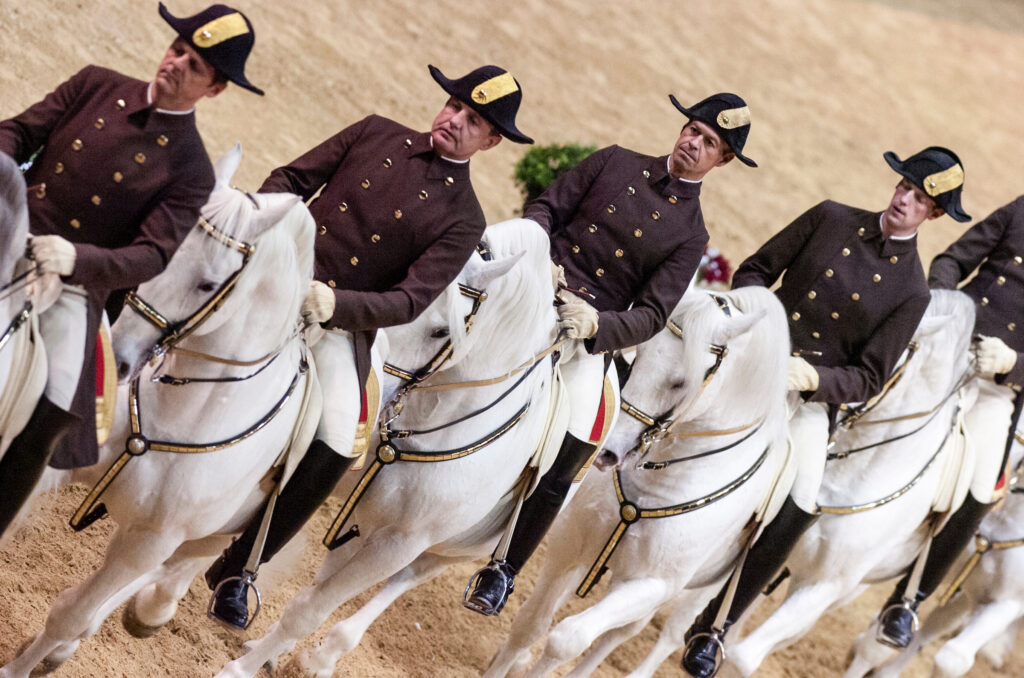
The roots of dressage extend deep into European military history, where it originated as a sophisticated training regimen for cavalry forces. Emphasizing discipline, precision, and a highly polished presentation, these drills were crucial for battlefield maneuverability and commanding presence. When early dressage competitions began to emerge, often featuring military officers, the attire naturally mirrored their professional uniforms. This meant stiff, often heavy fabrics like wool, highly structured silhouettes designed for rigidity, and tall, stand-up collars that conveyed authority and formality. It is a testament to this enduring legacy that even today, active and retired military personnel retain the privilege of wearing their official uniforms in dressage competitions, a unique homage to the sport’s foundational heritage.
Dressage made its Olympic debut at the 1912 Stockholm Games, solidifying its status as a recognized international sport. However, the attire remained largely unchanged for many decades, characterized by its traditional, often uncomfortable elements. The primary focus was on appearance, with little consideration for the physical demands placed on the rider during intricate movements. The 20th century saw gradual shifts, but it was truly the turn of the millennium and the subsequent two decades that ushered in a rapid acceleration of innovation, driven by advancements in sports science and textile engineering.
The Technological Revolution: Performance Meets Poise
The dramatic transformation in dressage apparel over the last 30 years can largely be attributed to a revolution in textile technology. Where natural fibers like cotton offered comfort but lacked performance characteristics, and early synthetics like nylon and polyester provided durability but suffered from poor breathability and stiffness, modern technical fabrics represent a quantum leap forward. These advanced materials are engineered to offer a suite of benefits crucial for equestrian athletes:
- Moisture-Wicking: Fabrics designed to draw sweat away from the skin and quickly disperse it on the fabric surface for rapid evaporation, keeping riders dry and comfortable. This is achieved through capillary action in specially constructed fibers and weaves.
- Breathability: Materials with microscopic pores that allow air to circulate, preventing heat buildup and regulating body temperature.
- Four-Way Stretch: Incorporating elastane (Lycra or spandex) into the fabric weave provides unparalleled freedom of movement, crucial for maintaining an independent seat and executing complex aids without restriction.
- UV Protection: Many modern fabrics now include built-in UV protection, shielding riders from harmful sun exposure during long hours outdoors.
- Durability and Stain Resistance: New blends often offer enhanced resistance to wear and tear, as well as repel common stable stains, ensuring garments maintain their pristine appearance longer.
- Lightweight Construction: Technical fabrics are often significantly lighter than their traditional counterparts, reducing rider fatigue.
These advancements are not merely about comfort; they directly contribute to improved rider performance. A rider who is cool, dry, and unhindered by their clothing can maintain focus, execute more precise movements, and ultimately foster better communication with their horse.
The Pillars of Tradition, Reimagined
Despite the technological overhaul, several key elements of dressage attire continue to reflect the discipline’s military roots, albeit with significant modern enhancements:
-
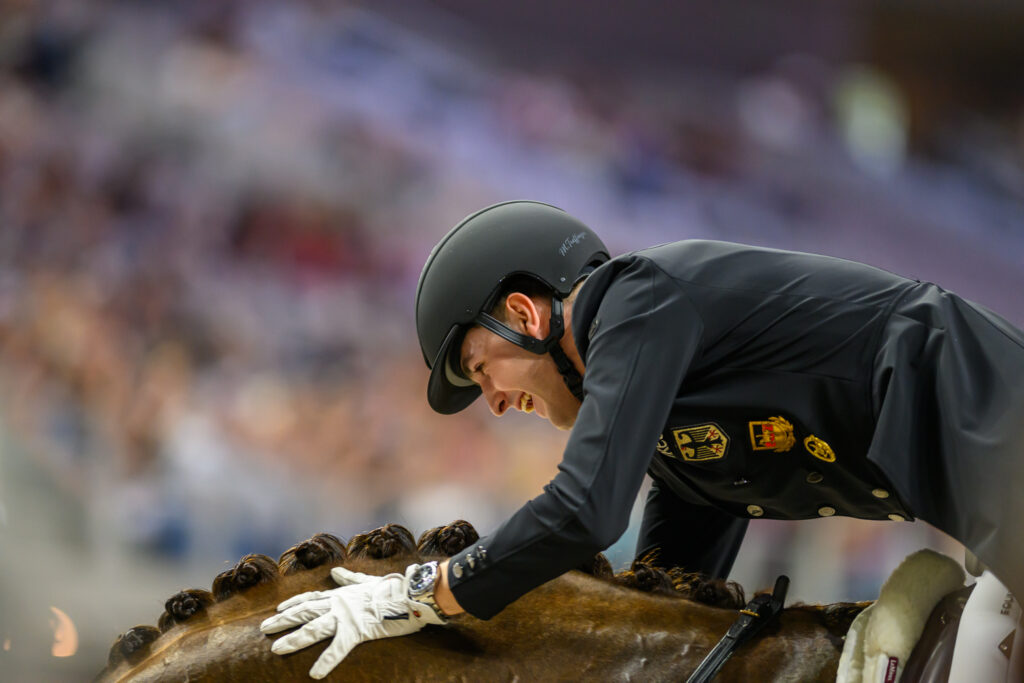
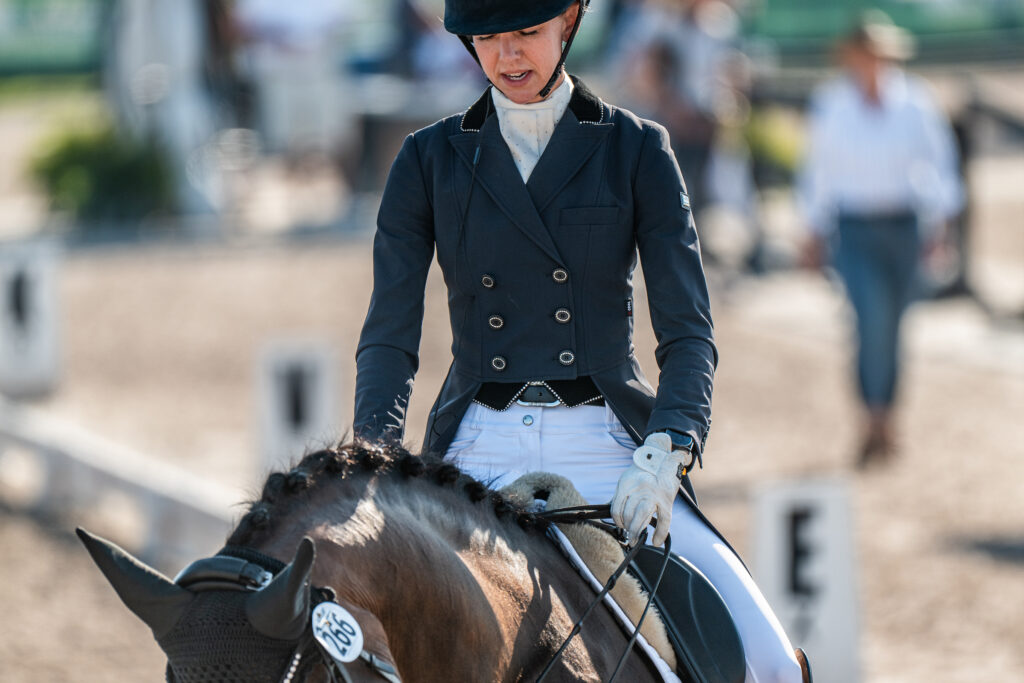
The Shadbelly: This iconic traditional dressage tailcoat remains the ultimate symbol of high-level Grand Prix competition. Its design mirrors the long military dress coats worn during formal inspections and ceremonies. While historically crafted from heavy, restrictive wool, modern shadbellies are now cut from highly breathable, moisture-wicking, four-way stretch technical fabrics. This allows riders full range of motion in the saddle, critical for executing intricate Grand Prix tests, without sacrificing the garment’s regal silhouette. Contemporary designs also often feature lighter linings and precision tailoring that flatters the athletic form.
-
White Breeches and Gloves: These elements provide the crisp, uniform appearance expected of soldiers in their formal attire, symbolizing cleanliness and precision. Akin to shadbellies, breech and glove fabrics have seen marked technological advances. Compared to their former counterparts, new breech designs allow for better performance in the saddle through ergonomic cuts, enhanced grip systems (such as silicone knee patches or full seats), and advanced stain-resistant treatments. They also help riders stay cool in the heat with moisture-wicking properties and ventilation panels, while gloves now offer improved grip and dexterity.
-
Tall Black Boots: Standard issue for cavalry riders, these boots offered both protection and polish. While black remains the most common boot color, recent years have witnessed a fascinating expansion into stunning shades like navy, merlot, and chocolate brown, reflecting a growing desire for personalized elegance. Equestrian footwear technology has also vastly improved, incorporating cushioned footbeds for shock absorption, convenient back zippers for easy donning, enhanced treads for secure footing, built-in stretch panels for a custom-like fit, and extra spur stops to prevent slippage. The anatomical fit and support offered by modern boots significantly enhance rider comfort and leg stability.
-
Stock Ties: Originating as a military neck brace for protection, the stock tie evolved into a formal accessory, providing a neat, finished look. While traditionally white, reflecting purity and formality, some dressage riders now opt for stock ties in subtle colors or patterns that complement their jacket or horse’s color, adding a touch of personal flair without detracting from the overall classic aesthetic. The advent of pre-tied stock ties has also added convenience for riders.
A Kaleidoscope of Expression: Breaking the Aesthetic Mold
While the foundational elements of dressage attire remain rooted in tradition, there is an undeniable trend towards a sportier, more personalized, and visually dynamic aesthetic in the show ring. This shift is particularly evident in the increasing acceptance of color, subtle patterns, and tasteful "bling."
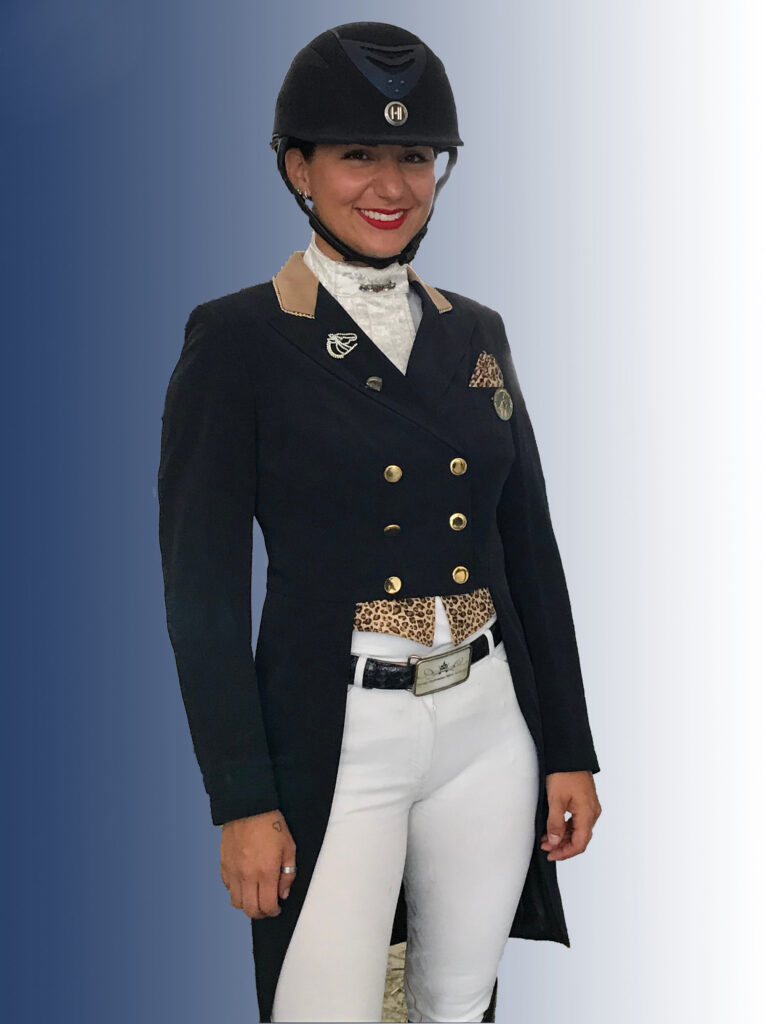
USDF gold medalist Mel Montagano epitomizes this modern approach, showcasing her signature style by pairing traditional attire with unique accents. "I like to get a little fancy for competition without adding so much bling that it distracts from my performance," she notes. "I tend to accent simple, core pieces in traditional colors with creative details that reflect my personality. I have a gorgeous navy Grand Prix shadbelly with a camel-brown collar that was custom-made with leopard-print points and a matching handkerchief that I wear with white breeches. It’s classy, but it’s also very me." Montagano emphasizes that the key to embracing unconventional attire lies in self-confidence. "We’re seeing more riders wearing colorful jackets in non-traditional fabrics. I saw a freestyle rider who rocked this amazing violet satin coat. If you choose something unconventional for the show ring, wear it with confidence and just own it!"
Beyond new colors and patterns, sophisticated crystal accents are now frequently seen on boots, helmets, and jacket collars, cuffs, buttons, and back hems. Gold and silver embellishments, intricate stitching details, and other creative additions allow riders to infuse their attire with original personality. A notable example from the 2026 Zen Elite FEI Dressage World Cup™ Final was Great Britain’s Becky Moody, who claimed double gold podium placings clad in a stunning chocolate brown jacket with crystal accents, perfectly matched with brown boots and a helmet also embellished with sparkle.
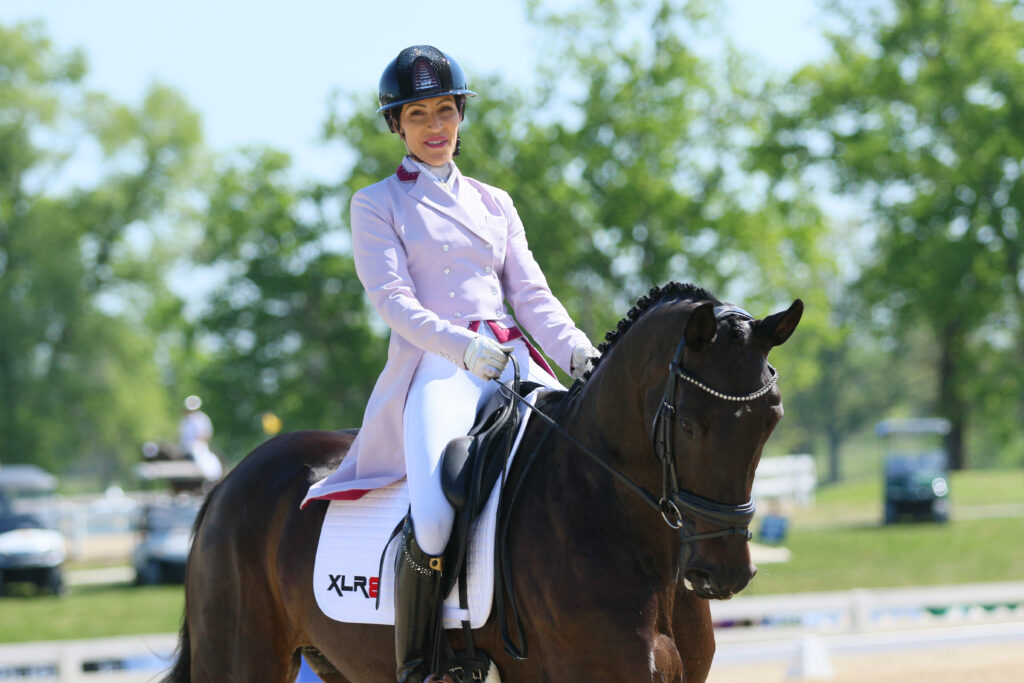
Grand Prix dressage rider Laine Ashker further illustrates this trend with her custom LotusRomeo shadbelly in pastel pink, featuring magenta accents and crystal details. "I loved the beautiful, muted tones with contrasting accents so much, I also have the jacket in lavender, sage, baby blue and tan/blush," Ashker revealed, highlighting a growing demand for a broader palette in competitive dressage. These examples underscore a powerful movement towards individual expression, carefully balanced within the sport’s conservative framework.
Navigating the Rules: Balancing Innovation with FEI Regulations
The governing bodies of equestrian sport, such as the Fédération Équestre Internationale (FEI) and national federations like the United States Dressage Federation (USDF), play a crucial role in managing this evolution. While encouraging safety and performance innovations, they also uphold the sport’s traditional image. Rulebooks are periodically updated to reflect acceptable changes in attire, often specifying permitted colors for jackets, breeches, and accents, as well as guidelines for helmet certification and the use of embellishments. This regulatory framework ensures that while personal expression is increasingly welcomed, it does not devolve into distractions or undermine the inherent elegance of dressage. The transition from traditional top hats to ASTM/SEI-certified helmets, for instance, was a significant regulatory push driven by safety concerns, illustrating the sport’s commitment to rider welfare.
The Rider’s Edge: Performance Benefits of Modern Attire
The implications of these advancements extend far beyond aesthetics. Modern dressage attire directly contributes to a rider’s athletic performance in several key ways:
- Enhanced Comfort and Reduced Fatigue: Lightweight, breathable, and stretchable fabrics significantly reduce discomfort, chafing, and heat buildup, allowing riders to maintain focus and stamina throughout long competitions and training sessions.
- Improved Freedom of Movement: The four-way stretch allows for unrestricted movement of joints and muscles, enabling riders to apply aids with greater precision and subtlety, fostering better communication with the horse.
- Optimized Body Temperature Regulation: Moisture-wicking properties keep riders dry, preventing chills in cooler weather and overheating in warmer conditions, which is vital for sustained concentration.
- Safety First: The mandatory use of ASTM/SEI-certified helmets is a non-negotiable benefit, providing superior head protection against impacts, a critical factor in a sport involving large, powerful animals.
- Confidence Boost: As Mel Montagano highlighted, wearing attire that makes a rider feel confident and reflects their personality can positively impact their mental state and performance in the arena.
Looking Ahead: The Future of Dressage Fashion
The journey of dressage attire, from its rigid military origins to its current state of high-performance elegance, is a compelling narrative of tradition meeting innovation. As textile technology continues to advance, and as the demands of equestrian athleticism become even more understood, the evolution of dressage fashion is far from over. We can anticipate further refinements in fabric engineering, ergonomic designs that cater even more precisely to the rider’s anatomy, and continued exploration of sustainable materials. The balance between preserving the classical aesthetic and embracing functionality, safety, and individual expression will remain a dynamic and exciting challenge, ensuring that dressage riders continue to look sharp, feel comfortable, and perform at their absolute best.
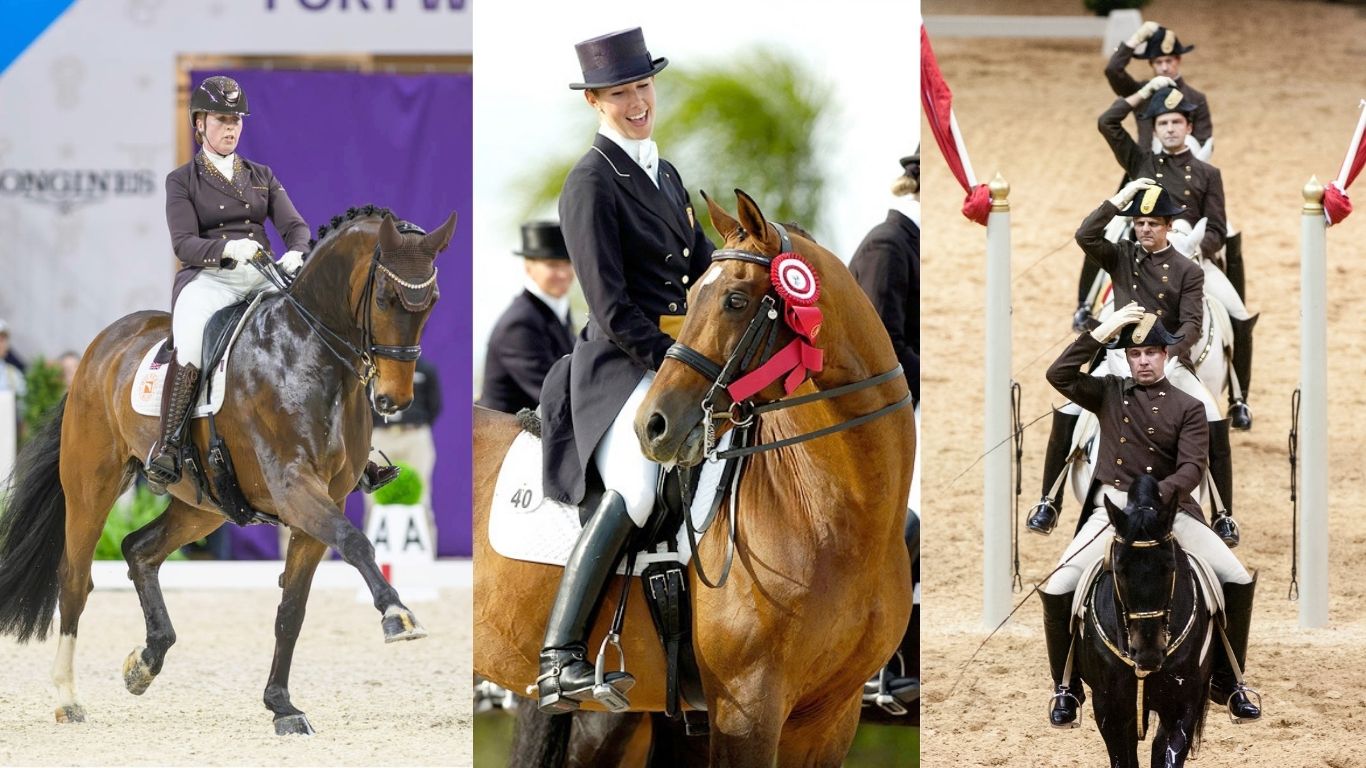
The images from the 2001 Festival of Champions, featuring varying jacket styles of the era, juxtaposed with contemporary photos of riders like Moritz Treffinger in his stretch performance shadbelly with gold buttons and national patches at the 2026 Zen Elite FEI Dressage World Cup™ Final, and Laura Graves in her deep teal shadbelly with black trim and beaded accents at the 2026 Global Dressage Festival, perfectly encapsulate this transformative period. Similarly, Raphael Netz’s modern attire at the 2026 World Cup Final, celebrating his freestyle, underscores how far the sport’s sartorial choices have come. This fashion flashback reveals not just a change in clothing, but a reflection of the sport’s progressive spirit, adapting to the modern athlete without forgetting its storied past.