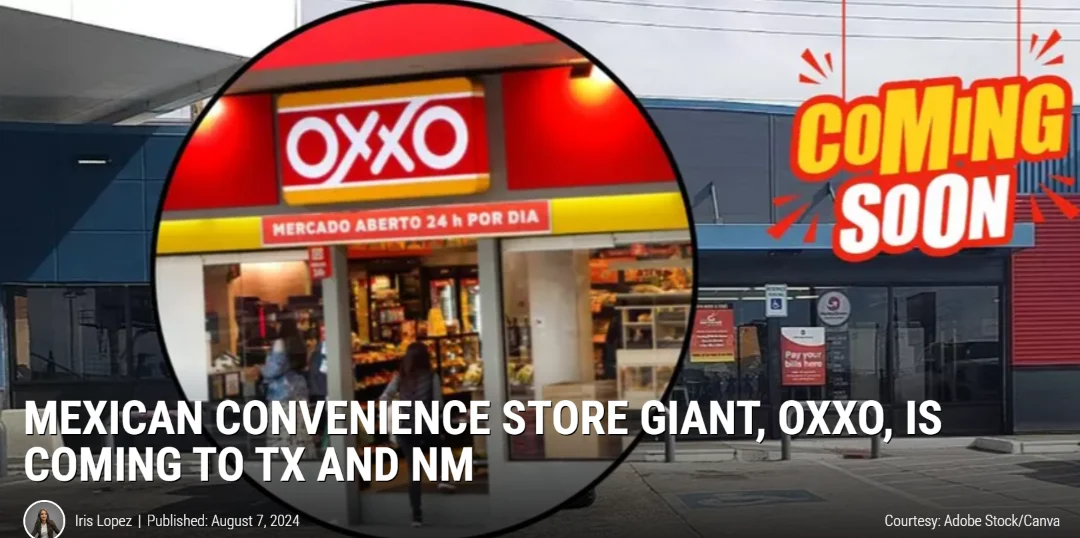
The announcement marks a significant foray for FEMSA, the Monterrey, Mexico-based multinational beverage and retail company, into the highly competitive U.S. convenience store sector. This substantial investment signals a new chapter for OXXO, a brand ubiquitous across Latin America, as it seeks to replicate its success north of the border. The transaction involves FEMSA Comercio, a subsidiary of FEMSA, acquiring 249 convenience stores currently operating under the DK brand from Delek U.S. Holdings, Inc. This move is not merely an expansion but a strategic penetration into two of the fastest-growing states in the United States, positioning OXXO to cater to diverse consumer bases and tap into robust economic corridors.
The Strategic Acquisition Details
The core of this transformative deal is the $385 million agreement signed between FEMSA and Delek U.S. Holdings. This acquisition encompasses all 249 DK convenience store locations owned and operated by Delek, primarily concentrated in Texas and New Mexico. These stores are strategically located in areas with burgeoning populations and significant commercial activity, offering OXXO an established footprint from which to launch its U.S. operations. Delek U.S. Holdings, a diversified energy company, has been streamlining its portfolio to focus on its core refining, logistics, and asphalt businesses. The divestiture of its retail segment aligns with this strategic reorientation, allowing the company to allocate capital more efficiently towards its primary operations and reduce its exposure to the retail market’s unique dynamics. For FEMSA, this acquisition represents a ready-made network of operational stores, mitigating the time and capital investment typically required for greenfield development. It provides immediate access to real estate, existing customer traffic, and local operational knowledge, facilitating a smoother market entry.
FEMSA’s Global Ambitions and OXXO’s Dominance
FEMSA, formally Fomento Económico Mexicano, S.A.B. de C.V., is one of the largest publicly traded companies in Latin America, with a diverse portfolio that includes Coca-Cola FEMSA (the world’s largest bottler of Coca-Cola products by volume), FEMSA Cerveza (which was sold to Heineken), and FEMSA Comercio. OXXO, under FEMSA Comercio, has grown into the largest convenience store chain in Mexico and a significant player across Latin America. Founded in 1978, OXXO has cultivated a formidable presence, boasting over 20,000 stores primarily in Mexico, but also in countries like Chile, Colombia, Peru, and Brazil. Its operating model is characterized by high-density urban locations, a broad product assortment ranging from groceries and snacks to beverages and ready-to-eat meals, and an increasing array of financial and digital services, including bill payment, mobile top-ups, and cash withdrawals.
OXXO’s success in its home markets can be attributed to its deep understanding of local consumer preferences, efficient supply chain management, and a relentless focus on convenience and accessibility. The brand has become an integral part of daily life for millions in Mexico, often serving as a community hub. This acquisition marks OXXO’s most ambitious expansion into the U.S. market to date, following smaller-scale pilot programs or isolated locations in border towns that have not achieved widespread recognition. The $385 million investment underscores FEMSA’s serious commitment to establishing OXXO as a recognized retail force within the United States.
Delek U.S. Holdings’ Strategic Divestment
Delek U.S. Holdings, headquartered in Brentwood, Tennessee, operates in various segments of the petroleum industry. Its retail business, primarily under the DK and MAPCO brands, has been a component of its integrated downstream operations. The decision to divest 249 DK locations reflects a broader trend among energy companies to shed non-core assets and sharpen their strategic focus. Many integrated oil companies have historically operated retail networks to ensure outlets for their refined products. However, as the retail landscape becomes increasingly competitive and requires specialized management, some companies are opting to exit this segment. This divestiture allows Delek to de-leverage its balance sheet, potentially return capital to shareholders, and concentrate resources on high-growth areas within its refining and logistics segments. The company’s remaining retail assets, particularly those under the MAPCO brand, may still be subject to future strategic evaluations, but this transaction clearly signals a shift away from a broad retail footprint.
Geographic Imperative: Texas and New Mexico
The choice of Texas and New Mexico for OXXO’s initial large-scale U.S. expansion is highly strategic. Both states share extensive borders with Mexico, facilitating cross-cultural understanding and existing logistical pathways. More critically, they possess significant and growing Hispanic populations, a demographic that is likely already familiar with the OXXO brand from visits to Mexico or through cultural ties.
- Texas: As the second-most populous state in the U.S., Texas boasts a dynamic economy and a large, diverse consumer base. Its major metropolitan areas, including Houston, Dallas-Fort Worth, San Antonio, and Austin, are experiencing rapid population growth. The state’s proximity to Mexico means strong cultural and economic ties, making it a natural entry point for a Mexican brand. The convenience store market in Texas is robust and highly competitive, with established players like 7-Eleven, Circle K, Stripes (owned by 7-Eleven), and local giants like Buc-ee’s. OXXO will need to carve out its niche in this crowded landscape.
- New Mexico: While smaller in population, New Mexico also shares a long border with Mexico and has a high percentage of Hispanic residents. Its key cities like Albuquerque and Las Cruces are vital commercial hubs. The market may offer less immediate competition density than Texas, potentially allowing OXXO to establish its brand more firmly before facing intense rivalry.
These states represent not just geographic entry points but also cultural bridges, providing a foundational customer segment potentially predisposed to OXXO’s offerings and brand identity.
Regulatory Hurdles and Anticipated Timeline
The acquisition is not yet finalized and awaits regulatory approval, a standard procedure for transactions of this size and scope to ensure fair competition and prevent monopolistic practices. This typically involves reviews by federal antitrust agencies, such as the Federal Trade Commission (FTC) or the Department of Justice (DOJ), under the Hart-Scott-Rodino (HSR) Antitrust Improvements Act. These agencies assess whether the merger would substantially lessen competition in any relevant market. Given that FEMSA’s OXXO has a minimal presence in the U.S. market currently, significant antitrust concerns are unlikely, as the acquisition does not immediately reduce existing competition but rather introduces a new major player. The regulatory approval process is anticipated to conclude in the second half of 2024. Once approved, a phased transition and rebranding of the DK stores to OXXO outlets will likely commence, a process that involves logistical coordination, brand implementation, and potential adjustments to product assortments and operational procedures.
A New Era for Convenience Retail: Consumer and Market Impact

The arrival of OXXO at scale in Texas and New Mexico is poised to significantly impact the regional convenience retail landscape. For consumers, this could mean a fresh array of product choices and a distinct shopping experience. OXXO is known for its strong private-label brands, diverse snack and beverage options, and a focus on fresh food offerings – elements that could differentiate it from existing U.S. convenience stores. Consumers might anticipate:
- Expanded Product Diversity: Introduction of popular Mexican snacks, beverages, and perhaps ready-to-eat meals, catering to both existing Hispanic communities and curious new customers.
- Enhanced Service Offerings: Leveraging OXXO’s expertise in financial services, bill payment, and digital solutions, which could be adapted for the U.S. market.
- Competitive Pricing: OXXO’s scale and efficient operations in Mexico suggest it could offer competitive pricing, potentially driving down costs or improving value propositions across the market.
For competitors, OXXO’s entry will intensify the already fierce competition. Established players like 7-Eleven, Circle K, and local chains will likely face pressure to innovate and reinforce their value propositions to retain market share. This could lead to an overall improvement in service, product quality, and competitive pricing across the region.
Economic Footprint and Local Engagement
The acquisition represents a substantial foreign direct investment into the U.S. economy. The $385 million transaction itself is a significant capital inflow, but the economic impact will extend beyond the purchase price. OXXO’s integration and rebranding efforts will necessitate further investment in store renovations, technology upgrades, and supply chain infrastructure.
- Job Creation and Retention: The existing employees of DK stores will likely transition to OXXO, ensuring job retention. Furthermore, as OXXO expands its operations, it may create additional jobs in management, logistics, and corporate functions.
- Supply Chain Development: OXXO will need to establish robust supply chains within the U.S., leading to partnerships with local distributors, suppliers, and producers, fostering economic activity in various sectors.
- Local Community Impact: OXXO stores, like their Mexican counterparts, could become community hubs, contributing to local economies through taxes and supporting local initiatives.
Expert and Stakeholder Reactions (Inferred)
While official statements typically remain concise before regulatory approval, industry analysts and company executives would likely frame this deal as follows:
A spokesperson for FEMSA Comercio might state: "This acquisition represents a pivotal step in OXXO’s international growth strategy, marking our significant entry into the dynamic U.S. convenience market. Texas and New Mexico offer strategic advantages, including robust economic growth and a vibrant, diverse consumer base. We are committed to leveraging our proven operational model and unique product offerings to provide exceptional value and convenience to our new customers, while contributing positively to the local economies."
An executive from Delek U.S. Holdings could comment: "The divestiture of our DK retail assets aligns perfectly with Delek’s strategic objective to optimize our portfolio and focus on our core energy businesses. This transaction unlocks significant value for our shareholders and allows us to redeploy capital into high-growth refining and logistics projects. We are confident that OXXO, with its extensive retail expertise, will be an excellent steward of these locations and a strong partner for the communities they serve."
An industry analyst specializing in retail trends might offer: "OXXO’s entry into the U.S. via such a large-scale acquisition is a game-changer. It signifies the growing confidence of major Latin American retailers in the U.S. market and highlights the strategic importance of border states. Their success will hinge on effectively adapting their highly successful Mexican model to U.S. consumer preferences, regulatory environments, and intense competition. This move could force other U.S. convenience store chains to re-evaluate their strategies, particularly concerning product diversification and service offerings."
Challenges and Opportunities for OXXO in the U.S.
While the opportunities are vast, OXXO will face distinct challenges in the U.S. market.
- Brand Recognition: Outside of border regions, OXXO is not a household name in the U.S. Building brand awareness and loyalty will require significant marketing investment.
- Consumer Preferences: U.S. consumer tastes and purchasing habits differ from those in Mexico. Adapting product assortments, store layouts, and service models while retaining OXXO’s core identity will be crucial.
- Competitive Landscape: The U.S. convenience store market is mature and highly competitive, dominated by well-established national and regional chains with entrenched customer bases and sophisticated loyalty programs.
- Regulatory and Labor Environment: Navigating U.S. labor laws, local zoning regulations, and other operational complexities will require careful management.
However, OXXO’s established expertise in efficient store operations, robust supply chain management, and a customer-centric approach provide a strong foundation. Its potential to introduce unique product lines and a distinct cultural flavor could be a significant differentiator, especially in areas with strong cultural ties to Mexico.
Looking Ahead: The Future of Cross-Border Retail
OXXO’s large-scale entry into the U.S. market underscores a broader trend of increasing cross-border retail investment and globalization. As economies become more interconnected, successful regional brands are increasingly looking beyond their traditional borders for growth opportunities. If OXXO successfully integrates and expands its footprint in Texas and New Mexico, it could pave the way for further expansion into other U.S. states and potentially inspire other Latin American retailers to consider similar ventures. The bright red and yellow branding of OXXO is soon to become a familiar sight across key routes and neighborhoods in Texas and New Mexico, marking not just a change of ownership, but a significant cultural and economic integration for the U.S. convenience retail sector. The coming months will be crucial as OXXO navigates the final regulatory steps and begins the transformative process of bringing its unique brand of convenience to a new market.