

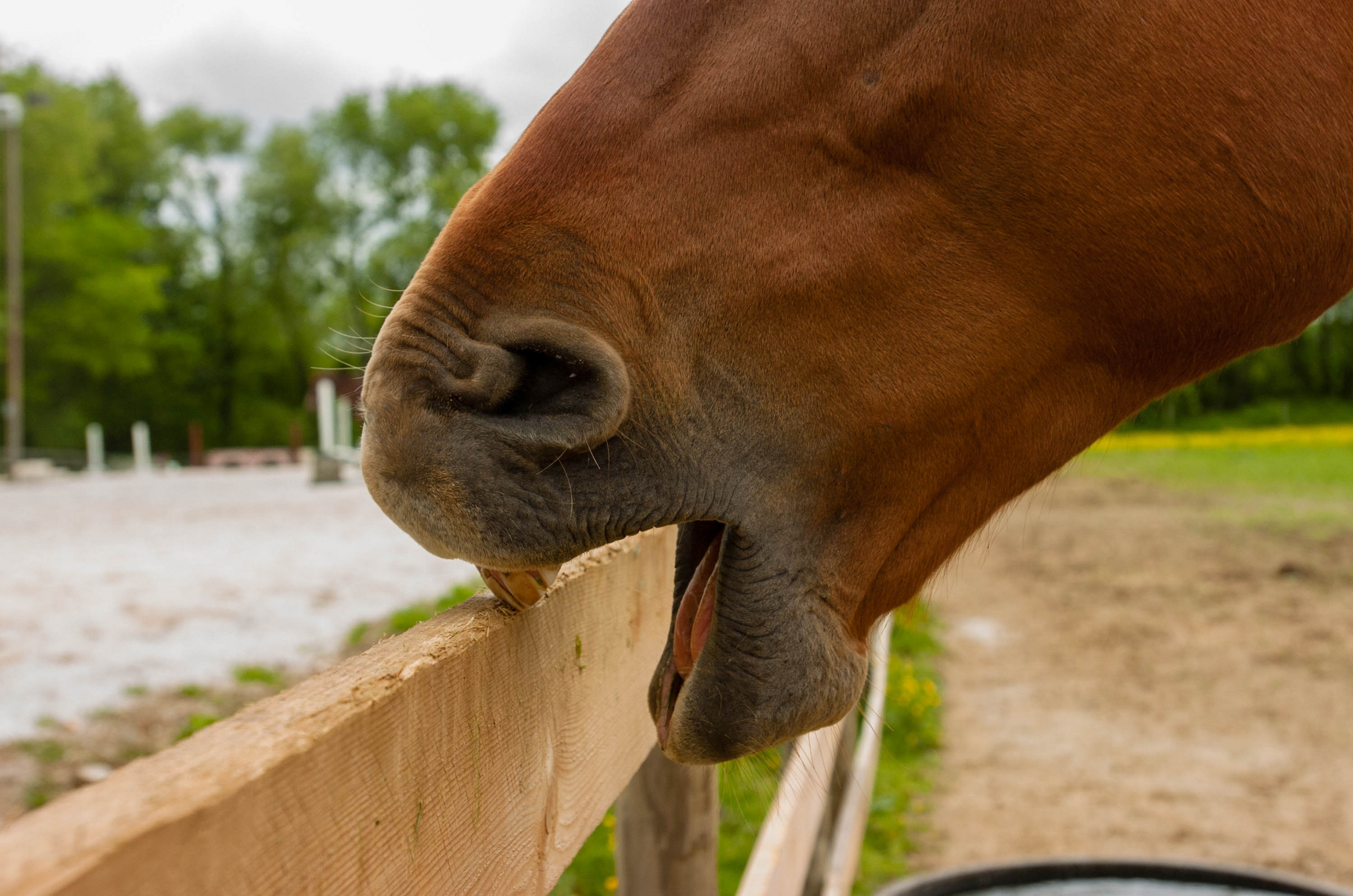
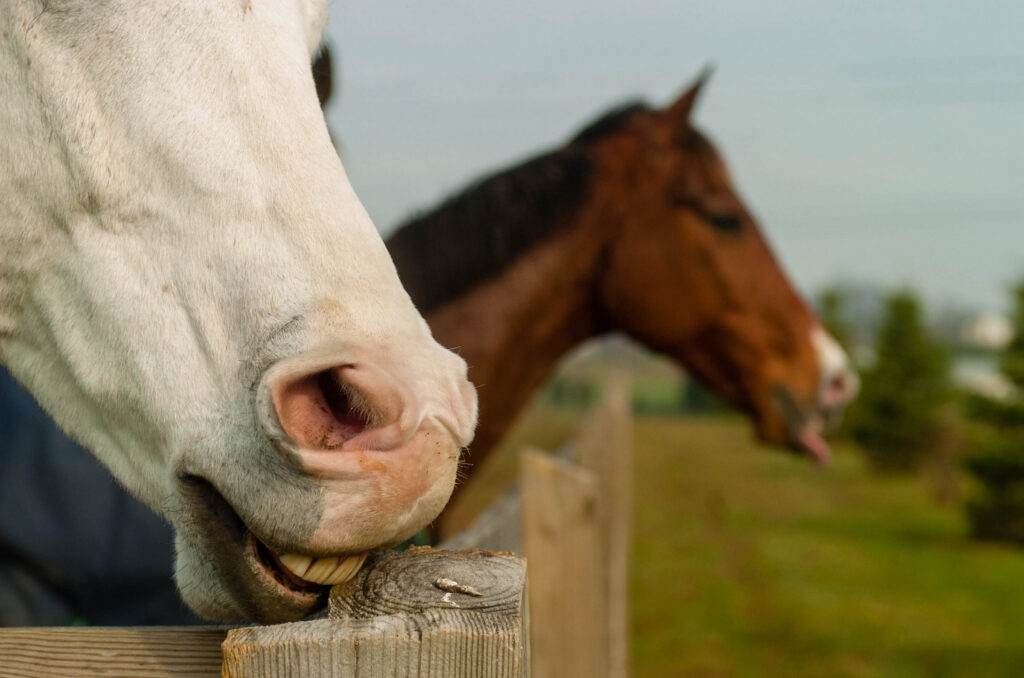
Cribbing, a peculiar and often concerning behavior exhibited by horses, involves the animal gripping a horizontal surface, typically a stall door or fence, with its incisor teeth, arching its neck, and forcefully inhaling air with a characteristic grunting sound. This repetitive action, observed for decades, has been the subject of considerable debate and research within the equine veterinary and behavioral science communities. Once largely misunderstood, current scientific inquiry is shedding light on the complex interplay of factors contributing to this habit, its detrimental effects on equine health, and effective management strategies for prevention and mitigation.
For much of the 20th century, the prevailing theories surrounding cribbing were largely speculative. Veterinarians and equine behaviorists often attributed the behavior to boredom, chronic pain, or even a self-soothing mechanism akin to endorphin release. Another prominent hypothesis suggested that horses cribbed out of hunger, ingesting air to create a false sense of fullness in their stomachs. The notion that cribbing was a learned behavior, transmitted from one horse to another, was also widely held. This belief was often bolstered by observations of a higher incidence of cribbing among off-the-track Thoroughbreds, leading to speculation about the specific environmental and lifestyle pressures within the racing industry that might foster such behaviors. However, as research has advanced, many of these early assumptions have been challenged or refined.
Factors Contributing to the Development of Cribbing
Modern research has identified several key factors that significantly influence a horse’s propensity to develop cribbing habits. Foremost among these is diet, particularly the level of roughage in the horse’s daily intake. Studies have consistently demonstrated a direct correlation between dietary composition and cribbing frequency. Horses fed diets rich in forage, such as hay and pasture, exhibit a marked reduction in cribbing behavior. Conversely, diets heavily reliant on grain or concentrated feeds are associated with a significant increase in cribbing.
Further investigation into the impact of specific feed types has yielded compelling data. For instance, research indicated that horses consuming sweetened feeds cribbed approximately 30% of the day, whereas those fed plain oats reduced their cribbing to around 16% of the day. Even seemingly innocuous treats like horse cookies, carrots, and apples, due to their sugar content, have been observed to incite cribbing behavior. This consistent response has proven so reliable that researchers have utilized these dietary triggers to evaluate the efficacy of various pharmaceutical interventions aimed at reducing cribbing.
The importance of consistent feeding schedules cannot be overstated. Extended periods without access to feed or forage can induce significant emotional and physical stress in horses. This stress, in turn, elevates their risk of developing cribbing habits. The physiological and psychological impact of prolonged fasting or irregular feeding patterns creates an environment ripe for the emergence of this stereotypic behavior.
The Link Between Cribbing and Gastric Ulcers
A significant area of ongoing research is the observed association between cribbing and an increased incidence of gastric ulcers. While the link is statistically evident, the exact causal relationship remains a subject of investigation. It is not definitively established whether cribbing causes ulcers, or if ulcers predispose horses to cribbing, or if a third, as-yet-unidentified factor influences both.
It is important to note that not all horses that crib develop ulcers, and conversely, many horses with gastric ulcers do not exhibit cribbing behavior. However, cribbing does stimulate the vagus nerve, a crucial component of the autonomic nervous system that plays a role in regulating stomach acidity. This stimulation can lead to a decrease in stomach acidity, potentially offering some relief from the discomfort of ulcers. Nevertheless, the impact on foals is particularly concerning. Studies have shown that foals exhibiting cribbing behavior demonstrate more severe gastric ulceration compared to their non-cribbing counterparts, underscoring the potential for this habit to exacerbate existing digestive issues in younger horses.
Genetic Predisposition and Breed Incidence
Beyond environmental and dietary factors, researchers are increasingly exploring a potential heritable component to cribbing. The Thoroughbred breed, historically known for a higher prevalence of cribbing, with estimates around 10% of the population, is a focal point of this research. Interestingly, racing Standardbreds, who often share similar intensive training and lifestyle regimens with Thoroughbreds, exhibit a significantly lower incidence of cribbing within their breed. This disparity suggests that while the racing environment may play a role, there may also be inherent genetic predispositions that differ between breeds, influencing their susceptibility to developing cribbing. Further genetic studies are underway to identify specific genes or genetic markers associated with cribbing.
Consequences of Cribbing: Health and Performance Impacts
The ramifications of cribbing extend beyond its aesthetic and behavioral aspects, impacting a horse’s physical health and athletic potential. One of the most immediate consequences is the uneven wear of the incisor teeth. While most horses can still manage to eat and graze effectively despite this wear, it can necessitate more frequent dental interventions.
More concerning is the potential for overdevelopment of specific muscles in the horse’s underneck. These muscles, particularly the sternothyroid and sternohyoid muscles, are actively engaged during the cribbing action. In the context of equestrian sports, especially dressage, these muscles are also utilized by horses when they resist the bit or brace against the reins. This overdevelopment can therefore negatively impact a horse’s responsiveness to training and its ability to achieve optimal collection and suppleness, hindering performance across various disciplines. In severe cases, cribbing can contribute to stylohyoid osteoarthritis, a degenerative joint disease affecting the hyoid apparatus, which can lead to chronic bitting difficulties and discomfort.
Historically, there has been a long-held concern among veterinarians that cribbing might predispose horses to gas colic. While direct scientific studies to substantiate this link have been limited, a more serious and well-documented association exists with epiploic foramen entrapment. Cribbing horses are found to be approximately ten times more likely to suffer from this life-threatening condition. Epiploic foramen entrapment occurs when a segment of the small intestine becomes trapped and strangled within the epiploic foramen, a naturally occurring opening in the abdominal cavity. This condition is acutely painful and requires immediate surgical intervention. The prognosis for horses undergoing surgery for this condition is guarded, with retrospective studies indicating that while around 78% of horses may be discharged from veterinary care, only about 34% survive for two years post-surgery. This stark statistic highlights the critical importance of understanding and managing factors that increase the risk of this devastating complication.
Best Management Practices for Cribbing Prevention and Reduction
Fortunately, a proactive approach to management can significantly reduce the likelihood of a horse developing cribbing habits and can help mitigate the frequency of cribbing in horses that already exhibit the behavior. These strategies are not only beneficial for horses prone to cribbing but are also excellent general management practices for all equines.
1. Maximize Forage Intake: Providing a diet rich in high-quality forage is paramount. Horses are naturally grazers, and their digestive systems are designed to process large quantities of fibrous material. Ensuring a constant supply of hay or access to pasture helps maintain a healthy gut environment and reduces the need for horses to seek alternative methods of self-soothing or stress relief. This directly addresses the dietary triggers identified in research.
2. Minimize Grain and Sweetened Feeds: Reducing or eliminating grain-based feeds and avoiding any feeds with added sugars is crucial. When concentrates are necessary, opt for low-sugar, high-fiber alternatives. Careful consideration of treats is also important; while a carrot or apple can be a small reward, excessive amounts can contribute to cribbing.
3. Ensure Consistent Feeding Schedules: Avoid prolonged periods without feed. Regular, scheduled meals help maintain digestive health and prevent the stress associated with hunger.
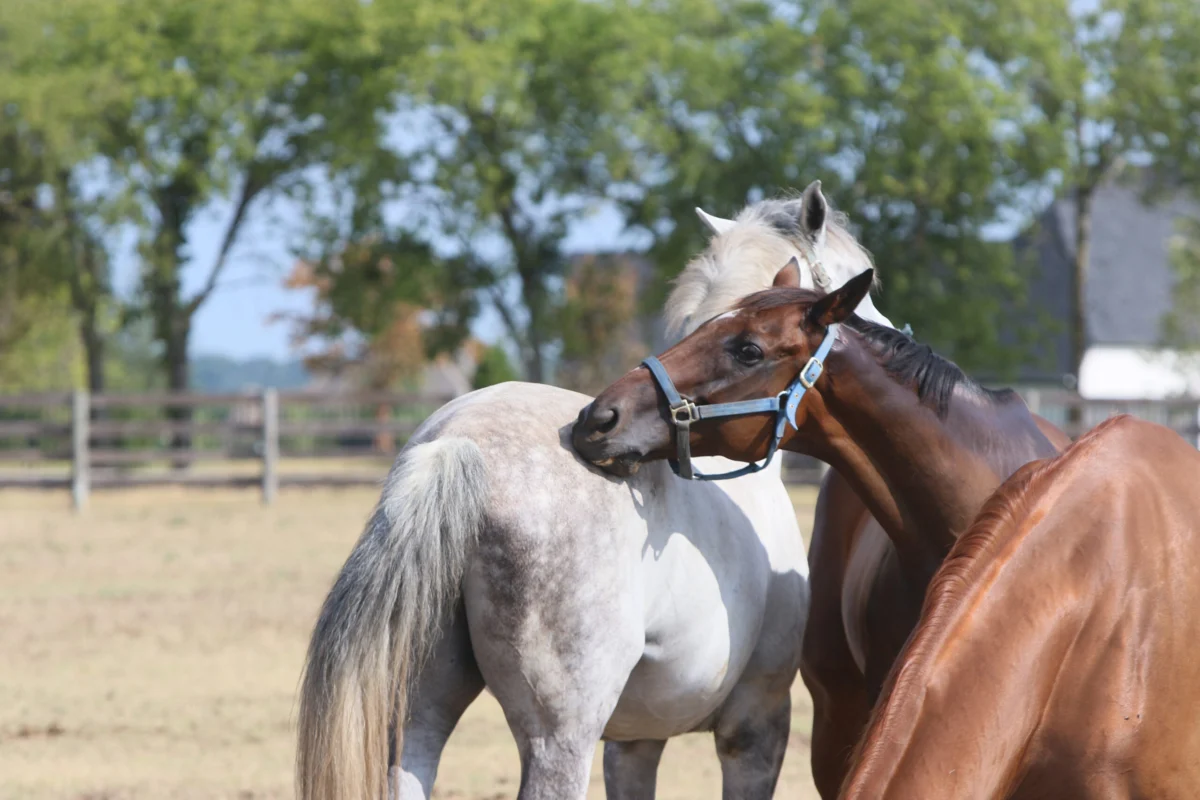
4. Promote Social Interaction: Horses are inherently herd animals. Social isolation can be a significant stressor. Ensuring regular access to other horses, whether through turnout in shared pastures or supervised in-hand interaction, can greatly improve a horse’s well-being and reduce behavioral issues. The visual and physical presence of conspecifics can provide comfort and reduce anxiety.
5. Provide Adequate Turnout and Enrichment: Ample turnout time in a safe and stimulating environment allows horses to express natural behaviors, exercise, and engage their minds. Turnout in pastures with companions is ideal. For horses stabled for extended periods, environmental enrichment, such as puzzle feeders or safe toys, can help alleviate boredom and reduce the likelihood of developing cribbing.
6. Consider Specialized Muzzles and Cribbing Collars (with caution): In cases where cribbing is severe and other management strategies have proven insufficient, specialized muzzles or cribbing collars may be considered. These devices are designed to physically prevent the horse from gripping surfaces with its teeth. However, it is crucial to note that these are management tools, not cures, and should be used under veterinary guidance. Improperly fitted or continuously worn collars can cause discomfort or skin irritation. Their effectiveness can also vary, and some horses may find ways to circumvent them.
7. Early Intervention: For foals, implementing these management strategies from an early age is critical. Identifying and addressing potential stressors or dietary imbalances early can prevent the establishment of cribbing habits.
Conclusion
Cribbing, once shrouded in mystery and subject to anecdotal remedies, is now understood through a growing body of scientific evidence to be a complex behavior influenced by diet, stress, genetics, and potentially underlying health issues like gastric ulcers. While the exact mechanisms are still being elucidated, the evidence strongly suggests that a management approach prioritizing abundant forage, consistent feeding, social interaction, and a low-stress environment offers the most effective means of preventing and mitigating this habit. By implementing these evidence-based practices, horse owners and caretakers can significantly contribute to the physical and psychological well-being of their equine partners, ensuring healthier, happier, and more performant horses. The ongoing research into cribbing promises to further refine our understanding and enhance our ability to manage this challenging equine behavior.







